


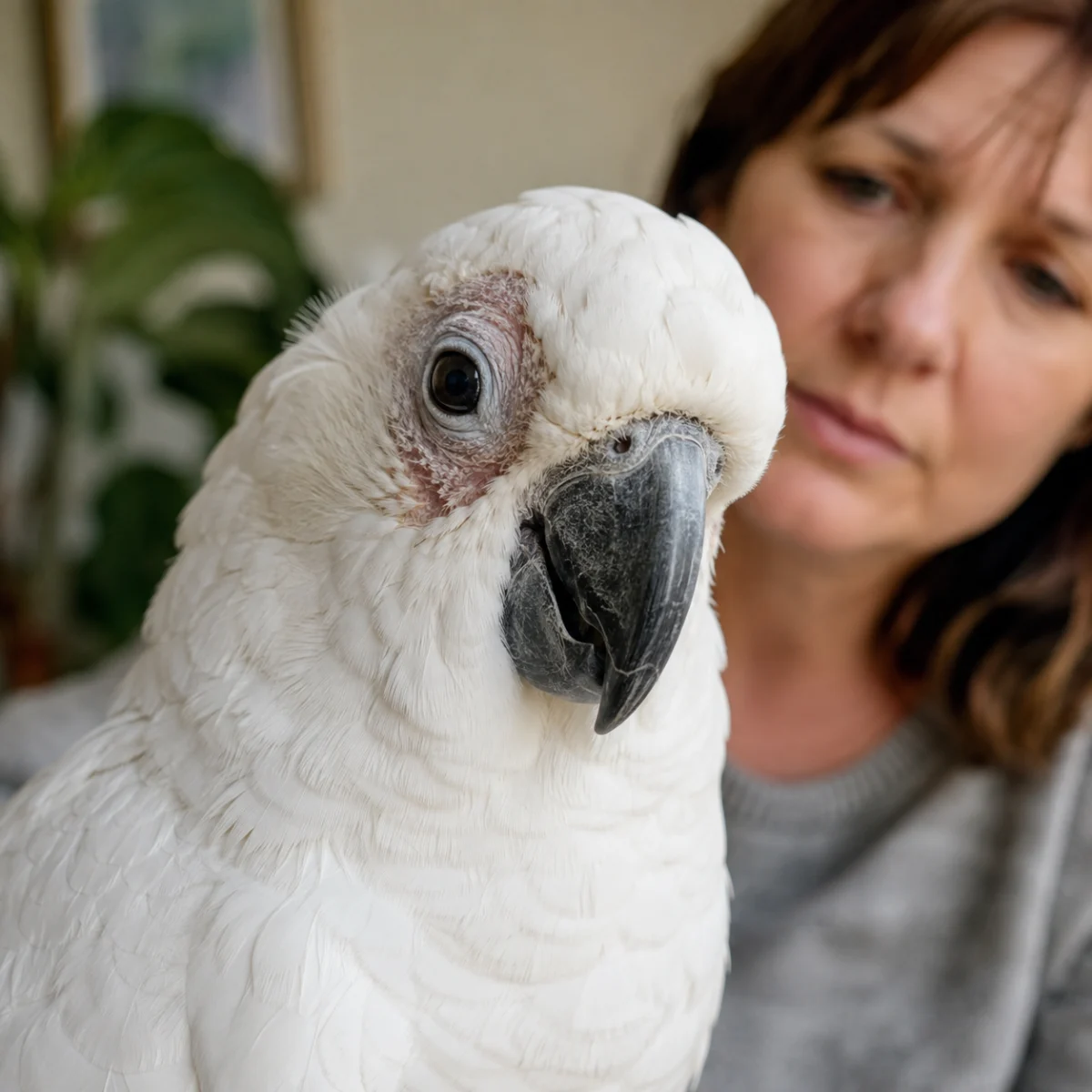
Observing thinning feathers or a distinct bald patch around a bird’s eye can be an alarming experience for any companion parrot owner. While the sight of exposed skin on a beloved pet often triggers immediate concern, it is essential to distinguish between the natural physiological process of molting and clinical indicators of underlying health issues. Determining the cause of localized feather loss requires a systematic approach, evaluating the bird’s ocular health, skin condition, behavioral patterns, and environmental factors. By applying a structured diagnostic mindset, owners can better navigate the difference between a temporary, harmless transition and a condition necessitating professional veterinary intervention.
The Physiology of Molting: A Natural Progression
Molting is a vital biological process wherein birds shed old, worn-out feathers to replace them with new, healthy plumage. In a healthy specimen, this process is gradual and symmetrical. Because the feathers surrounding a bird’s eyes and facial region are significantly smaller and more delicate than those on the wings or tail, even the loss of a few feathers can create an illusion of baldness.
During a routine molt, the skin should appear smooth, supple, and free of discoloration. A key indicator of a healthy cycle is the presence of "pin feathers"—new, keratin-sheathed feathers emerging from the follicles. These follicles represent the regenerative engine of the bird’s plumage. When a bird is undergoing a normal molt, its behavior, appetite, and energy levels remain consistent. The absence of systemic distress suggests that the feather loss is a localized, temporary event rather than a symptom of an internal ailment.
Diagnostic Criteria: Distinguishing Normal from Pathological
To accurately assess the situation, owners must move beyond the "bald spot" and conduct a comprehensive physical and behavioral assessment. Clinical observations should be categorized to determine the urgency of the situation.
A state of "normalcy" is generally characterized by healthy, uninflamed skin, clear and bright eyes, the presence of new pin feathers, and stable daily routines. In contrast, "concerning" signs include a bald patch that is progressively expanding, the absence of new growth, or the manifestation of repetitive behaviors, such as the bird frequently rubbing its head against cage bars or scratching at the eye area with a foot.
The most critical threshold is reached when symptoms move from feather-related to ocular or systemic. If the eye appears watery, swollen, or exhibits discharge, or if the bird is keeping the eye squinted or closed, the situation ceases to be a potential molting issue and becomes a high-priority medical matter. Such signs often point to conjunctivitis, sinus inflammation, or localized infections that require immediate diagnostics, such as cytology or bacterial cultures, conducted by an avian specialist.
Chronology of Observation and Data Collection
For owners identifying a new bald spot, the implementation of a 72-hour monitoring protocol is recommended. During this window, the owner should:
- Document the Baseline: Take a high-resolution photograph of the area to serve as a visual reference.
- Monitor Environmental Triggers: Identify any recent changes in the cage environment, such as new toys, different cleaning agents, or the introduction of a new companion bird.
- Behavioral Logging: Track whether the bird exhibits increased preening or rubbing during specific times of day or in response to specific stimuli.
If, after three days, the area of bare skin has grown, or if the bird’s attitude—such as lethargy or a reduction in food intake—shifts, this constitutes a clear signal that the underlying cause is not a routine molt. According to avian veterinary literature, delays in seeking treatment for ocular-related feather loss can lead to secondary infections, as the loss of feather protection leaves the delicate periocular skin vulnerable to trauma and bacterial colonization.
Analyzing Potential Causes: Beyond the Molt
When feather loss is not attributable to molting, several distinct categories of etiology must be considered.
Mechanical and Behavioral Factors
Self-inflicted damage is a primary suspect when the bird is seen rubbing its face against perches or scratching at the eye. This is frequently a compensatory behavior for discomfort, such as an itchy eye caused by dust, drafts, or an incipient sinus infection. Furthermore, social dynamics in multi-bird households play a significant role. "Overpreening" or "barbering" is a social behavior where one bird excessively grooms another. While often intended as a social bonding exercise, it can become aggressive or compulsive, resulting in the localized destruction of feathers on the companion’s head and face.
Dermatological and Systemic Issues
While bird owners frequently express concern over mites, scientific consensus indicates that localized feather loss around the eye is rarely caused by parasitic infestations in most parrot species. Scaly face mites, while more prevalent in budgerigars, typically present with crusty, hyperkeratotic lesions on the cere and beak, rather than a smooth, clean bald patch.
Inflammatory skin conditions, however, are a legitimate concern. If the skin surrounding the eye appears red, scaly, or thickened, it may suggest an underlying dermatological issue or a localized allergic reaction. These conditions require professional intervention, as the application of over-the-counter ointments can be dangerous if they contain ingredients toxic to avian ocular tissue.
Nutritional Deficiencies
The role of nutrition in feather health cannot be overstated. A common deficiency in pet birds, particularly those on a seed-heavy diet, is Vitamin A. This vitamin is essential for maintaining the epithelial tissues of the respiratory tract, sinuses, and skin. Chronic deficiency can lead to squamous metaplasia, which compromises the integrity of the skin and makes the bird more susceptible to infections. While nutritional adjustment is a critical long-term strategy, it is rarely the sole solution for an acute, localized bald patch and should be part of a broader health management plan supervised by a veterinarian.
The Role of the Avian Veterinarian
The decision to seek veterinary care should be guided by a "safety-first" hierarchy. Urgent care is required if the bird presents with:
- Significant swelling or ocular discharge.
- Signs of respiratory distress, such as tail bobbing or audible clicking while breathing.
- Evidence of trauma or bleeding.
- Persistent lethargy or anorexia.
An avian veterinarian will typically perform a physical examination to inspect the eye for corneal ulcers, conjunctivitis, or foreign bodies. If the skin is involved, the clinician may perform a skin scraping or a biopsy to rule out fungal or bacterial infections. In cases where the cause is behavioral, the veterinarian may recommend environmental enrichment strategies or, in severe cases, behavioral modification techniques.
Broader Implications and Preventive Care
The presence of a bald patch around the eye serves as a diagnostic "canary in the coal mine." It is rarely a standalone issue but rather a manifestation of an environmental, social, or physiological shift. Preventing these issues requires a holistic approach to avian husbandry.
1. Environmental Hygiene: Maintaining air quality is paramount. Particulate matter, such as cigarette smoke, aerosol sprays, or excessive dust, can cause chronic irritation of the ocular and sinus tissues.
2. Nutritional Balance: Transitioning birds from a seed-based diet to a nutritionally dense, formulated pellet diet supplemented with fresh, organic vegetables ensures the intake of necessary beta-carotenes and other micronutrients required for robust skin and feather health.
3. Social Monitoring: In multi-bird households, owners must observe the quality of interactions. If one bird is identified as the source of overpreening, they may need to be separated during supervised periods to allow the victim’s feathers to recover.
4. Regular Health Screenings: Annual wellness exams with an avian-certified veterinarian allow for the early detection of subclinical conditions, such as early-stage sinus infections, before they manifest as visible feather loss.
Conclusion
In summary, while a small, stable bald patch in the presence of a healthy, active bird and normal skin may be a benign byproduct of a routine molt, any deviation from this status warrants close observation. The transition from "normal" to "concerning" is defined by the appearance of the skin, the integrity of the eye, the behavior of the bird, and the stability of the patch over time.
Owners are advised to avoid the temptation of self-diagnosis or the application of home remedies, which can often exacerbate sensitive eye and skin conditions. By maintaining meticulous records of their bird’s condition and fostering a partnership with a qualified avian veterinarian, owners can ensure that their birds receive the necessary care to maintain their health, comfort, and vitality. When in doubt, the most prudent course of action is always a professional evaluation, ensuring that minor issues do not escalate into systemic health crises. Through proactive monitoring and informed care, the majority of feather-related issues can be managed or resolved, allowing the bird to return to its full, feathered health.

