


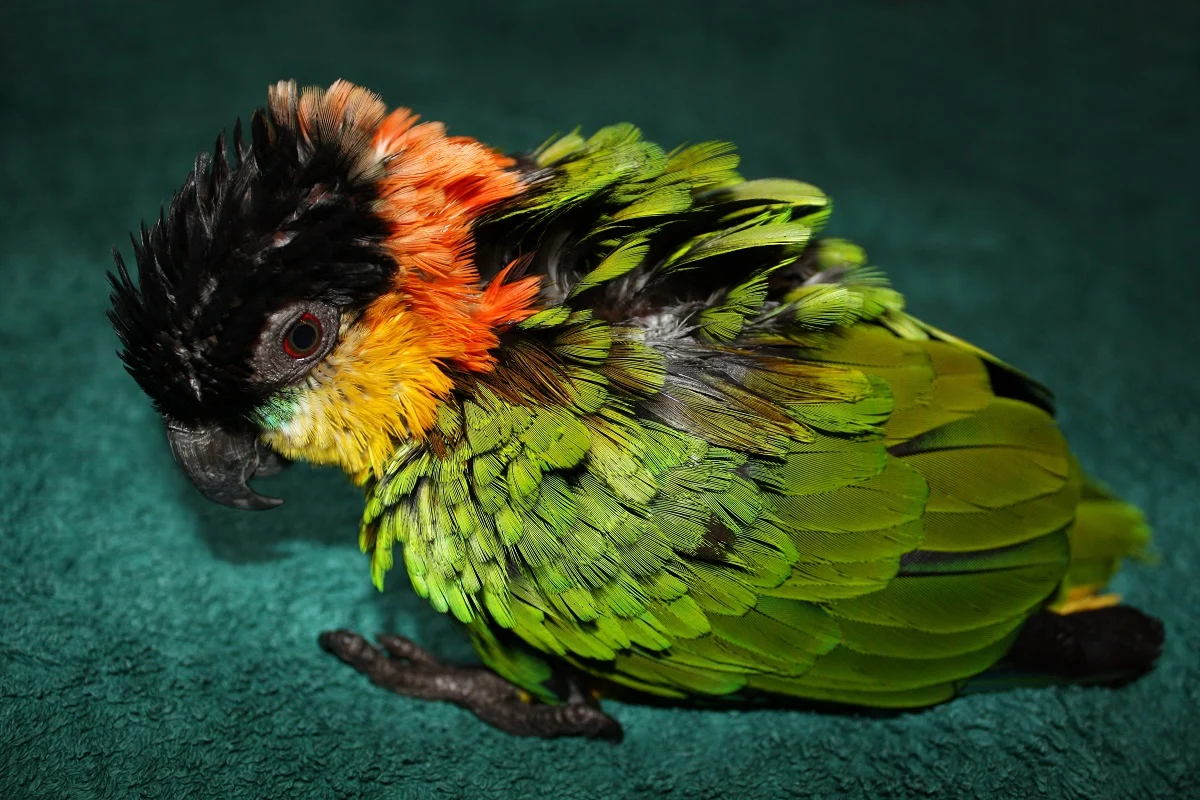
The ownership of domestic companion parrots requires a high standard of proactive health management, as minor physiological changes in avian species can rapidly escalate into fatal medical crises. Veterinary professionals specializing in exotic and avian medicine emphasize that proper emergency preparation, comprehensive first-aid knowledge, and immediate clinical intervention are critical determinants in saving an injured or acutely ill bird. Because parrots are biologically predisposed to masking symptoms of pain and weakness—a defense mechanism inherited from their wild ancestors to deter predators—owners frequently fail to recognize critical illness until the condition is advanced. Consequently, veterinary organizations and avian specialists are urging pet owners to establish preventative care routines, assemble specialized avian first-aid kits, and secure established relationships with qualified avian veterinarians well before an emergency occurs.
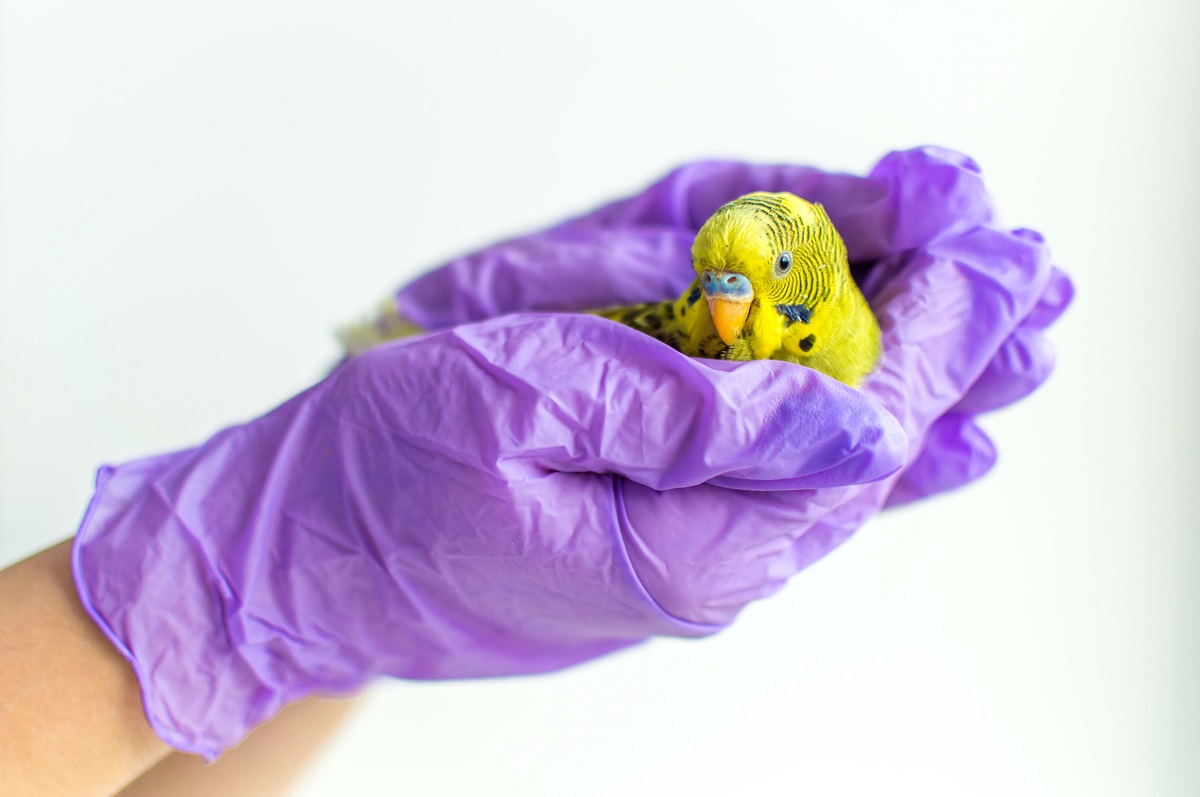
To understand the scope of avian medical vulnerabilities, one must examine the delicate physiological framework of psittacine species. Unlike mammals, birds possess high metabolic rates, specialized respiratory systems lacking a diaphragm, and extremely low total blood volumes. According to veterinary guidelines on avian critical care, approximately ten percent of a parrot’s total body weight consists of blood. For instance, a standard one-hundred-gram cockatiel carries roughly ten milliliters of total blood volume. Veterinary toxicologists and clinicians note that losing more than ten percent of this circulating volume—just one milliliter in a small bird—can induce severe hypovolemic shock and prove fatal. This narrow margin for error underscores why immediate hemorrhage control and rapid transportation to a medical facility are paramount when accidents occur in a domestic environment.
The chronology of responding to an avian emergency begins long before a clinical crisis materializes. Veterinarians recommend a structured timeline of preparedness divided into preventative measures, immediate home-based stabilization, and professional clinical treatment. In the preventative phase, which should start the moment an owner decides to bring a bird into their home, the primary objective is environmental modification, commonly referred to as parrot-proofing. Because captive parrots are exceptionally curious and possess powerful beaks capable of splintering wood and chewing synthetic materials, they are constantly exposed to household hazards. Common risks include exposed electrical wiring, toxic houseplants such as Dieffenbachia and lilies, heavy metals found in older paint or jewelry, and unsecured windows or doors. Furthermore, domestic accidents involving fractured blood feathers, crush injuries from doors, or impact trauma from flying into glass panes frequently account for emergency clinic visits.

Should an emergency occur, the immediate timeline shifts to stabilization while in transit to a veterinary clinic. Avian specialists outline a strict protocol for home-based first aid when immediate veterinary access is unavailable. The primary intervention for external hemorrhage involves the application of styptic powder combined with gentle, direct pressure using sterile gauze. However, veterinary professionals caution that pressure must be applied meticulously; because birds rely entirely on the active expansion of the chest wall to draw air into their respiratory system, any restriction placed on the thoracic cavity during handling can cause asphyxiation. Furthermore, if a wound penetrates a body cavity, such as the abdomen or thorax, the use of styptic powder is strictly contraindicated, and the patient must be rushed to a medical facility under continuous external pressure.
Alongside bleeding control, mitigating shock and thermal regulation form the second critical phase of interim emergency care. Severely compromised parrots rapidly lose their ability to thermoregulate, making hypothermia a secondary threat that compounds the primary injury or illness. Veterinary recommendations dictate that sick or injured birds should be placed in a secure, darkened transport carrier lined with clean paper toweling, accompanied by a reliably safe supplemental heat source, such as a microwaveable heating pad maintained at approximately 85 degrees Fahrenheit (29 degrees Celsius). Minimizing handling is essential during this phase; excessive manipulation induces acute psychological stress, which can trigger cardiac arrest in a weakened avian patient. Rehydration represents the final component of interim management. For mildly dehydrated birds exhibiting alert behavior, warmed electrolyte or rehydration solutions can be administered via a syringe or teaspoon. Conversely, attempting to force fluids into an uncooperative, lethargic, or unconscious bird is strongly discouraged by avian practitioners due to the high risk of pulmonary aspiration, wherein fluid enters the trachea and suffocates the animal.

To assist owners in identifying subtle indicators of distress, avian health organizations have cataloged specific clinical signs that necessitate veterinary consultation. Subtle indicators, such as reduced vocalization, decreased appetite, changes in fecal consistency or color, and mild fluffed-feather posture, warrant scheduling an appointment with an avian veterinarian within twenty-four to forty-eight hours. Conversely, overt symptoms demand immediate emergency intervention. These red-flag indicators include tail-bobbing respiration, open-mouth breathing, complete lethargy or unresponsiveness, inability to maintain a perching posture, asymmetric head tilts or neurological deficits, and visible trauma or uncontrolled bleeding. Owners are advised to contact the veterinary clinic while en route so that medical staff can prepare oxygen supplementation, heated brooders, and intravenous or intraosseous fluid administration equipment prior to the patient’s arrival.
The broader implications of avian emergency preparedness highlight a fundamental shift in exotic pet husbandry toward preventative medicine and client education. Veterinary epidemiologists note that a significant percentage of emergency admissions are entirely preventable through rigorous environmental safety audits and routine wellness examinations. Experts recommend scheduling comprehensive avian health evaluations twice annually to detect subclinical issues, such as nutritional deficiencies, hepatic lipidosis, or early-stage infectious diseases, before they manifest as acute crises. Additionally, establishing a dedicated veterinary emergency fund or securing specialized pet insurance is increasingly viewed as a necessity by avian practitioners, given the high costs associated with advanced diagnostics, critical care hospitalization, and specialized surgical interventions for exotic species.

As public awareness regarding avian welfare continues to evolve, veterinary associations emphasize that the responsibility of parrot ownership extends far beyond basic feeding and housing. By maintaining a fully stocked first-aid kit containing styptic powder, sterile gauze, syringes, and rehydration sachets—alongside pre-programmed contacts for certified avian veterinary clinics—owners can bridge the critical gap between the onset of a crisis and professional medical delivery. Ultimately, while the delicate anatomy of psittacine species leaves little room for error, systematic preparation and swift, informed decision-making remain the most effective tools for preserving the health and longevity of domestic parrots.

