


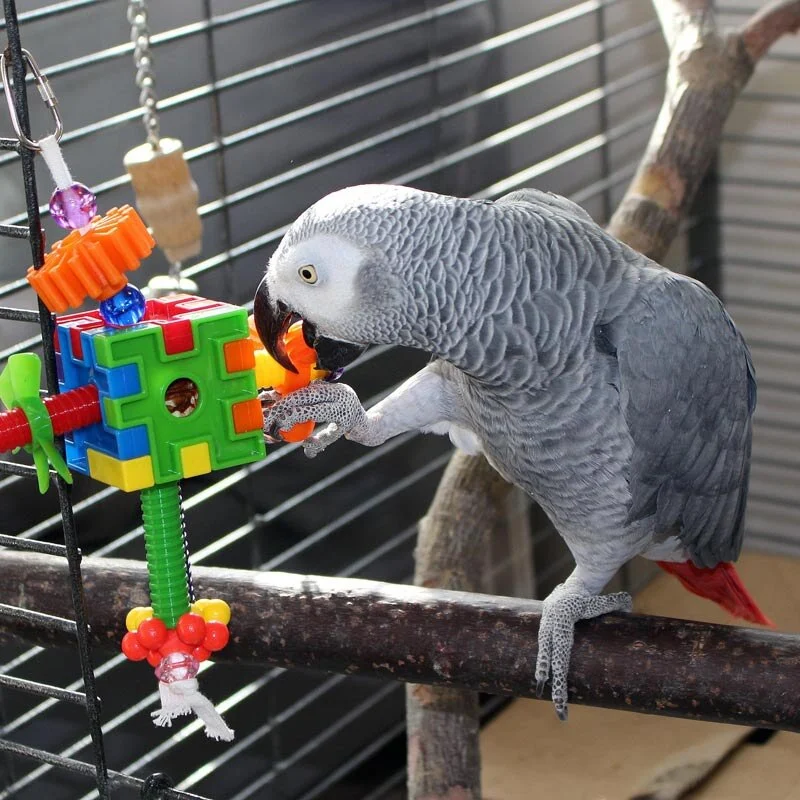
The integration of psittacines into domestic settings has transformed the traditional understanding of pet ownership, shifting the paradigm from simple stewardship to a complex, bidirectional social contract. As avian intelligence studies continue to evolve, researchers and behavioral experts have identified specific patterns of environmental modification initiated by parrots—ranging from the management of human circadian rhythms to the forced repurposing of household waste. These behaviors are not merely idiosyncratic quirks; they are manifestations of the species’ innate social structure, which is adapted by the animal to govern the domestic sphere.
The Evolution of Avian-Human Co-habitation
The history of keeping parrots as companions dates back thousands of years, yet the modern indoor environment presents a unique set of challenges and opportunities for these high-cognition birds. Unlike domesticated mammals such as dogs or cats, which have undergone thousands of years of selective breeding for companionship, many parrot species currently kept in households retain wild-type behaviors. Ornithologists note that the drive for social cohesion, environmental manipulation, and strict adherence to routine is an evolutionary survival mechanism.
In the wild, flock dynamics are governed by rigid schedules and constant communication. When a parrot is integrated into a human home, it views the human family as its surrogate flock. Consequently, the bird attempts to impose the structure it would naturally employ in the wild, leading to the phenomenon often described by owners as the bird "ruling the roost."
Chronology of Environmental Control
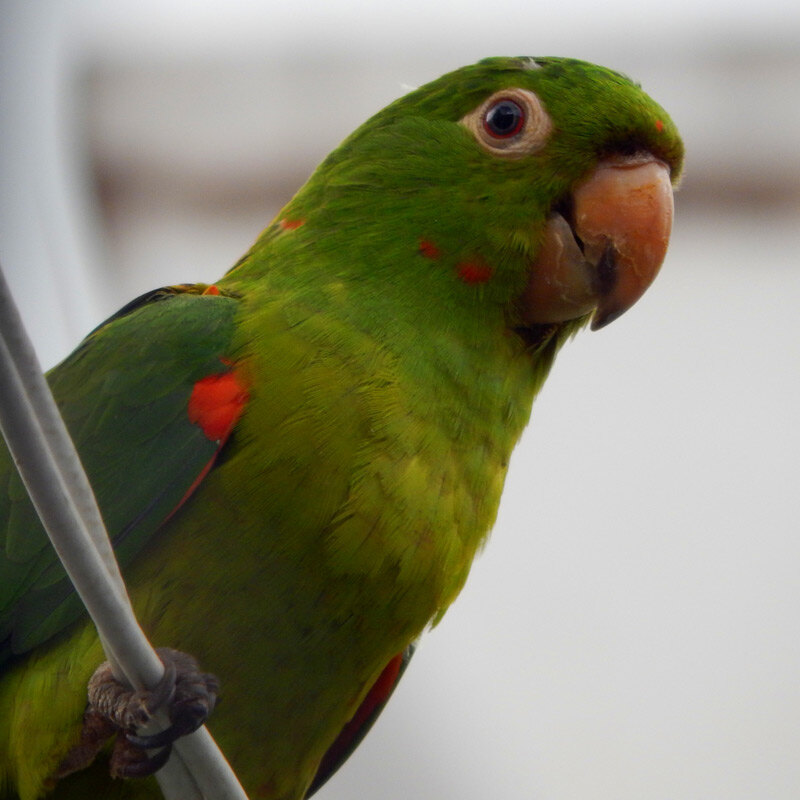
Behavioral observations suggest that the assertion of authority by a parrot follows a predictable timeline upon introduction to a new environment.
- The Acclimation Phase (Days 1–30): The bird observes human movement, noise levels, and schedules. During this period, the parrot is essentially conducting a threat and opportunity assessment.
- The Engagement Phase (Months 2–6): The parrot begins to intervene in human activities. This often starts with vocalizations to regulate human wake and sleep cycles.
- The Structural Modification Phase (Months 6+): The bird begins to dictate household decor, resource allocation, and activity participation. By this point, the human’s routine is often fully synchronized with the avian requirements for exercise, feeding, and social interaction.
The Mechanism of Schedule Dictation
One of the most profound impacts on human owners is the alteration of their internal clocks. According to data provided by avian welfare organizations, the majority of parrots exhibit "morning-active" behavior, which manifests as vocalizing at sunrise to signal the start of the day. This behavior serves a biological function in the wild—ensuring the flock coordinates movement during the safest hours of the day.
In a residential setting, this creates an unavoidable synchronization. Owners report that the "early wake-up call" is not a request, but a consistent, non-negotiable demand. Furthermore, the feeding schedule is strictly enforced by the bird. If a human fails to provide breakfast at the expected time, parrots utilize a range of behavioral cues—from repetitive vocalizations to physical pacing—to ensure the error is rectified. This effectively shifts the human’s daily agenda to prioritize the avian schedule.
Domestic Quality Control and Environmental Sensitivity
Parrots are highly visual creatures with a sophisticated sense of spatial awareness. Changes to the home environment, such as the introduction of new furniture or the shifting of wall hangings, are often met with intense scrutiny. Behavioral consultants suggest that this is a manifestation of the bird’s innate wariness toward environmental shifts, which in the wild could indicate the presence of predators or the movement of a food source.
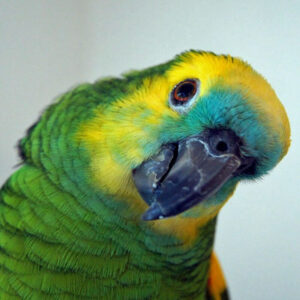
From a sociological perspective, the parrot acts as a "quality-control inspector." Owners frequently observe their birds tilting their heads to inspect new items, followed by days of what appears to be visual monitoring of the object. This behavior indicates that the parrot views the domestic space as a territory that requires constant, collective oversight.
Resource Repurposing: The Economics of the Recycle Bin
The transition of household waste into avian enrichment tools is a documented shift in resource management. Items that humans classify as "trash"—specifically cardboard, paper products, and non-toxic shipping materials—are reclassified by the parrot as high-value assets.
Data from veterinary nutritionists and behaviorists support this: providing safe, shreddable paper products serves the essential function of foraging and beak maintenance. The implication for the human owner is a permanent change in waste management habits. The recycle bin becomes a resource depot, where the "value" of an item is determined not by its original purpose, but by its potential for destruction. This shift in valuation often forces humans to alter their consumption patterns, as they begin to prioritize the purchase of products based on their "parrot-safe" packaging.
The Mandate for Participatory Activity
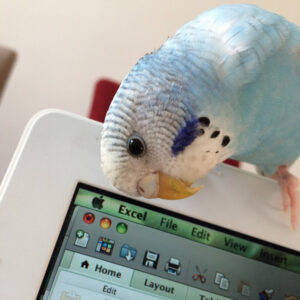
The concept of "watching from a distance" is largely alien to psittacines. In the wild, flock members perform tasks—such as foraging and preening—in close physical proximity. When a human attempts to engage in a solitary task, such as reading or using a computer, the parrot perceives this as a failure of social integration.
The bird’s subsequent interference is not an act of malice but an attempt to restore the "group project" dynamic. Whether it is perching on a laptop or inserting itself between a human and a book, the parrot is attempting to fulfill its social mandate. Experts note that this constant demand for inclusion is a primary reason why parrot ownership requires significant psychological adjustment on the part of the human, who must reconcile their need for privacy with the bird’s need for constant social presence.
The Subjective Valuation of Toys and Play
Perhaps the most significant area of conflict between human intent and avian preference lies in the valuation of recreational items. Retail data shows that the pet industry produces millions of dollars in specialized, complex, and often expensive avian toys annually. However, observational studies confirm that the bird’s assessment of a toy is rarely aligned with its retail price.
A "bargain" item, such as a simple twig or a paper towel roll, may provide hours of engagement, while a high-end, complex puzzle toy may be ignored entirely. The primary value a parrot places on a toy is its "shreddability"—the ability of the object to be dismantled. This divergence in valuation serves as a constant reminder to the human owner that the parrot’s world is governed by functional utility rather than consumerist trends.
Implications for Human-Avian Relationships
The cumulative effect of these interactions is a reordering of the household hierarchy. When a human adapts their sleep cycle, reorganizes their home decor, repurposes their waste, and modifies their work habits to accommodate a bird, the human is effectively entering into a subordinate role within the flock’s social structure.
This dynamic is not necessarily negative. Many psychologists argue that the forced mindfulness required by parrot ownership can improve human mental health. By demanding that the owner stay present, adhere to a routine, and engage in constant social interaction, the parrot provides a structured environment that can act as a buffer against modern stressors.
However, the implications for potential owners are significant. The decision to share a home with a parrot is, by its very nature, a decision to relinquish a degree of personal autonomy. As research into avian intelligence continues to demonstrate, these animals are not merely "pets" in the traditional sense; they are active, opinionated participants in the domestic sphere. The "rule of the roost" is a reality that owners must accept—a realization that, while they may provide the food and the shelter, it is the parrot that dictates the terms of engagement. The long-term stability of this relationship depends entirely on the human’s ability to recognize and respect the inherent logic of the bird’s social and behavioral requirements.

