


On March 18, 2026, LafeberVet, a leading provider of clinical veterinary resources, officially announced the launch of its latest professional development offering: an in-depth webinar focused on the critical pillars of avian welfare—foraging and environmental enrichment. This educational module, spearheaded by M. Scott Echols, DVM, DABVP (Avian Practice), has received formal approval from the American Association of Veterinary State Boards (AAVSB) Registry of Approved Continuing Education (RACE) program. The approval grants one hour of continuing education (CE) credit to veterinarians and veterinary technicians, providing them with a standardized pathway to maintain licensure in jurisdictions that recognize AAVSB RACE accreditation.
The initiative represents a concerted effort by the veterinary community to address the rising need for evidence-based behavioral and environmental interventions in captive avian species. As veterinary medicine continues to evolve, the shift toward proactive environmental enrichment has become a cornerstone of standard-of-care protocols for exotic animal practitioners.
The Evolution of Avian Enrichment Protocols
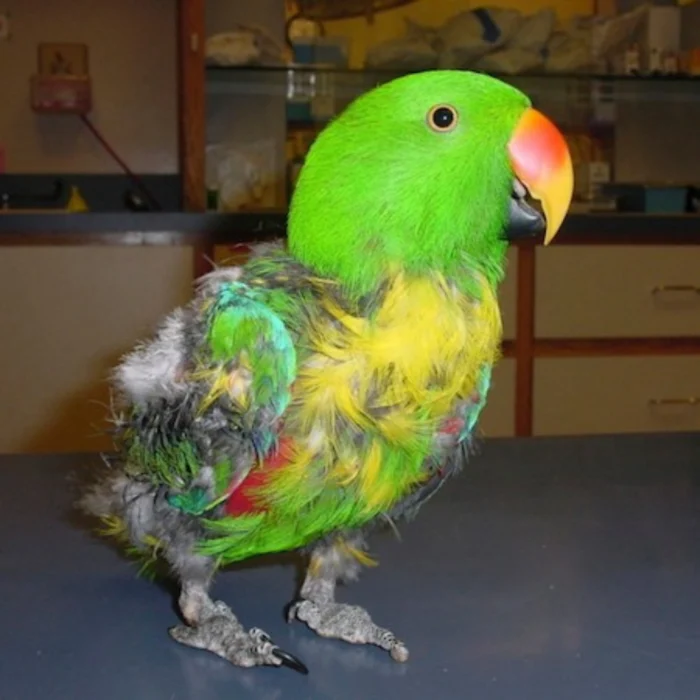
For decades, the standard of care for captive birds focused primarily on nutrition and basic cage maintenance. However, the field has undergone a paradigm shift, increasingly recognizing that psychological health is inseparable from physical longevity. Clinical data from the past decade suggests that birds deprived of foraging opportunities—natural behaviors that occupy a significant portion of a wild bird’s day—are at an elevated risk of developing maladaptive behaviors. These include self-mutilation, feather picking, and chronic stress-induced physiological ailments.
The current LafeberVet curriculum addresses these complexities by integrating contemporary research on sensory stimulation. Beyond foraging, the webinar explores the vital role of environmental factors, specifically ultraviolet (UV) radiation and lighting. The inclusion of UVB light as a subject of study is particularly timely, given the growing body of literature documenting its role in vitamin D3 synthesis and its positive impact on the visual and reproductive health of various avian species.
Chronology and Program Implementation
The development of this program follows a multi-year trend in veterinary continuing education, where digital, on-demand modules have largely supplanted traditional in-person workshops. LafeberVet has been at the forefront of this digital transition, consistently providing RACE-approved content to a global audience.
- Initial Development Phase: Experts in avian medicine and behavioral science identified a gap in practitioner knowledge regarding the practical application of enrichment.
- Peer Review and Validation: The content underwent rigorous internal review to ensure scientific accuracy and alignment with the current standards of the American Board of Veterinary Practitioners (ABVP).
- AAVSB Accreditation: Following the internal review, the program was submitted to the AAVSB RACE committee. This process involves a comprehensive evaluation of the educational objectives, speaker credentials, and the integrity of the assessment methods.
- Official Launch (March 18, 2026): The module was released to the LafeberVet platform, allowing veterinary professionals to access the materials, engage with the educational content, and complete the required post-test for CE credit.
Technical Requirements and CE Credit Mechanics
The educational architecture of the webinar is designed to ensure mastery of the material rather than mere attendance. Participants are required to engage with the video curriculum, which covers the nexus between foraging techniques, environmental lighting, and overall clinical outcomes.
To earn the one-hour CE credit, participants must complete a post-webinar assessment. The platform utilizes a structured testing protocol: participants are granted three attempts to achieve a passing grade. Upon successful completion, the system automatically triggers the generation of a certificate of completion. This streamlined process is designed to facilitate compliance with state licensing boards, which often require strict documentation of RACE-approved activities.
The platform is accessible exclusively to registered LafeberVet members, ensuring that the distribution of professional-grade clinical information remains within a verified network of veterinary practitioners. The integration of international support, with documentation provided in French and Spanish, reflects the global reach of the avian veterinary community.
Scientific Context: The Role of Foraging and Light
The pedagogical focus on foraging and lighting is rooted in hard clinical data. Foraging is not merely a method of feeding; it is an essential cognitive exercise. In the wild, birds spend between 40% and 80% of their waking hours foraging. When this behavior is suppressed in a captive environment, the lack of mental stimulation can lead to the "boredom-stress" cycle, which is a common precursor to clinical illness.
Similarly, the program’s emphasis on UVB light addresses a specific deficiency in indoor bird keeping. Many avian patients are kept in environments where full-spectrum sunlight is filtered out by glass, which effectively blocks the UV wavelengths necessary for the synthesis of Vitamin D3. The resulting deficiency can lead to metabolic bone disease and weakened immune responses. By educating veterinarians on the correct placement, intensity, and duration of artificial UVB lighting, the program provides a tangible clinical tool that practitioners can recommend to clients to prevent these common ailments.
Official Responses and Industry Impact
While official commentary from the AAVSB is contained within the standardized approval criteria, the veterinary community has generally viewed the move toward specialized CE modules as a positive development. Dr. M. Scott Echols, who authored the course, has long been a proponent of evidence-based avian practice. His work emphasizes that veterinary care must go beyond the examination table and into the home environment of the patient.
"The goal of this curriculum is to standardize how we approach behavioral health," noted an anonymous representative familiar with the development process. "When practitioners understand that a foraging toy or a proper light fixture is a medical intervention rather than just an accessory, we see a direct improvement in patient welfare outcomes."
Broader Implications for Veterinary Practice
The launch of this webinar serves as a barometer for the broader state of veterinary medicine in 2026. The shift toward specialization and the increasing sophistication of the "exotics" sector mean that general practitioners are expected to be more knowledgeable about the unique biological needs of birds, reptiles, and small mammals than they were twenty years ago.
The implications of this training are twofold:
- Clinical Outcomes: By increasing the diagnostic and preventive capabilities of veterinarians, there is a lower incidence of behavioral and nutritionally related diseases, which in turn reduces the burden on specialty clinics.
- Client Education: Veterinarians who are educated through these programs are better equipped to act as consultants for bird owners, providing them with evidence-based recommendations that are easily actionable.
As the industry continues to prioritize preventive care, the accessibility of such resources becomes paramount. The collaboration between educational platforms like LafeberVet and accrediting bodies like the AAVSB ensures that the standard of veterinary care keeps pace with advancements in animal behavior science.
Future Outlook
The field of avian enrichment is far from static. Ongoing research into the cognitive abilities of parrots and other avian species continues to reveal new facets of their intelligence, suggesting that enrichment protocols will need to become increasingly dynamic. Future iterations of CE programs are expected to explore more complex behavioral models, including positive reinforcement training and advanced social interaction simulations.
For now, the March 2026 webinar stands as a definitive resource for practitioners looking to refine their clinical approach. By bridging the gap between theoretical behavioral science and day-to-day veterinary practice, LafeberVet continues to facilitate a higher standard of care for the avian patient population. Veterinarians and technicians interested in the program are encouraged to review their state requirements for RACE credits and ensure their LafeberVet membership is active to access the curriculum and assessment materials.
In summary, the approval of this webinar underscores the vital importance of continuous professional development in the niche field of avian medicine. As the veterinary profession navigates the complexities of modern animal care, the integration of behavioral and environmental health into the clinical framework will remain an essential component of professional excellence and animal welfare.

