


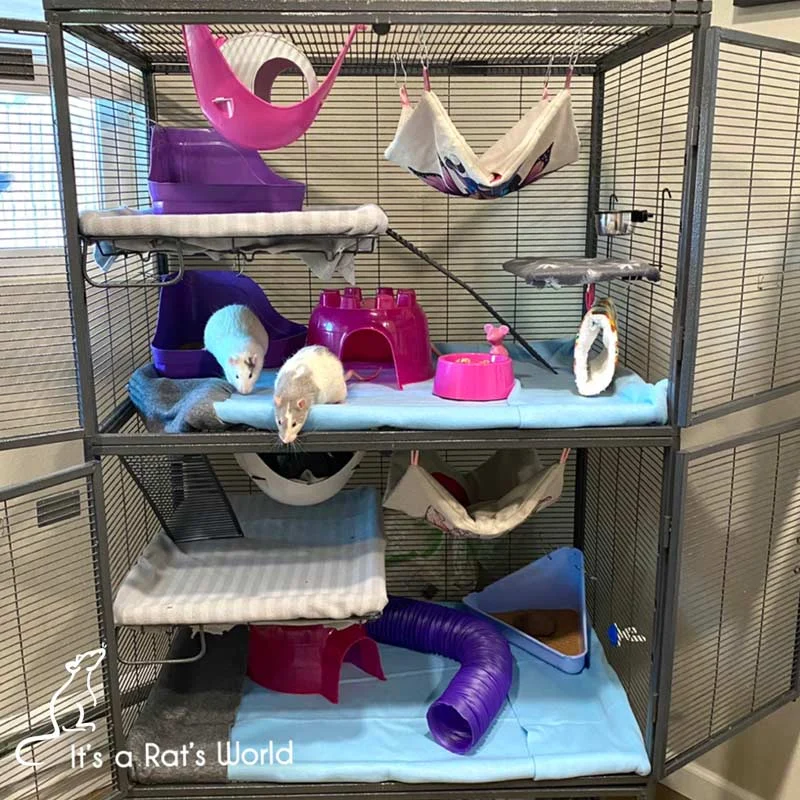
Respiratory disease stands as the most pervasive and challenging health concern facing domestic rat owners globally. Scientific literature, including studies published by the National Center for Biotechnology Information, consistently identifies pulmonary conditions as the leading cause of morbidity among the species. This health landscape is dictated primarily by the presence of Mycoplasma pulmonis, a ubiquitous bacterium that colonizes the respiratory tracts of nearly all pet rats from birth. While many animals maintain a subclinical state for their entire lives, the potential for this pathogen to transition into active murine mycoplasmosis represents a constant management challenge for veterinarians and keepers alike.
The Biological Basis of Mycoplasmosis
Mycoplasma pulmonis is a highly contagious agent that exploits the delicate architecture of the rat respiratory system. In a state of dormancy, the bacteria remain localized; however, environmental stressors or immune suppression can trigger a rapid proliferation of the pathogen. When this transition occurs, the resulting disease entity, murine mycoplasmosis, can lead to severe chronic inflammation.
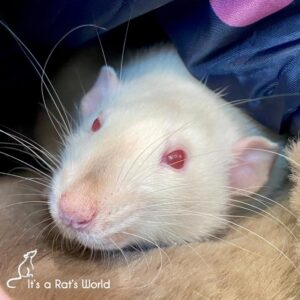
The clinical progression is often insidious. Initial stages may manifest as localized inflammation, but if left unaddressed, the condition can advance to secondary pneumonia or even systemic complications, including congestive heart failure and reproductive tract infections. The chronic nature of these infections is such that they are rarely "cured" in the traditional sense; instead, veterinary management focuses on suppressing bacterial replication and mitigating the symptomatic flare-ups that diminish the animal’s quality of life.
Diagnostic Indicators and Symptom Recognition
Early detection remains the most effective tool in the management of respiratory decline. Owners are frequently alerted to potential distress through the presence of porphyrin, a red-pigmented substance secreted by the Harderian glands. While often mistaken by novice owners for blood, porphyrin is a naturally occurring protein that serves as a diagnostic indicator. When a rat experiences stress or respiratory irritation, the overproduction of this secretion—appearing as red crusting around the nares and ocular cavities—is a primary red flag.
The diagnostic timeline typically follows a predictable trajectory if left untreated:

- Initial Phase: Occasional sneezing, minor porphyrin accumulation, and subtle changes in grooming habits.
- Intermediate Phase: Persistent snuffling, squinting, and potential head-tilting or equilibrium disturbances, indicating the infection has migrated to the middle or inner ear.
- Advanced Phase: Audible respiratory sounds, including wheezing, rattling, or clicking (often referred to as "crackling").
- Critical Phase: Labored breathing (dyspnea), characterized by a hunched posture, gasping for air, lethargy, and a complete cessation of grooming, leading to a "rough" or unkempt coat.
Any departure from normal respiratory function—specifically audible sounds during breathing—necessitates immediate veterinary intervention. The speed at which a rat can transition from a manageable respiratory irritation to a life-threatening pneumonia is significant, often occurring within a 24 to 48-hour window.
Environmental and Preventative Stewardship
The broader impact of respiratory disease is not limited to biology; it is deeply intertwined with husbandry practices. Data from laboratory and exotic animal veterinary sources emphasize that environmental irritants act as the primary catalysts for the transition from subclinical Mycoplasma to active disease.
The use of soft wood shavings, such as pine or cedar, has been largely contraindicated by the veterinary community. These materials contain volatile phenols that are caustic to the sensitive respiratory cilia of rats. Furthermore, the accumulation of ammonia—a byproduct of urea in urine—is a significant environmental risk factor. Ammonia levels that may be undetectable to humans can reach toxic concentrations at the floor level of a cage, effectively "burning" the respiratory lining of the rats and providing an entry point for bacterial infection.
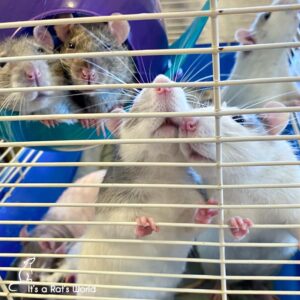
To combat these risks, contemporary best practices involve:
- Rigorous Ventilation: Ensuring cages are constructed of materials that allow for constant air exchange without subjecting the animals to direct drafts.
- Proactive Sanitation: Adopting strict cleaning protocols that remove ammonia sources before they reach harmful levels.
- Quarantine Protocols: The standard for ethical animal management involves a minimum two-week quarantine for new additions in a separate airspace. Because respiratory pathogens and common ectoparasites like mites can easily decimate a colony, the physical separation of new animals—often requiring a separate building or room—is a non-negotiable step for responsible owners.
The Role of Stress in Immune Competence
The psychological health of the rat is inextricably linked to its physiological resilience. Chronic stress, whether caused by poor social dynamics, overcrowding, or sudden changes in the home environment, results in the sustained release of glucocorticoids. These hormones have a known immunosuppressive effect, which directly inhibits the rat’s ability to keep the naturally occurring Mycoplasma in check.
Veterinary observations indicate that "introduction stress"—the period when a new rat is integrated into an existing social group—is a frequent precursor to respiratory flare-ups. This is why specialized resources are required to help owners navigate the social hierarchy of their colonies. When rats are allowed to feel secure within their "personal space" and are provided with adequate hiding areas, the incidence of stress-induced illnesses decreases significantly.
Clinical Implications and Long-Term Management
From a clinical perspective, the management of rat respiratory disease is an exercise in long-term maintenance. Antibiotic protocols are frequently employed, but their success is contingent upon early administration. Because rats are prey animals, they possess a strong evolutionary drive to mask signs of illness. By the time a rat displays visible signs of weakness or labored breathing, the disease has often caused irreversible structural damage to the lung tissue.
Veterinary professionals often utilize a combination of antimicrobial therapy, such as enrofloxacin or doxycycline, to manage active infections. However, there is a growing consensus that these medications should be viewed as support for the immune system rather than a permanent solution. The ultimate success of a patient’s health plan depends on the owner’s ability to minimize environmental triggers and identify the subtle nuances of early distress.
Summary of Best Practices for Mitigation
The responsibility of the owner involves a multi-faceted approach to health:
- Source Assessment: Favoring ethical rescue organizations or breeders who prioritize health over high-volume production.
- Environmental Control: Eliminating aerosolized irritants, including household fragrances, cleaning agents, and tobacco smoke, which are known to exacerbate the symptoms of Mycoplasma.
- Veterinary Partnership: Establishing a relationship with an exotics-specialist veterinarian who is familiar with the specific dosage and off-label medication requirements for rodents.
While the prognosis for an individual rat is heavily influenced by its genetic predisposition and the timing of medical intervention, the broader implications of these health challenges highlight the need for greater public awareness. As the popularity of pet rats continues to grow, the standard of care must shift from reactive treatment to proactive environmental management. By treating the habitat as an extension of the animal’s immune system, owners can significantly extend the quality and duration of their pets’ lives, effectively minimizing the impact of the species’ most common, yet manageable, medical burden.

