


The international community stands at a pivotal juncture this October as representatives from across the globe convene in Yerevan, Armenia, for the 17th Conference of the Parties (COP17) to the Convention on Biological Diversity. This gathering is not merely another routine diplomatic summit; it marks the first formal Global Review of the Kunming-Montreal Global Biodiversity Framework (GBF), a landmark agreement established in 2022. With only four years remaining until the 2030 deadline for the framework’s ambitious targets, the Yerevan sessions serve as a diagnostic check-up for the health of the planet, requiring governments to transition from high-level pledges to immediate, measurable, and large-scale implementation.
The Context: A Framework Under Pressure
In 2022, the world adopted the Kunming-Montreal Global Biodiversity Framework, a comprehensive "peace pact with nature" designed to halt and reverse the catastrophic decline of biological diversity. The framework set forth 23 targets to be achieved by 2030, including the commitment to protect 30% of the world’s lands and oceans—a goal widely referred to as "30×30."
However, the reality of the intervening years has been sobering. Recent scientific assessments indicate that while the Framework has successfully catalyzed unprecedented policy action and heightened global awareness, the rate of implementation remains insufficient to counter the accelerating pressures of habitat loss, climate change, and pollution. The Yerevan COP17 acts as the accountability mechanism. Delegates are expected to reconcile the gap between national biodiversity strategies and the global objectives, identifying systemic bottlenecks that prevent effective action.

The Migratory Indicator: Birds as Environmental Sentinels
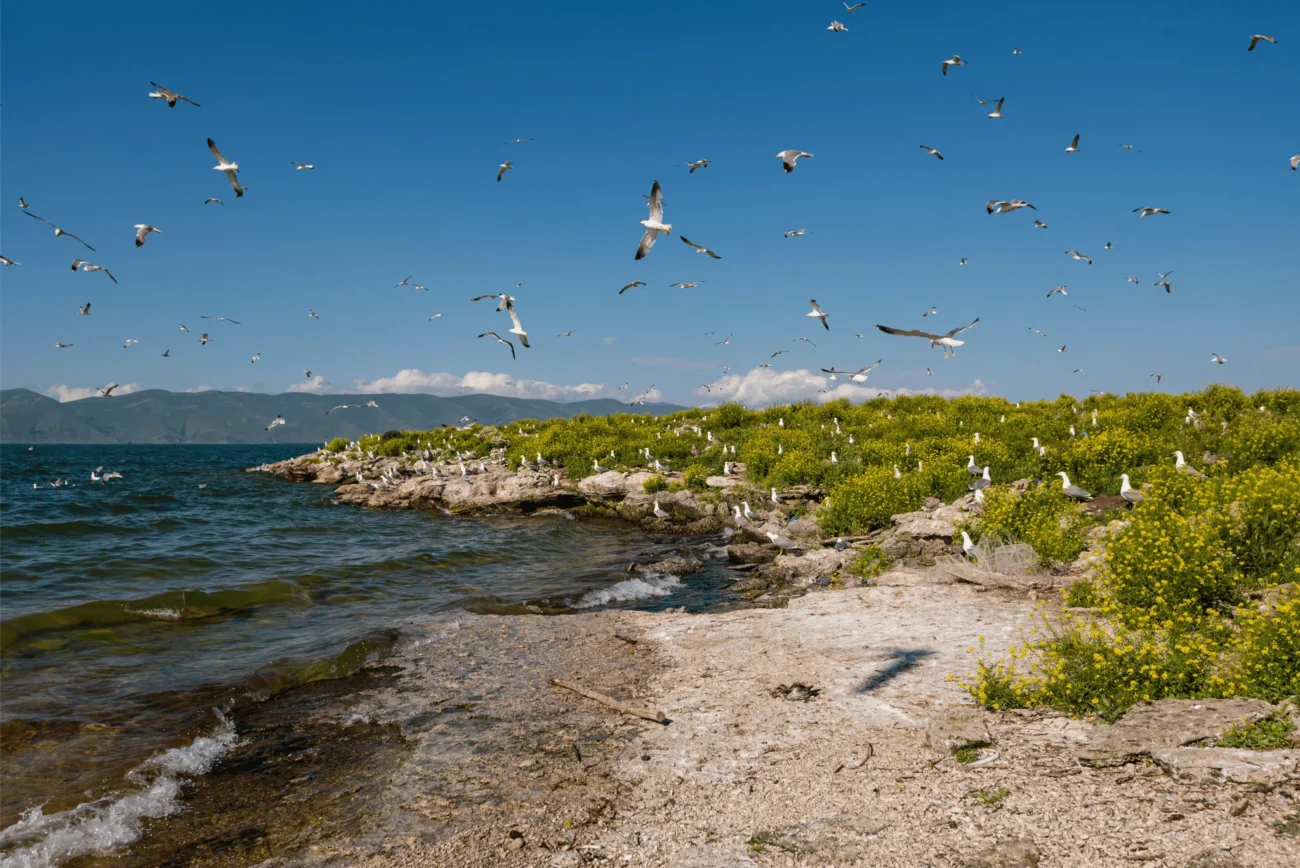
The urgency of the situation is perhaps best illustrated by the status of the world’s migratory species. Birds serve as biological barometers, their long-distance journeys linking ecosystems across continents and oceans. Their decline is a direct reflection of failing connectivity and habitat degradation.
According to the most recent "State of the World’s Birds" report—launched by BirdLife International during the September 2026 Global Flyways Summit in Nairobi—the trends are alarming. Of the 1,843 species assessed, 45% are in decline. Furthermore, of the key biodiversity sites monitored over the past decade, 58% are currently classified as being in poor or very poor condition. When a single wetland is drained or a coastline is developed, the impact ripples across an entire migratory flyway, affecting countries thousands of miles apart. The Nairobi Flyways Declaration, signed by over 125 organizations and partners, underscored that the survival of these species depends on a cohesive, international approach to land and water management.
Chronology of Implementation: From Montreal to Yerevan
The timeline of the current global effort illustrates the shift from conceptualization to the current, more difficult phase of execution:
- December 2022: Adoption of the Kunming-Montreal Global Biodiversity Framework at COP15 in Montreal, setting the stage for 2030 targets.
- 2023–2025: Nations began the process of aligning National Biodiversity Strategies and Action Plans (NBSAPs) with the global framework.
- September 2026: The Global Flyways Summit in Nairobi highlights the critical state of migratory species and emphasizes the need for cross-border conservation finance.
- October 19–30, 2026: COP17 in Yerevan serves as the formal Global Review to identify implementation gaps and accelerate progress toward the 2030 deadline.
Critical Challenges: Finance, Subsidies, and Governance
The core debate in Yerevan will focus on the "implementation gap." Experts and non-governmental organizations (NGOs) are calling for three primary areas of focus:

- Mainstreaming Biodiversity: Integrating biodiversity considerations into the core decision-making processes of both government ministries and private sector corporations.
- Subsidy Reform: There is a growing consensus that the redirection of government subsidies—specifically those that incentivize activities harmful to nature, such as intensive agriculture or extractive industries—is essential.
- Financial Mobilization: The "two-hundred-billion-dollar question" remains how to secure the necessary funding to deliver on the GBF. This involves not only public funding but also creating "bankable" conservation projects that can attract private investment and support from multilateral development banks.
Evidence-Based Action and Regional Success Stories
Despite the grim statistics, there are proof-of-concept models that demonstrate success when evidence is matched with local action. In Latin America and the Caribbean, the "Conserva Aves" initiative has emerged as a successful template. By supporting local communities and organizations in securing formal recognition for protected areas, the program is currently overseeing conservation processes across three million hectares of land. By engaging over 500 communities directly, the project proves that conservation is most effective when it is devolved to the local level, supported by consistent funding, and backed by robust scientific data.
The Role of Civil Society and Scientific Partnerships
A coalition of 17 BirdLife Partners will be in Yerevan to provide technical expertise and facilitate dialogue between state actors and civil society. These partners bring data from "Key Biodiversity Areas" (KBAs)—places identified as being essential to the survival of global species. The intent is to move beyond mere site identification and toward long-term governance and management.
In collaboration with the Foundation for the Preservation of Wildlife and Cultural Assets (FPWC), BirdLife is hosting the Yerevan Conservation Symposium. Additionally, the presence of the "Nature Positive Pavilion" and specific side events—such as those focusing on private sector collaboration and wetland resilience—aims to connect the scientific findings of the Global Review with those who hold the levers of economic and political power.
Implications and Future Outlook
The outcome of COP17 will be measured by the strength of the political signals sent to national capitals. If governments leave Yerevan with only vague summaries of "missed opportunities," the probability of meeting the 2030 targets will diminish significantly. Conversely, a robust response would involve clear commitments to increase financial support, reform harmful subsidies, and adopt a landscape-scale approach to restoration that transcends national borders.

The nature crisis cannot be solved during a two-week conference, but the Yerevan COP17 can force a realignment of global priorities. The evidence is clear: the links in nature are weakening, and the birds are sounding the alarm. The challenge for the international community is to translate that knowledge into a coherent, financed, and accelerated plan of action. As negotiators enter the rooms in Armenia, the focus remains on the 2030 horizon, where the success of the Kunming-Montreal agreement will be decided not by the elegance of its text, but by the tangible recovery of the ecosystems that support all life.
Scheduled Side Events and Technical Exchanges
Throughout the conference, a series of specialized side events will address the technical hurdles of biodiversity protection. These sessions are designed to foster cooperation between public and private sectors:
- October 20: "30×30 Under Threat: Extractive Pressures & the Future of Biodiversity Protection," exploring the conflicts between protected area designations and industrial activity.
- October 22: "Conserva Aves – Advancing 30×30," a deep dive into community-led conservation in the Americas.
- October 22: "Wetlands as Natural Water Infrastructure," focusing on the intersection of water security and biodiversity.
- October 23–24: Technical workshops focusing on "bankable" regional flyway initiatives and the scaling of wetland finance.
- October 27: A high-level discussion titled "Nature Restoration is Everyone’s Business," which will explore how businesses can contribute to, rather than extract from, natural systems.
- October 27: A session on the "$200 billion question," addressing the mechanisms required to mobilize large-scale private and public capital.
- October 29: A concluding discussion on the role of Multilateral Development Banks (MDBs) in funding regional conservation efforts under the next Global Environment Facility (GEF9) cycle.
These events highlight the multifaceted nature of the challenge. Conservation is no longer an isolated environmental endeavor; it is increasingly intertwined with global finance, human rights, and the future of the global economy. Whether these discussions lead to the required shift in international policy remains the central question of the summit. The world is watching Yerevan, not for more promises, but for the hard, necessary work of implementation.

