


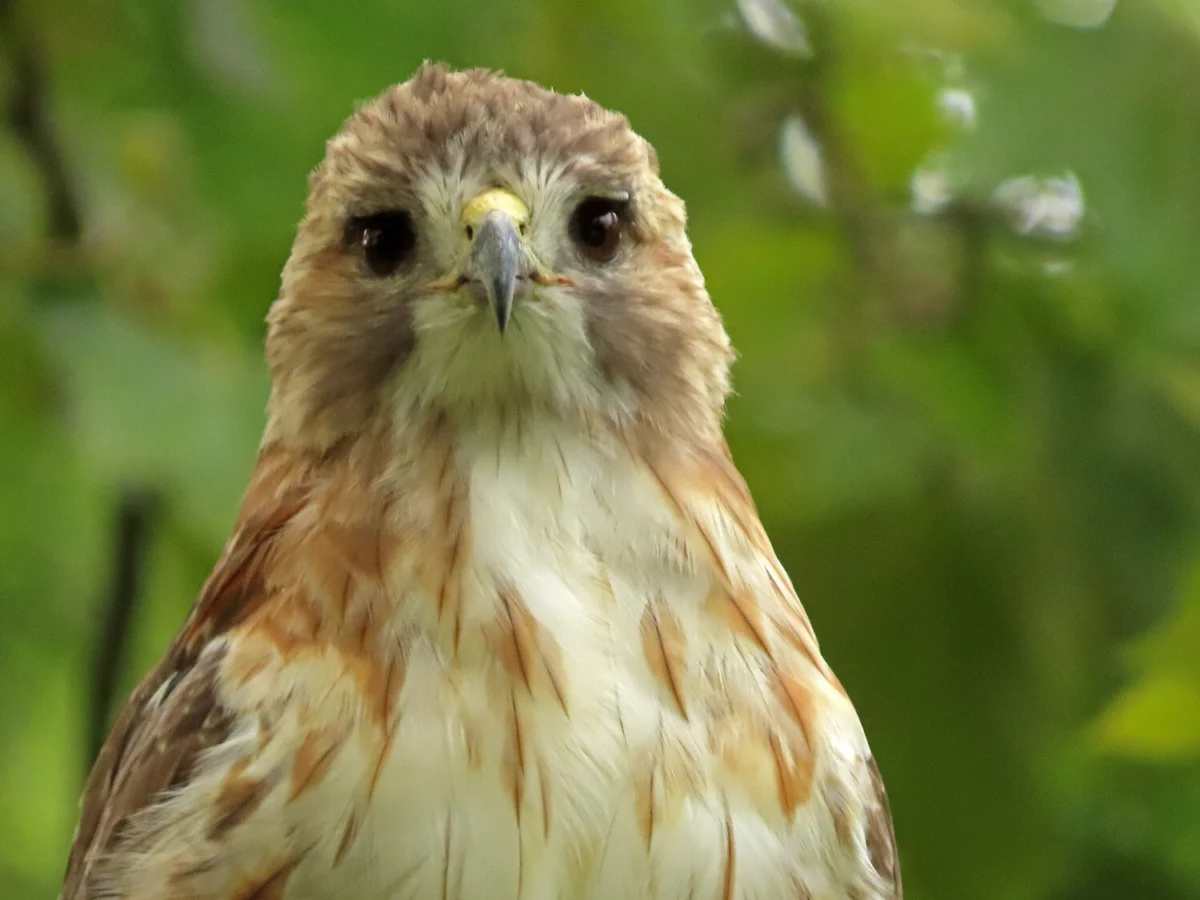
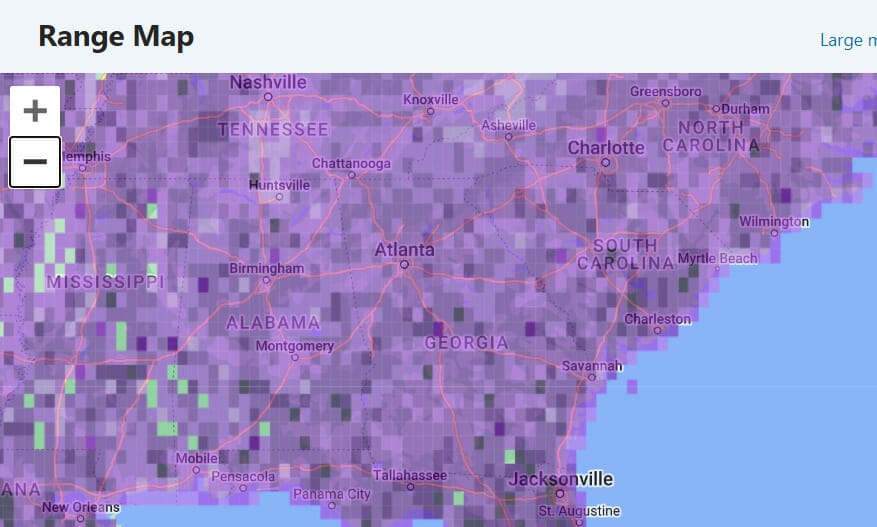
The state of Georgia, known as the Peach State, offers a diverse landscape ranging from the expansive barrier islands and tidal estuaries along its 100-mile Atlantic coastline to the rugged elevations of the Blue Ridge Mountains in the northeast and the Appalachian Plateau in the northwest. This geographic complexity creates a sanctuary for a wide variety of avian life, including an impressive array of raptors. For bird enthusiasts and amateur naturalists, distinguishing between the various species of hawks found within these borders can be a complex task, often complicated by taxonomic classifications that seem to shift between common parlance and scientific nomenclature. While eBird rankings currently place Georgia at 32nd among U.S. states for bird species diversity—with 438 species recorded—the raptor population remains a focal point for conservationists and birders alike. Understanding the nuances of the Accipitridae family is essential for anyone hoping to accurately identify the hawks that thrive in Georgia’s unique ecosystems.

Taxonomic Classification: Sorting the Hawks from the Kites and Eagles
To properly categorize these birds of prey, one must navigate the hierarchy of the order Accipitriformes. This order encompasses most diurnal birds of prey. Within this order, the family Accipitridae represents the primary group containing hawks, eagles, and kites. The subfamily Accipitrinae further narrows the field to what are colloquially termed "true hawks."
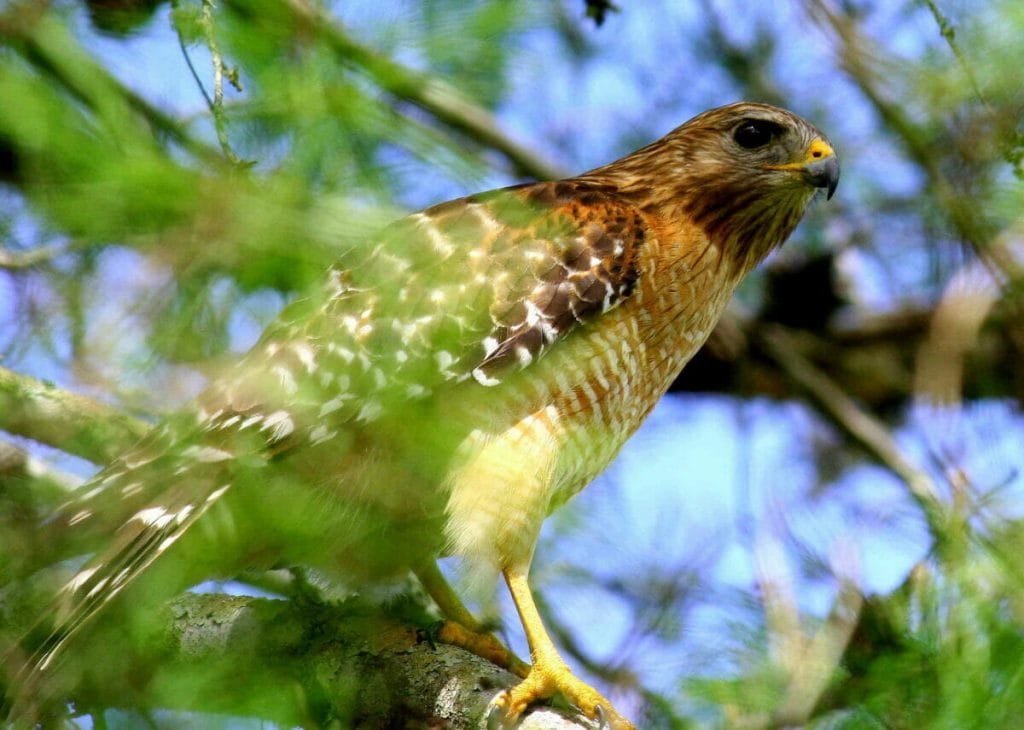
The confusion often arises when including the Buteo genus. While Buteo hawks are not technically "true hawks" under strict biological classification, they are universally recognized as such in common terminology. For the purposes of field identification and general ecological study in Georgia, it is necessary to consider both the Accipiter genus (the true hawks) and the Buteo genus to provide a complete picture of the state’s raptor population. When observing these birds, one must distinguish between the swift, agile flight of an Accipiter, which is adapted for navigating dense forest canopies, and the soaring, broad-winged profile of a Buteo, which is designed for thermals and open-country hunting.
Profiles of Georgia’s Primary Raptor Species
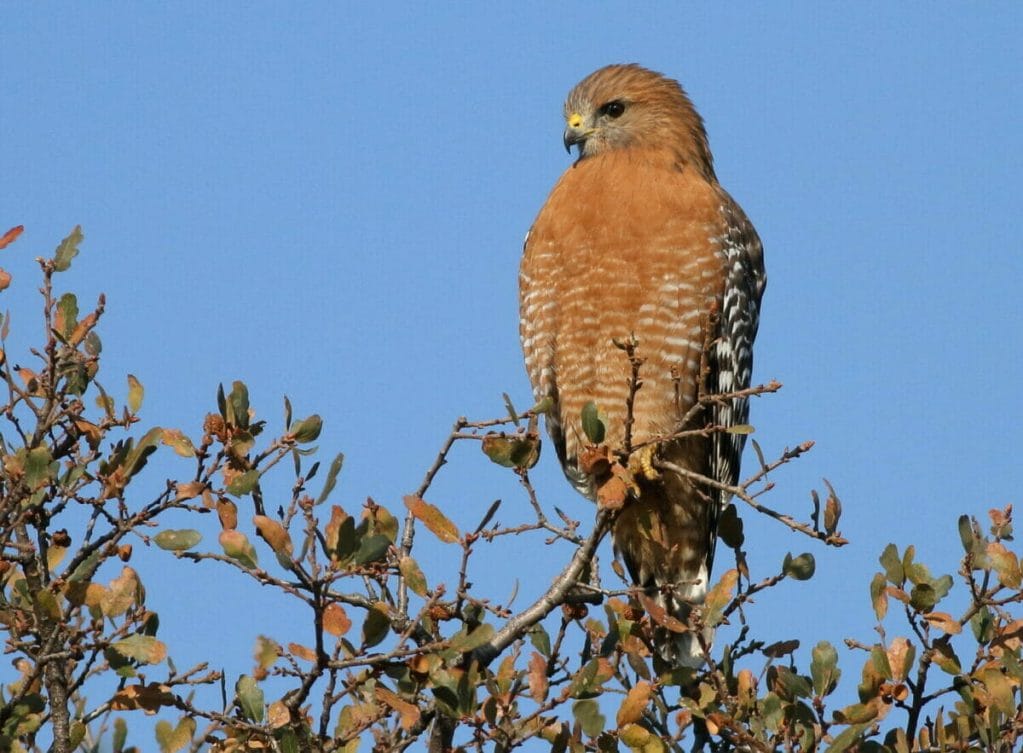
The Red-shouldered Hawk (Buteo lineatus) is a quintessential resident of Georgia’s woodlands. These birds are identified by their striking rufous coloration on the breast and shoulders, contrasted by the black-and-white checkerboard patterns on their wings and tail. Measuring between 16.9 and 24 inches in length with a wingspan reaching up to 43.7 inches, they are a formidable presence in the forest. Ornithologists note that their preference for riparian areas and swampy forests, such as the Okefenokee, is vital to their hunting success, as they primarily target small mammals, amphibians, and reptiles.
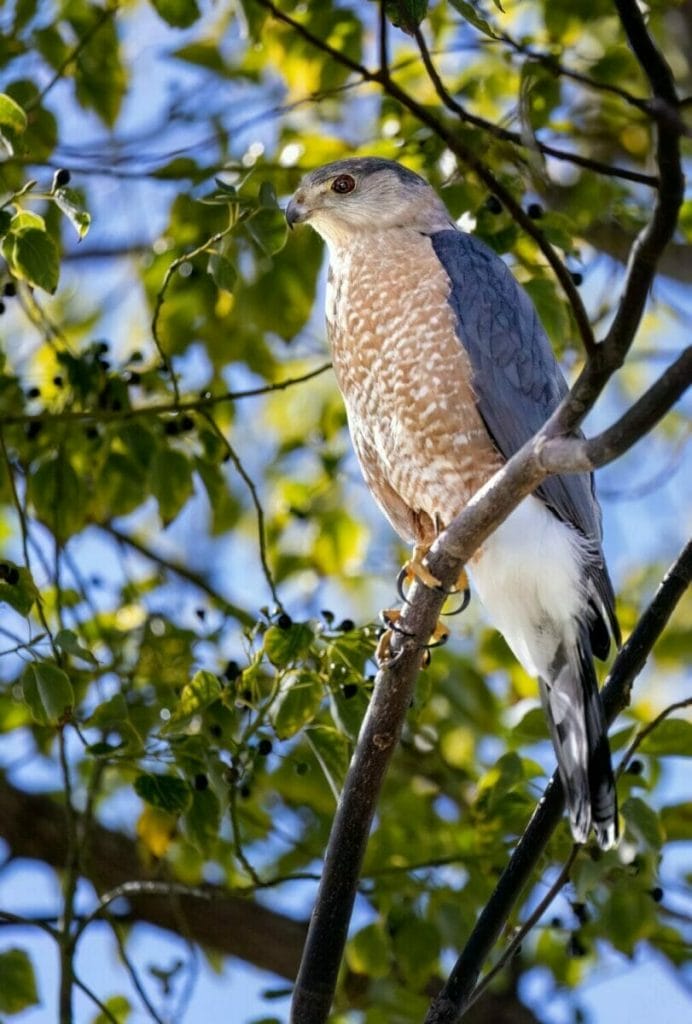
In contrast, the Cooper’s Hawk (Accipiter cooperii) exemplifies the stealth and precision of the Accipiter family. With a wingspan of 24.4 to 35.4 inches, this bird possesses a distinctively dark gray back and an orange-barred chest. Unlike the soaring Buteos, the Cooper’s Hawk utilizes the dense canopy to ambush avian prey. Their hunting strategy involves high-speed maneuvers through thick branches, a testament to their evolved anatomy. In Georgia, these birds are year-round residents, though they are often more difficult to spot due to their secretive nature within the upper canopy.
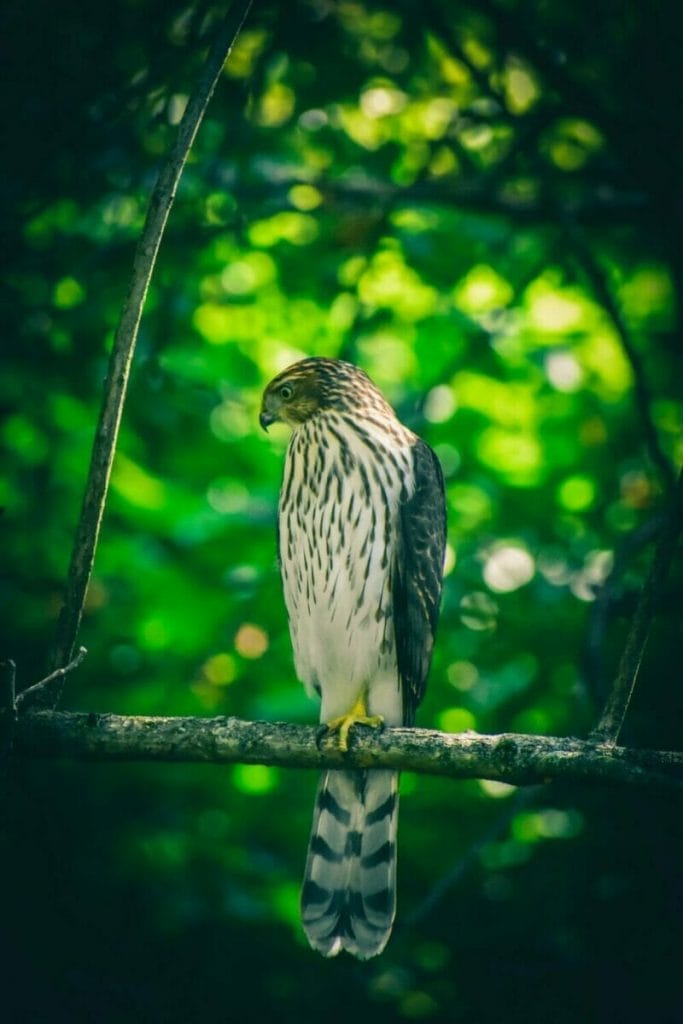
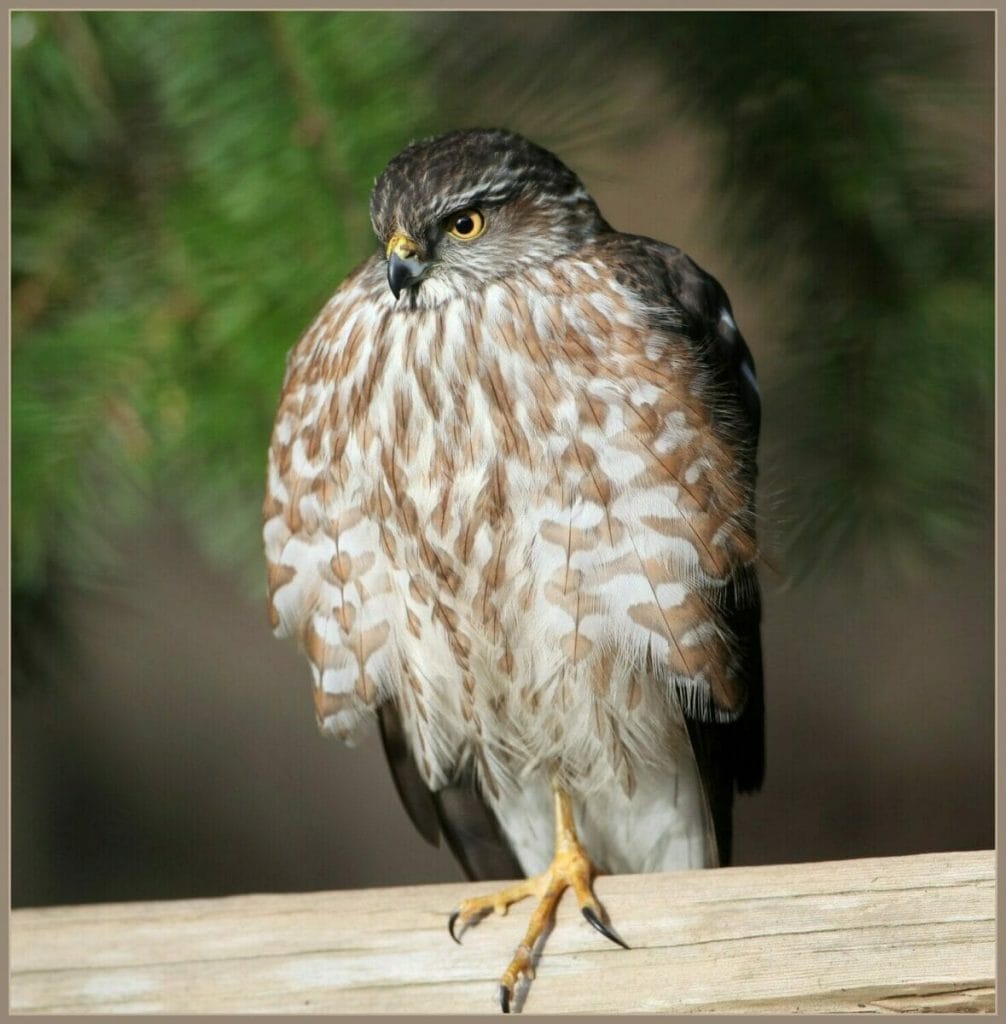
The Sharp-shinned Hawk (Accipiter striatus), the smallest of the North American accipiters, serves as a study in avian adaptation. Often confused with the larger Cooper’s Hawk, the Sharp-shinned can be identified by its smaller stature—weighing as little as 3.1 ounces—and its more delicate, square-tipped tail. These birds are primarily migratory, utilizing Georgia as a vital wintering ground. They are known for their high-energy hunting style, which frequently involves plucking the feathers of songbirds before consuming them, a behavior that highlights their role in controlling local avian populations.
The Buteo Group: Soaring Predators
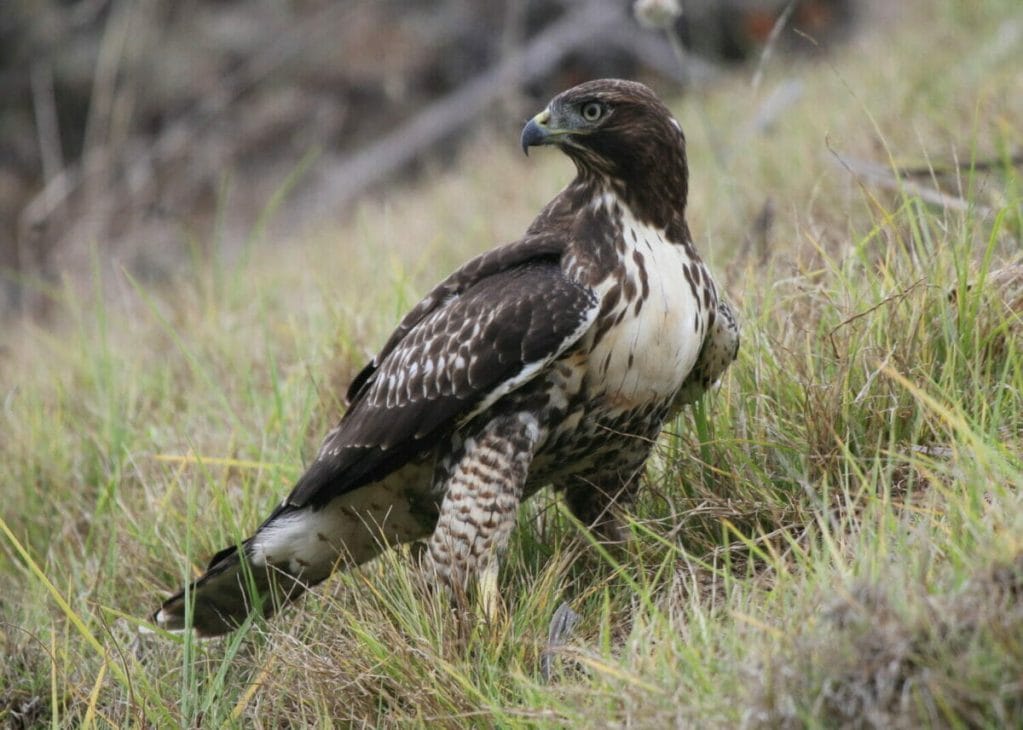
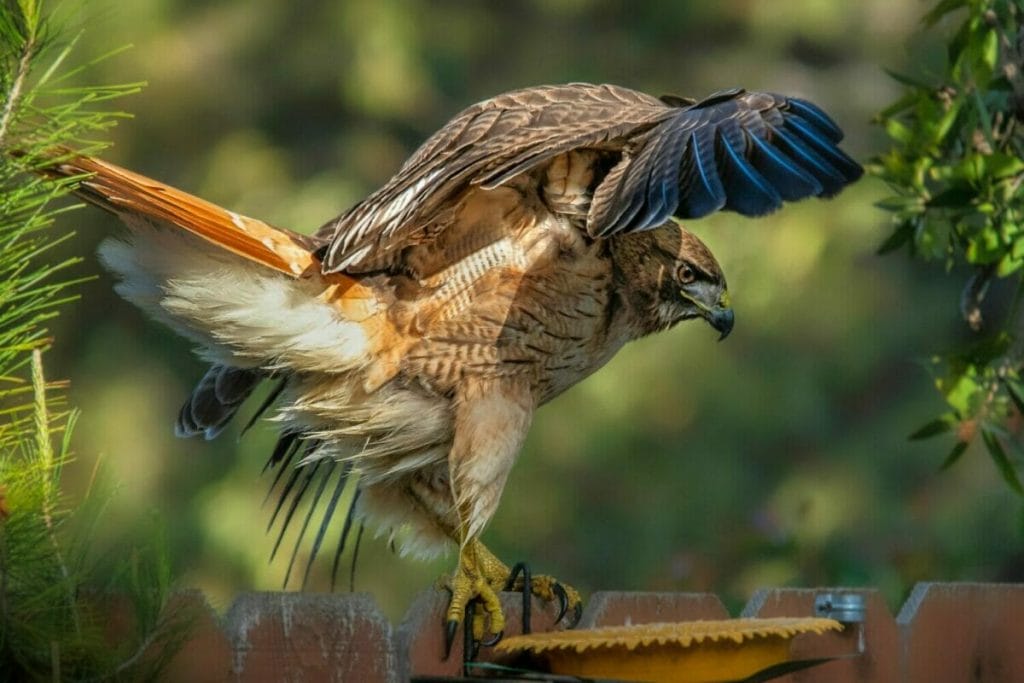
The Red-tailed Hawk (Buteo jamaicensis) stands as perhaps the most recognizable raptor in North America. Widely distributed across Georgia, this species is characterized by its broad, rounded wings and, in adults, the iconic brick-red tail. Measuring up to 25.6 inches in length, these hawks are the dominant raptors in open fields and along highway corridors, where they are frequently seen perched on utility poles. Their vocalizations—a raspy, descending scream—are so iconic that they are frequently used in cinematic sound design to represent the "wild" sound of raptors.
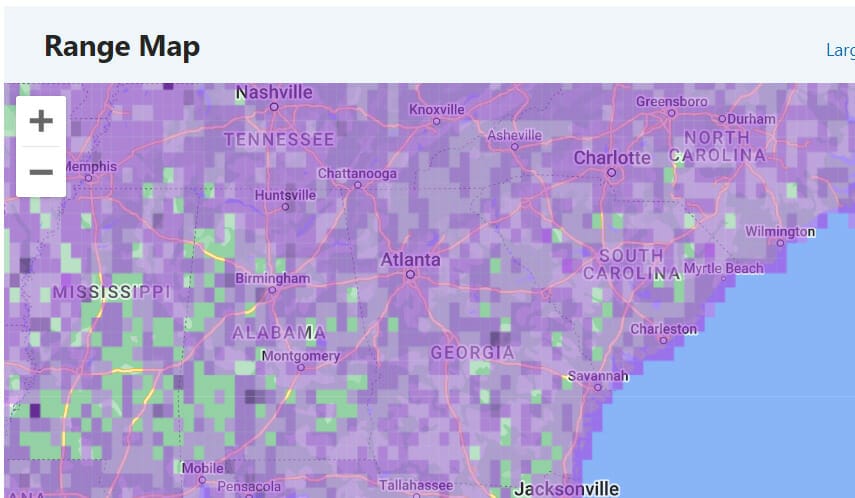
The Broad-winged Hawk (Buteo platypterus) is a seasonal visitor that arrives in Georgia for the breeding season. These hawks are smaller than the Red-tailed, measuring between 13.4 and 17.3 inches. They are best observed during their migration, when they gather in massive flocks known as "kettles." During these events, hundreds or even thousands of birds utilize rising thermal columns to gain altitude, creating a spectacular display of communal migration before they depart for Central and South America.
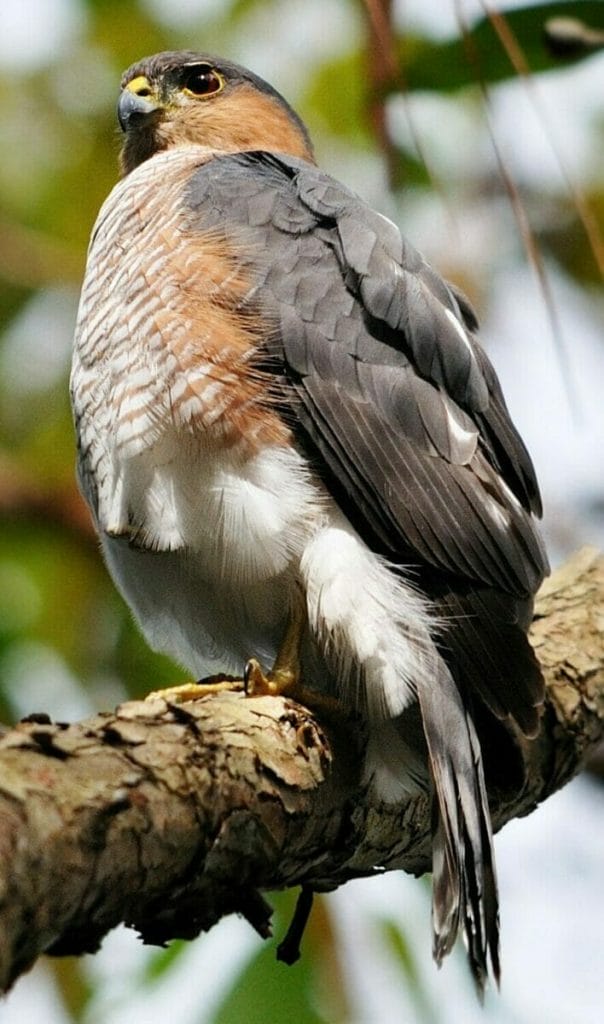
The Short-tailed Hawk (Buteo brachyurus) represents a rare, occasional visitor to Georgia. While they have an established, stable population in southern Florida, sightings in Georgia remain infrequent, with fewer than 15 confirmed reports documented in the eBird database. Their presence in the state typically involves the dark morph, which is almost entirely black, making them distinct from the more common, lighter-colored Buteos found in the region.
The Northern Goshawk and the Northern Harrier
The Northern Goshawk (Accipiter gentilis) is a rarity in the Georgia landscape, as the state sits at the extreme southern edge of their range. With only three recorded sightings, they remain an elusive subject for local birders. These birds are distinguished by their intense red eyes and a white supercilium, or eyebrow, which gives them a fierce, piercing expression. Their nesting behavior is particularly complex, as they often maintain up to eight different nest sites within their territory, rotating usage based on the historical success of the location.
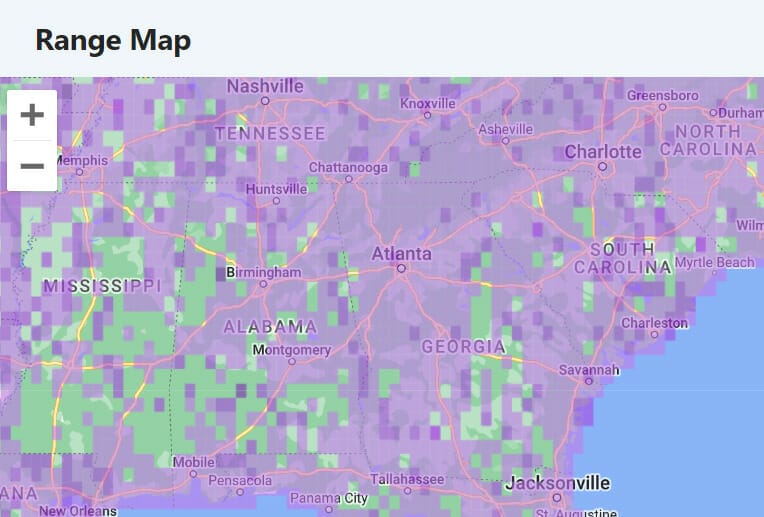
Finally, the Northern Harrier (Circus hudsonius) provides a unique contrast to the other hawks of Georgia. Often called the "marsh hawk," this species is frequently seen gliding low over grasslands and salt marshes. They are easily identified in flight by a distinct white patch on the rump. Unlike many hawks, they rely heavily on their hearing to locate prey, possessing a facial disk similar to an owl’s that funnels sound. As they are present in Georgia primarily during the non-breeding season, they are a hallmark of the state’s winter landscape.
Broader Ecological Implications and Conservation
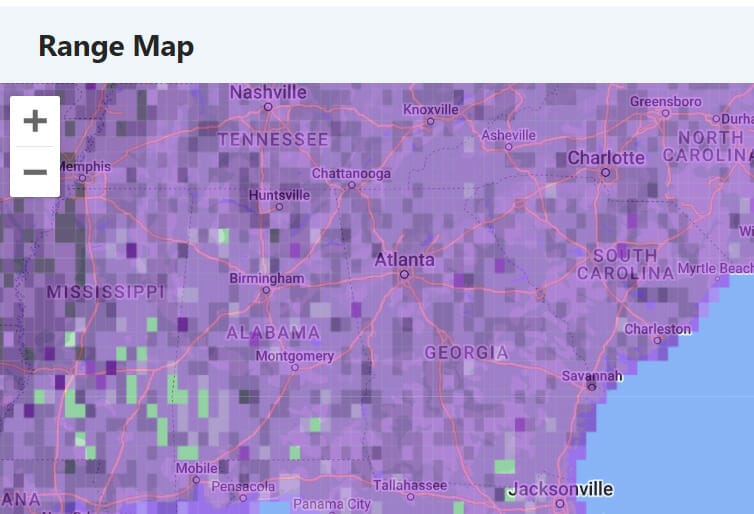
The presence and health of these hawk populations are critical indicators of the environmental integrity of Georgia. As apex predators, these birds serve as a "canary in the coal mine" for the ecosystems they inhabit. Their reliance on specific habitats—from the dense, undisturbed forests required by the Cooper’s Hawk to the open grasslands favored by the Northern Harrier—means that land-use policies and habitat fragmentation have direct consequences for their survival.
Data from the past decade suggests that while common species like the Red-tailed Hawk have remained stable, the specialized needs of species like the Broad-winged Hawk require ongoing conservation efforts. The maintenance of corridors between protected areas, such as the Okefenokee and the state’s various wildlife management areas, is essential. Furthermore, the role of these raptors in natural pest control cannot be overstated; their consumption of rodents and small mammals helps maintain the balance of local agricultural and forested lands.
Conclusion and Future Outlook
Georgia’s raptor population is a vibrant and essential component of the state’s natural heritage. With eight distinct species of hawks—comprising four Buteos, three Accipiters, and one Harrier—the state provides a rich environment for observation and research. Beyond these eight, the presence of eagles and falcons rounds out a robust community of birds of prey that continues to fascinate both the professional ornithologist and the casual observer.

As urban development continues to expand, the challenge for wildlife officials and environmental groups will be to ensure that the necessary nesting and hunting grounds for these species are preserved. The historical data provided by citizen science platforms like eBird has been instrumental in tracking the distribution and population shifts of these raptors, providing a clearer picture than ever before of how Georgia’s hawk populations are adapting to a changing climate and landscape. Whether one is watching a Red-tailed Hawk soar over a suburban field or hoping to spot the rare Northern Goshawk in the northern mountains, the study of Georgia’s hawks offers a profound window into the health and complexity of the American South’s wild spaces. For those interested in further inquiry, the clear distinction between hawks and falcons—noted by the presence of a tomial tooth or "notch" on the falcon’s bill—remains a fundamental skill for any aspiring bird watcher navigating the skies of the Peach State.

