


The integration of an avian companion into a domestic environment requires meticulous preparation, extending far beyond the acquisition of cages, perches, and specialized toys. Parrots are characterized by high levels of intelligence, relentless curiosity, and an innate drive to explore their surroundings using their highly sensitive beaks. Because domestic residences are engineered for human convenience rather than avian safety, unchecked freedom within a household frequently exposes pet birds to severe, life-threatening hazards. Avian veterinarians and animal welfare organizations emphasize that proactive environment modification—commonly referred to as parrot-proofing—is an absolute prerequisite for responsible pet ownership. Below is an exhaustive safety framework designed to mitigate everyday domestic risks, safeguard delicate physiological systems, and establish a secure living space for newly adopted birds.
Electrical Infrastructure and the Mitigation of Chewing Hazards
In the wild, psittacine species utilize their powerful beaks to hollow out trees, construct and maintain nests, and forage for food. This biological imperative translates directly into a domestic setting as an unyielding compulsion to chew. While gnawing on picture frames or baseboards creates aesthetic damage, interaction with electrical cords and active wall outlets poses immediate, fatal hazards, including severe electrocution, thermal burns, and electrical fires.
Veterinary behavioral specialists advise that all electrical wiring accessible to a free-roaming parrot must be completely concealed or enclosed within protective housing, such as heavy-duty PVC piping or rigid cable management sleeves. Furthermore, households must inspect cords routinely for wear and tear, as exposed copper wiring attracts curious birds. Even if a bird survives an initial electric shock, the resulting trauma often triggers long-term neurological and cardiovascular complications. Establishing strict boundaries regarding where a parrot may forage is foundational to preventing household accidents.
Atmospheric Vulnerabilities: Air Quality and Toxic Fumes
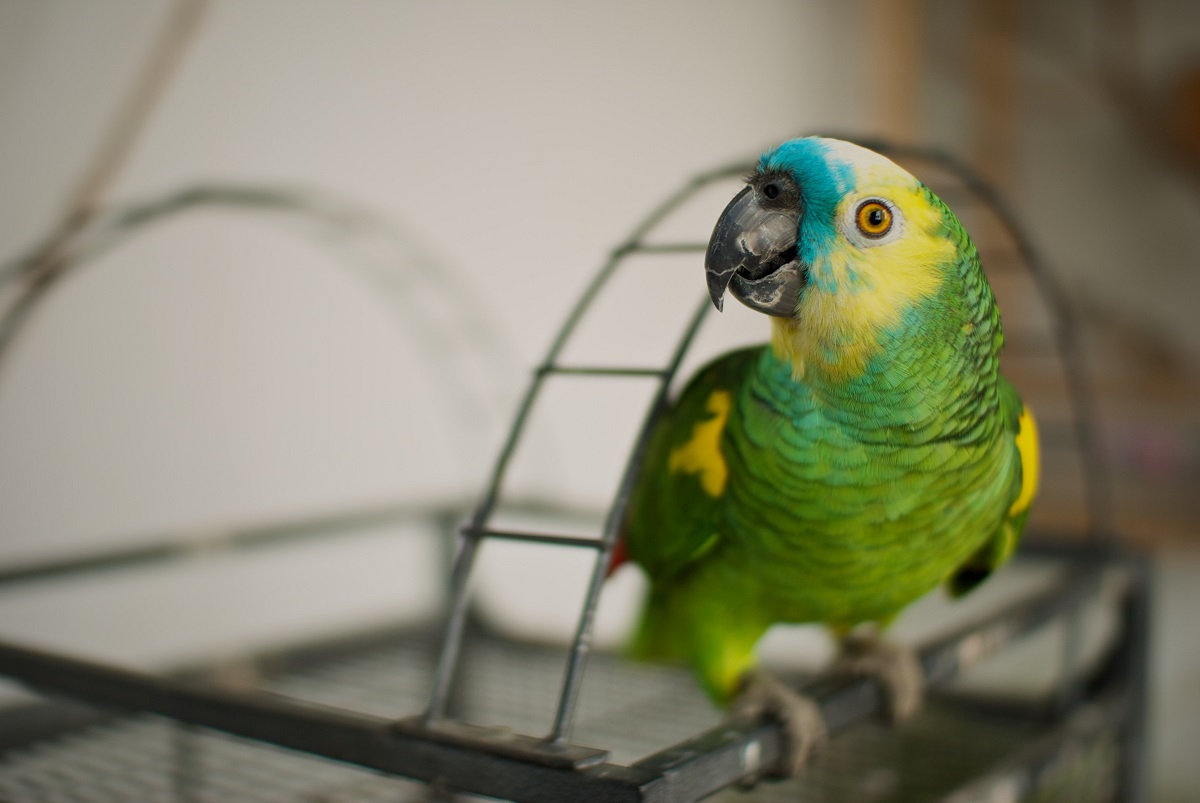
The avian respiratory system is exceptionally specialized and efficient, designed to extract high volumes of oxygen necessary for flight. However, this physiological adaptation renders parrots uniquely susceptible to airborne toxins, smoke, and volatile organic compounds. Unlike mammalian pets, birds possess air sacs that span their entire body cavity, making them acutely sensitive to minimal concentrations of airborne pollutants. Historically recognized through the cautionary use of canaries in coal mines, modern domestic birds are similarly endangered by poor indoor air quality.
A comprehensive household safety audit must eliminate all potential sources of harmful fumes. Non-stick cookware coated with polytetrafluoroethylene (PTFE) or PFOA—commonly known as Teflon—releases deadly, odorless gases when overheated, which can induce rapid asphyxiation and death in caged birds within minutes. Additionally, aerosol sprays, scented candles, chemical household cleaners, air fresheners, tobacco smoke, and the heavy particulate matter from burned food or regional wildfires pose extreme threats to avian health. Experts strongly recommend the installation of interconnected carbon monoxide and smoke detectors, alongside the complete ban of aerosolized products and non-stick pans in homes housing psittacine species.
Prevention of Accidental Ingestion and Toxicity
Driven by an exploratory nature, parrots investigate virtually every novel object they encounter by tasting and nibbling. Consequently, the domestic environment must be rigorously scoured for toxic substances, hazardous houseplants, and small items capable of causing gastrointestinal obstruction or systemic poisoning. Common household hazards include prescription medications, illicit substances, alcoholic beverages, and certain cosmetics.
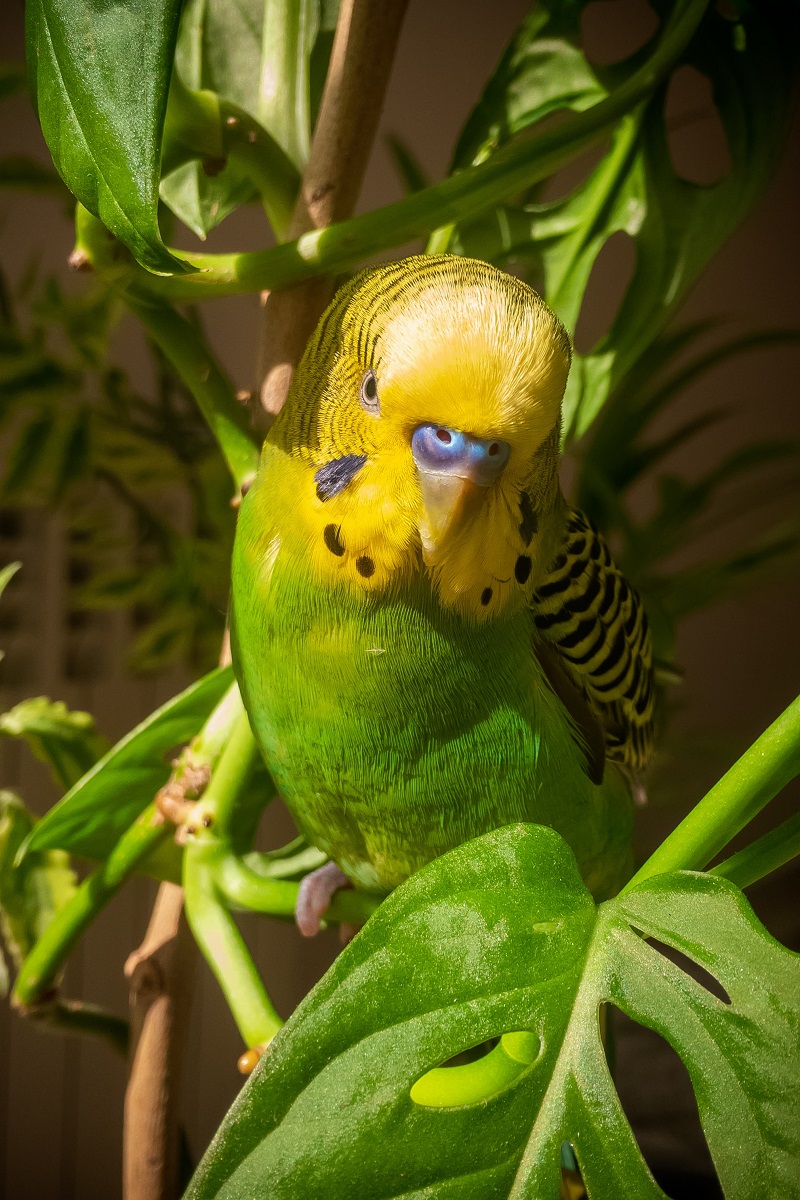
Nutritional toxicity is another critical concern; foods frequently consumed by humans—such as chocolate, avocado, caffeine, and items containing high levels of sodium or xylitol—are lethal to birds. Furthermore, owners must monitor botanical displays. While numerous plant varieties are safe, many popular indoor plants, including certain species of philodendrons, lilies, and dieffenbachia, are highly toxic. Heavy metal poisoning represents another insidious danger, arising from the ingestion of zinc, lead, or copper found in older cages, imported metal hardware, bells, and decorative costume jewelry. Routine veterinary toxicology panels underscore the importance of maintaining an impeccably sterile free-roaming zone.
Structural Hazards: Doors, Windows, and Reflective Surfaces
Avian escape is one of the most frequent causes of injury, trauma, or permanent loss among pet birds. Because domestic parrots lack the survival instincts required for urban or suburban environments, an unmonitored exit through an open door or window is frequently fatal due to starvation, predation, or collisions with vehicles. To combat this, animal behaviorists advocate for redundant safety measures, including the installation of heavy-duty window screens, double-door entry systems, and prominent visual reminders placed on exterior exits to alert visiting guests.
In addition to exterior escapes, interior architectural features present distinct physical threats. Mirrors and large glass windows frequently disorient flying birds, resulting in high-speed impacts that cause severe concussions, broken keels, or fatal neck trauma. Applying non-reflective decals or drawing sheer curtains across large glass panels effectively prevents these collisions. Furthermore, keeping interior doors closed prevents birds from landing on top of doors where they risk being crushed by sudden movements, which can cause amputations, crushed toes, or permanent feather-follicle damage.
Cage Integrity and Toy Safety Standards
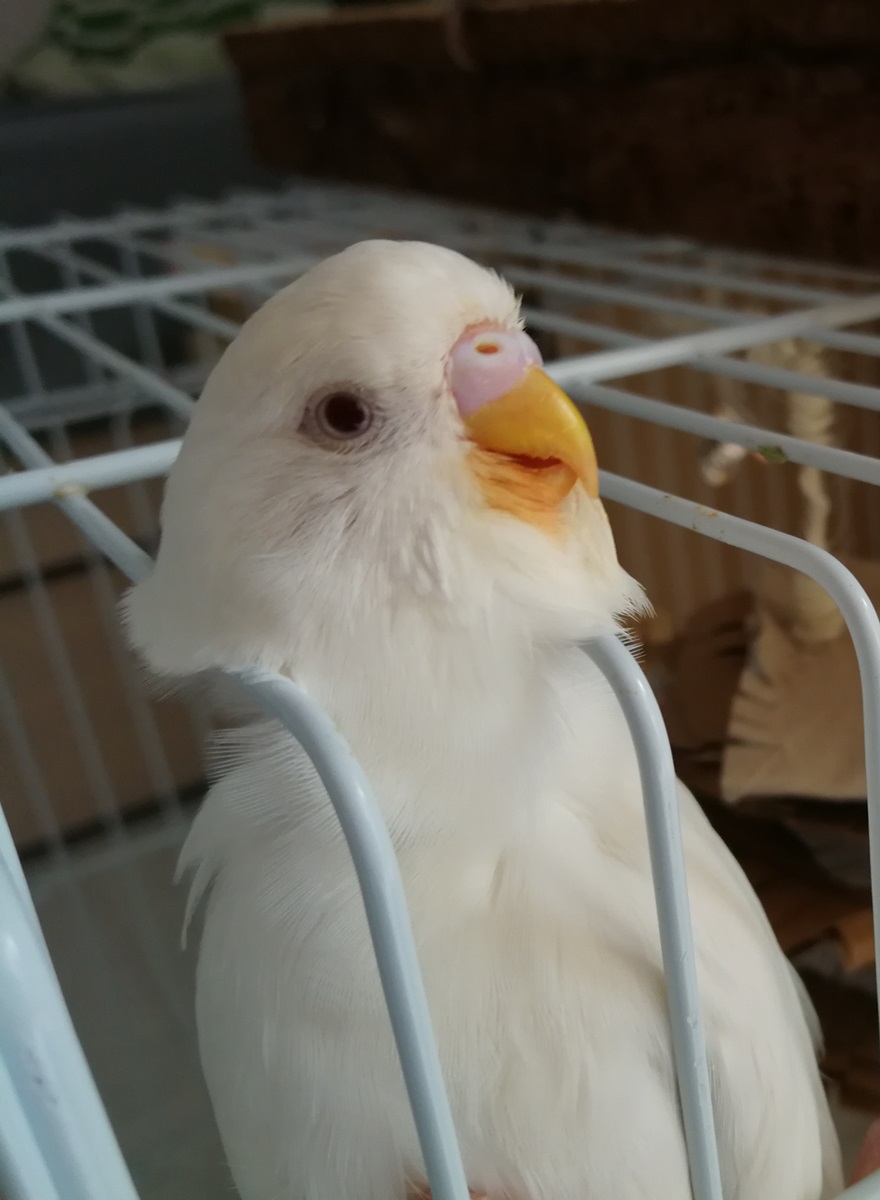
The primary enclosure serves as a parrot’s sanctuary, yet the cage itself can harbor unexpected hazards if not carefully selected and maintained. Cage construction must feature appropriate bar spacing tailored to the specific species; excessive gaps allow clever birds to insert their heads, leading to asphyxiation or panic-induced skeletal trauma. Regular structural audits are vital to detect corrosion, flaking paint, or structural weakness resulting from aggressive chewing.
Toys, while essential for mental stimulation, require rigorous vetting. Studies published in veterinary medical journals have documented numerous cases of heavy metal toxicosis and physical entrapment caused by poorly manufactured avian toys. Sharp edges, improperly secured hardware, toxic dyes, and looped cotton ropes can entangle limbs or be ingested, leading to fatal bowel obstructions. Owners are advised to inspect toys daily, discarding frayed or damaged items and prioritizing products constructed from untreated, non-toxic wood, stainless steel, or vegetable-tanned leather.
Management of Furniture, Nooks, and Enclosed Spaces
Domestic furniture inadvertently mimics the natural hollow-tree cavities that wild parrots seek out for nesting and brooding. When hormonal or nesting behaviors are triggered, captive birds demonstrate an obsessive drive to locate dark, enclosed spaces, such as the areas beneath sofas, inside open cabinets, behind bookshelves, or within desk drawers.
Allowing unchecked access to these micro-environments exposes birds to crushing injuries from shifting furniture, entrapment, and accidental ingestion of hidden debris. Owners must systematically block off all nooks, crevices, and dark recesses in rooms where the bird is permitted to exercise. Restricting access to these areas also helps curb hormonal aggression and territorial behaviors associated with nesting impulses.
Elimination of Drowning Risks and Open Water Sources
Due to their inquisitive disposition, parrots frequently accompany owners into bathrooms and kitchens, where they run the risk of encountering open bodies of water. Avian rescue organizations report numerous fatalities resulting from birds falling headfirst into uncovered toilets, bathtubs filled with water, deep sinks, and open aquariums.
The physiological density of a wet plumage often prevents a submerged bird from regaining flight, leading rapidly to exhaustion and drowning. Consequently, all toilet lids must be kept strictly closed, aquariums must feature secure, weighted hoods, and standing water in vases, buckets, or bathing basins must never be left unattended within an accessible radius.
Managing Multi-Pet Households and Inter-Species Dynamics
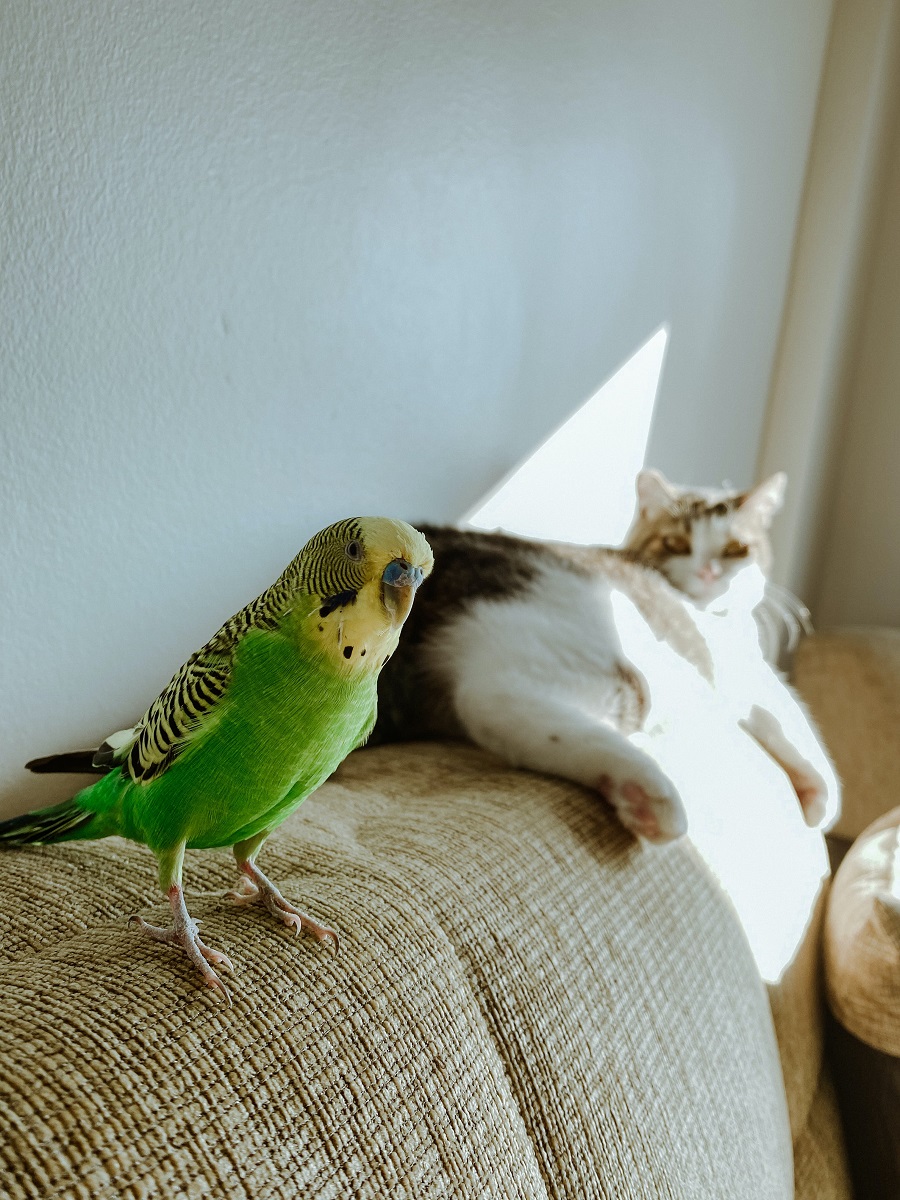
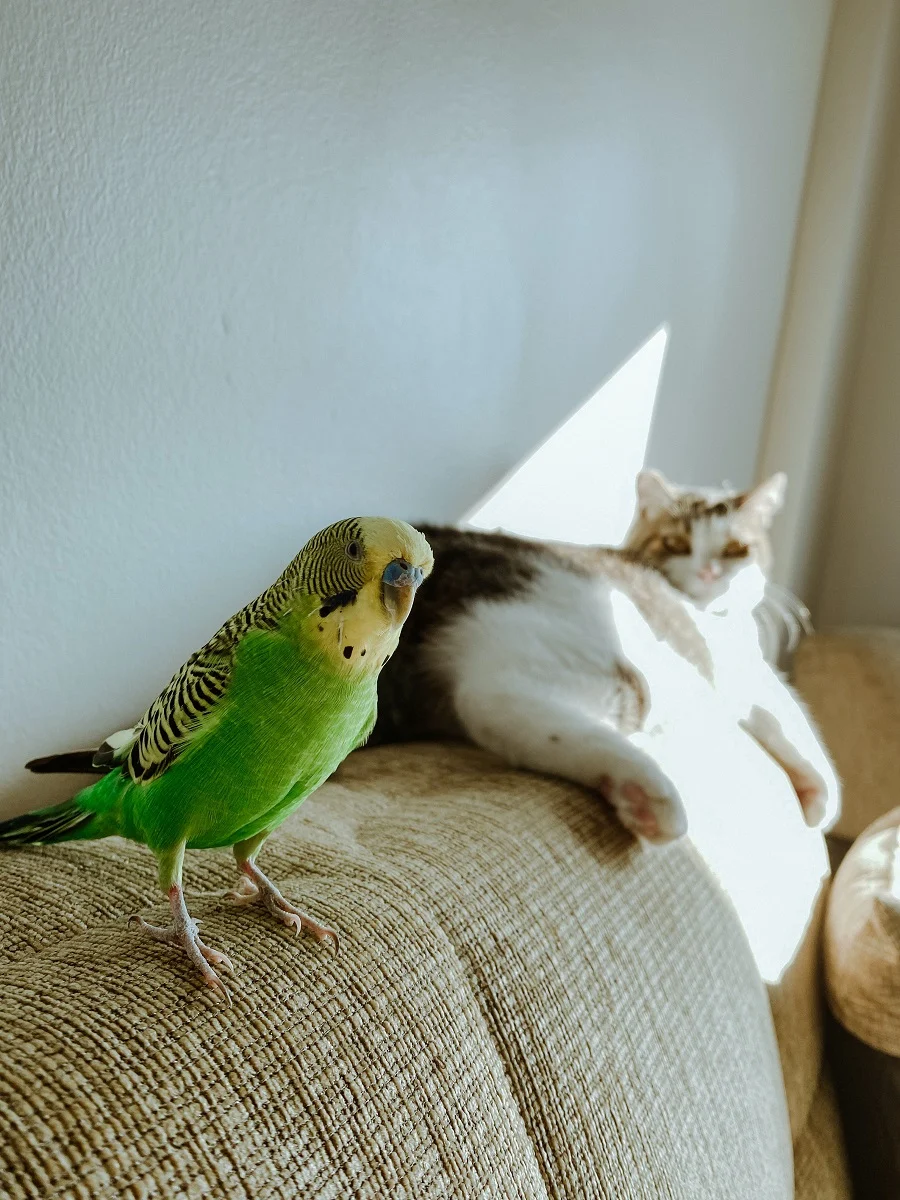
One of the most persistent and dangerous misconceptions in avian husbandry is the assumption that domestic predators—such as dogs, cats, ferrets, or large reptiles—can be reliably trained to coexist peacefully with a free-roaming parrot. Even the most docile canine or well-socialized feline retains predatory instincts that can be triggered instantly by a sudden flutter, an erratic noise, or territorial proximity.
Veterinary trauma statistics indicate that even minor physical contact, such as a playful paw swipe or accidental scratch from a cat or dog, can introduce lethal bacteria (such as Pasteurella) into an avian bloodstream, causing fatal septicemia within hours. Furthermore, the sheer physical disparity between domestic mammals and fragile birds means that accidental crushing or biting during play can result in catastrophic injuries. Animal welfare advocates universally mandate absolute physical separation between parrots and other household pets, ensuring that interactions occur only within secure, impenetrable enclosures or under strict, highly controlled supervision.
Emergency Preparedness and Veterinary Resources
Despite rigorous environmental modification, unexpected accidents can occur within any domestic setting. Responsible avian stewardship requires advance preparation for medical emergencies. Owners must identify and store the contact information for a certified avian veterinarian or a 24-hour emergency animal hospital specializing in exotic species. Additionally, basic avian first aid—such as managing minor feather bleeding with styptic powder and recognizing the signs of shock, respiratory distress, or toxicity—should be understood by all members of the household. Establishing a proactive safety protocol ensures that newly acquired parrots can thrive safely within a domesticated environment for decades to come.

