



The transition period following the adoption of pet rats is a critical phase that establishes the foundation for long-term behavioral health and human-animal bonding. Whether you are a first-time owner or an experienced enthusiast, the immediate environment and the methodology of initial handling significantly influence how quickly these intelligent rodents acclimate to a domestic setting. Scientific studies in behavioral biology indicate that rats—highly social, crepuscular, and intelligent animals—require a structured approach to transition into a new living space to mitigate stress-induced immunosuppression and behavioral inhibition.
The Science of Initial Acclimation
When a rat is moved from a familiar environment to a new home, they experience a physiological stress response characterized by elevated cortisol levels. This can lead to decreased appetite, increased hiding, and, in some cases, the development of mycoplasmosis, a common respiratory infection in rats that often remains latent until triggered by environmental stress.

Upon arriving at their new residence, the primary objective for the owner should be to create a "safe harbor." Research suggests that providing a multi-level cage setup, equipped with adequate hiding spots such as hammocks, igloos, or tunnels, allows the rats to exert control over their surroundings. This sense of agency is vital for the animal’s psychological well-being. Owners are advised to avoid forced handling during the first few hours. Instead, passive interaction—sitting quietly near the cage, speaking in a calm voice, and offering high-value treats—facilitates the development of positive associations with the human presence.
Chronology of the First 72 Hours
The first three days are pivotal. During the initial arrival, the primary focus is the "Cage Introduction." Owners should avoid the temptation to let their new pets roam the entire house immediately. The cage serves as their primary territory; it must be fully established with bedding, food, water, and enrichment items before the rats are introduced.
- Hours 0–4: Allow the rats to explore their cage in isolation. Minimize loud noises and sudden movements in the room.
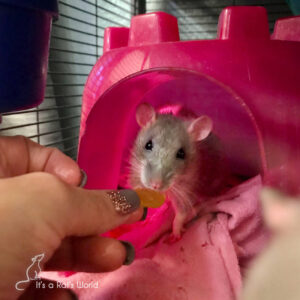
- Hours 4–24: Begin "passive bonding." Place your hand inside the cage without attempting to pick the rats up. Allow them to investigate your scent. If they appear comfortable, offer treats from your palm to establish a positive reinforcement loop.
- Days 2–3: Once the rats appear to be eating, drinking, and moving confidently within the enclosure, short, supervised out-of-cage sessions can commence. These sessions should be held in a contained, rat-proofed area where the owner can sit at floor level, allowing the rats to approach at their own pace.
Nutritional and Hygienic Requirements
A stable routine is the hallmark of responsible rodent husbandry. Rats possess high metabolic rates, requiring consistent access to a nutritionally balanced diet. Experts recommend splitting the daily caloric intake into two main feedings, typically morning and evening, to coincide with the animals’ natural activity peaks. This practice prevents food spoilage and allows the owner to monitor the animals’ appetite—a primary indicator of health.
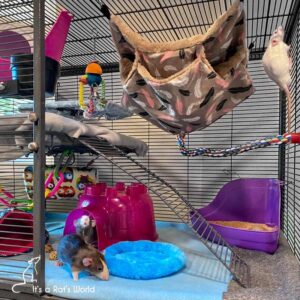
Environmental hygiene is equally critical. Ammonia buildup from urine, particularly in males, can cause significant respiratory irritation. A rigorous cleaning schedule is non-negotiable. A "spot cleaning" approach—removing soiled bedding and cleaning high-traffic areas daily—should be supplemented by a full cage scrub at least once a week. According to veterinary guidelines, the use of non-toxic, pet-safe disinfectants is essential to maintain a sanitary habitat without exposing the animals to harsh chemical fumes, which can be particularly damaging to their sensitive olfactory systems.
Addressing Behavioral Myths and Reality
A common misconception among new owners involves the interpretation of "nipping." While rats are generally docile, they may occasionally nip at fingers or toes. In many cases, this is not an act of aggression but a tactile exploration. Because rats have relatively poor distance vision, they may rely on their mouths to investigate textures—such as socks or fabric—that smell like their owner.
Conversely, biting as an act of fear is distinct from exploratory nipping. Fear-based biting usually occurs when a rat feels trapped or threatened. To prevent this, owners should prioritize "trust-building" over "dominance." If a rat exhibits signs of fear, such as "bruxing" (grinding teeth, which can indicate stress or contentment depending on the context), freezing, or bolting, the owner should immediately step back to allow the animal to decompress. Consistent daily interaction is the only proven method to desensitize a skittish animal.
Veterinary Considerations and Long-Term Health
The decision to adopt from a reputable rescue versus a commercial pet store often dictates the immediate veterinary needs of the animals. Rescues typically perform health screenings and provide initial vaccinations or parasite treatments. Conversely, animals from commercial sources may have unknown medical histories and are at a higher risk of harboring sub-clinical illnesses.
Owners should be prepared for the reality of veterinary costs. Rats are prone to specific health issues, including mammary tumors, pituitary tumors, and chronic respiratory disease. Establishing a relationship with an exotic animal veterinarian within the first week of ownership is recommended. Proactive monitoring for symptoms—such as porphyrin discharge (red staining around the eyes and nose), lethargy, or labored breathing—can significantly improve prognosis if medical intervention is required.
Implications for the Human-Animal Bond
The long-term success of the relationship between owner and rat is contingent upon the effort invested during the first month. The "socialization window" is a well-documented concept in animal behavior; while it is most critical in juvenile animals, it remains relevant throughout the life of the rat. By providing a predictable, enriched, and secure environment, owners foster a sense of safety that allows the rat’s natural curiosity and affection to flourish.

The broader implication of responsible rat ownership is a shift in the public perception of these animals. Often maligned as pests, domesticated rats (Rattus norvegicus) are highly intelligent, empathetic creatures capable of forming deep, complex bonds with their human guardians. When treated with the same level of care and respect afforded to traditional "companion" animals, they demonstrate remarkable cognitive abilities, including problem-solving and social play.
In summary, the transition of bringing new rats home is a deliberate process. By adhering to a structure of patience, consistent hygiene, and proactive health management, new owners can ensure a successful integration. The journey from initial apprehension to a trusting, mutual bond is a testament to the rewards of ethical pet ownership and a deeper understanding of the needs of non-traditional companion species. Through informed care, owners not only improve the quality of life for their pets but also enrich their own experience as stewards of these unique and engaging animals.

