


The American Association of Veterinary State Boards (AAVSB) Registry of Approved Continuing Education (RACE) has officially certified a new webinar focused on the critical intersection of foraging behavior and ultraviolet light exposure in avian medicine. Led by Dr. M. Scott Echols, a specialist in avian practice, the program aims to provide veterinary professionals with evidence-based strategies to improve the quality of life for captive birds. The course, which offers one hour of continuing education credit, reflects a growing movement within the veterinary community to prioritize environmental enrichment as a clinical necessity rather than a supplementary practice.
The Scientific Imperative for Avian Enrichment
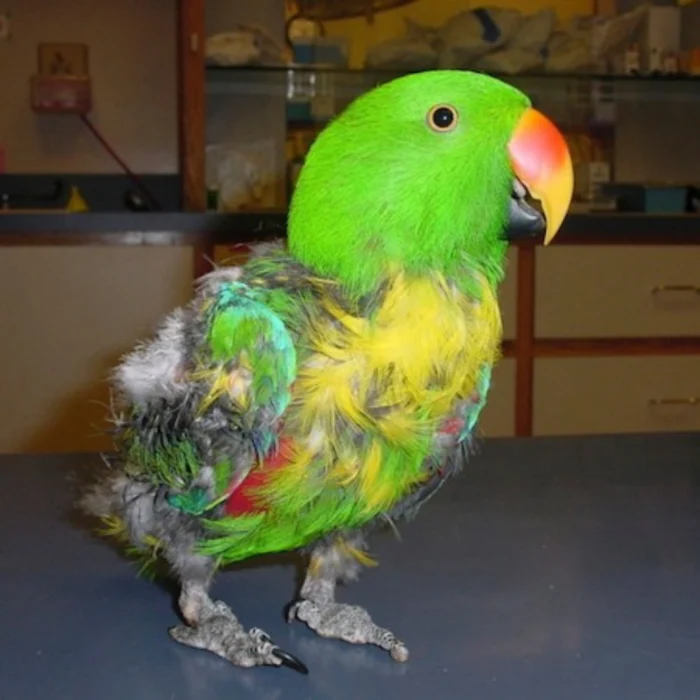
For captive birds, the transition from wild habitats to domestic environments often results in behavioral and physiological atrophy. In the wild, parrots and other psittacines spend between 50% and 80% of their waking hours foraging—an activity that keeps them mentally stimulated and physically conditioned. In contrast, captive birds fed from static bowls often experience boredom, which frequently manifests as feather destructive behavior, obesity, and stereotypies.
Dr. Echols’ curriculum emphasizes that foraging is not merely an activity but a biological requirement. The webinar explores the neurobiological rewards of food searching, explaining how mimicking natural foraging patterns can mitigate the chronic stress observed in avian patients. By integrating complex, unpredictable feeding challenges into the clinical and home environment, veterinarians can guide clients toward reducing the incidence of stress-induced illnesses.
The Role of Ultraviolet Radiation in Avian Physiology
A significant portion of the webinar is dedicated to the technical application of light, specifically ultraviolet B (UVB) radiation. The avian visual system is fundamentally different from that of mammals; birds possess tetrachromatic vision, allowing them to perceive light in the ultraviolet spectrum. This capability is essential for mate selection, food identification, and navigation.
Beyond vision, the biological synthesis of Vitamin D3 is contingent upon exposure to UVB light. In captive environments where birds are often kept indoors or behind glass—which filters out essential wavelengths—deficiencies in Vitamin D3 are common. These deficiencies lead to metabolic bone disease, poor egg-shell quality, and compromised immune systems. The AAVSB-approved program provides practitioners with the technical specifications required to safely implement artificial UVB lighting, including guidelines on lamp distance, intensity, and the necessity of regular replacement cycles to maintain efficacy.
Chronology and Program Development
The initiative to provide this specialized training follows years of advocacy by avian health professionals to standardize enrichment practices. The following timeline outlines the development of this educational standard:
- 2018–2020: Increased clinical reports correlate the lack of environmental enrichment with rising cases of self-mutilation and obesity in pet psittacines.
- 2022: Initial pilot studies on the efficacy of full-spectrum lighting and foraging puzzle devices are presented at major veterinary conferences.
- 2024: Development of the standardized webinar curriculum, designed to align with AAVSB RACE guidelines for clinical competency.
- March 18, 2026: Official announcement of the accredited program, marking a shift toward institutionalizing enrichment protocols in veterinary practice.
Technical Requirements for Certification
For veterinary professionals seeking credit, the program is rigorous. The AAVSB RACE accreditation ensures that the content meets strict peer-reviewed standards. Participants are required to engage with the educational material and complete a post-test assessment. The current protocol allows for three attempts to pass the examination, ensuring that the participant has thoroughly grasped the clinical applications of the discussed theories.
The integration of this program into the LafeberVet platform represents a strategic effort to bridge the gap between academic research and private practice. By providing a centralized, accessible resource, the program ensures that even practitioners in remote or specialized locations can implement high-standard avian care protocols.
Analysis of Implications for Veterinary Practice
The implications of this training extend beyond the individual bird. As public awareness of avian welfare grows, pet owners are increasingly demanding evidence-based advice from their veterinarians. By obtaining this certification, clinics can establish themselves as centers of excellence, capable of addressing the complex environmental needs of exotic pets.
Furthermore, the focus on preventative medicine—specifically through nutrition, foraging, and lighting—aligns with the broader veterinary trend of "low-stress handling" and behavioral medicine. Instead of treating the symptoms of captive stress, such as behavioral issues or nutritional imbalances, this curriculum encourages veterinarians to adopt a proactive, holistic approach.
The Broader Impact on Exotic Animal Medicine
The inclusion of avian-specific enrichment education under the AAVSB RACE umbrella signals a maturing field. Exotic animal medicine, once considered a niche or secondary specialization, is gaining parity with canine and feline medicine in terms of the rigor of continuing education.
"The goal is to move the needle from simple survival to thriving," noted industry observers familiar with the webinar’s development. By standardizing the knowledge base regarding UVB exposure and foraging techniques, the veterinary community is creating a more uniform standard of care. This is particularly vital in jurisdictions where the standards for exotic animal welfare are currently under legislative review.
Official Responses and Industry Outlook
The reception within the veterinary community has been largely positive. Organizations focused on exotic animal welfare have lauded the move, noting that education is the most effective tool for preventing the neglect that often stems from ignorance rather than malice.
The AAVSB RACE approval is a critical component of this success. Because many state veterinary boards require RACE-approved credits for license renewal, the accreditation provides a professional incentive for veterinarians who might otherwise prioritize general practice continuing education. By making avian enrichment a viable path to meeting licensure requirements, the industry ensures that more practitioners are exposed to these essential concepts.
Strategic Integration for Clinics
For clinics looking to implement these findings, the webinar serves as a baseline. The following areas represent the core focus for clinicians following the completion of the course:
- Patient Assessment: Identifying the gaps in a bird’s current environmental setup, specifically regarding light exposure and mental stimulation.
- Client Education: Translating complex physiological concepts into actionable, daily tasks for the pet owner.
- Risk Mitigation: Understanding the limitations of artificial lighting and the risks associated with improper placement or duration.
- Clinical Monitoring: Tracking patient progress through weight management, feather condition, and behavioral changes.
Conclusion
The release of the Foraging and Enrichment webinar by Dr. M. Scott Echols marks a significant milestone in avian veterinary medicine. By providing a structured, accredited pathway to understanding the biological necessities of captive birds, the veterinary community is better equipped to address the complex challenges of avian husbandry. As the standards of care continue to rise, the integration of behavioral enrichment and appropriate radiation therapy will likely become a cornerstone of standard practice, ultimately leading to improved health outcomes for the millions of birds kept in captivity worldwide. This program not only validates the importance of these practices but provides the framework for their widespread adoption across the veterinary profession.

