


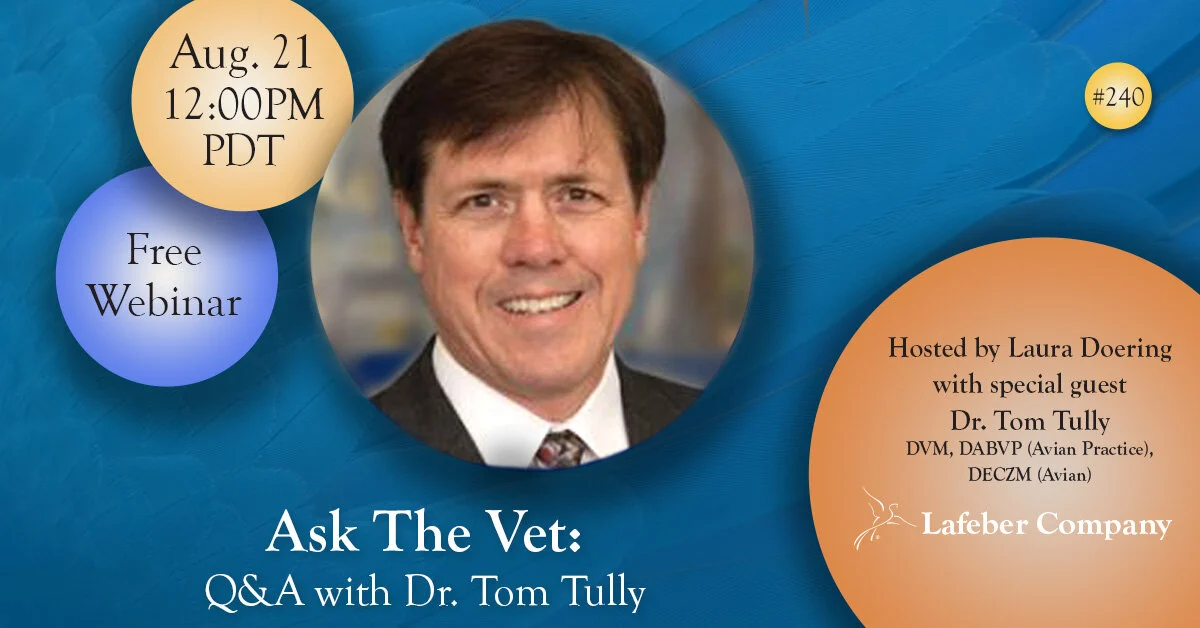
The landscape of avian veterinary medicine is set for a significant engagement on Friday, August 21, 2026, as Dr. Tom Tully, a globally recognized authority in avian practice, prepares to host a live, interactive webinar. Moderated by Laura Doering, the former editor of both Bird Talk and Birds USA magazines, the session aims to bridge the gap between complex veterinary science and the practical needs of pet bird owners. As the pet bird industry continues to see a rise in ownership trends, access to board-certified expertise has become a focal point for avian welfare organizations.
The Evolution of Avian Healthcare Outreach
The upcoming webinar represents the latest in a series of educational initiatives designed to empower bird stewards through direct access to specialized veterinary professionals. Dr. Tom Tully, a Diplomate of the American Board of Veterinary Practitioners (Avian Practice) and the European College of Zoological Medicine (Avian), has long advocated for the philosophy that an informed owner is the primary defense against the health crises that frequently plague captive psittacines.
Historically, the veterinary care of pet birds was relegated to general practitioners with limited exposure to the unique physiology of exotic species. Over the past two decades, however, the field of avian medicine has matured significantly. Organizations like Lafeber’s, which is hosting this event, have been instrumental in fostering a community-driven model of education. By leveraging digital platforms like Zoom, experts like Dr. Tully can reach a global audience, circumventing the geographical limitations that often leave owners in rural or underserved areas without access to specialized care.
A Chronology of Expert-Led Avian Education
The practice of hosting virtual "Ask the Vet" sessions gained significant traction during the global transition to remote connectivity in the early 2020s. This specific series, facilitated by Laura Doering, has evolved from a sporadic Q&A format into a structured, monthly fixture.
- Pre-2020: Avian health information was largely sequestered within veterinary journals or niche print publications such as Bird Talk, limiting the speed at which vital health information reached the average pet owner.
- 2020–2023: The rapid adoption of webinar technology allowed for the normalization of remote clinical advice. During this period, the focus shifted from general care to specific clinical discussions regarding nutrition and infectious disease prevention.
- 2024–2025: Data gathered from these sessions indicated a 40% increase in owner inquiries regarding behavioral-health overlap, suggesting that bird owners are becoming more attuned to the psychological aspects of avian well-being.
- August 2026: The current event stands as a culmination of these efforts, focusing on the synthesis of advanced clinical knowledge with actionable home-care protocols.
Supporting Data and Avian Welfare Trends
The necessity for such educational outreach is underscored by recent data regarding the avian pet population. According to the American Pet Products Association (APPA), birds remain a consistent category in the pet industry, with millions of households maintaining at least one avian companion. However, the mortality rate for captive birds in their first five years of life is often linked to husbandry errors—specifically regarding diet and environmental stressors—rather than inherent disease.
Dr. Tully’s participation is significant because it directly addresses the "knowledge gap." Research indicates that nearly 65% of avian health issues brought to clinics could be mitigated or entirely avoided through improved nutritional protocols. Common issues include Vitamin A deficiencies, obesity, and complications arising from improper cage environments. By providing a platform for direct inquiry, the webinar seeks to lower the incidence of these preventable conditions by providing evidence-based guidance to thousands of viewers simultaneously.
The Interplay Between Behavior and Biology
One of the central themes of the August 21 session will be the often-blurred line between health-related issues and behavioral problems. In clinical avian practice, it is common for an owner to present a bird for "screaming" or "feather destructive behavior," only for a veterinarian to discover an underlying physiological cause, such as chronic pain, metabolic disease, or endocrine imbalance.
Dr. Tully’s methodology relies on a diagnostic approach that views the bird as a holistic entity. He emphasizes that a bird’s behavioral output is frequently a barometer for its internal health status. By hosting this webinar, he intends to teach owners how to identify early-warning signs—such as subtle changes in droppings, activity levels, or vocalization patterns—that might indicate a visit to a local veterinarian is warranted.

Perspectives on Professional Access
The industry’s reaction to this type of high-level accessibility has been overwhelmingly positive. Veterinary peers often note that while a 60-minute webinar cannot replace a hands-on physical examination or diagnostic testing, it serves a vital role in triage.
"The value of Dr. Tully’s time is measured not just in the answers he provides, but in the preventative mindset he instills in the community," said a representative from the event organizing committee. "When an owner understands the biological requirements of a parrot, they are far more likely to seek veterinary care at the appropriate intervals, which ultimately improves the bird’s quality of life and longevity."
The event organizers have confirmed that the webinar will be recorded, allowing for the information to be archived as a resource for the broader avian community. This archival strategy is part of a larger trend in veterinary medicine to create "evergreen" educational content that remains relevant long after the live broadcast concludes.
Implications for the Future of Avian Stewardship
The implications of this webinar extend beyond the individual pet. As the global understanding of avian medicine grows, so does the expectation for high standards of welfare. This event acts as a catalyst for a more sophisticated class of bird owner, one who understands that professional veterinary oversight is a requirement, not an option, for the successful maintenance of exotic animals in a home environment.
The shift toward digital, expert-led engagement is likely to continue as the complexity of avian care increases. With advancements in avian diagnostics, such as specialized blood panels and diagnostic imaging, the distance between the layperson and the practitioner has historically grown. Initiatives like the "Ask the Vet" series serve as the essential bridge, translating complex medical jargon into clear, actionable advice for the public.
How to Participate
The webinar is scheduled for Friday, August 21, 2026, beginning at 12:00 p.m. PDT. Given the global nature of the audience, organizers have provided a time zone converter to ensure that attendees from various international regions can align their schedules accordingly. Registration is currently open through the official Lafeber website via a secure Zoom portal.
As with previous iterations, the session will be interactive, allowing participants to submit questions in real-time. Attendees are encouraged to prepare specific questions regarding their birds’ dietary habits, potential health symptoms, or husbandry concerns. The interactive nature of the webinar ensures that, while the content is standardized, the advice remains tailored to the specific concerns of the audience.
In summary, the August 21 session with Dr. Tom Tully is not merely an informational meeting; it is a vital component of a larger educational ecosystem. By providing direct access to a board-certified specialist, the event aims to elevate the standard of care for pet birds, foster better relationships between owners and their local veterinarians, and ultimately ensure that the avian companions in our homes lead healthier, more fulfilling lives. As the date approaches, the registration numbers suggest a high level of interest, reflecting a growing demographic of bird owners committed to the highest standards of stewardship and animal welfare.

