


A Decade of Visual Evolution
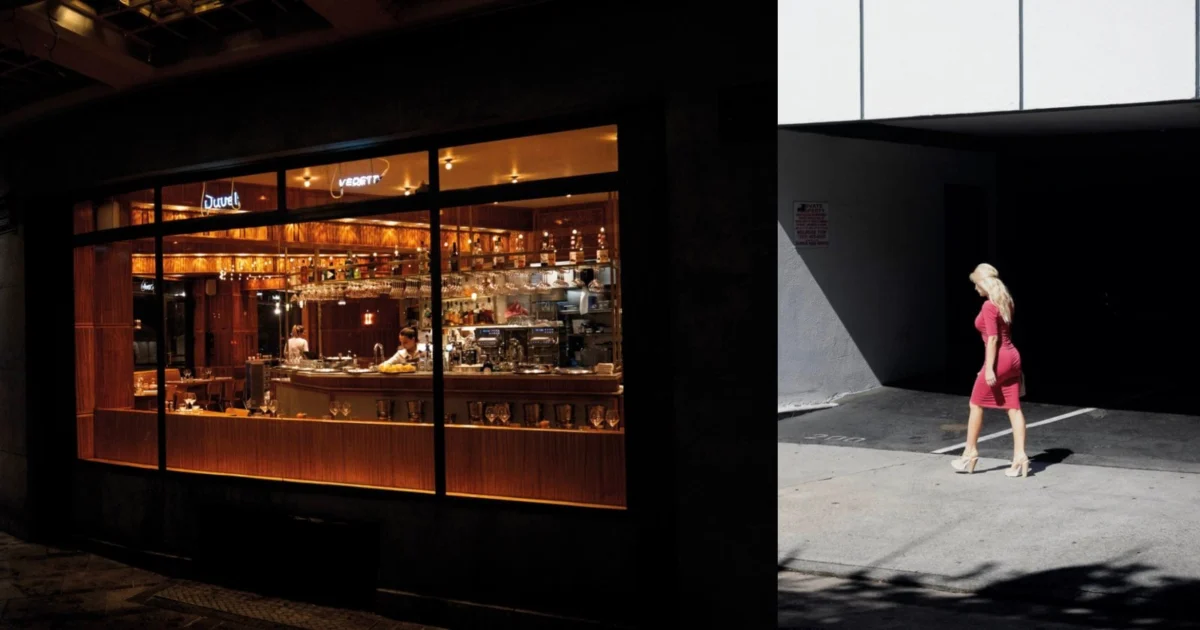
Nicolas Rachline’s trajectory into the professional photography world began in earnest roughly ten years ago. His early background in advertising provided him with a sophisticated understanding of visual narrative, composition, and the psychological impact of lighting—skills that are now evident in the high-contrast, film-noir-inspired imagery featured in Elsebound. Unlike traditional street photography, which often seeks to document the chaos and spontaneity of public life, Rachline’s work is characterized by a deliberate stillness.
The publication of this monograph is a significant milestone for the artist, acting as the first formal consolidation of his body of work. The collection focuses on the "quiet hours" of urban existence—moments captured in major metropolitan centers including Paris, Los Angeles, and New York. By stripping away the frenetic energy typically associated with these global hubs, Rachline invites viewers to reconsider the urban landscape as a theater of solitude.
Aesthetic Influences and Stylistic Foundations
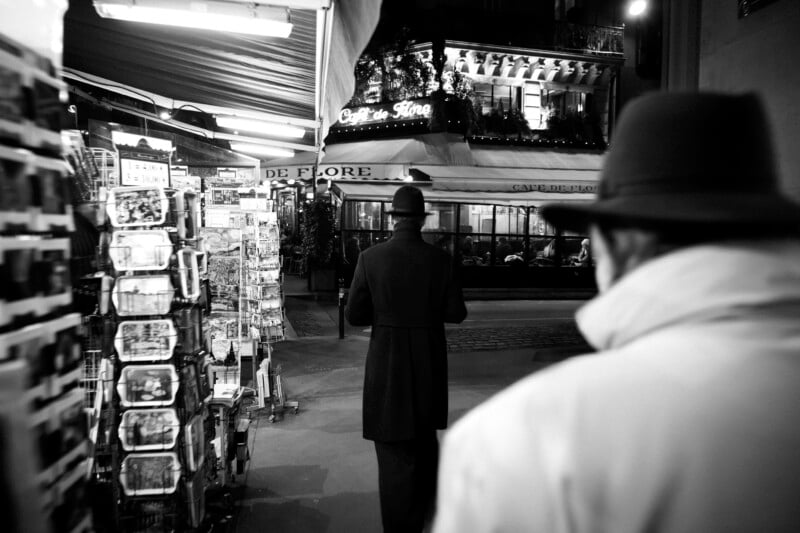
The imagery presented in Elsebound does not exist in a vacuum; it sits at the intersection of historical fine art traditions and modern photographic techniques. Critics and art historians often point to the influence of "the voyeuristic lens" perfected by photographers like Brassaï, whose nocturnal studies of Paris in the 1930s redefined the city’s identity. Rachline mirrors this approach by seeking out the fringes of society, focusing on light sources—windows, street lamps, and neon signs—to frame his subjects.
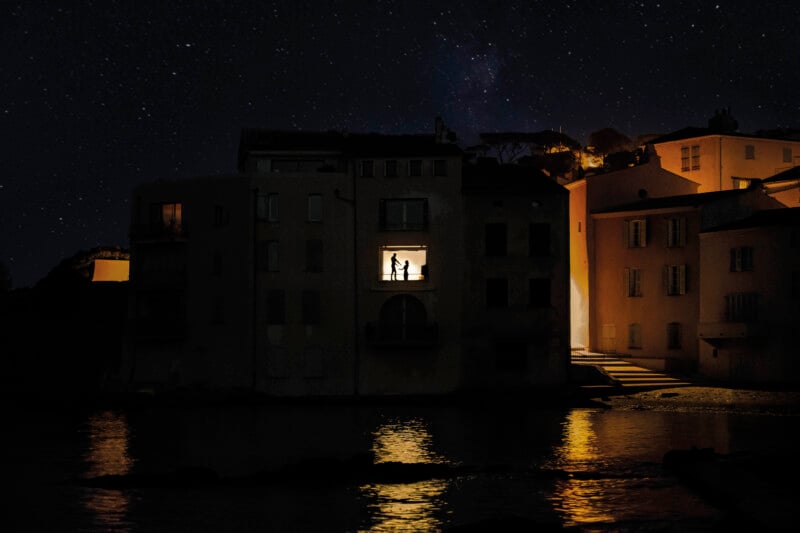
Furthermore, the influence of Philip-Lorca diCorcia is present in the staged quality of Rachline’s candid frames. While the subjects are often captured in public, they appear as if they are actors in a script written by their own subconscious. The comparison to Edward Hopper is particularly apt; much like Hopper’s paintings, Rachline’s photographs prioritize the "space between" moments. There is a palpable tension in his work, a sense of anticipation that suggests the subject has just finished an action or is on the precipice of one, leaving the narrative open-ended for the observer to complete.
Chronology of the Project
The photographs included in the monograph span a diverse range of years and locations, demonstrating a consistent thematic vision that has evolved over time:
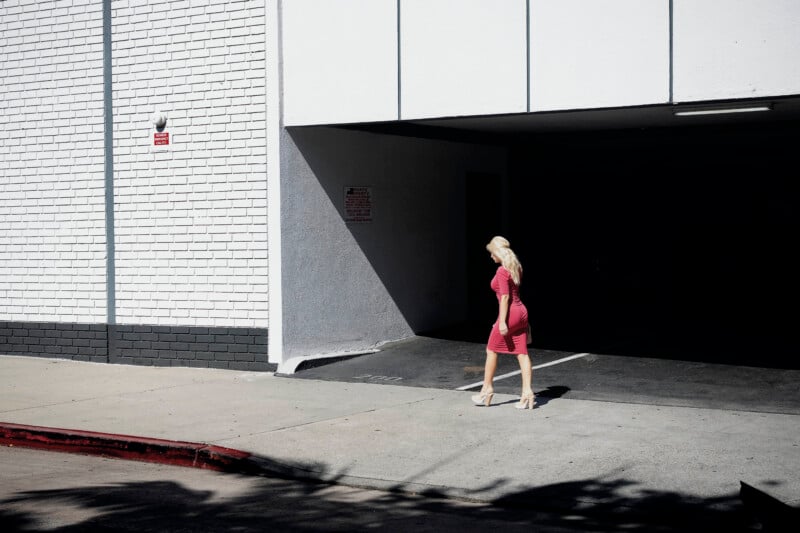
- 2015: The project began to take shape as Rachline focused on the interplay between light and isolation in American urban centers, notably Los Angeles.
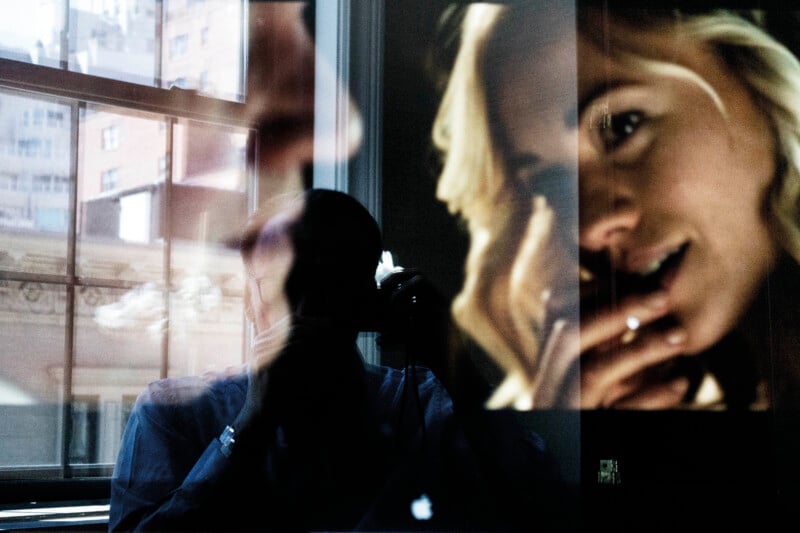
- 2016–2019: The artist deepened his investigation into the "quiet hours," expanding his scope to include the layered, double-exposed visuals seen in his New York City series and the classic, atmospheric street scenes in Paris.
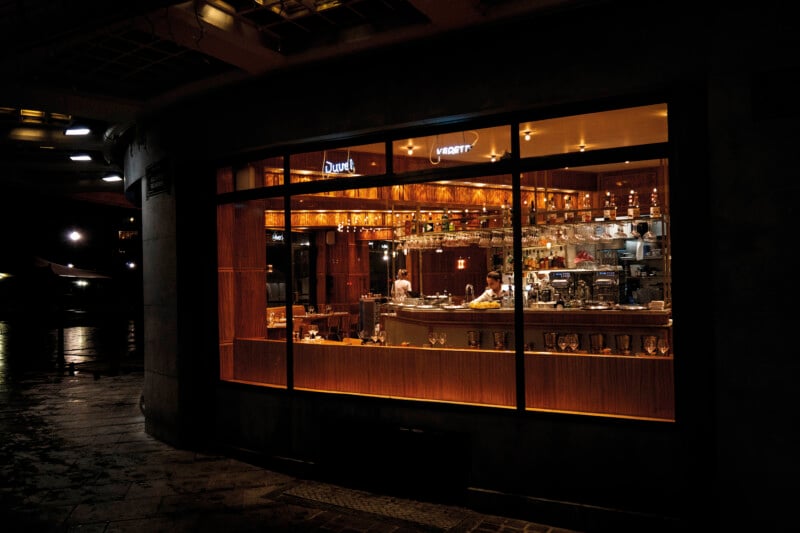
- 2021–2024: The more recent work, such as the St. Tropez and Brussels collections, demonstrates a refined maturity, moving toward a more minimalist approach where the architecture itself becomes a primary character in the narrative.
- September 2026: The official launch of the Rizzoli monograph marks the definitive public archive of these efforts.
The Role of Architecture and Light
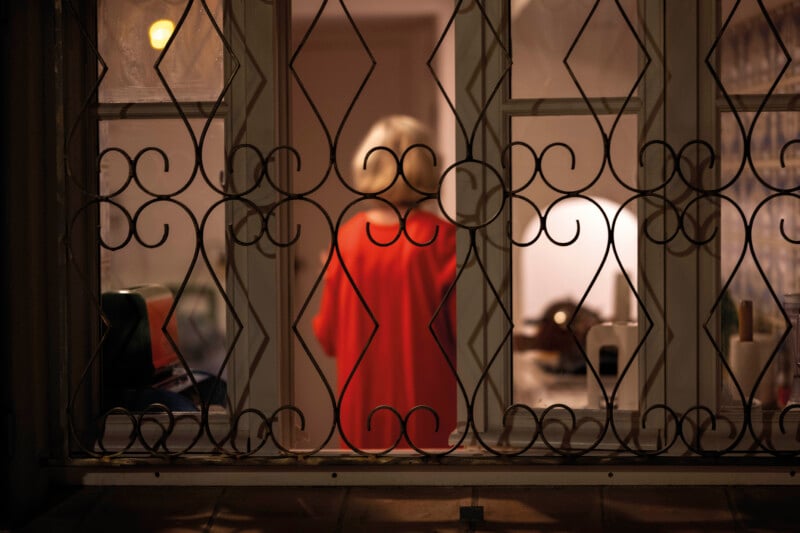
A technical analysis of Rachline’s portfolio reveals an obsession with structural boundaries. Windows, doorframes, and security grilles are recurring motifs that act as physical manifestations of the emotional barriers between the photographer, the subject, and the environment. By viewing his subjects through these frames, Rachline emphasizes the "outsider" perspective inherent in urban life.
The light in his photographs serves a dual purpose: it illuminates the subject while simultaneously creating deep, impenetrable shadows that conceal as much as they reveal. This use of "chiaroscuro"—the dramatic contrast between light and dark—is a hallmark of his style. It elevates the ordinary, such as a person walking past a parking garage or a bartender working at a counter, into something profound and, at times, unsettling. This technique forces the viewer to confront the "fragile beauty" of contemporary life, acknowledging that within the anonymity of the modern city, every individual is navigating their own private reality.
Critical Reception and Contextual Significance
The release of Elsebound comes at a time when the art world is experiencing a resurgence of interest in "slow photography." In an era dominated by high-speed digital consumption and ephemeral social media content, a high-quality physical monograph acts as a counter-cultural artifact. The inclusion of a foreword by esteemed cultural figures such as Graydon Carter and Nathan King underscores the gravity with which the art and publishing communities view Rachline’s work.
Industry analysts suggest that monographs of this caliber serve as vital records of urban sociology. By documenting the way individuals occupy spaces in 2026, Rachline is providing future historians with a specific, atmospheric map of the early 21st-century experience. The images are not merely "pretty pictures"; they are documents of human isolation, nostalgia, and the persistent human need for connection in an increasingly digital and disconnected world.
Broader Implications and The Human Condition
The implications of Elsebound reach beyond the aesthetic. By stripping away the noise of the contemporary world, Rachline forces a confrontation with the "uncertainty of the present." His photographs suggest that we are all, to some degree, "elsebound"—continually moving toward a destination or a state of being that remains perpetually just out of reach.
This thematic consistency provides a sense of cohesion to the book. While the locations shift from the sun-drenched, palm-lined streets of Los Angeles to the historic, rain-slicked boulevards of Paris, the emotional resonance remains constant. The subjects are consistently rendered in a state of suspended animation, emphasizing the universality of the human condition. Whether in the bustling center of a metropolis or a quiet coastal town, the struggle to find meaning within the mundane is the central conflict of Rachline’s visual essay.
Publication Details and Accessibility
Rizzoli New York, a publisher synonymous with high-end art and architecture books, has produced Elsebound with a focus on tactile quality, ensuring that the paper stock and printing processes do justice to the subtle gradients and shadows in Rachline’s work. The book is currently available for purchase through major retailers and directly via the Rizzoli website.
For collectors and enthusiasts of photography, the monograph is expected to serve as a seminal work in the genre of atmospheric urban photography. As the artist continues to build his career, Elsebound will likely be viewed as the foundational text that established his voice in the international art scene. It stands as a testament to the power of the still image to capture the elusive, melancholic, and deeply human experiences that often escape notice in our fast-paced daily lives.
In summary, Nicolas Rachline’s Elsebound is more than a portfolio; it is a meditation on the nature of sight and solitude. Through his lens, the familiar becomes strange, and the strange becomes deeply, hauntingly familiar. As the book reaches the public this September, it promises to spark a broader conversation about the role of photography in capturing the quiet, often overlooked, and fragile beauty of the modern urban experience. Whether one is a seasoned collector of fine art photography or a casual observer of urban life, the work offers a rare, unflinching look at the world through the eyes of an artist who finds the extraordinary in the mundane.

