


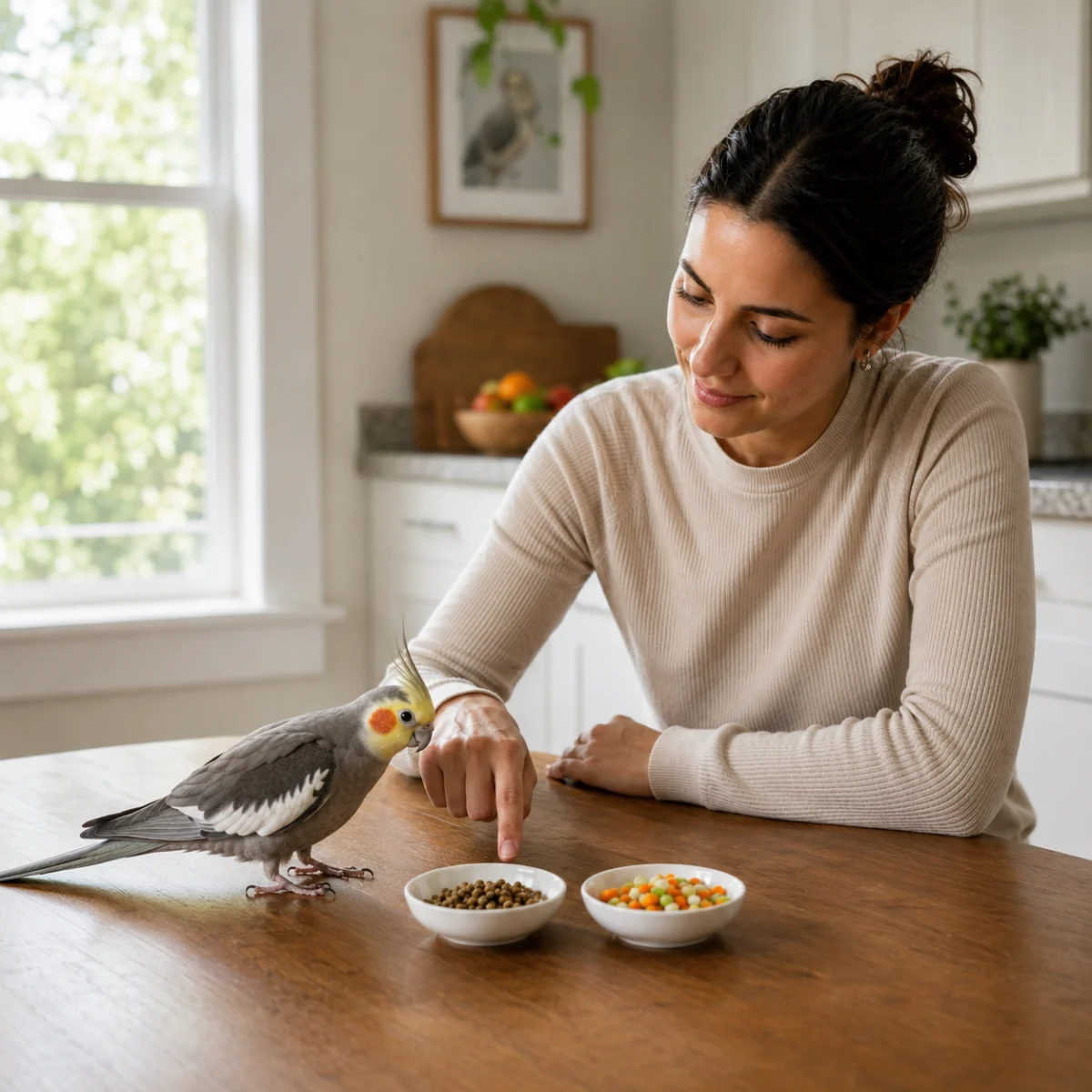
Transitioning a seed-addicted bird to a pelleted diet is one of the most significant hurdles faced by avian owners and veterinary professionals alike. Because seeds are calorie-dense but nutritionally incomplete—often lacking critical vitamins, minerals, and amino acids—the shift to formulated pellets is a gold-standard recommendation in modern avian medicine. However, the process is rarely straightforward. A 2022 study published in the Journal of Avian Medicine and Surgery by Cummings et al. evaluated three distinct diet conversion strategies for psittacine birds: Birdie’s Choice, Slow and Steady, and Tough Love. The findings emphasize that success is not found in a "one-size-fits-all" approach, but in a tailored methodology that accounts for the bird’s behavioral profile and physiological stability.
The Nutritional Imperative
Seed-based diets are widely recognized in the veterinary community as a primary driver of malnutrition-related illnesses in parrots, including budgies, cockatiels, conures, and African greys. Common deficiencies include Vitamin A, calcium, and essential amino acids, which can manifest as poor feather quality, suppressed immune function, and reproductive complications like egg-binding. While the objective is to move the bird toward a balanced diet, the transition process itself poses risks if not managed with clinical precision. Rapid changes can induce stress, leading to "self-starvation" or metabolic distress. Therefore, the adoption of a structured, evidence-based method is essential to mitigate these risks.
Behavioral Profiling: Matching the Bird to the Method
The core principle identified by researchers is the necessity of behavioral matching. Before initiating any dietary change, owners must categorize their bird based on its reaction to environmental changes and novel objects.
The Birdie’s Choice method is designed for social, curious, and human-oriented birds. These individuals often thrive on positive reinforcement and exploration. In practice, this involves presenting a variety of pellet brands and textures, allowing the bird to "choose" the preferred option through natural investigation. By modeling interest—such as tapping near the pellets or appearing to eat them—the owner leverages the bird’s flock-oriented nature to reduce anxiety.
Conversely, the Slow and Steady method serves the needs of cautious, routine-driven birds. These animals often experience heightened stress when their environment is altered rapidly. This method utilizes a timed exposure strategy where pellets are introduced into the feeding routine at specific intervals, while the availability of seeds is gradually restricted. This allows the bird to build familiarity with the new food source without the overwhelming pressure of an abrupt withdrawal of familiar sustenance.
The third, and most controversial, approach is the Tough Love method. This strategy is reserved for birds that are highly selective, prone to "cherry-picking" seeds from a mixed bowl, or those who display manipulative behaviors to secure preferred food. This method maximizes pellet exposure by placing them in all primary feeding locations, while limiting seeds to a single, less-preferred area. It is vital to note that this is not a starvation protocol; it is an exposure-optimization strategy.
Clinical Risks and the Necessity of Monitoring
The primary danger during any conversion is the risk of unintentional weight loss. Avian species, particularly smaller birds like budgies and lovebirds, have high metabolic rates. A loss of even a few grams can be catastrophic. The research emphasizes that a safe conversion requires a rigid monitoring system.
Owners should maintain a daily log of:
- Body Weight: Use a high-precision gram scale. A loss of more than 3% of total body weight in a single week or a 10% cumulative loss throughout the transition necessitates an immediate halt to the process and an urgent consultation with an avian veterinarian.
- Droppings: A decrease in the frequency or volume of droppings is a primary indicator of reduced caloric intake.
- Behavioral Markers: Increased lethargy, "fluffed" feather posture, or a decrease in normal vocalizations are red flags indicating the bird is not eating enough.
The Failure of the "Mixed-Bowl" Strategy
Many owners attempt to transition their birds by mixing pellets into seed bowls, assuming the bird will eventually acclimate. However, behavioral data suggests that this is often the least effective method. Birds are highly skilled at selectively eating the seeds and ignoring the pellets, creating a false sense of security for the owner. By the time the owner realizes the bird has not touched the pellets, the bird may have already lost significant body condition. Separate placement and scheduled feedings help ensure the bird encounters the pellets as a primary food source rather than a dietary "nuisance" to be avoided.
Chronology of a Successful Conversion
Successful conversion is a marathon, not a sprint. The process typically follows a three-phase timeline:
- Preparation (Week 0): Baseline weight is established. The owner observes the bird’s behavior to select the appropriate method. A vet visit is conducted if the bird is considered "medically fragile."
- Implementation (Weeks 1-4): The chosen method is applied consistently. Daily weighing and monitoring of droppings occur. No deviation from the plan should occur based on "guilt" or the bird’s vocal protestations.
- Consolidation (Weeks 5+): Once the bird is consistently consuming the pellets, the ratio is finalized. The bird is transitioned to a stable diet of pellets supplemented by fresh vegetables and limited fruits.
The Role of Veterinary Oversight
It is a common misconception that diet conversion is purely a home-based training exercise. In cases involving geriatric birds, those with chronic illness, or those that have been on a strict seed diet for years, professional veterinary oversight is mandatory. A veterinarian can conduct a "body condition score" to determine if the bird has enough fat reserves to safely undergo a transition. They can also perform blood work to rule out pre-existing issues that might be exacerbated by the stress of a diet change.
Broader Implications for Avian Wellness
The shift toward evidence-based conversion methods represents a professionalization of companion bird care. For decades, the industry relied on anecdotal "hacks" that often failed or resulted in malnourished animals. By applying structured, behavior-based, and monitor-heavy methodologies, owners are better equipped to provide a high-quality life for their avian companions.
Furthermore, the integration of vegetables, sprouts, and chop into the diet—once the pellet foundation is established—becomes a more manageable process. The psychological principles used to train a bird to accept pellets—exposure, modeling, and patience—apply equally to fresh foods. Once a bird learns that "new" is not "dangerous," the entire nutritional landscape of the bird improves.
Final Safety Considerations
The ultimate measure of success is not the speed of the transition, but the stability of the bird. If at any point the bird exhibits signs of illness, or if the weight loss metrics are breached, the process must stop immediately. Pausing is not an admission of failure; it is a vital safety precaution. It allows the owner to reassess the bird’s needs, potentially switch to a different pellet brand, or seek further medical guidance.
The journey from a seed-based diet to a nutritionally sound one is a critical component of responsible avian ownership. By utilizing a deliberate,, and evidence-supported strategy, owners can effectively transition their birds while maintaining their health, trust, and well-being. As the science of avian nutrition continues to evolve, the emphasis remains clear: structural, consistent, and scientifically informed care is the only path to a long and healthy life for captive psittacines.

