


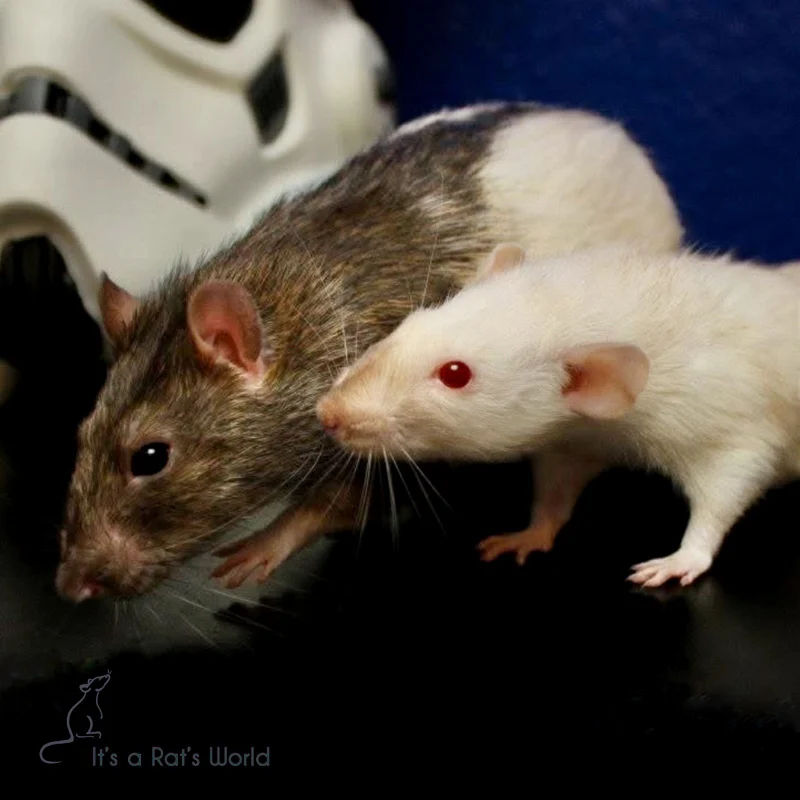
When prospective owners begin the process of acquiring pet rats, they are frequently confronted with the question of whether to adopt males or females. While both sexes are highly intelligent, social, and capable of forming deep bonds with their human companions, they exhibit distinct physical, behavioral, and physiological differences that can significantly influence the daily experience of pet ownership. Understanding these nuances is essential for potential owners to make informed decisions that ensure the long-term well-being of the animals.
Physical Dimorphism and Biological Characteristics
The most immediate distinction between male and female rats is their physical stature. On average, male rats (bucks) are larger and heavier than their female counterparts (does). A healthy adult male typically weighs between 450 and 650 grams, measuring 10 to 12 inches in body length, excluding the tail. Females are generally more compact, weighing between 350 and 450 grams and measuring 9 to 10 inches. However, these averages are subject to significant individual variation based on genetics, nutrition, and environmental factors.
A notable physiological difference involves the production of "buck grease," an oily, orange-yellow substance secreted by the sebaceous glands of intact males. This secretion, which often accumulates on the back, can result in a coarser coat texture compared to the typically softer fur of females. In some instances, the buildup of this oil can cause dermatological irritation, necessitating gentle cleaning. Neutering a male rat often leads to a decrease in the production of these oils, which can subsequently improve coat quality and reduce the intensity of the male-specific scent.
Olfactory Profiles and Environmental Impact
The scent profile of pet rats is a common topic among enthusiasts and behaviorists. There is a distinct olfactory difference between the sexes, often described by owners as a "blind sniff test" indicator. Females are frequently noted for a cleaner, slightly floral, or "grape-like" aroma, which many owners find pleasant. Conversely, intact males possess a stronger, more musky scent, often compared to warm grains or tortilla chips.
This scent is a natural component of their biology, but it can become more pronounced if the animals engage in "marination"—a behavior where rats sleep in areas soiled with their own urine. While this behavior is observed in both sexes, it is more prevalent in males. Routine habitat maintenance, including the use of unscented hygiene products or damp cloths for spot-cleaning, is recommended to manage these natural odors effectively.
Behavioral Development and Social Maturity
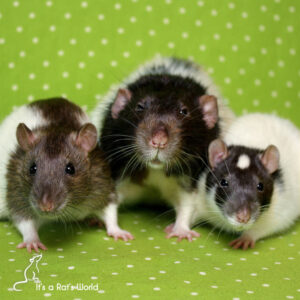
The behavioral trajectories of rats shift as they move from puberty to social maturity. Rats typically reach sexual maturity at 6 to 8 weeks, but social maturity—the stage where personality traits and dominance hierarchies are fully established—often occurs between 6 and 9 months of age.
During this developmental window, some male rats may exhibit increased territoriality or aggression toward cagemates. This "hormonal spike" can be challenging for owners, as it may manifest in nipping or combative posturing. While this behavior is not universal, it is a recognized phenomenon that may necessitate interventions such as social re-integration or, in persistent cases, castration.
Female rats, by contrast, experience estrus cycles every four to five days. During these periods, females may exhibit heightened activity levels, restlessness, or specific behaviors such as "ear wiggling." While spaying is a common medical intervention for females, those who remain intact require an environment that accounts for these regular hormonal cycles.

Medical Considerations: The Role of Surgical Intervention
The decision to spay or neuter pet rats carries significant health and behavioral implications. Beyond the obvious goal of preventing unplanned reproduction—a critical consideration given that a single litter can range from 8 to 18 offspring—surgical intervention offers prophylactic health benefits.
- Tumor Prevention: Female rats are statistically predisposed to mammary tumors. Research suggests that spaying females at a young age, ideally between 3 and 4 months, can significantly reduce the risk of mammary, uterine, and ovarian pathologies. These conditions are among the leading causes of illness in older female rats, often requiring complex surgical intervention that can be risky for smaller animals.
- Behavioral Regulation: For males, neutering is often pursued to temper aggressive tendencies and reduce the prevalence of urine marking. While urine marking is a territorial instinct in many rodents, it can be mitigated through neutering. Additionally, neutering can prevent the formation of "penis plugs" (vesical proteinaceous plugs) in aging or mobility-impaired males, which can lead to severe health complications.
- Surgical Risk and Veterinary Consultation: Any surgical procedure in small mammals involves anesthesia risks. It is imperative that owners consult with veterinarians specializing in exotic or small animal medicine to evaluate the specific health history of their pets before proceeding with elective surgeries.
Practical Implications for Habitat Management
The housing of rats requires careful planning, particularly when mixing sexes. If an owner intends to keep both males and females, strict separation or sterilization is mandatory to prevent accidental breeding. The intelligence and agility of rats should not be underestimated; females in heat have been documented escaping enclosures to reach nearby males.
Furthermore, litter training success rates can vary. While both sexes can be trained to use litter boxes, anecdotal evidence from long-term owners often suggests that females may be more consistent in their litter habits. However, owners should maintain realistic expectations, as no rat will be 100% accurate in its litter usage throughout its lifespan.
Broader Impact and Responsible Ownership
The choice between a male or female rat should be guided by the owner’s capacity to meet the specific care needs of the animal. If a prospective owner is concerned about the potential for aggression or the maintenance of buck grease, a female or a neutered male may be a more suitable choice. If the owner is interested in a more laid-back, "cuddly" companion in the animal’s later years, an older, neutered male might be an ideal candidate.
Ultimately, individual personality often outweighs sex-based generalizations. Many owners find that the bond formed with their pets is more a reflection of the time, socialization, and enrichment provided than the animal’s gender. The most successful outcomes are achieved by those who view their rats as individuals, acknowledging that while biological trends exist, each animal possesses a unique temperament that develops through positive human interaction and a secure social environment.
In summary, both sexes offer highly rewarding experiences for the dedicated pet owner. By prioritizing veterinary health, responsible housing, and consistent social engagement, owners can ensure that their rats lead full, healthy, and enriched lives, regardless of the gender of the individuals chosen.

