


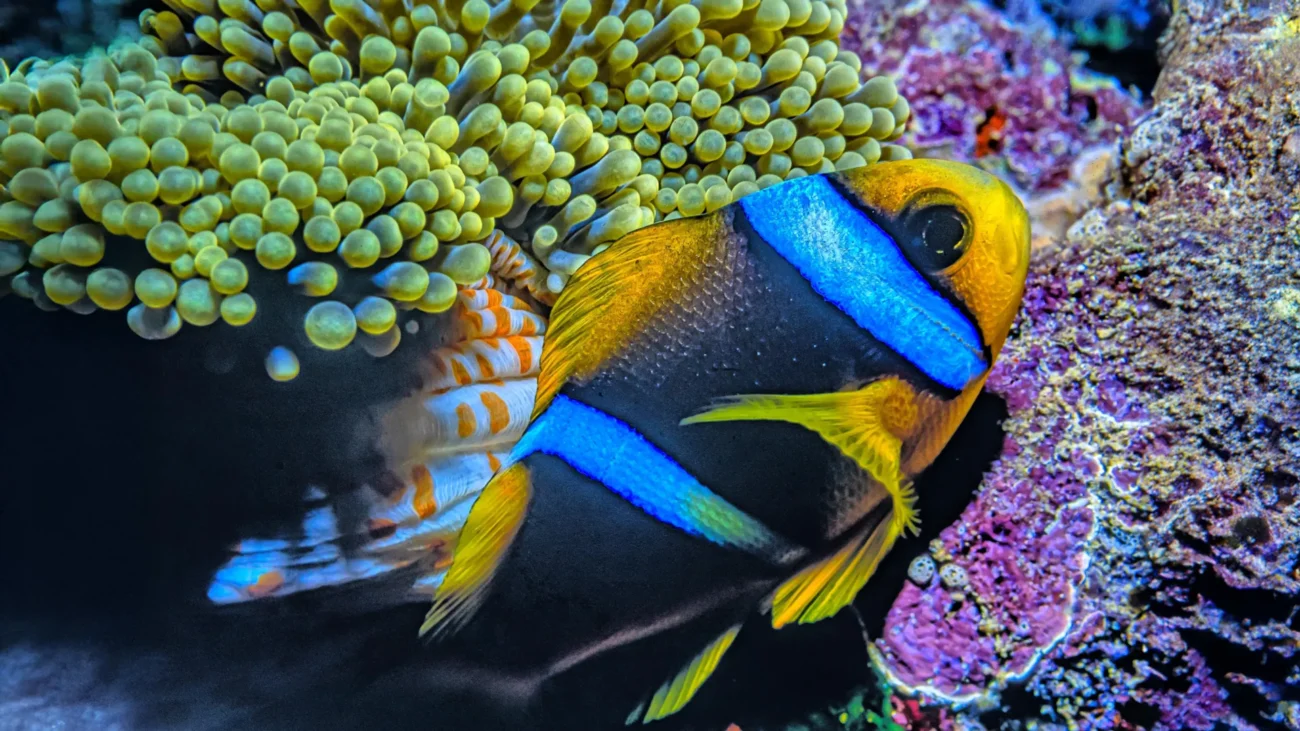
A groundbreaking scientific analysis has revealed the pervasive reach of plastic pollution, demonstrating its presence even in the most isolated coastal waters of the Pacific. Research published on January 28, 2026, in the open-access journal PLOS One, indicates that approximately one-third of fish inhabiting the vicinity of Pacific Island Countries and Territories (PICTs) contain microplastics. The study, spearheaded by Jasha Dehm of the University of the South Pacific, highlights particularly alarming levels of contamination in Fiji. This finding underscores a growing global environmental crisis, with significant implications for marine ecosystems, human health, and the vital food security of island nations.
The Invisible Threat: Microplastics in the Pacific
Microplastics, defined as plastic particles less than 5 millimeters in size, have emerged as a critical environmental concern worldwide. Their persistence in marine environments, coupled with documented adverse effects on marine life and potential risks to human health, necessitates urgent attention. Despite their geographical remoteness, PICTs may be disproportionately exposed to these pollutants. Researchers attribute this vulnerability to a combination of rapid urban growth, which often outpaces the development of adequate waste and water management infrastructure, and a heavy reliance on local fisheries for sustenance, income, and cultural practices.
Historically, there has been a paucity of research specifically examining microplastic contamination in fish species commonly consumed across the PICTs. This knowledge gap has hindered a comprehensive understanding of the risks faced by these communities. The study by Dehm and colleagues sought to address this critical deficiency by providing concrete data on the prevalence and patterns of microplastic ingestion in commercially and culturally important fish species.
A Comprehensive Survey Across Four Island Nations
To bridge this research gap, scientists meticulously examined data from 878 coastal fish specimens, representing 138 distinct species. These fish were caught by fishing communities in the waters surrounding Fiji, Tonga, Tuvalu, and Vanuatu. The analysis drew upon publicly available records from the Global Biodiversity Information Facility, a reputable repository of biological data. The overarching finding revealed that roughly one in every three fish examined contained at least one microplastic particle. However, the study also unveiled significant regional variations in contamination levels.
Fiji emerged as the island nation with the highest contamination rates, with an astonishing nearly 75% of sampled fish testing positive for microplastics. This figure stands in stark contrast to the global average of 49%, indicating a significantly elevated level of pollution in Fijian waters. While the detection rate was high, it is important to note that the actual quantity of plastic found within each individual fish in Fiji was generally very low. In a more encouraging counterpoint, only approximately 5% of fish sampled in Vanuatu exhibited evidence of microplastic contamination, suggesting that localized environmental factors and waste management practices play a crucial role in determining pollution levels.
The study also identified two species that were consistently present in the catches from all four surveyed countries: the thumbprint emperor (Lethrinus harak) and the dash-and-dot goatfish (Parupeneus barberinus). Both of these widely consumed species demonstrated higher microplastic contamination levels in Fiji compared to their counterparts in Tonga, Tuvalu, and Vanuatu. This consistency across different geographical locations and fishing practices points to the localized impact of pollution and the susceptibility of certain species.
Unraveling the Link: Feeding Habits and Plastic Ingestion
Beyond simply quantifying the presence of microplastics, the research team delved into the ecological factors that might predispose certain fish species to ingest these pollutants. Leveraging data from a global database of fish species, the scientists analyzed how ecological traits such as diet, feeding behavior, and habitat preference influenced microplastic contamination rates.
Their findings indicated a clear correlation between a fish’s lifestyle and its likelihood of ingesting microplastics. Species that inhabit coral reefs and those that live near the seafloor were found to be more prone to microplastic contamination than fish found in lagoons, open coastal waters, or the open ocean. Furthermore, fish that primarily feed on invertebrates, forage along the seabed, or employ ambush predation strategies exhibited higher rates of contamination when compared to other fish. This suggests that bottom-dwelling and invertebrate-feeding fish are more likely to encounter and ingest microplastic debris that accumulates on the seafloor or is suspended in shallower waters.
Implications for Pacific Island Communities
The study’s results serve as a potent reminder of the ubiquitous nature of microplastic pollution, emphasizing its infiltration into even the most remote marine environments on Earth. The researchers propose that Fiji’s elevated contamination levels can be attributed to a confluence of factors, including greater population density, extensive coastal development, and potentially less effective waste management systems when compared to its neighboring islands.
The authors of the study suggest that understanding the specific ecological traits that enhance a fish’s exposure to microplastics can be instrumental in guiding policymakers. This knowledge can help identify not only the most vulnerable ecosystems but also the communities that are at the highest risk of ingesting contaminated seafood.
Jasha Dehm elaborated on these findings, stating, "The consistent pattern of high contamination in reef-associated species across borders confirms ecological traits as key exposure predictors, while national disparities highlight the failure of current waste management systems, or lack thereof, to protect even remote island ecosystems." This statement underscores the dual nature of the problem: inherent ecological vulnerabilities and the direct impact of human-induced pollution management failures.
Dr. Amanda Ford, a co-author of the study, added a critical perspective on the implications for Pacific communities: "While microplastic levels in Pacific fish are generally lower than in many industrialized regions, Pacific communities rely far more heavily on fish as a primary protein source. Combined with major data gaps across the region, this makes locally generated evidence essential as Global Plastics Treaty negotiations advance and are translated into national policies." This highlights the unique vulnerability of PICTs, where fish are not merely a dietary component but a cornerstone of sustenance and livelihoods.
A Stark Warning for Food Security and Policy
The research delivers a sobering message regarding the integrity of food systems in the Pacific. Dr. Rufino Varea, a respected voice in Pacific environmental policy and a contributor to the study, articulated this concern forcefully: "Beyond the ecological insights, this study delivers a stark warning about the vulnerability of our food systems: we found that the reef-associated and bottom-feeding fish most accessible to our subsistence fishers are acting as reservoirs for synthetic pollution, particularly in Fiji, where nearly three-quarters of sampled individuals contained microplastics. The dominance of fibers in these samples challenges the assumption that marine litter is solely a visible, coastal management issue; it indicates a pervasive infiltration of textile and gear-derived contaminants into the very diet of our communities."
Dr. Varea’s statement points to a critical finding: the prevalence of microfibers, often derived from textiles and fishing gear, in the fish samples. This suggests that the problem extends beyond larger plastic debris visible on coastlines and penetrates deeply into the food web, impacting staple food sources.
The data presented in the study effectively dismantles any lingering perception that the remoteness of Pacific islands offers a shield against global pollution. Instead, it provides robust empirical evidence that compels a re-evaluation of mitigation strategies. "This data shatters the illusion that our remoteness offers protection and provides the evidentiary basis we need to reject downstream solutions — such as recycling schemes — as insufficient," Dr. Varea asserted. "Instead, it compels us to demand a Global Plastics Treaty that enforces strict caps on primary plastic production and toxic additives, as this is the only viable way to safeguard the health and food security of Pacific peoples." This call for action emphasizes the need for upstream solutions that address the root causes of plastic pollution, rather than solely focusing on end-of-pipe management.
Broader Context and Future Directions
The findings of this study align with a growing body of international research documenting the widespread contamination of marine environments by microplastics. Studies in the North Atlantic, Mediterranean Sea, and Arctic waters have also revealed significant levels of microplastic ingestion by marine organisms. However, the unique vulnerability of PICTs, with their limited resources and heavy reliance on marine ecosystems, makes this research particularly urgent.
The timing of this publication is significant, coinciding with ongoing international negotiations for a Global Plastics Treaty. The evidence presented in the PLOS One study provides crucial, locally generated data that can inform these critical discussions. Policymakers at national and international levels can utilize these findings to advocate for stronger regulations on plastic production, improved waste management infrastructure in vulnerable regions, and a comprehensive approach to tackling the global plastic crisis.
Further research is needed to fully understand the long-term health impacts of consuming microplastic-contaminated fish on Pacific island populations. Investigating the specific types of microplastics and associated chemical contaminants present in these fish is also a priority. Additionally, exploring the potential for bioaccumulation and biomagnification of these pollutants through the marine food web will be crucial for a complete risk assessment.
The study was made possible through funding from the Asia Pacific Network for Global Change Research (Grant CRRP2022-05MY-Ford) under the project "Establishing Baselines for Marine Plastics and Bridging Indigenous Knowledge with Ocean Policy to Improve Livelihood Security in the Pacific." The funders played no role in the study design, data collection, analysis, or decision to publish, ensuring the scientific independence of the research.
In conclusion, this comprehensive analysis offers a stark reminder that no corner of the globe is immune to the pervasive threat of plastic pollution. For the Pacific Island Countries and Territories, the implications are profound, impacting not only the health of their marine environments but also the fundamental security of their food systems and the well-being of their people. The scientific evidence presented demands immediate and decisive action on a global scale.

