



Successful dog training transcends mere command instruction; it is fundamentally about establishing a clear, empathetic communication channel and creating an environment where a dog is predisposed to learn and thrive. Far too often, human expectations clash with canine cognitive realities, leading to frustration for both pet and owner. Understanding that animals do not possess the capacity for human foresight or abstract reasoning is the cornerstone of effective pedagogical practice in the realm of dog training. This article outlines critical strategies, supported by behavioral science and veterinary insights, to cultivate a highly receptive and eager learner in your canine companion.
The Foundation of Effective Communication: Reinforcement and Consistency
Effective training hinges on the clarity and reliability of communication between a dog and its owner. This begins with understanding what motivates an individual dog and applying that motivation consistently.
Tailoring Motivation: The Art of Effective Reinforcement
Each dog is a unique individual, possessing a distinct set of motivations that drive its behavior. While food, physical affection, verbal praise, and playtime are common reinforcers, the efficacy of each varies significantly from one dog to another. Identifying your dog’s primary motivators is a critical first step. For instance, a high-energy terrier might find a quick game of fetch more rewarding than a treat, while a food-motivated Labrador might respond best to a tasty morsel. Research published in journals like Applied Animal Behaviour Science consistently highlights that the value a dog places on a reinforcer directly correlates with the strength and speed of learning.
Beyond identifying the type of reinforcer, the timing of its delivery is paramount. When a dog is first learning a new command or behavior, reinforcement must be delivered immediately – ideally within one to three seconds – of the desired action. This immediate feedback loop ensures the dog clearly associates its action with the positive outcome. Delayed reinforcement can lead to confusion, as the dog may inadvertently link the reward to an unrelated behavior that occurred just before the reinforcement was given. As behaviors become more established, the reinforcement schedule can transition from continuous (rewarding every correct response) to intermittent (rewarding some correct responses), which helps to strengthen the behavior and make it more resistant to extinction, a principle well-established in operant conditioning. Swift and reliable reinforcement solidifies understanding, building a robust foundation for future training success.
Building Reliability: The Power of Consistent Application
Consistency is arguably the single most important factor in dog training. This applies not only to the timing of reinforcement but also to the commands used, the expectations set, and the involvement of all household members. A dog cannot differentiate between "sit," "sitty," "butt down," or "plop." Using a single, clear command for each action prevents confusion. Furthermore, all family members must adhere to the same commands and training protocols. If one person allows the dog on the couch while another forbids it, the dog receives mixed signals, making it difficult to understand the rules.
Inconsistency can inadvertently create what trainers call "superstitious behaviors," where a dog performs an action it thinks is being rewarded, even if it’s not the desired behavior. The lack of a consistent environment or set of rules can also lead to frustration and anxiety in dogs, manifesting as unwanted behaviors. Professional trainers, such as those certified by the Certification Council for Professional Dog Trainers (CCPDT), frequently emphasize that a unified approach from all handlers is crucial for a dog to generalize behaviors and respond reliably across different situations and people. The implications of inconsistency are significant; it can prolong the training process, create behavioral issues, and ultimately undermine the bond between owner and pet.
Adapting to the World: Generalization and Environmental Practice
A common frustration for pet owners arises when a dog flawlessly executes commands in a controlled home environment but appears oblivious to the same commands amidst the distractions of a public park. This phenomenon underscores the critical need for practicing in varied environments.
Beyond the Living Room: Generalizing Skills Across Diverse Settings
Dogs do not inherently generalize behaviors. A "sit" performed in the quiet living room is, in a dog’s mind, a different behavior than a "sit" performed at a bustling park. This concept, known as "stimulus generalization" in behavioral science, requires deliberate and structured practice. The process of "proofing" a behavior involves gradually introducing distractions and new environments while maintaining high reinforcement rates for correct responses. For example, once a dog reliably sits at home, the next step might be to practice in the backyard, then a quiet street, and eventually a park.
When transitioning to more distracting environments, it is crucial to manage expectations. Initially, do not anticipate perfect execution. Instead, focus on simply gaining your dog’s attention amidst the new stimuli. For instance, during a walk in the park, start by ensuring your dog knows you have a high-value reward. Practice eye contact or a simple "watch me" command, rewarding every successful interaction. Slowly increase the difficulty level of desired behaviors, such as a short "stay," only once your dog consistently responds to basic cues in that environment. This systematic approach, recommended by organizations like the American College of Veterinary Behaviorists (ACVB), ensures that the dog builds confidence and skill incrementally, rather than being overwhelmed and set up for failure.
Managing Expectations in Dynamic Environments
The implications of failing to practice in varied environments are substantial. A dog that only performs reliably at home may develop anxiety or reactivity in public, as it has not been taught how to cope with novel stimuli while also performing learned behaviors. This can restrict an owner’s ability to take their dog to public places, impacting the dog’s socialization and quality of life. Conversely, a dog that has been systematically proofed in various environments becomes a more confident, well-adjusted companion, capable of navigating the complexities of the human world with ease. This leads to a richer human-animal bond and fewer behavioral challenges.
Ethical Training Practices: The Primacy of Positive Reinforcement
The method by which a dog is trained profoundly impacts its welfare, its relationship with its owner, and its long-term behavioral health. Scientific consensus increasingly points to positive reinforcement as the most effective and humane approach.
The Scientific Mandate for Positive Reinforcement
Positive reinforcement training involves adding something desirable (e.g., a treat, praise, a toy) to increase the likelihood of a desired behavior occurring again. This method ensures that the dog is an enthusiastic participant, motivated by the anticipation of a reward, rather than acting out of fear or anxiety to avoid an adverse consequence. Numerous scientific studies, including a significant meta-analysis published in the Journal of Veterinary Behavior, have unequivocally demonstrated that positive reinforcement methods are superior for the vast majority of dogs, particularly for typical household pets. These studies often compare outcomes of positive reinforcement with aversive methods (e.g., choke chains, prong collars, shock collars), consistently finding that aversive techniques are linked to increased stress behaviors, aggression, and a breakdown of the human-animal bond.
Leading veterinary and animal welfare organizations globally, including the American Veterinary Medical Association (AVMA) and the American College of Veterinary Behaviorists (ACVB), advocate exclusively for positive reinforcement training. They cite evidence that punishment-based methods can suppress unwanted behaviors without addressing underlying causes, potentially leading to new, more severe behavioral problems. For instance, punishing a fearful dog for growling might stop the growl, but it doesn’t alleviate the fear, potentially leading the dog to bite without warning in the future.
Shaping Behavior with Empathy and Understanding
When a dog struggles to perform a desired behavior, the immediate response should not be punishment but self-reflection on the part of the trainer. Key questions to ask include: Am I properly shaping the behavior by breaking it into small, achievable steps? Are my expectations appropriate for my dog’s age, breed, and individual learning pace? Am I consistently using the same command and body language? Am I providing a reward that is truly motivating for this particular dog?
A fearful or anxious dog will naturally learn at a slower rate, as stress hormones can impair cognitive function. Conversely, a dog that associates training with positive experiences and rewards will be eager to learn, more resilient to setbacks, and ultimately more likely to succeed. The ethical imperative is to create a learning environment built on trust and positive association, fostering a dog’s natural curiosity and willingness to engage. This approach not only yields better training outcomes but also strengthens the human-animal bond, promoting a happier, healthier relationship for both species.
The Science Behind the Success: Understanding Canine Cognition and Communication
To effectively train a dog, one must delve deeper than just giving commands; it requires an understanding of how dogs learn and how they communicate.
Demystifying Dog Behavior: The Role of Learning Theory
Knowledge is indeed power in dog training. A fundamental understanding of behavioral science, particularly the principles of operant and classical conditioning, provides trainers with the "why" behind their methods, not just the "how." Classical conditioning, famously demonstrated by Ivan Pavlov, explains how dogs form associations between stimuli (e.g., the sound of a leash being picked up with an impending walk). Operant conditioning, primarily explored by B.F. Skinner, details how voluntary behaviors are strengthened or weakened by their consequences (e.g., a dog sits and receives a treat, making it more likely to sit again).
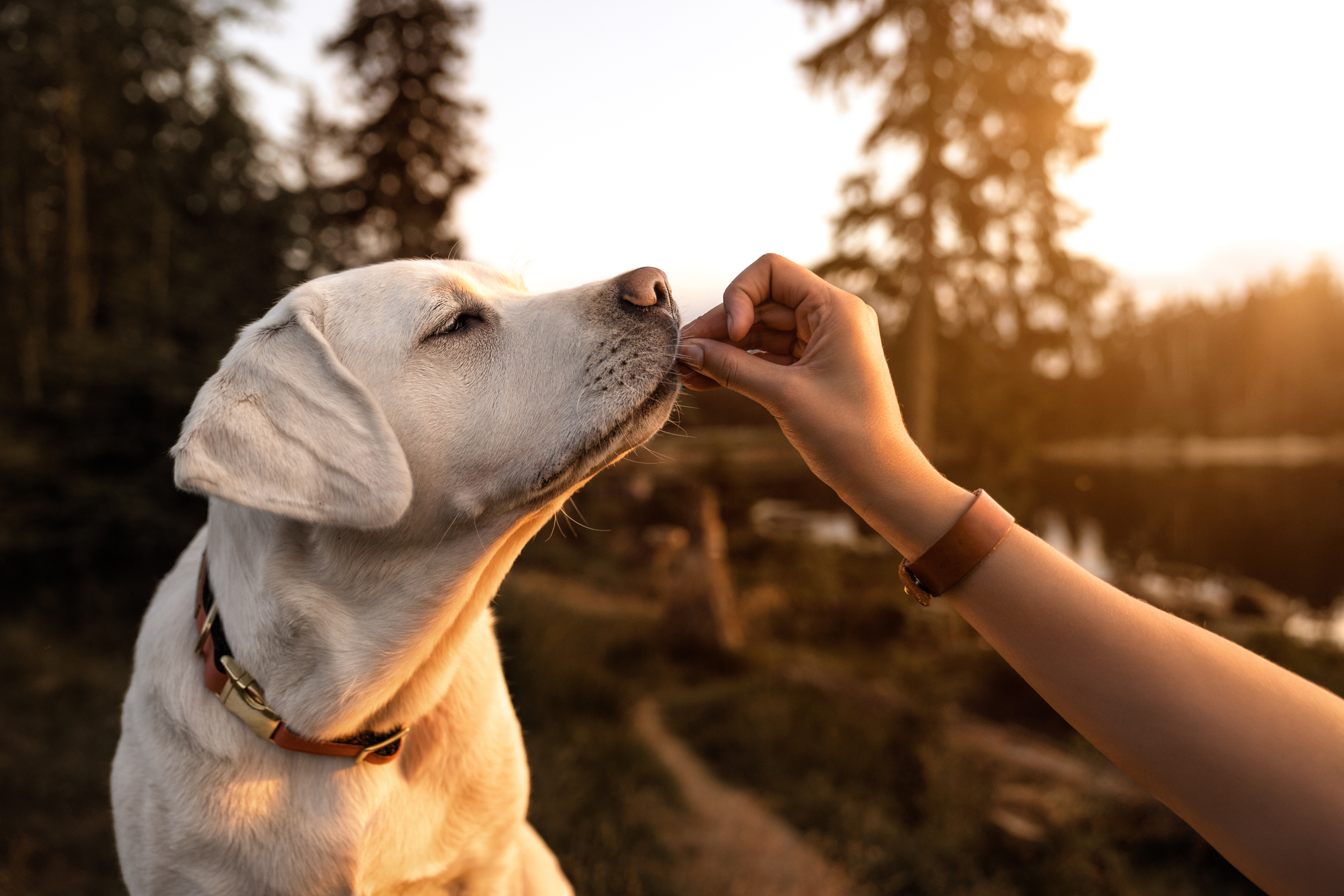
These theories form the bedrock of modern, humane dog training techniques. Understanding these mechanisms allows owners to intentionally shape behaviors, prevent unwanted associations, and address problematic behaviors by modifying the environment and consequences. For example, knowing about extinction bursts (an increase in frequency/intensity of a behavior when reinforcement is removed) helps an owner persevere through challenging phases of training. This scientific foundation moves training beyond guesswork into a structured, predictable, and effective practice, enhancing both the owner’s competence and the dog’s learning experience.
Speaking Dog: Interpreting Canine Body Language
While dogs cannot use human language, they possess a rich and nuanced communication system expressed through their bodies. Owners who learn to "speak dog" by understanding canine body language gain invaluable insights into their pet’s emotional state, intentions, and learning capacity during training sessions and in daily life. Key indicators include:
- Eyes: Dilated pupils, direct stares, or averted gazes can signal fear, aggression, or appeasement. Soft, blinking eyes often indicate relaxation.
- Body Posture: A low, crouching stance can indicate fear or submission, while a stiff, forward-leaning posture might signal alertness or potential aggression. A relaxed, loose posture suggests comfort.
- Tail Position and Movement: While often misinterpreted, a high, stiff tail can indicate arousal or tension, not always happiness. A low, tucked tail is a clear sign of fear or anxiety. A loose, wagging tail at mid-height generally suggests friendliness.
- Stance: Weight distribution, paw lifting, and overall tension provide clues about a dog’s comfort level.
- Facial Expressions: Lip licks, yawns (outside of being tired), furrowed brows, and showing teeth are significant signals.
Recognizing these cues allows owners to determine if their dog is excited and engaged, bored, distracted, anxious, or overwhelmed and needs a break. Misinterpreting body language can lead to serious consequences, such as inadvertently pushing a fearful dog into a bite or missing early signs of stress that could escalate. Organizations like the American Kennel Club (AKC) provide excellent resources on decoding canine body language, emphasizing its importance for both training success and ensuring the dog’s overall safety and well-being. An owner attuned to these non-verbal signals can adjust training intensity, provide reassurance, or end a session before frustration or fear sets in, fostering a deeper, more trusting relationship.
Optimizing the Training Journey: Pacing, Welfare, and Professional Guidance
Effective training also requires self-awareness from the owner, recognizing when to push, when to pause, and when to seek expert help.
The Golden Rule in Canine Education: Respect and Reciprocity
The principle of treating others as one would wish to be treated extends seamlessly to our interactions with dogs. Applying the "Golden Rule" to dog training means approaching the process with empathy, patience, and respect. Consider a human analogy: if an employee makes a mistake at work, would they prefer their manager to yell, become visibly frustrated, or physically punish them? Or would they prefer constructive feedback, praise for efforts, and a supervisor willing to re-evaluate their teaching methods?
This analogy highlights the impact of training methodology on the learner’s emotional state and willingness to engage. A punitive approach fosters fear and resentment, potentially damaging the bond between dog and owner. Conversely, a respectful, positive approach builds trust, encourages cooperation, and makes the learning process enjoyable for both parties. When a dog struggles, rather than blaming the dog, a responsible owner reflects on their own methods: Was the cue clear? Was the reward high-value enough? Was the environment too distracting? This self-assessment fosters a more effective and humane training experience.
Strategic Training Sessions: Knowing When to Pause and Progress
The duration and intensity of training sessions are critical to maintaining a dog’s engagement and preventing burnout. Dogs, especially puppies or those new to training, have limited attention spans. Prolonged sessions can quickly become unproductive if a dog becomes bored, distracted, tired, or simply overwhelmed. Signs that a dog has reached its cognitive limit include missing cues, slower response times, increased sniffing, yawning, lip-licking, or making repeated mistakes on previously mastered behaviors.
Knowing when to end a session on a high note is imperative for long-term success. If a dog is struggling, it is far more beneficial to conclude the session with a behavior the dog has already mastered, reward generously, and then call it a day. This leaves the dog with a positive association with training and increases its eagerness for the next session. Often, multiple short training sessions (e.g., two to three 5-minute sessions per day) are significantly more effective than a single, lengthy 30-minute session. This approach aligns with research on distributed practice, which suggests that learning is enhanced when practice is spread out over time rather than crammed into one long session.
Recognizing Limits: When to Enlist Professional Expertise
While many basic training challenges can be addressed by a dedicated owner, there are instances when professional intervention is not just helpful but necessary. If a dog exhibits concerning behaviors such as aggression (towards humans or other animals), severe anxiety (e.g., separation anxiety, noise phobias), or struggles to grasp fundamental, safety-critical concepts like reliable recall, seeking professional help is the most responsible course of action.
A certified professional dog trainer (CPDT-KA, KPA-CTP, or similar credentials) or a veterinary behaviorist (DACVB) possesses the specialized knowledge and experience to diagnose complex behavioral issues, identify underlying causes, and implement tailored modification plans. Sometimes, an experienced third party can quickly identify subtle cues or inconsistencies in an owner’s technique that are hindering progress. In other cases, a dog’s unique genetic predispositions, past trauma, or medical conditions may necessitate the expertise of a professional who can provide comprehensive behavioral diagnostics and treatment. Attempting to manage severe behavioral problems without professional guidance can inadvertently worsen the situation, potentially compromising the safety and well-being of the dog, owner, and community.
Holistic Well-being: The Link Between Health and Trainability
Beyond behavioral techniques, a dog’s physical health and internal state profoundly influence its capacity for learning and its overall demeanor.
Beyond Behavior: The Physiological Underpinnings of Learning
A crucial, yet often overlooked, aspect of training success lies in a dog’s physiological state. Chronic inflammation, while a natural process for healing acute injuries, can become detrimental when it persists due to underlying conditions. Factors such as allergies, Leaky Gut Syndrome (a condition where the intestinal lining becomes permeable, allowing toxins and undigested food particles into the bloodstream), chronic stress, certain diseases, and even intense physical training can trigger systemic inflammation. This sustained inflammatory state can manifest in a range of symptoms that directly impair a dog’s ability to learn and perform: fatigue, "brain fog," heightened anxiety, joint pain, and behavioral issues like lack of focus, irritability, and slower response times during training.
The brain is particularly vulnerable to the effects of chronic inflammation. Neuroinflammation can disrupt neurotransmitter function, impair synaptic plasticity (the brain’s ability to form new connections), and reduce overall cognitive processing speed. Consequently, a dog experiencing chronic inflammation may struggle to concentrate, retain new information, or respond consistently, even if it understands the command. Addressing this underlying physiological burden can dramatically improve a dog’s receptiveness to learning and overall behavioral stability.
Nutritional Strategies and Supplementation for Cognitive Health
Improving a dog’s internal inflammatory state begins with a holistic approach, starting with diet. Feeding a high-quality, high-protein diet free from inflammatory ingredients is a critical first step. Many commercial dog foods contain preservatives, artificial flavors, synthetic food dyes, and fillers (like excessive corn, wheat, and soy) that can trigger inflammatory responses in sensitive dogs. Opting for diets rich in whole, unprocessed ingredients, particularly those with naturally anti-inflammatory properties, can make a significant difference.
Beyond diet, targeted supplementation can play a powerful role in combating chronic inflammation and supporting cognitive function. Omega-3 fatty acids, particularly EPA and DHA found in fish oil, are well-documented for their potent anti-inflammatory effects and their crucial role in brain health and neurological development. Turmeric, containing the active compound curcumin, is another natural anti-inflammatory agent that has shown promise in reducing systemic inflammation. Additionally, specialized supplements containing animal blood proteins, like those found in WINPRO supplements, have been researched for their ability to support gut health, modulate the immune system, and reduce inflammation, without the potential side effects associated with some veterinarian-prescribed anti-inflammatory medications. By reducing systemic inflammation, these interventions help to alleviate physical discomfort and clear the "brain fog," allowing the dog to focus better, learn more efficiently, and engage more enthusiastically in training.
In conclusion, optimizing a dog’s training success is a multifaceted endeavor that places the onus largely on the human guardian. It demands a commitment to creating an optimal learning environment, ensuring clear and consistent communication through positive reinforcement, and fostering a deep understanding of canine cognition and body language. Furthermore, recognizing the critical interplay between physical health and trainability, particularly in managing chronic inflammation, allows for a truly holistic approach. By combining behavioral science with empathy and proactive health management, owners can not only achieve desired training outcomes but also forge an unbreakable bond with their canine companions, enriching the lives of both.
BIO:
Tim Mitchum, President of WINPRO®, has been with the company since 2017 and is on a mission to help dogs live their best lives at every stage. WINPRO supplements work fast to keep your dog in optimal condition and be receptive to training. Learn more about our unique dog supplements here: www.winpropet.com

