


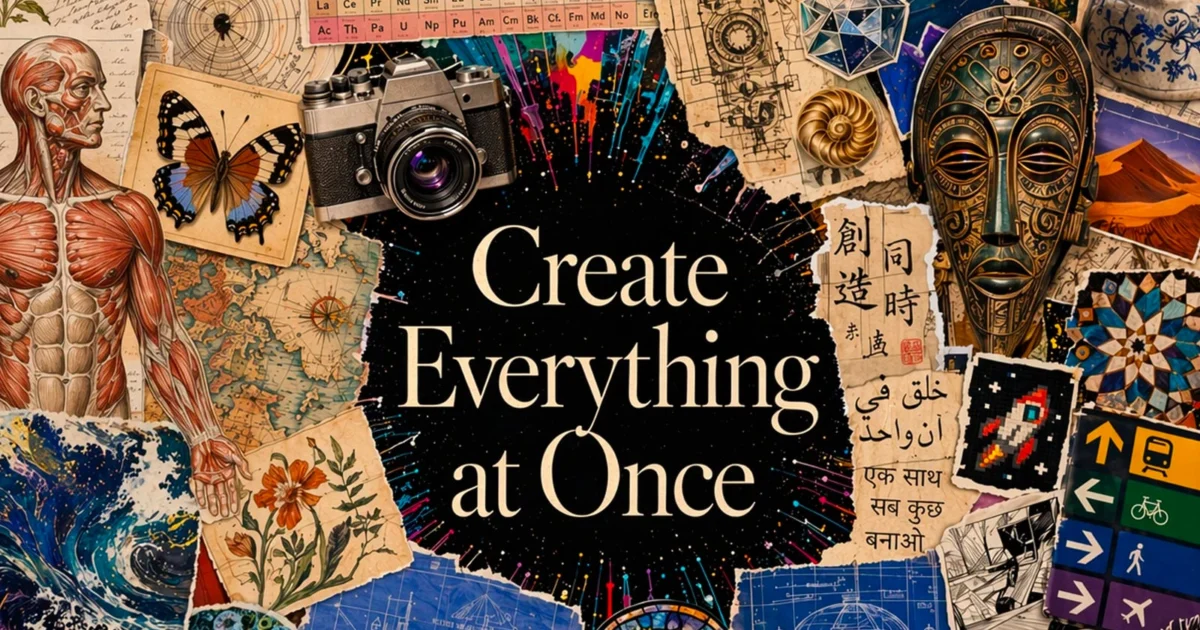
OpenAI has officially launched ChatGPT Images 2.0, a comprehensive overhaul of its visual generation architecture that marks a fundamental transition from a creative experimentation tool to a robust, enterprise-grade visual workflow platform. This latest iteration is now integrated across the ChatGPT ecosystem, including Codex and the OpenAI API, signaling a strategic move to embed high-fidelity image generation into professional design, educational, and development environments. Unlike its predecessors, which focused primarily on aesthetic output and prompt adherence, Images 2.0 is engineered to handle complex, multi-stage tasks with an unprecedented level of precision, linguistic flexibility, and logical reasoning.
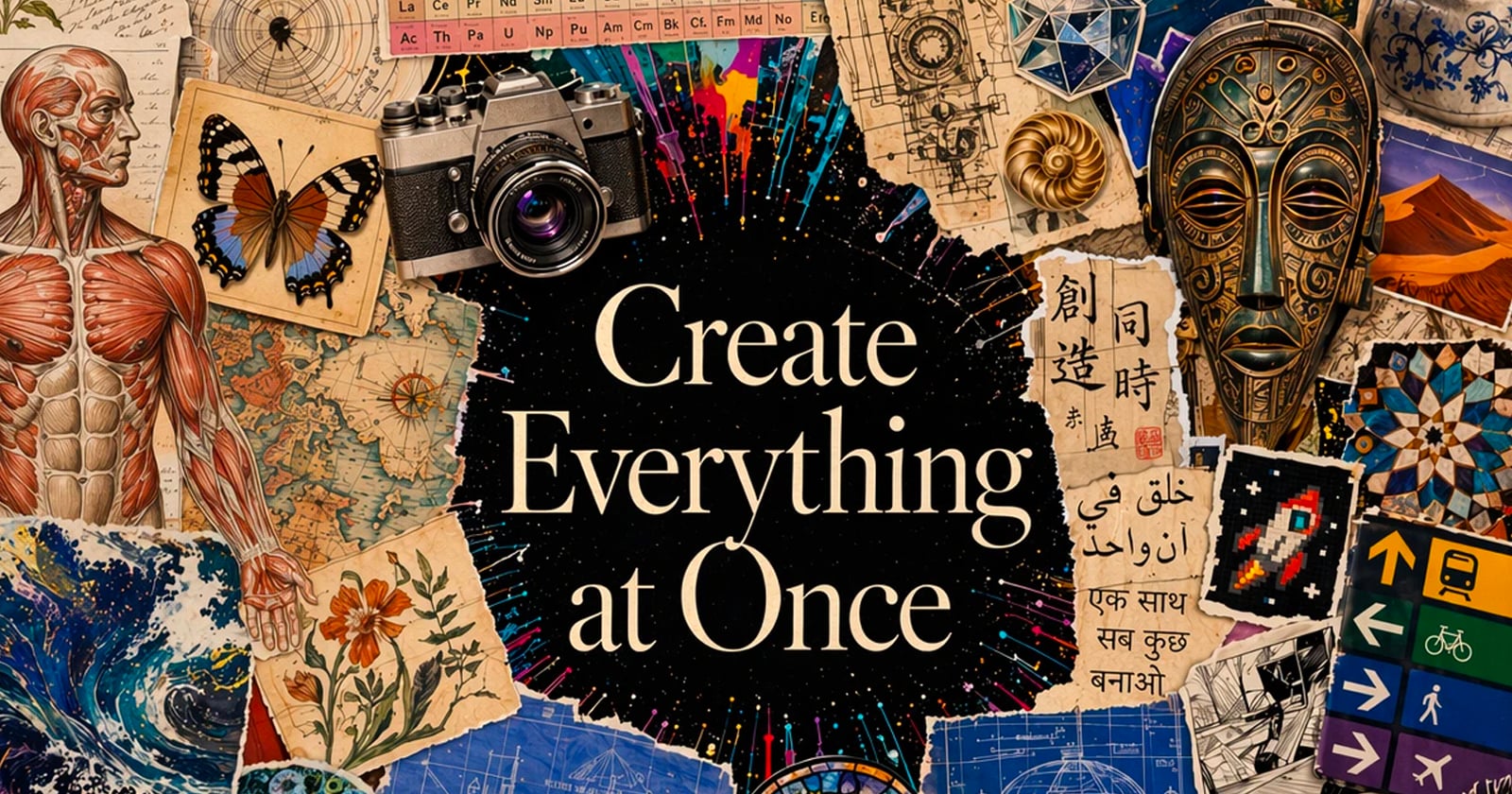
The launch of Images 2.0 comes at a pivotal moment in the generative AI landscape. As competitors like Midjourney and Adobe Firefly continue to refine their artistic capabilities, OpenAI has pivoted toward utility and "visual logic." The company characterizes this shift as a philosophical change in how artificial intelligence interacts with the visual world. OpenAI stated during the announcement that images should be viewed as a language rather than mere decoration, suggesting that a well-constructed image performs the same function as a precise sentence—selecting, arranging, and revealing information to explain mechanisms or test complex ideas.
A New Standard for Precision and Text Rendering
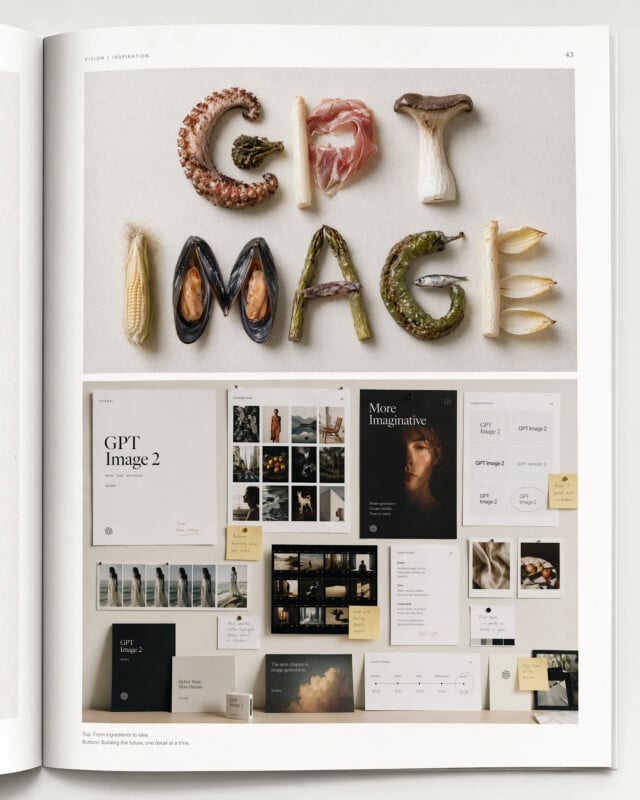
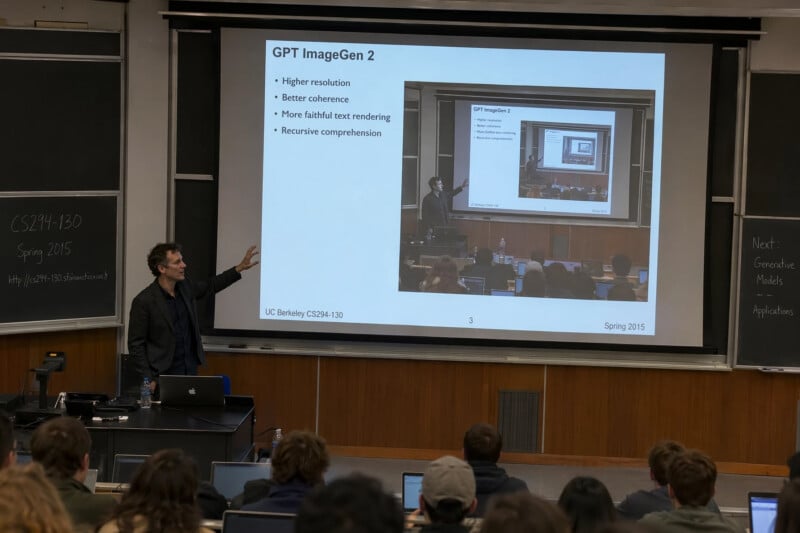
One of the most significant technical hurdles in generative AI has been the accurate rendering of text and the maintenance of fine-grained details in dense compositions. ChatGPT Images 2.0 addresses these challenges directly. The new model demonstrates a superior ability to follow highly specific, multi-layered instructions that previously resulted in "hallucinated" details or ignored parameters. According to OpenAI, the model is now capable of preserving requested details with high fidelity, specifically targeting elements that frequently cause image models to fail: small-scale text, intricate iconography, user interface (UI) elements, and subtle stylistic constraints.
For professional users utilizing the API, the model now supports resolutions up to 2K. This increase in resolution is not merely about pixel count but about the clarity of the underlying data. In practical terms, this allows for the creation of usable UI mockups, technical diagrams, and high-quality marketing assets that require crisp edges and readable typography. The system’s improved object placement ensures that when a user requests a specific layout—such as a specific item on a specific shelf in a complex room—the model adheres to those spatial requirements with far greater consistency than previous versions of DALL-E or ChatGPT’s integrated tools.
Global Accessibility and Multilingual Mastery
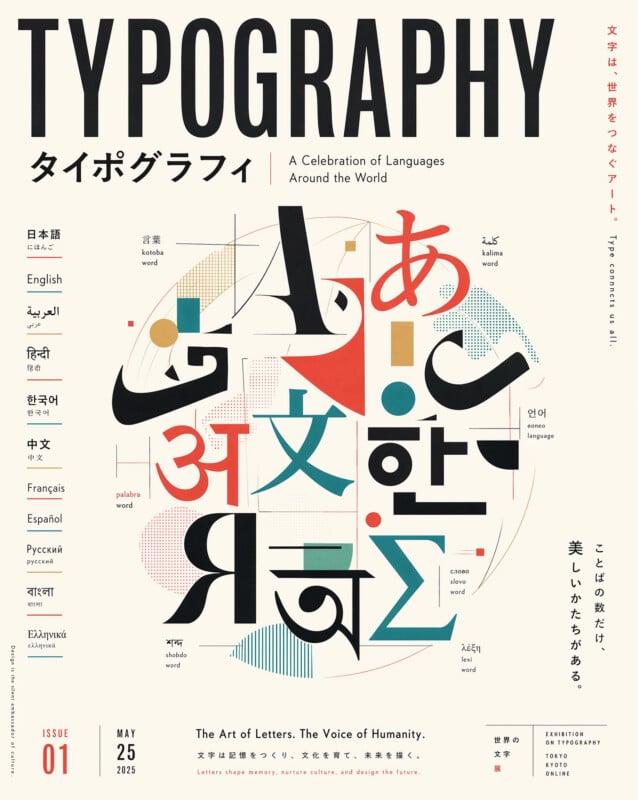
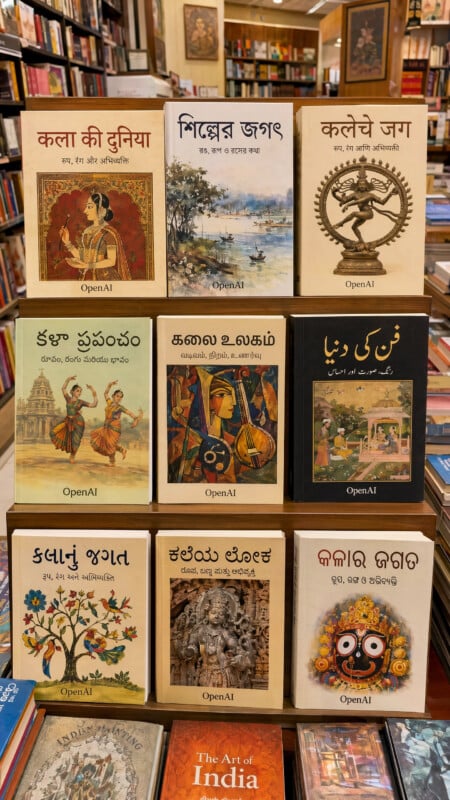
In a major leap for global inclusivity and localization, Images 2.0 features drastically improved multilingual capabilities. Historically, AI image generators have struggled with non-Latin scripts, often producing garbled characters or failing to integrate the text naturally into the visual style of the image. OpenAI has focused heavily on rectifying this, announcing significant gains in rendering Japanese, Korean, Chinese, Hindi, and Bengali.
This improvement is not limited to simple character reproduction. The model understands the typographic nuances and cultural contexts of these languages. It can generate visuals where the language is an organic component of the design, such as a traditional Korean hanok stay advertisement or a Japanese manga-style panel. For global corporations and educators, this means the ability to generate localized content instantly, maintaining brand and educational consistency across different linguistic regions without the need for extensive manual retouching.
The Integration of Reasoning and Visual Continuity
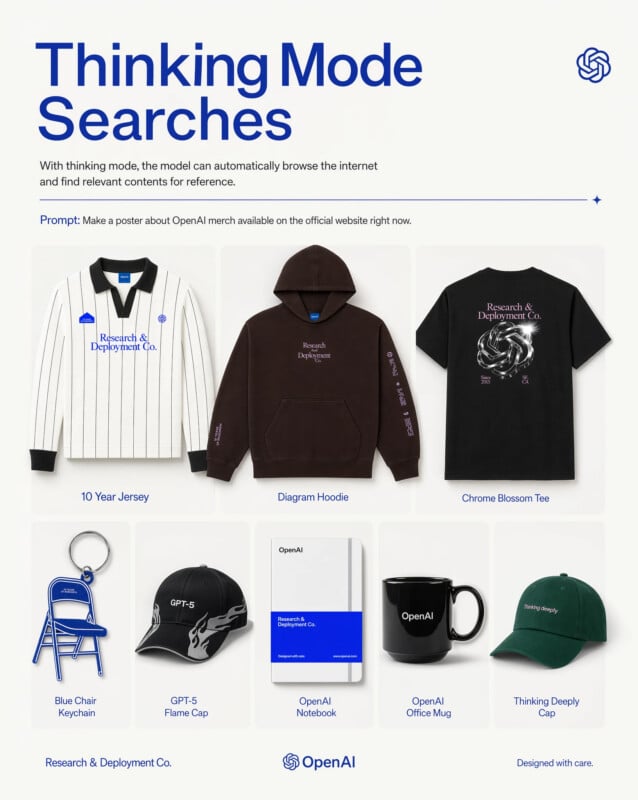
The most transformative feature of Images 2.0 is the introduction of "thinking" capabilities into the image generation process. By leveraging OpenAI’s latest reasoning models, the system can now analyze a request as a series of logical steps rather than a single prompt. This allows the model to act as a "visual thought partner," capable of synthesizing real-time information and maintaining continuity across multiple outputs.
Users can now request a coherent set of up to eight images in a single interaction. This is a breakthrough for storyboarding and sequential storytelling. The model can maintain character and object continuity across these frames, ensuring that a character’s clothing, features, and the surrounding environment remain consistent as a narrative progresses. This capability effectively bridges the gap between static image generation and structured visual planning, allowing for the creation of entire campaigns, comic strips, or instructional guides in a fraction of the time previously required.
Flexible Formats for Real-World Application
Recognizing that visual content is consumed across a vast array of platforms, OpenAI has expanded the supported aspect ratios for Images 2.0. The model can now generate outputs ranging from an ultra-wide 3:1 ratio to an ultra-tall 1:3 ratio. This flexibility is designed to meet the immediate needs of professional workflows, where assets must be tailored for everything from cinematic presentation slides and website banners to mobile-first social media graphics and vertical bookmarks.
By providing these native aspect ratios, OpenAI reduces the necessity for post-generation cropping and upscaling, which often degrades the composition and quality of the image. This "format-ready" approach ensures that the output is immediately actionable for designers and content creators who operate under tight deadlines and specific technical requirements.
Historical Context and the Competitive Landscape
To understand the impact of Images 2.0, it is essential to view it within the chronology of OpenAI’s development. The journey began with the original DALL-E in early 2021, which proved that transformer models could generate images from text. DALL-E 2, released in 2022, brought higher resolution and better comprehension, while DALL-E 3 (integrated into ChatGPT in late 2023) focused on nuance and safety.
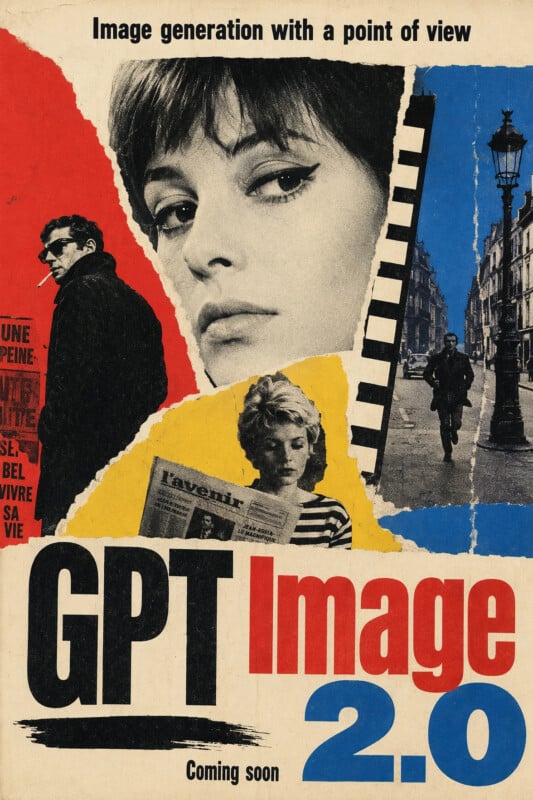
Images 2.0 represents the fourth major milestone in this lineage. While previous versions were often seen as "prompt-and-hope" engines, Images 2.0 is being positioned as a reliable component of the professional "stack." This evolution mirrors the trajectory of Large Language Models (LLMs) themselves—moving from simple chat interfaces to complex agents capable of coding, reasoning, and data analysis.
The competitive pressure from Midjourney (known for its artistic "vibe") and Stable Diffusion (known for its open-source flexibility) has clearly influenced OpenAI’s direction. By doubling down on "reasoning" and "utility," OpenAI is carving out a niche that favors the enterprise and the "prosumer" who requires accuracy and integration over purely abstract or artistic experimentation.
Technical Analysis and Inferred Implications
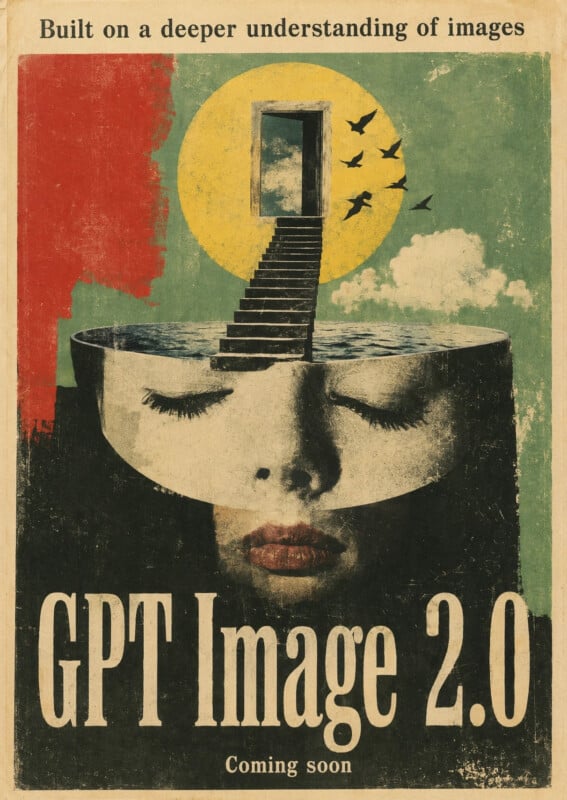
The integration of reasoning models suggests that Images 2.0 is likely utilizing a multi-modal approach where the text-based "thinking" model acts as a director for the diffusion-based "rendering" model. This hierarchical structure allows the AI to catch errors in its own logic before the final pixels are generated. For example, if a prompt asks for a diagram of a planetary gear system, the reasoning model can verify the mechanical layout before the image generator renders it, leading to fewer "impossible" geometries.
However, the implications of this technology extend beyond mere convenience. The ability to generate high-fidelity, text-accurate, and contextually aware images at scale will likely disrupt several sectors:
- Graphic Design: Entry-level layout and asset generation will become increasingly automated, shifting the human designer’s role toward art direction and high-level strategy.
- Education: Teachers can generate complex, accurate diagrams and bilingual aids instantly, catering to diverse student needs.
- Marketing: The cost of localized, multi-platform campaigns will drop significantly as the need for manual resizing and translation is minimized.
- Prototyping: Developers can use the API to generate UI mockups that actually contain readable, relevant text, speeding up the feedback loop in software development.
Limitations and the Path Forward
OpenAI has been transparent regarding the limitations that persist in Images 2.0. Despite the leaps in logic, the model still struggles with highly precise physical reasoning—such as the exact way light refracts through complex glassware or the structural integrity of extremely dense architectural diagrams. These "edge cases" remain a focus for future development.
Furthermore, the company has emphasized that while the model is more autonomous, it is designed to be a "collaborative system." This framing is crucial for navigating the ethical and copyright concerns that continue to surround generative AI. By positioning the tool as a "thought partner" for professionals, OpenAI aims to mitigate the narrative of total human replacement, focusing instead on augmenting human productivity.
Availability and Market Strategy
ChatGPT Images 2.0 is available starting today. Access is tiered based on the user’s subscription model. Standard image generation is available across the platform, but the advanced "reasoning-driven" features—including the eight-image continuity and complex task analysis—are reserved for ChatGPT Plus, Team, and Enterprise users.
For developers, the API offers various pricing structures based on resolution and the level of "thinking" required for the task. This tiered approach allows OpenAI to manage the significant compute costs associated with reasoning models while providing a scalable solution for businesses of different sizes.
As the AI industry moves toward more agentic and multi-modal systems, ChatGPT Images 2.0 stands as a testament to the idea that the future of AI is not just about what it can create, but how it understands the world it is visualizing. By treating images as a structured language, OpenAI is setting a new benchmark for how humans and machines will co-create the visual landscape of the future.

