


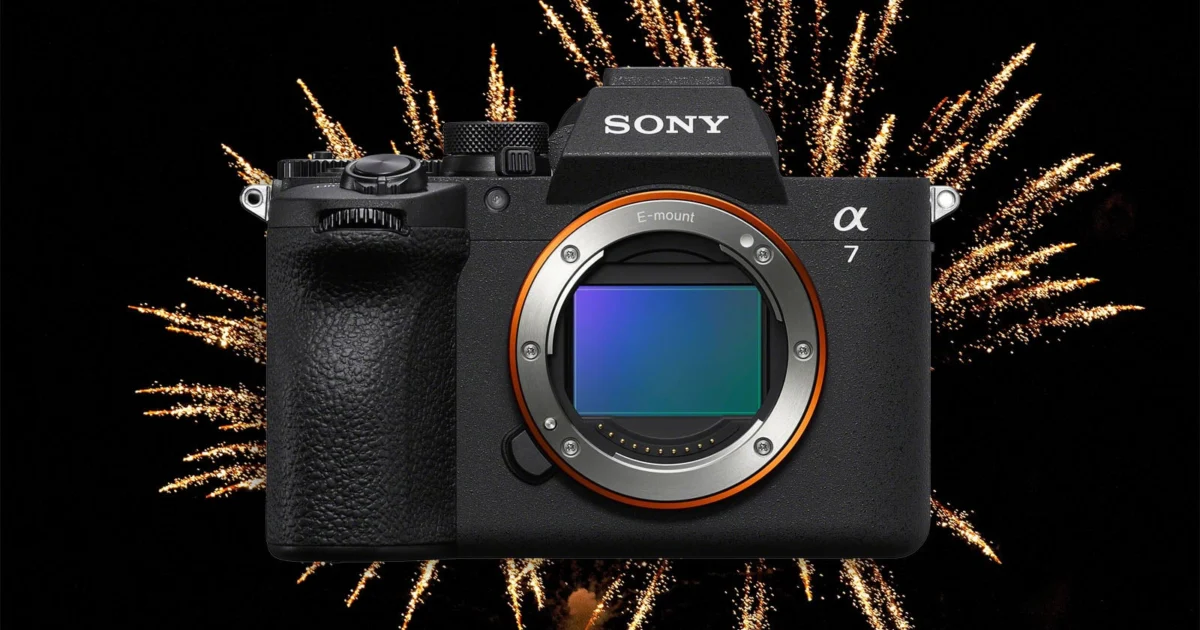
The Sony a7 V has solidified its position as the preeminent choice for photographers in the Japanese market, marking its fifth consecutive month at the top of the sales charts for Map Camera, one of the nation’s most influential specialized photographic retailers. Since its commercial debut in December 2025, the a7 V has consistently outperformed its rivals, maintaining a momentum that industry analysts describe as remarkable for a camera positioned at its price point. In the latest data released for April 2026, the a7 V not only secured the number one spot but did so with a margin characterized by the retailer as "significant" over its nearest competitor, the Fujifilm X100VI. This sustained performance highlights a shifting landscape in the digital imaging industry, where professional-grade features and robust supply chains are dictating consumer behavior in the post-pandemic era.
A Chronology of Market Leadership
The ascent of the Sony a7 V began in late 2025, following a highly anticipated launch that saw Sony refine its "standard" full-frame mirrorless offering. When the camera first appeared on Map Camera’s monthly rankings in December, it immediately displaced older models and rival flagship releases. This initial surge was largely attributed to the loyal Sony user base awaiting a successor to the highly successful a7 IV. However, as the months progressed through early 2026, the data indicated that the camera’s appeal extended beyond simple brand loyalty.
By January 2026, the a7 V had fended off seasonal competition from new releases in the compact segment. In February and March, typically months where sales can fluctuate due to the end of the fiscal year in Japan, the a7 V remained the consistent choice for both professional photographers and high-end enthusiasts. The April 2026 data confirms that the camera has not yet hit a sales plateau, continuing to lead the market even as competitors like Fujifilm and Ricoh introduced or updated their own popular product lines.
Technical Excellence and the E-Mount Advantage
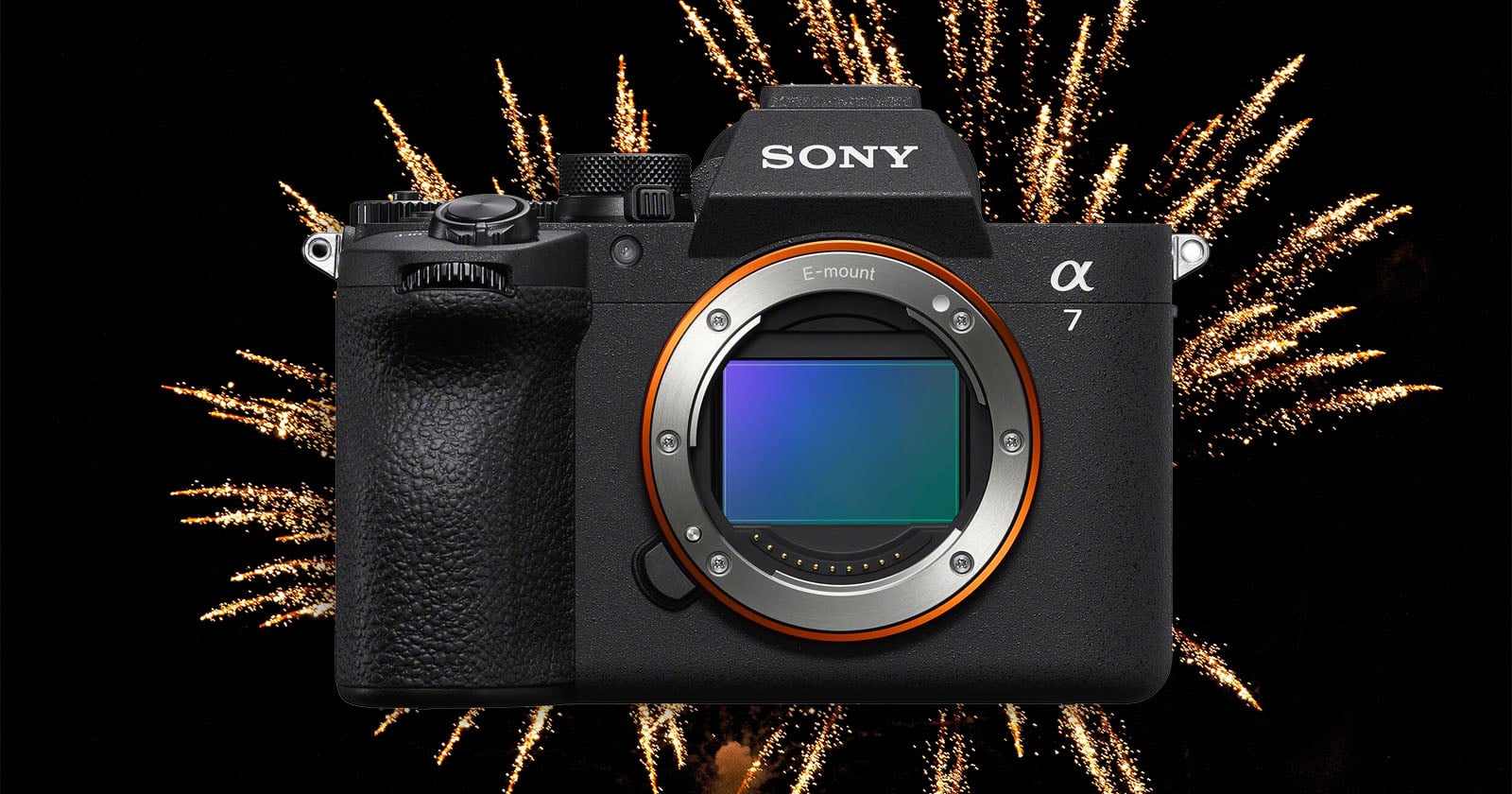
Market analysts and retail representatives at Map Camera attribute the a7 V’s success to a combination of cutting-edge technical specifications and the maturity of the Sony E-mount ecosystem. The a7 V was recently honored as an "Official Selection" in the 2025 industry awards, a recognition that validated Sony’s efforts to integrate advanced artificial intelligence processing for autofocus, improved sensor readout speeds, and enhanced video capabilities into its core model.
One of the most telling metrics provided by Map Camera involves the demographic breakdown of purchasers. While a substantial majority of buyers are existing Sony users upgrading from previous iterations of the a7 series, there has been a notable influx of "switchers"—photographers migrating from other manufacturers. This trend is often cited as a response to the sheer volume of native lenses available for the E-mount. With hundreds of first-party and third-party options from manufacturers like Sigma, Tamron, and Samyang, the Sony system offers a level of versatility that newer mirrorless mounts are still struggling to match. For a consumer investing in a relatively expensive full-frame body, the assurance of a diverse and price-competitive lens library is a decisive factor.
The Economic Equation: Demand Versus Supply
While the Sony a7 V’s feature set is a primary driver of its popularity, the April sales figures also highlight a critical disparity in the global imaging supply chain. The rankings at Map Camera show that while demand for cameras like the Fujifilm X100VI and the Ricoh GR IV remains incredibly high, these models are frequently hampered by chronic stock shortages. The Fujifilm X100VI, which occupied the second-place spot in April, has been plagued by availability issues since its announcement, leading to long waitlists and a frustrated consumer base.
In contrast, Sony has managed to maintain a consistent supply of the a7 V, ensuring that the "demand" side of the economic equation is met with actual retail availability. Map Camera notes that it is impossible to sell units that do not exist in inventory; therefore, Sony’s logistical efficiency has given it a distinct advantage over competitors who may have products with similar levels of consumer interest but insufficient production capacity. This reliability has positioned Sony as the default choice for photographers who need a camera immediately for professional assignments or travel, rather than waiting months for a backordered competitor.
The Competitive Landscape in April 2026
The broader top-ten list at Map Camera for April 2026 reveals a diverse but predictable set of consumer preferences. Fujifilm continues to hold a strong presence in the rankings, with the X-T30 III, X-M5, and X-E5 all making appearances. These models cater to the "prosumer" and enthusiast markets, often favored for their film simulation modes and aesthetic designs. However, none have been able to challenge the a7 V’s dominance in the full-frame category.
A notable entry in the April rankings was the DJI Osmo Pocket 4. The compact, gimbal-stabilized camera made a strong debut, reflecting the growing convergence of traditional photography and high-end vlogging. However, the Osmo Pocket 4’s performance was tempered by two factors. First, persistent rumors of a "Pro" version featuring a dual-camera system likely caused some potential buyers to hesitate, opting to wait for a higher-spec release. Second, the device faces significant geopolitical hurdles. While the Osmo Pocket 4 is a bestseller in Japan and other global markets, it remains unavailable in the United States pending legal and regulatory authorizations. This regional restriction has created a bifurcated market where Japanese consumers have access to a broader range of capture tools than their American counterparts.
Broader Industry Implications
The five-month reign of the Sony a7 V at Map Camera serves as a bellwether for the wider digital imaging industry. It suggests that the "standard" full-frame mirrorless camera has evolved from a mid-range option into a high-performance powerhouse capable of meeting almost any professional requirement. As the lines between the "basic" models and "flagship" models blur, consumers are increasingly willing to invest in a versatile workhorse like the a7 V rather than specialized, niche equipment.
Furthermore, the data underscores the importance of a holistic ecosystem. Sony’s strategy of opening its mount to third-party manufacturers years ago is paying dividends in 2026. By allowing a competitive market for lenses, Sony has created a "sticky" ecosystem that makes it difficult for users to leave and highly attractive for new users to enter.
For competitors like Fujifilm, Nikon, and Canon, the lesson from Map Camera’s recent reports is twofold: technical innovation must be matched by manufacturing volume, and the breadth of the lens catalog remains a primary driver for body sales. As long as Sony can maintain its production levels and continue to leverage its lens advantage, the a7 V is likely to remain a fixture at the top of the charts.
Future Outlook
As the industry moves into the second half of 2026, all eyes will be on whether Sony can sustain this record-breaking run. With major photographic trade shows on the horizon, rumors of new releases from other manufacturers are beginning to circulate. However, the a7 V has proven to be a resilient product, benefiting from a "goldilocks" positioning—offering enough features to satisfy pros without the prohibitive price tag of a flagship a1 or a9 series camera.
Map Camera’s sales data, while specific to the Japanese retail environment, often serves as a leading indicator for global trends. The continued success of the a7 V suggests a stable and healthy market for high-end mirrorless cameras, even as smartphones continue to erode the entry-level point-and-shoot segment. For now, Sony remains the brand to beat in the heart of the enthusiast market, and the a7 V is the standard by which all other "standard" cameras are currently being measured.
The coming months will determine if the rumored DJI "Pro" handheld or a potential production ramp-up from Fujifilm can finally unseat the a7 V. Until then, Sony’s fifth-generation Alpha 7 stands alone at the peak of the Japanese retail landscape, a testament to the brand’s ability to balance innovation, ecosystem depth, and logistical reliability.

