


For nearly two decades, the Lafeber Company has maintained a rigorous and expansive commitment to the advancement of veterinary education, specifically targeting the nuanced fields of avian, exotic, and wildlife medicine. Through its multi-faceted Veterinary Student Program, the organization has facilitated hundreds of educational sessions, ranging from high-tech distance learning seminars to intensive, hands-on surgical wet labs. By partnering with premier veterinary colleges across North America and Europe, Lafeber has effectively bridged the gap between standard veterinary curricula and the specialized requirements of non-traditional species care. This initiative ensures that the next generation of veterinary professionals is equipped with the latest evidence-based protocols to treat a diverse array of patients, from companion parrots and small mammals to aquatic species and wildlife.
A Vision for Future Veterinary Proficiency: 2025-2026 Outlook
The trajectory of the Lafeber Veterinary Student Program shows no signs of slowing, with a robust schedule already slated for the 2025 and 2026 academic years. These upcoming sessions highlight the program’s adaptability to current veterinary challenges and emerging medical trends. On April 20, 2026, Dr. Rebecca Duerr is scheduled to present a virtual session on "Oiled Wild Bird Care" to the Exotic Animal Medicine Club at Kansas State University. This topic is of critical importance given the ongoing environmental risks to avian populations and the specialized toxicological and rehabilitative knowledge required to treat affected wildlife.
Earlier in April 2026, the program will facilitate a session at the University of Arizona where Dr. Amanda Fisher of the University of Pittsburgh will discuss "Laboratory Animal Medicine and Case Studies" with the ZEWA Club. Such sessions underscore the program’s breadth, moving beyond companion animals to include the specialized field of laboratory medicine. Furthermore, the inclusion of "Avian Nutrition Fundamentals" by Kara Burns at Purdue University in March 2026 reinforces the foundational role of diet in exotic animal health—a recurring theme throughout the Lafeber educational series.
The 2025 calendar is equally dense, featuring specialized topics such as "Rabbit Dentistry," led by Dr. Javier Nevarez at Louisiana State University, and "Avian Atherosclerosis" by Dr. Liandrie Swanepoel at the University of Tennessee. These sessions address specific, high-incidence pathologies in exotic medicine, providing students with diagnostic and therapeutic strategies that are often only briefly covered in general veterinary courses.
The Evolution of Distance Learning and Global Outreach
A significant shift in the program’s delivery occurred around 2020, necessitated by global health restrictions but subsequently embraced for its ability to connect world-class experts with students regardless of geography. The "distance-learning" model has allowed specialists like Dr. Yvonne van Zeeland from the Netherlands to present to students at Kansas State University and the European Association of Avian Veterinarians simultaneously. Her January 2025 presentation, "Behavior & Medical Issues in Birds: Separate Concerns or One and the Same?", exemplifies the modern veterinary approach of holistic care, exploring the psychological and physical intersections of avian health.
This digital expansion has also facilitated niche presentations that might otherwise be logistically difficult to organize. For instance, the discussion of "Elephant Reproduction" and twin births at the Rosamond Gifford Zoo, presented by Cornell University’s Dr. Noha Abou-Madi to the University of Tennessee in 2023, brought rare clinical insights to a broad student audience. The program’s ability to pivot between highly technical surgical lectures and broad conservation-based discussions demonstrates a comprehensive educational philosophy.
Technical Mastery Through Sponsored Wet Labs and Symposia
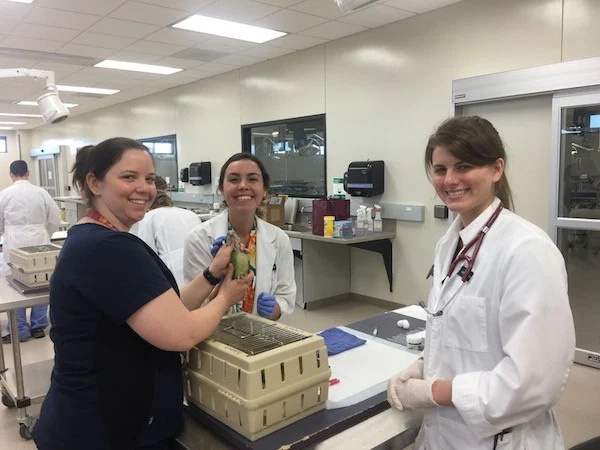
While virtual lectures provide the theoretical framework, Lafeber’s sponsorship of "wet labs"—practical, hands-on training sessions—remains a cornerstone of its impact. At Texas A&M University, Lafeber has been a consistent "Gold Sponsor" for the Zoo, Exotics, & Wildlife (ZEW) Club Wet Labs. These events, such as the avian track held in February 2020 and February 2024, allow students to practice surgical techniques, handling, and diagnostic sampling under the guidance of board-certified specialists.
Similarly, at the Atlantic Veterinary College and North Carolina State University, Lafeber-sponsored events have included "Bird Walks," "Avian Blood Smear Wet Labs," and "Parrot Behavior Wet Labs." These practical sessions are vital for building clinical confidence. For example, the "Rabbit Dentistry Lab" at LSU and the "Exotic Animal Medicine Techniques" wet lab at Kansas State University provide the tactile experience necessary for performing delicate procedures on small, high-stress patients.
Chronicling Two Decades of Educational Support
The historical data of the Lafeber Veterinary Student Program reveals a consistent pattern of supporting "Special Species Symposia." Since at least 2008, the company has acted as a primary sponsor for symposia at Cornell University, the University of Pennsylvania, and UC Davis. These events often serve as the primary networking and educational hub for students pursuing careers in zoological medicine.
- 2008–2012: Foundational Years. Early sessions focused heavily on avian practice basics, featuring experts like Dr. Avery Bennett and Dr. Brian Speer. Topics included falconry, eagle rehabilitation, and comparative nutrition.
- 2013–2017: Broadening the Scope. During this period, the program expanded into more complex surgical topics, such as "Microsurgery in Exotic Animals" by Dr. Cheryl Greenacre and "Avian Reproductive Surgery" by Dr. Stephen Fronefield. It also began incorporating more sessions on fish health and elephant conservation.
- 2018–2022: The Digital Transition. This era saw a rise in webinars and distance learning. Key sessions included "Hyperbaric Therapy in Avian Medicine" and "Lead Toxicity in Local Bird Species." The program also began addressing professional issues, such as diversity in the veterinary profession.
- 2023–2026: Modern Integration. Current and future sessions emphasize advanced diagnostics (CT scans, radiographs), complex behavior-medical links, and emergency critical care.
Strategic Partnerships and Expert Contributions
The success of the program is largely attributed to the caliber of the lecturers involved. Lafeber has consistently engaged Diplomates of the American Board of Veterinary Practitioners (ABVP) and the American College of Zoological Medicine (ACZM). Figures such as Kara Burns, an expert in veterinary nutrition, and Dr. April Romagnano, a frequent contributor at the University of Florida and Tufts University, provide students with insights from the forefront of clinical research.
The program also collaborates with non-profit organizations and wildlife centers, such as the Carolina Raptor Center, Phoenix Landing, and the Association of Avian Veterinarians (AAV). By involving these organizations, Lafeber ensures that students understand the ecosystem of exotic animal care, which includes rescue, rehabilitation, and long-term sanctuary management in addition to clinical medicine.
Broader Impact on the Veterinary Profession
The implications of Lafeber’s sustained investment in veterinary students are profound. Exotic pets, particularly birds and small mammals, are increasingly common in general practice. However, many graduating veterinarians feel underprepared to treat these "non-traditional" species. The Lafeber Veterinary Student Program addresses this "knowledge gap" directly. By providing high-quality educational resources for free or through sponsorship, the program lowers the barrier to specialized knowledge.
Furthermore, the focus on nutrition—exemplified by the numerous "Avian Nutrition Fundamentals" and "Critical Care Feeding" sessions—targets the leading cause of illness in captive exotic animals: improper husbandry. By educating students on the importance of balanced diets (such as the use of EmerAid for critical care), Lafeber is indirectly improving the welfare of countless animals globally.
Conclusion: A Legacy of Academic Philanthropy
The extensive timeline of events from 2007 to 2026 illustrates a legacy of academic philanthropy that is rare in the corporate veterinary world. Lafeber Company has not merely acted as a vendor of nutritional products but has established itself as a vital academic partner. Through the sponsorship of symposia, the facilitation of expert-led wet labs, and the pioneering of global distance learning, the program has shaped the career paths of thousands of veterinarians.
As the field of exotic medicine continues to evolve with advanced imaging, complex surgeries, and a deeper understanding of animal cognition, the need for specialized education will only grow. Based on the projected schedule for 2026, the Lafeber Veterinary Student Program remains at the vanguard of this evolution, ensuring that the veterinary community remains prepared for the challenges of treating the world’s most unique and delicate species.

