


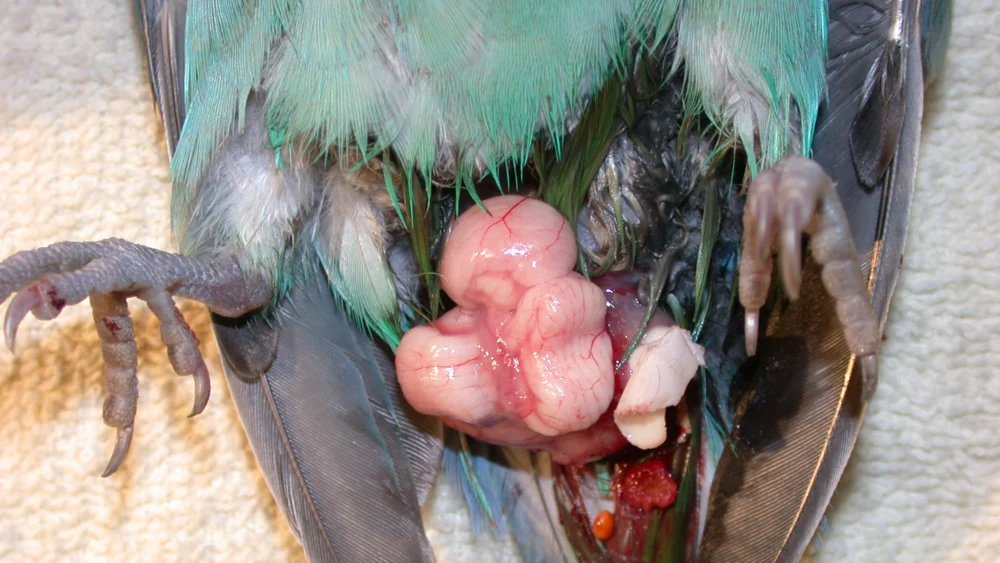
The global veterinary community is preparing for a significant educational event as LafeberVet announces an upcoming clinical webinar titled Reproductive Disease in Female Psittacine Birds. Scheduled for Wednesday, June 24, 2026, at 2:00 PM EDT, the presentation will be delivered by Dr. Don Harris, a renowned figure in avian medicine with over four decades of specialized experience. The session is designed to provide veterinary surgeons, technicians, and students with practical, evidence-based strategies for managing some of the most common and life-threatening conditions seen in captive female parrots.
Reproductive disorders represent a substantial portion of the caseload in avian clinical practice. Among these, dystocia, or egg binding, stands out as a critical emergency that requires immediate and often complex intervention. Dr. Harris intends to utilize his 45-year career to distill complicated surgical and medical protocols into safe, effective methods that practitioners can apply in a clinical setting. The webinar is hosted via the Zoom platform and offers one hour of Registry of Approved Continuing Education (RACE) credit, underscoring its importance as a professional development milestone.
Clinical Focus: The Challenge of Dystocia and Egg Binding
While the broad category of reproductive disease includes conditions such as chronic egg laying, yolk peritonitis, and salpingitis, the primary focus of this webinar is dystocia. Dystocia occurs when an egg fails to pass through the oviduct at a normal rate. In psittacine birds—a group that includes macaws, African greys, cockatiels, and budgerigars—this condition is often multifactorial.
Clinical data suggests that nutritional deficiencies, particularly hypocalcemia (low blood calcium), play a significant role in the prevalence of egg binding. Calcium is essential for the uterine contractions necessary to expel the egg and for the formation of a healthy eggshell. In many captive environments, birds on seed-only diets lack the necessary mineral balance, leading to thin-shelled or "soft-shelled" eggs that are difficult for the bird to pass. Other contributing factors include obesity, lack of exercise, environmental stressors, and anatomical abnormalities.
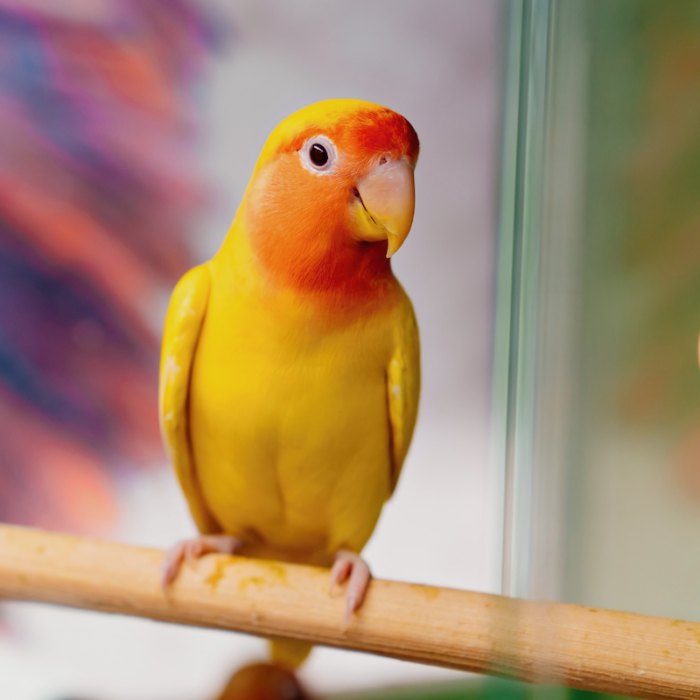
Dr. Harris’s abstract emphasizes a pragmatic approach to these cases. He notes that while various methods exist to resolve egg binding, his presentation will focus on techniques refined over 45 years of practice. These methods prioritize patient safety, acknowledging that avian patients are often highly compromised and stressed by the time they are presented to a veterinarian.
Profile of the Presenter: Dr. Don Harris
The selection of Dr. Don Harris as the keynote speaker brings a high level of authority to the event. A graduate of the Louisiana State University School of Veterinary Medicine, Dr. Harris transitioned from a mixed animal practice to an exclusive focus on avian and exotic species in 1990. In 1996, he established the Avian & Exotic Animal Medical Center in Miami, Florida, which was the first facility of its kind in the region.
Dr. Harris’s influence extends beyond his private practice. He has served as a consulting veterinarian for major institutions, including the Georgia Aquarium Research Center, Miami MetroZoo (now Zoo Miami), and Jungle Island. His leadership roles in the veterinary community are extensive; he is a Past-President of the South Florida Veterinary Medical Association, the Association of Avian Veterinarians (AAV), and the North American Veterinary Community (NAVC). As an organizer of the North American Veterinary Conference—one of the world’s largest veterinary gatherings—Dr. Harris has long been at the forefront of veterinary education and policy.
Chronology and Logistics of the Educational Session
The webinar is structured to ensure maximum accessibility for the international veterinary community. The following timeline and logistical details have been established for the event:
- Registration Period: Open now through the morning of the event via the LafeberVet website and Zoom registration portal.
- Event Date: Wednesday, June 24, 2026.
- Time: 2:00 PM EDT (UTC -04:00). For international participants, the organizers have provided time-zone conversion tools to facilitate global attendance.
- Format: A live digital presentation followed by a dedicated Q&A session.
- Accessibility: For those unable to attend the live broadcast, a recorded version will be archived on the LafeberVet website several days after the event.
Technical requirements for the session include a computer or mobile device with a stable internet connection and functional speakers. The organizers recommend using updated versions of major browsers such as Google Chrome, Mozilla Firefox, or Safari to ensure a seamless viewing experience.
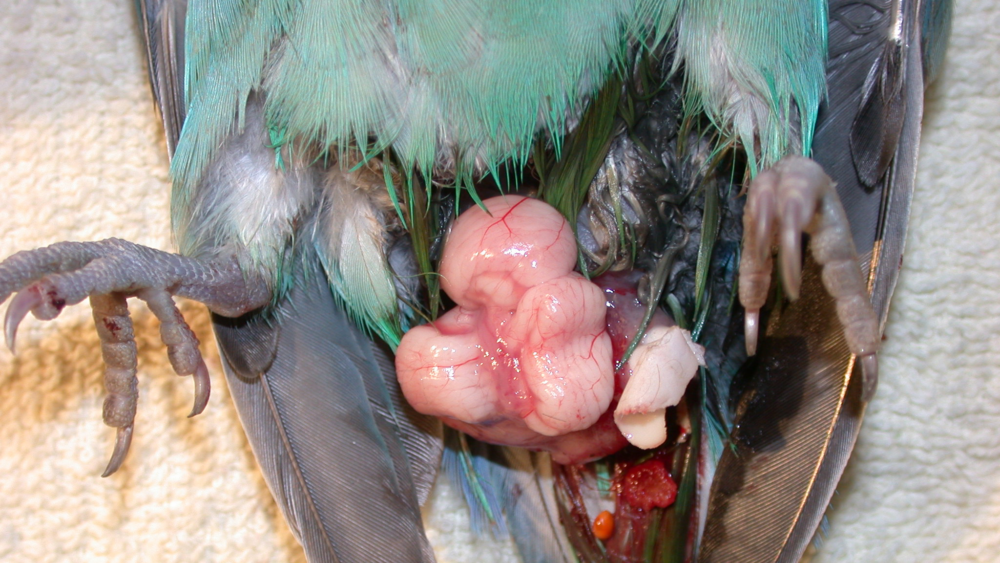
Supporting Data: The Rising Need for Specialized Avian Care
The demand for specialized avian medical knowledge has grown alongside the popularity of birds as companion animals. According to recent pet ownership surveys, millions of households worldwide keep psittacine birds. However, the unique physiology of birds means that they do not always respond to traditional "small animal" medical protocols used for dogs and cats.
Data from avian specialized clinics indicate that reproductive issues are among the top five reasons for emergency admissions in female birds. Cockatiels (Nymphicus hollandicus), in particular, are documented to be "prolific layers" in captivity, often triggered by environmental cues such as extended daylight hours and perceived nesting sites. This hormonal overstimulation can lead to exhaustion of the bird’s physiological reserves, making the insights provided in this webinar particularly relevant for general practitioners who may see these common household pets.
Continuing Education and Professional Accreditation
For many veterinary professionals, the draw of the webinar is the 1.0 credit hour of RACE-approved continuing education. The American Association of Veterinary State Boards (AAVSB) manages the RACE program to ensure that veterinary professionals have access to high-quality, relevant, and scientifically sound educational materials.
In many jurisdictions, veterinarians and veterinary technicians are required to complete a specific number of continuing education hours annually or biennially to maintain their licenses. By offering specialized content on psittacine reproductive disease, LafeberVet fulfills a niche in the educational market, providing high-level training that is often difficult to find in generalized veterinary conferences.
Broader Impact and Implications for Avian Welfare
The implications of this webinar extend beyond the classroom. By equipping veterinarians with better diagnostic and treatment tools for reproductive disease, the overall standard of care for captive birds is elevated.

One of the critical themes expected in the presentation is the move away from invasive procedures when medical management is possible. In the past, egg binding was often met with immediate surgical intervention, which carries high risks in avian patients due to their sensitive respiratory systems and small blood volumes. Dr. Harris is expected to discuss "his ways"—techniques that likely include a combination of hormonal therapy, environmental modification, and minimally invasive manual assistance.
Furthermore, the webinar highlights the importance of preventative medicine. Understanding the mechanics of reproductive disease allows veterinarians to better educate pet owners on nutrition and husbandry. Preventing the onset of dystocia through proper diet (high in calcium and Vitamin D3) and light cycle management is a primary goal of modern avian medicine.
Official Responses and Anticipated Participation
While official "reactions" to the 2026 event are still emerging, the Association of Avian Veterinarians (AAV) and other exotic animal organizations have historically supported LafeberVet’s initiatives. Practitioners in the field often cite these webinars as essential resources for staying current with rapidly evolving medical standards.
The interactive nature of the event—allowing participants to ask questions in real-time—is a significant draw. For many rural or isolated veterinarians, these webinars represent the only opportunity to consult directly with a specialist of Dr. Harris’s caliber. Questions that cannot be addressed during the live hour are typically answered via email and posted publicly, creating a lasting knowledge base for the veterinary community.
As avian medicine continues to advance, the focus on female reproductive health remains a cornerstone of the discipline. The June 2026 webinar stands as a testament to the ongoing commitment of the veterinary profession to improve the lives of psittacine birds through specialized education and clinical excellence. Participants are encouraged to register early and download the provided press materials to share within their local professional networks.

