


Considering the addition of a Nanday Conure to a household is a decision that requires thorough research into the species’ unique characteristics, particularly its vibrant personality and exceptionally high vocalization levels. These friendly and playful South American parrots, scientifically classified as Aratinga nenday, can indeed make fulfilling companions, but their suitability is intrinsically linked to an owner’s profound tolerance for noise and a commitment to extensive long-term care. Understanding their natural history, dietary requirements, behavioral needs, and potential ecological impact as an introduced species is paramount for prospective owners and environmental observers alike.
Scientific Classification and Taxonomy
The Nanday Conure, also widely known as the Black-hooded Conure due to its distinctive appearance, has a fascinating taxonomic history. Initially categorized under its own genus, Nandayus nenday, a pivotal study published in 2004 by Ribas and Miyaki, titled "Molecular systematics in Aratinga parakeets: species limits and historical biogeography in the ‘solstitialis’ group, and the systematic position of Nandayus nenday", led to its reclassification. This molecular phylogenetic analysis demonstrated that Nandayus nenday did not warrant its own genus but instead belonged within Aratinga, closely related to species such as the Sun Conure (Aratinga solstitialis) and Jenday Conure (Aratinga jandaya). This reclassification reflected a deeper understanding of conure evolutionary relationships, unifying a group of species with shared morphological and genetic traits. The common name, Nanday, persists, often spelled with an ‘A’ for historical reasons, while the scientific species epithet uses an ‘E’, nenday. This taxonomic update helps ornithologists and aviculturists alike better contextualize the species within the broader parrot family.
Physical Characteristics
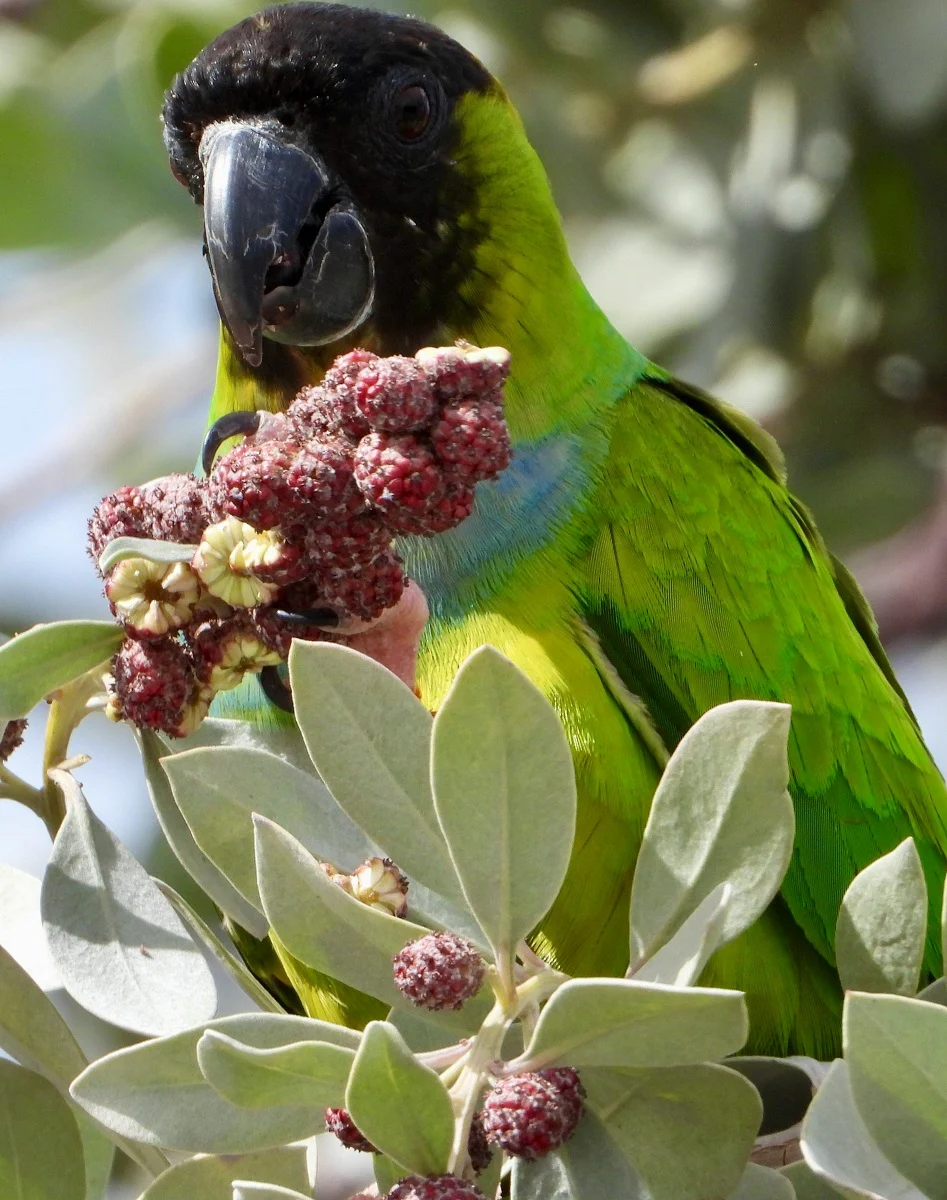
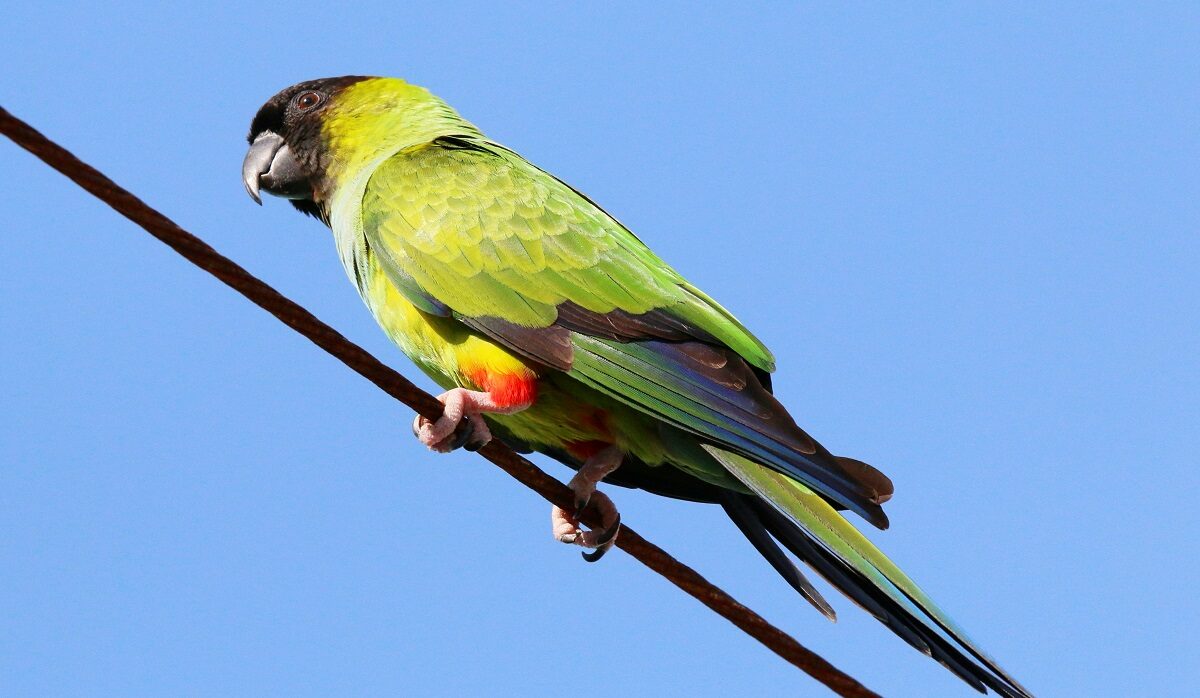
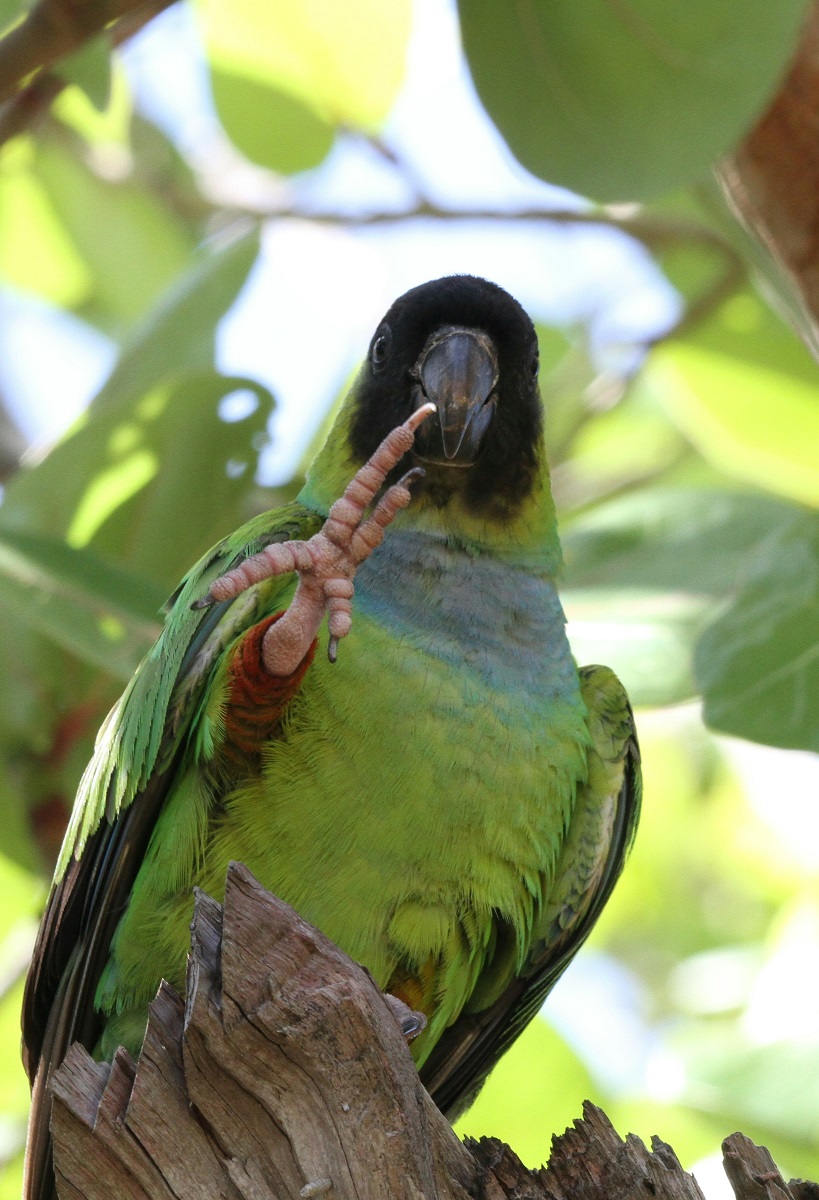
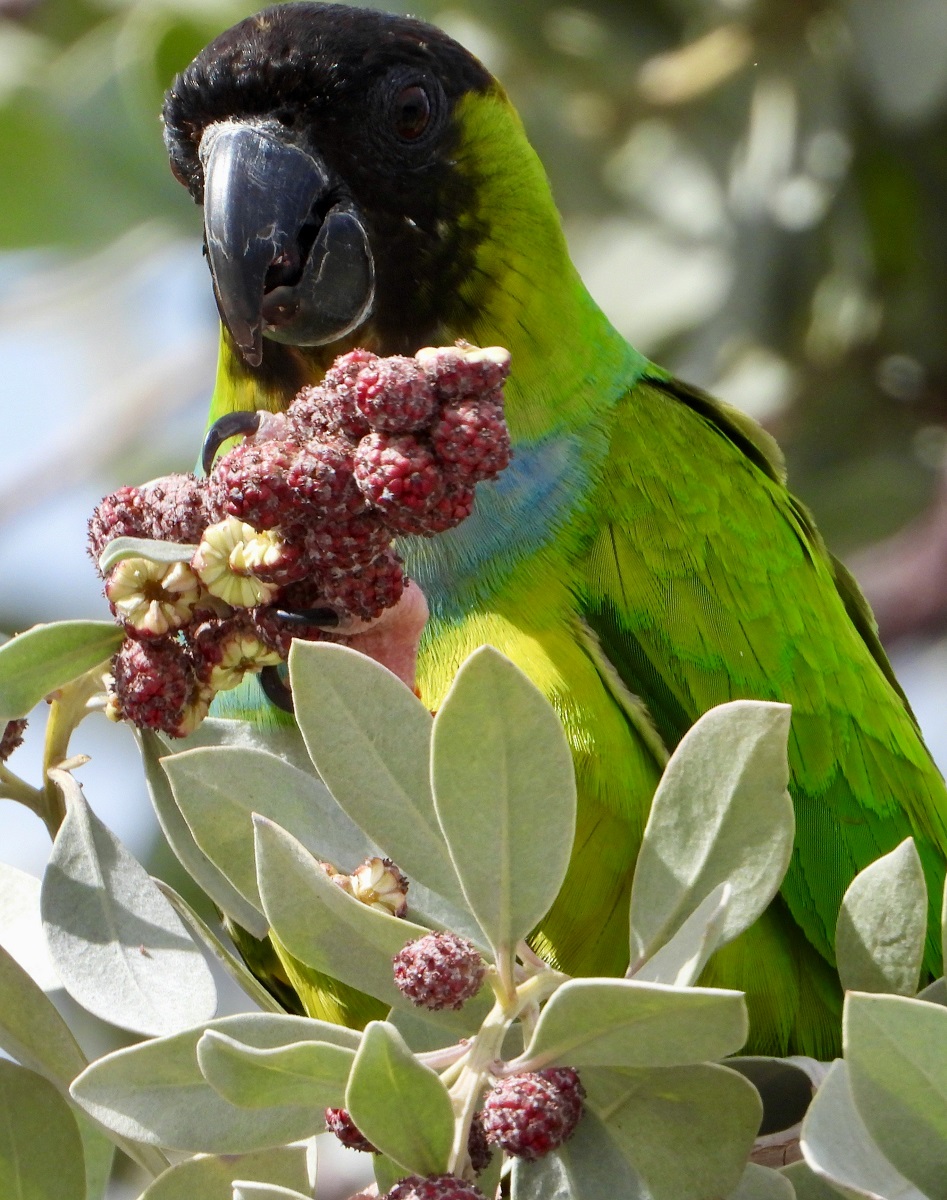
The Nanday Conure’s appearance is as striking as its call. It is a small to medium-sized parrot, typically reaching up to 12 inches (30 cm) in length and weighing around 140 grams as an adult. Its most defining feature is the stark, glossy black hood that covers its head, giving it the "black-hooded" moniker. This black plumage contrasts sharply with its otherwise brilliant emerald green body feathers. The hood is often bordered by a few brownish feathers, adding subtle detail. Further enhancing its distinctive look are a robust black beak, prominent white eye rings that accentuate its gaze, and vibrant blue-green chest feathers. Its thighs display a striking bright red, a flash of color visible when the bird is active. These physical attributes make it an easily recognizable and visually appealing species.
Native Range, Habitat, and Conservation Status
Indigenous to central South America, the Nanday Conure’s natural range forms a narrow band stretching across the heart of Paraguay, extending into southern Brazil, eastern Bolivia, and northern Argentina. Within this expansive territory, the species demonstrates a preference for open lowlands, typically found at altitudes up to approximately 2,600 feet (800 meters). Their habitats are characterized by a mix of environments, ranging from swampy to quite dry conditions, often dotted with palm trees. These palms, particularly species like Copernicia, are crucial for nesting and foraging, providing both shelter and a significant portion of their wild diet.
Intriguingly, the Nanday Conure’s population dynamics have been influenced by human activity. The species has shown a remarkable adaptability to anthropogenically altered landscapes, thriving in areas where former forests have been converted into cattle pastures. This habitat change, rather than posing a threat, has inadvertently contributed to an increase in their wild population size. Consequently, the International Union for Conservation of Nature (IUCN) Red List currently classifies Aratinga nenday as a species of "Least Concern." This assessment reflects a stable or increasing population trend in its native range, a somewhat paradoxical situation given the general decline observed in many other parrot species globally due to habitat loss.
The Global Footprint: Nanday Conures as Invasive Species
While thriving in modified habitats within their native range, the Nanday Conure has also established itself as an invasive species in several non-native regions across the globe. This phenomenon is largely attributed to the release or escape of pet birds, which, once introduced to favorable climates and environments, have successfully adapted, reproduced, and formed feral flocks. Notable populations of naturalized Nanday Conures are now found in diverse locations, including parts of Spain, various regions of California, and Florida in the United States. In fact, a 2019 study by Uehling, Tallant, and Pruett-Jones on the status of naturalized parrots in the United States identified the Nanday Conure as being among the top three most successful invasive parrot species in the country.
The establishment of invasive parrot populations, including Nanday Conures, carries significant ecological implications. These non-native species can exert negative pressures on local ecosystems by competing with native wildlife for essential resources such as food and nesting sites. They may also contribute to crop damage in agricultural areas, and there is a potential for them to transmit diseases to native bird populations. For instance, their dietary adaptability, combined with their flocking behavior, allows them to exploit new food sources and quickly establish dominance in novel environments, posing a challenge to native biodiversity. The presence of these feral populations underscores the critical responsibility of pet owners to prevent the escape of their birds and to consider the long-term environmental consequences of owning exotic species.
Understanding the Nanday Conure Diet: Wild vs. Captive Needs
The nutritional requirements of Nanday Conures are complex, varying between their wild and captive environments. In their natural habitat, these conures exhibit a highly varied diet, foraging on an array of wild fruits, seeds, berries, flowers, and flower buds. A significant component of their diet includes the fruits of Copernicia palms, which are abundant in their preferred lowlands. Beyond direct consumption, their feeding habits contribute to ecosystem functions; a 2002 study by Ragusa-Netto highlighted the Nanday Conure’s role as a pollinator for the Erythrina dominguezii tree, drinking nectar from its vibrant flowers and inadvertently spreading pollen. Furthermore, like many other South American parrot species, Nanday Conures are known to visit clay licks. This geophagy, the consumption of soil, is thought to be a crucial behavior for obtaining necessary micronutrients and neutralizing toxins present in their varied diet.
In captivity, replicating this diverse natural diet is essential for maintaining the bird’s health and longevity. Avian veterinarians, including specialists like Dr. Daisy (as referenced in the original source), now widely advocate for a high-quality pellet food as the cornerstone of a captive conure’s diet. This recommendation stems from a significant shift in understanding parrot nutrition; historically, seed mixes were the primary choice, but these are now known to often lead to nutritional deficiencies, particularly a lack of essential vitamins and minerals, and contribute to obesity due to their high fat content.
To enrich the pellet-based diet and provide additional nutrients, fresh fruits and vegetables should be offered daily. Safe and healthy options include grapes, leafy greens (such as kale, spinach, and romaine lettuce), apples (without seeds), bell peppers, broccoli, carrots, and various other parrot-safe produce. These fresh items provide vitamins, fiber, and mental stimulation. Owners can also supplement their conure’s diet with small amounts of sprouted seeds, cooked whole grains like pasta and brown rice, and occasional protein sources such as pieces of boiled egg. It is crucial to research parrot-safe foods thoroughly, as certain common human foods, like avocado and chocolate, are toxic to parrots. A balanced and varied diet is a cornerstone of responsible parrot ownership, directly impacting the bird’s physical health, feather quality, and overall well-being.
Creating an Optimal Environment: Housing and Safety
Providing appropriate housing is fundamental to the welfare of a Nanday Conure. Given their active nature and need for space, a full-sized aviary is the ideal solution, especially if daily free-roaming time outside the cage cannot be consistently provided. An aviary with a minimum length of 10 feet (3 meters) allows for ample flight and exercise. For those housing them in cages, it is imperative to choose the largest possible enclosure, with a minimum recommended size of 30 x 24 x 24 inches (75 x 60 x 60 cm), though larger is always preferable. Crucially, cage length and width are more important than height, as parrots primarily fly horizontally. The conure must be able to fully stretch its wings without touching the cage bars.
The cage environment should be rich and stimulating. It must contain a variety of natural wood perches of different diameters and textures to promote foot health and prevent pressure sores. Platforms can also provide resting spots. A diverse array of conure-appropriate toys is essential to combat boredom and encourage natural behaviors like chewing and foraging. These toys should be rotated regularly to maintain novelty. At least one food bowl and a consistent source of clean, fresh water are non-negotiable.
Beyond the physical setup, ensuring a safe living environment is critical due to parrots’ sensitive respiratory systems and inquisitive nature. Birds possess highly efficient but delicate lungs, making them extremely vulnerable to airborne toxins. Owners must strictly avoid smoking, using aerosol sprays (e.g., air fresheners, hairspray), burning scented candles, and cooking with nonstick cookware (which can release toxic fumes when overheated) in the vicinity of their bird. Proper ventilation is also key. Parrot-proofing a space where the bird spends time outside its cage is equally important, involving securing windows and doors, removing toxic plants, covering electrical cords, and eliminating access to small ingestible objects or hazardous chemicals.
Beyond the Cage: The Critical Role of Enrichment and Socialization
The intellectual capacity and highly social nature of Nanday Conures make enrichment and socialization arguably the most challenging, yet vital, aspects of their care. Parrots are remarkably intelligent animals, and a lack of mental stimulation can lead to severe behavioral issues such as feather picking, self-mutilation, aggression, excessive screaming, and even profound depression.
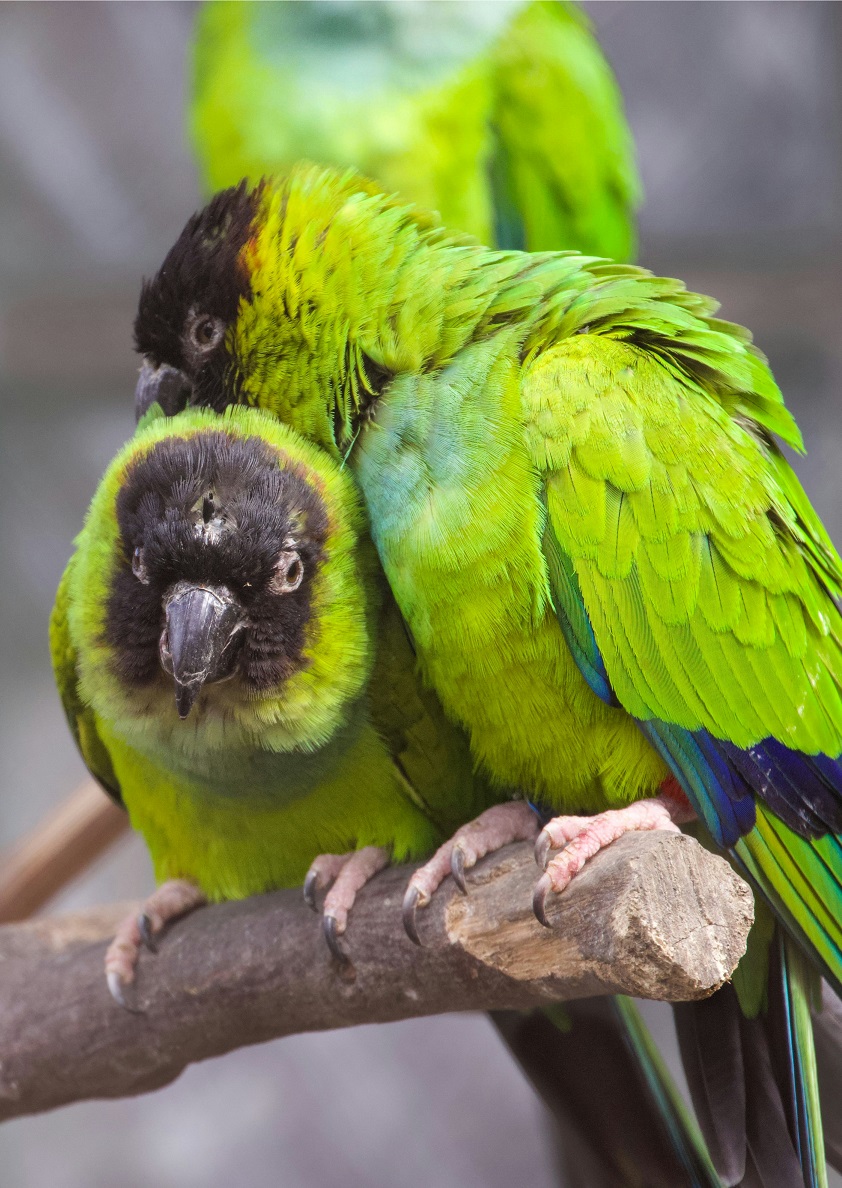
At the core of enrichment is social interaction. Nanday Conures are exceptionally social birds that thrive on attention and interaction with their human flock. Insufficient social engagement can trigger significant stress and anxiety. If an owner works a regular 9-to-5 job, leaving a parrot alone for eight hours a day can be detrimental. In such scenarios, acquiring a second Nanday Conure to provide companionship can significantly mitigate loneliness and stress, though it does not replace human interaction entirely.
To keep a Nanday Conure mentally and physically engaged, a multi-faceted approach to enrichment is necessary:
- Foraging Opportunities: Mimic their natural foraging behaviors by hiding food in puzzle toys, wrapping it in paper, or scattering it within their cage substrate. This encourages problem-solving and extends feeding time.
- Chew Toys: Provide a constant supply of safe, shreddable, and chewable toys made from natural wood, paper, or leather. Chewing is a natural and necessary behavior for beak health and mental release.
- Bathing: Offer regular opportunities for bathing, whether through a shallow dish of water, a misting spray, or even a shower perch. This promotes feather health and provides sensory enrichment.
- Training: Engage in positive reinforcement training sessions. Nanday Conures are intelligent and can learn tricks, basic commands, and even short phrases. Training strengthens the bond between bird and owner and provides mental exercise.
- Flight and Exercise: If an aviary is not available, ensure ample supervised out-of-cage time for flight and physical activity in a safe, parrot-proofed environment. Exercise is crucial for physical health and preventing obesity.
- Auditory and Visual Stimulation: Play soft music, talk to the bird, or even provide bird-safe television or radio programs when the owner is absent. Rotate the placement of toys and perches within the cage to provide novelty and encourage exploration.
- Social Play: Dedicate time each day for direct interaction, including talking, cuddling (if the bird enjoys it), and playing games. This reinforces their bond and fulfills their deep social needs.
It is also crucial for every parrot owner to be prepared for potential emergencies. Parrots are curious, fragile, and prone to accidents. Knowing basic parrot emergency care, such as how to safely transport an injured bird, identify signs of illness, and administer first aid, can be life-saving.
Temperament and Behavioral Nuances
Aratinga conures, including the Nanday, are widely appreciated by parrot owners for their generally friendly and outgoing dispositions. Unlike some other conure genera, such as Pyrrhura (which includes the Green-cheeked Conure) that can be prone to nipping, a well-socialized Nanday Conure is typically less inclined to bite. While individual personalities vary, most Nandays tend to be accepting of new people and can integrate well into a family environment, often forming bonds with multiple members.
Their highly social nature means they are often described as outgoing and affectionate. However, this same trait can also manifest as "neediness." Nanday Conures can become overly dependent on their primary caregiver, potentially leading to separation anxiety, characterized by persistent screaming when the owner leaves the room, or exhibiting jealousy towards "competitors" for attention, whether another pet or even a family member. An ideal day for a Nanday Conure would likely involve engaging with stimulating noise-making toys, participating in talking training sessions with their human companions, receiving ample head scratches, and perhaps enjoying a peaceful nap perched on their owner’s shoulder. Their vibrant personalities make them engaging companions, but also demand consistent interaction and understanding of their emotional needs.
The Decibel Dilemma: Managing Nanday Conure Vocalizations
Perhaps the most significant consideration for prospective Nanday Conure owners is their extraordinary vocal capacity. These birds are not merely loud; they are renowned for being among the loudest parrot species, a trait particularly characteristic of the Aratinga genus. Robin Deutsch, in her 2009 book Good Parrotkeeping, starkly illustrates this, noting: "In terms of numbers, a macaw can scream at 105 decibels, a Moluccan cockatoo can scream at 135 decibels, and the little nanday conure has been recorded as high as 155 decibels. Screams this high can injure your eardrums." This level of noise is comparable to a jet engine at takeoff or a shotgun blast, far exceeding the threshold for hearing damage in humans.
It is absolutely imperative for anyone considering a Nanday Conure to realistically assess their tolerance for such extreme noise levels before committing to ownership. Prospective owners are strongly advised to seek out opportunities to hear Nanday Conures in person, perhaps by visiting a breeder or an owner. Online resources like xeno-canto, which hosts recordings of various bird calls, can also provide a realistic preview of their vocalizations. Furthermore, the living situation of the owner is a critical factor; the piercing flock calls and general noisiness of Nanday Conures make them potentially unsuitable for apartment dwellers or those living in close proximity to neighbors who may not appreciate constant high-decibel sounds.
Parrots generally exhibit increased vocalizations around dawn and dusk, mirroring their natural flock calling times, and also when they are excited, startled, or seeking attention. Beyond their characteristic loud screams and flock calls, Nandays will also whistle, chirp, and may imitate common household noises, adding to the auditory landscape they create. Managing this vocalization requires patience, consistency, and an understanding of the underlying causes (e.g., boredom, attention-seeking, natural flock calls).
Communication and Mimicry
While their reputation for extreme volume often overshadows other vocal abilities, Nanday Conures do possess a capacity for mimicry and speech, though they are not on par with species renowned for their talking prowess, such as the African Grey Parrot. Owners cannot expect their Nanday to articulate entire sentences with clarity. However, many Nandays can pick up and repeat a significant amount of what they hear in their environment. This often manifests as "baby babble" – indistinct but recognizable sounds and phrases – that the bird produces during play or when relaxed.
Owners interested in encouraging their Nanday to talk can try whistling simple tunes or consistently repeating short words or phrases, such as the bird’s name or common greetings. While not every Nanday Conure will develop extensive vocabulary, many will surprise their owners with their ability to imitate sounds and phrases, adding another dimension to their engaging personalities. Patience and consistent positive reinforcement are key to fostering these communication skills.
Ethical Considerations and Long-Term Commitment
The decision to welcome a Nanday Conure into one’s home carries significant ethical and practical implications, demanding a profound long-term commitment. With a lifespan extending up to 30 years, owning a Nanday Conure is akin to caring for a human child into adulthood, requiring dedication through various life stages, including potential changes in the owner’s circumstances. This long lifespan necessitates careful planning for the bird’s future care, including provisions for its welfare should the owner become unable to care for it.
The ethical responsibility extends to preventing these adaptable birds from contributing to invasive populations. Responsible ownership means ensuring cages are secure, wings are properly clipped (if chosen by the owner, in consultation with an avian vet), and never releasing unwanted pets into the wild. Furthermore, the species’ high intelligence and social needs underscore the ethical imperative to provide constant mental stimulation and social interaction, preventing the profound psychological distress that can arise from neglect or boredom. A Nanday Conure is not merely a pet; it is a sentient, highly intelligent being that thrives on engagement and a meticulously catered environment.
In conclusion, the Nanday Conure, with its striking appearance, vivacious personality, and profound vocalizations, represents a unique and rewarding companion for the exceptionally prepared owner. Their adaptability in the wild, both in their native range and as an invasive species, highlights their resilience, while their complex needs in captivity underscore the deep commitment required. Understanding their biology, behavior, and the implications of their ownership is fundamental to ensuring the welfare of these remarkable parrots and responsibly managing their interactions with human and natural environments.

