


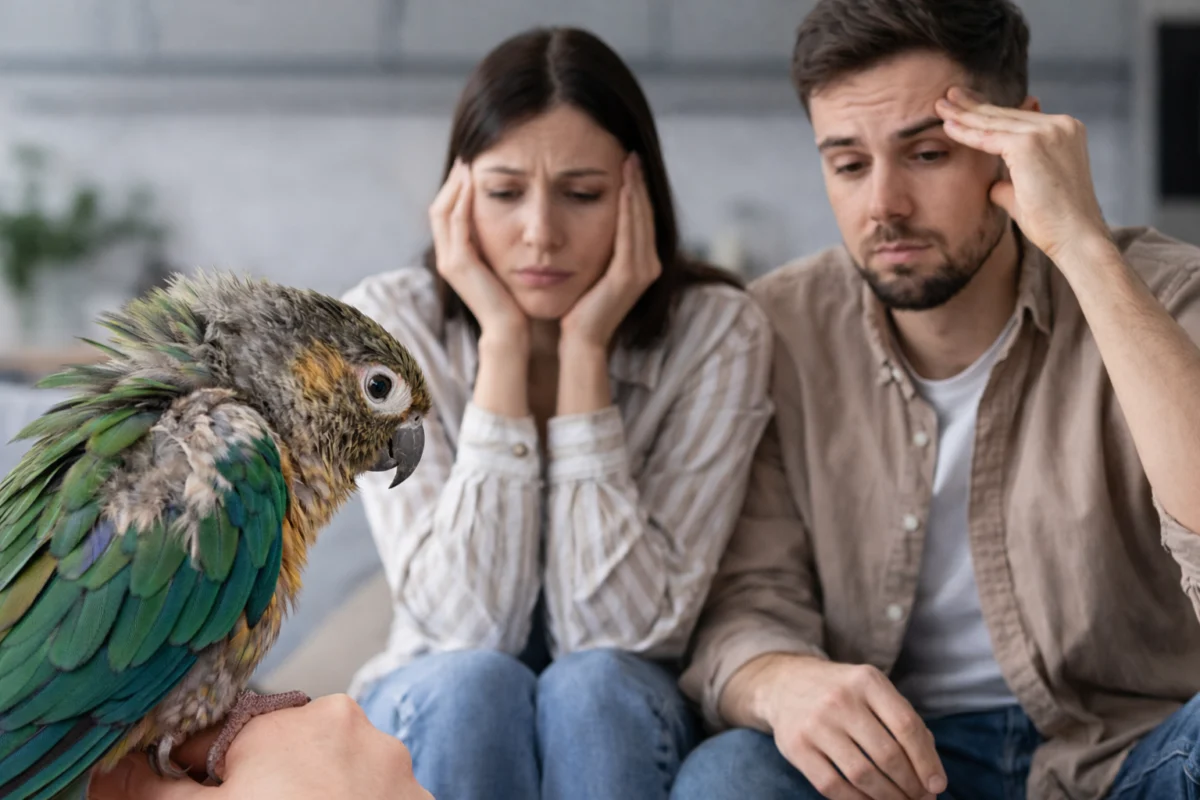
For many bird owners, chronic feather, skin, or what often feels like a "never-ending molt" is not a sudden affliction but a protracted ordeal. This persistent challenge emerges after weeks or even months of observing a distressing pattern: feathers falling out, new ones growing back poorly, or an incessant irritation that leaves owners questioning, "Is this molting or plucking?", "Why does this never end?", and "Why won’t the feathers just heal?" This guide aims to provide clarity and actionable strategies for navigating this complex issue, moving beyond initial panic to a structured approach for avian wellness. Published on February 1, 2026, and last updated on February 2, 2026, this article, authored by Diane Burroughs, delves into recognizing when a bird’s natural repair mechanisms are failing and outlines the critical steps for effective intervention, emphasizing the role of observable bird behavior and the appropriate timing for behavioral modification, always secondary to ruling out medical causes.
Understanding Avian Integument: The Foundation of Feather Health
Feathers are far more than mere adornment; they are complex, vital structures essential for a bird’s survival and well-being. Comprising approximately 4-12% of a bird’s body weight, depending on the species, feathers facilitate flight, provide insulation against extreme temperatures, offer waterproofing, aid in camouflage, and play a crucial role in social signaling and courtship displays (Stettenheim, 2000). The process of molting, the periodic shedding of old feathers and growth of new ones, is a natural and necessary physiological event. This cyclical renewal ensures the integrity of the plumage, replacing worn or damaged feathers with fresh, functional ones. However, this intricate biological process is highly energy-intensive, demanding significant nutritional resources and precise hormonal regulation (Chen et al., 2020). When a bird experiences chronic feather or skin issues, it signals a disruption in this fundamental biological system, impacting nearly every aspect of its health and quality of life.
Recognizing the Early Warning Signs: Beyond a ‘Rough Feather Day’
The initial signs of chronic feather and skin problems are rarely dramatic. Instead, owners typically observe a repeating pattern that gradually worsens. What might begin as an extended molting period can escalate into visible feather damage, skin irritation, and behavioral changes. Instead of immediately concluding "molt" or "plucking," the crucial first step is to slow down and meticulously document the observable bird behaviors and physical changes. This objective observation forms the basis for accurate assessment.
Common observations include:
- Excessive Feather Loss: More feathers than typical for a normal molt, or continuous shedding outside of defined molting periods.
- Poor Feather Quality: New feathers appearing dull, misshapen, frayed, or with visible "stress bars" – horizontal lines indicating periods of nutritional deficiency or stress during growth (McGraw, 2006).
- Skin Irritation: Redness, flakiness, scabs, or lesions on the skin, often accompanied by the bird frequently scratching or rubbing.
- Persistent Preening/Picking: An increased focus on preening that appears compulsive, destructive, or causes feather damage, rather than healthy maintenance.
- Bald Patches: Areas where feathers are consistently missing or fail to grow back.
- Itching and Discomfort: The bird may exhibit restless behavior, excessive scratching, or attempts to alleviate discomfort by rubbing against surfaces.
An effective action plan for owners involves defining the last time the bird had fully healthy feathers and then systematically photographing the affected areas weekly under consistent lighting conditions. This photographic log provides objective evidence of progression or regression, moving beyond guesswork and emotional interpretation.
Distinguishing Normal Molt from Chronic Issues
A normal molt follows a predictable, albeit sometimes uncomfortable, cycle. Feathers drop in waves, new pin feathers emerge, and the process resolves, leaving the bird with a fresh, vibrant coat. The "spiky" pin-feather phase, while itchy, is temporary and typically subsides as the feathers unfurl and the skin normalizes. However, certain indicators should raise concern:
- Prolonged or Constant Molt: A molt that lasts for several months without resolution, or one that appears to be perpetually ongoing, preventing the bird from ever having a full, healthy plumage.
- Recurrent Bald Spots: Specific areas where feathers repeatedly fall out and fail to regrow, or where new feathers are immediately damaged.
- Visible Skin Damage: Any sign of inflamed, broken, or bleeding skin, which indicates more than just normal preening or molting irritation.
- Feathers Growing Back with Defects: New feathers that are brittle, discolored, stunted, or develop stress bars, signaling systemic issues during their formation.
- Behavioral Distress: The bird exhibiting signs of chronic pain, lethargy, loss of appetite, or increased irritability coinciding with feather issues.
It is natural for owners to compare their bird’s condition to others, but the most relevant comparison is always against the bird’s own past health. When a troubling pattern persists without a break, it strongly suggests that the bird’s body is not receiving the necessary conditions or resources to heal effectively.
Immediate Steps for Owners: Stabilization and Support
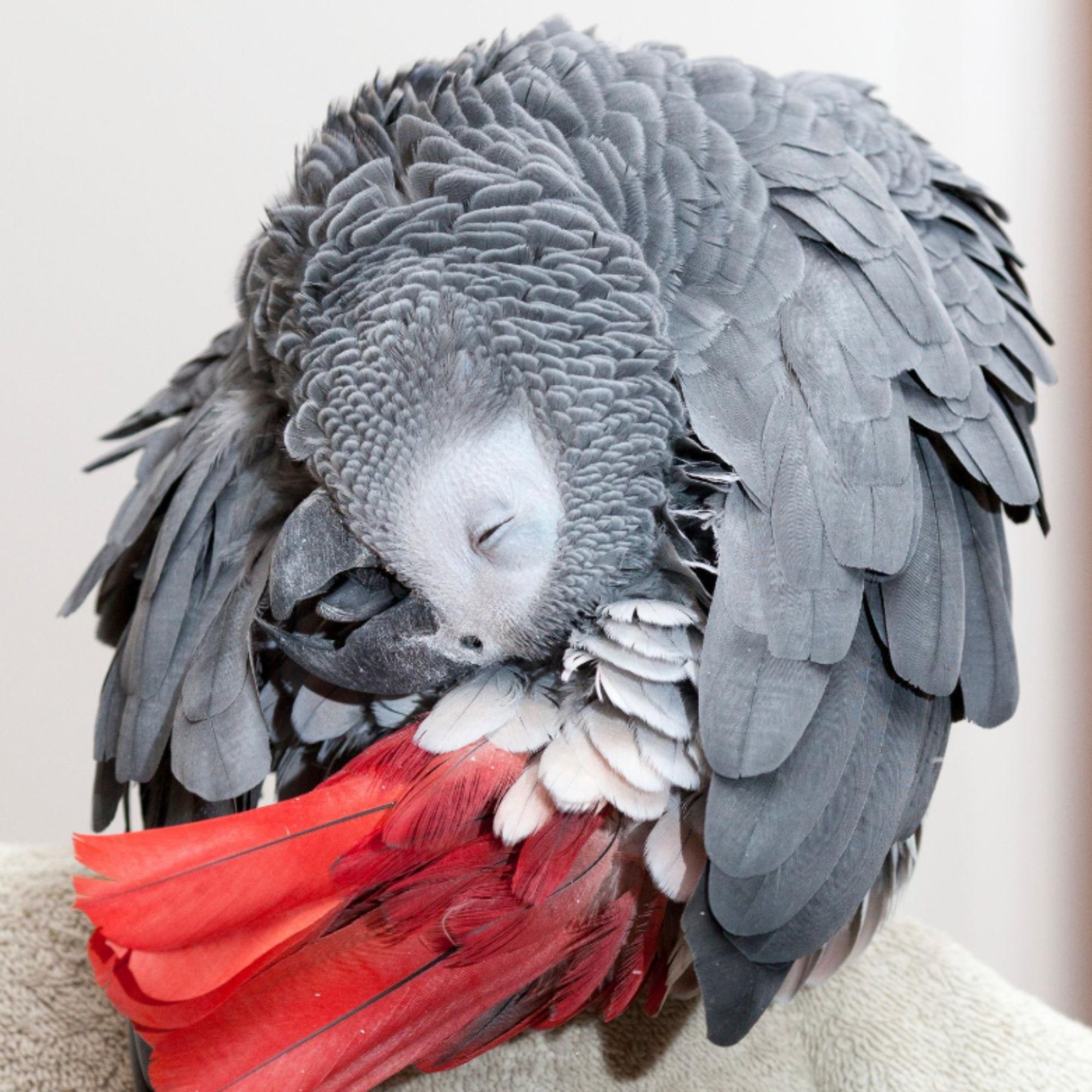
When confronted with chronic feather issues, the immediate focus should be on stabilization rather than attempting to "fix" everything at once. This critical phase involves providing the bird with the optimal environment and resources to reduce systemic stress and support its natural healing processes. This is not about panic-driven interventions or complex new routines, but rather simplifying and fortifying the bird’s baseline care.
Key stabilization strategies include:
- Ensuring Adequate Sleep: Providing a consistent 10-12 hours of uninterrupted darkness and quiet each night. This allows the bird’s body to repair and regenerate, crucial for feather growth.
- Optimal Nutrition: Reviewing and enhancing the bird’s diet to ensure it is balanced, nutrient-dense, and species-appropriate. This means moving away from seed-heavy diets towards high-quality pellets, fresh fruits, vegetables, and appropriate supplements as advised by an avian vet. Essential fatty acids, vitamins (especially A and B complexes), and minerals are vital for feather quality.
- Consistent Hydration and Bathing Opportunities: Ensuring constant access to fresh water and regular opportunities for bathing (misting, shallow water dish, or shower perches) helps maintain skin and feather hydration and cleanliness, easing discomfort.
- Stable and Predictable Routine: Maintaining a consistent daily schedule for feeding, interaction, and rest reduces anxiety and allows the bird to feel secure in its environment.
- Minimizing Environmental Stressors: Identifying and reducing potential sources of stress such as loud noises, sudden changes in environment, perceived threats (e.g., other pets, uncontrolled children), or excessive handling.
This stabilization phase is distinct from aggressive medical treatments or immediate behavioral modification. Its purpose is to create a supportive "breathing room" for the bird’s body, allowing healthier feathers to develop without additional physiological burdens. Rushing into multiple changes simultaneously can paradoxically increase stress, hindering the body’s ability to heal and prolonging the cycle of poor feather growth. The goal is to shift the bird from a state of chronic stress to one where its natural repair mechanisms can function optimally.
The Science of Stress: Why Healing Can Be Halted
Feather regrowth is one of the most metabolically demanding processes a bird undergoes, even under ideal conditions. It requires substantial energy, protein, vitamins, and minerals. When a bird is already exerting such effort, additional stressors—such as insufficient sleep, constant environmental disturbances, frequent changes in routine, or improper diet—can overwhelm its physiological capacity. The body’s resources are diverted to manage stress responses (e.g., elevated cortisol levels), leaving fewer resources available for feather production and repair. This often manifests first in the feathers, which become brittle, discolored, or malformed.
Consider the human analogy: when recovering from illness or exhaustion, individuals require rest, simple nourishment, and a calm environment. They do not typically engage in strenuous activity or complex tasks. Birds, too, require this fundamental support when their bodies are under strain from feather growth. A constant state of alertness or anxiety prevents the body from entering the restorative phases necessary for healing. From a behavioral perspective, a stressed bird may engage in self-destructive behaviors, such as excessive plucking or mutilation, as a coping mechanism, further exacerbating feather and skin damage.
Common, often unrecognized, ways stress is inadvertently added to a bird’s life include:
- Inconsistent Schedules: Erratic feeding times, irregular cage cleaning, or unpredictable interaction patterns.
- Over-handling or Forced Interaction: Continuously attempting to interact with a bird that prefers more autonomy or is showing signs of being overwhelmed.
- Lack of Environmental Enrichment: A sterile cage environment devoid of opportunities for foraging, chewing, and exploration, leading to boredom and frustration.
- Dietary Imbalances: Providing a diet rich in empty calories (e.g., seeds) and lacking essential nutrients, which directly impacts the building blocks of feathers.
- Inadequate Light Cycle: Insufficient dark periods for rest, or exposure to artificial light during natural nighttime hours.
- Perceived Threats: Placement of the cage in a high-traffic area, near windows with outdoor predators, or in proximity to other pets that cause anxiety.
- Punitive Training Methods: Using fear or intimidation, which creates a chronic state of anxiety.
Recognizing these subtle stressors is not about assigning blame but about empowering owners to create a more supportive and predictable environment. By reducing day-to-day stress, the underlying conditions become more favorable for the next round of feathers to grow in healthier.
Nutritional and Environmental Influences: A Deeper Dive
Beyond stress, specific nutritional deficiencies and environmental shortcomings frequently underpin chronic feather and skin issues.
- Nutrition: A diet lacking in essential amino acids (especially methionine and lysine), vitamins (particularly A, D, E, and B-complex), and minerals (such as zinc, copper, and calcium) directly compromises keratin synthesis, the primary protein component of feathers. Seed-only diets are notoriously deficient in these critical elements, often leading to dull, brittle, or malformed feathers. Supplementation, under veterinary guidance, can address specific deficiencies.
- Humidity: Indoor environments, especially in colder climates with central heating, often have significantly lower humidity than a bird’s natural habitat. Low humidity can lead to dry, itchy skin and brittle feathers, making them more prone to breakage and discomfort. Regular misting, humidifiers, and bathing opportunities are crucial for maintaining skin and feather hydration.
- Light Spectrum: Birds require full-spectrum lighting, including UVA and UVB, for proper vitamin D synthesis and hormone regulation. Inadequate lighting can disrupt natural molting cycles and contribute to overall poor health, impacting feather quality.
- Allergens and Toxins: Exposure to environmental irritants like smoke, chemical aerosols, strong cleaning products, dust, or certain plant pollens can trigger skin allergies and respiratory issues, which may manifest as feather plucking or skin irritation. Heavy metal toxicity (e.g., lead, zinc) can also severely impact feather development and overall health.
The Role of Professional Intervention: Veterinarians and Behaviorists
Knowing when to transition from supportive home care to professional intervention is crucial. Owners should contact an avian veterinarian if they observe any of the following:

- Rapid Weight Loss or Keel Prominence: Indicating significant illness or malnutrition.
- Visible Skin Damage: Open wounds, infections, or persistent inflammation.
- Lethargy or Marked Change in Energy Levels: A bird that is unusually quiet, sleeping excessively, or shows reduced activity.
- Appetite Shifts: A sudden decrease or increase in food intake.
- Changes in Droppings: Diarrhea, unusual color, or volume.
- Bleeding Feathers or Follicles: Indicating severe damage or infection.
- Suspected Pain: Hunched posture, reluctance to move, or vocalizations of distress.
- Symptoms of specific diseases: Swelling, discharge from nares or eyes, neurological signs.
An avian veterinarian will conduct a thorough physical examination, potentially including blood tests (complete blood count, chemistry panel), feather and skin biopsies, bacterial/fungal cultures, viral screening (e.g., PBFD, Polyomavirus), and imaging (X-rays) to identify underlying medical conditions (Lightfoot, 2024). Once medical causes have been definitively ruled out and the issue appears to be primarily habit-driven or stress-related, a qualified bird behaviorist can provide invaluable assistance.
Addressing the Root Cause: Medical vs. Behavioral Strategies
The sequence of intervention is paramount: medical assessment always precedes behavioral modification. It is unethical and ineffective to attempt to "fix" a behavioral problem like feather plucking if an underlying medical condition is causing pain or discomfort.
-
Medical Treatment: If a medical cause is identified, the veterinarian will prescribe appropriate treatments, which may include antibiotics for bacterial infections, antifungals, antiparasitics, nutritional supplements, pain relief, or environmental adjustments. Addressing the physical ailment is the first step towards resolving the feather issues.
-
Behavioral Modification: Once medical issues are ruled out, behavior work focuses not on "correcting" feather-destructive behavior directly, but on enriching the bird’s environment and reinforcing natural, healthy parrot activities. Behavior modification involves positive reinforcement techniques to encourage behaviors such as:
- Foraging: Providing opportunities to search for food, mimicking natural behaviors.
- Chewing and Destruction: Offering safe, destructible toys and materials to satisfy their natural urge to chew.
- Bathing: Regular access to water for preening and cleaning.
- Social Interaction: Appropriate, positive interaction with caregivers.
- Exploration and Play: Providing a stimulating environment with rotating toys and safe spaces for exploration.
These natural behaviors serve as powerful stress relievers for parrots. By increasing the frequency and duration of these engaging activities, the bird’s focus shifts away from its feathers. As stress levels decrease and predictability in the environment increases, both the bird’s overall behavior and the quality of its plumage tend to improve concurrently. This approach recognizes that chronic feather issues, in the absence of medical causes, are often symptoms of an underlying inability to cope with environmental stressors or a lack of appropriate stimulation.
Long-Term Implications and Owner Responsibilities
Chronic feather and skin issues, if left unaddressed, can lead to severe long-term implications for a bird’s health and welfare. Beyond the cosmetic damage, persistent plucking can result in painful skin infections, expose the bird to hypothermia (due to lack of insulation), impair flight capabilities, and significantly reduce its quality of life. The constant discomfort and stress can also lead to chronic anxiety, aggression, or depression in the bird.
For owners, managing chronic feather issues can be emotionally draining and financially burdensome, requiring repeated veterinary visits, specialized diets, and ongoing environmental adjustments. However, responsible pet ownership demands a commitment to understanding and addressing these complex problems. Education, patience, and a proactive approach are key. Owners must be prepared to invest time in observation, routine adjustments, and, when necessary, seeking expert professional help. By understanding the biological and behavioral nuances of avian feather health, owners can transform a distressing situation into an opportunity to provide a truly enriched and healthful life for their feathered companions.
Key Takeaway
Effectively managing chronic feather and skin issues in birds hinges on a methodical approach where the timing and nature of interventions are critical. The initial focus must always be on supporting the bird’s fundamental physiological needs: optimizing physical health, ensuring adequate rest, providing superior nutrition, and establishing predictable, low-stress routines. Should feather problems persist, worsen, or be accompanied by alarming signs such as weight loss, pain, or significant skin damage, immediate consultation with an avian veterinarian is imperative to diagnose and treat any underlying medical conditions. Behavioral support, provided by a qualified avian behaviorist, enters the picture only after medical causes have been definitively ruled out. This behavioral intervention is most effective when it concentrates on mitigating stress and reinforcing natural parrot behaviors, rather than attempting to force a cessation of plucking or other feather-destructive habits. By adhering to this structured framework, owners can provide the most effective and compassionate care for their birds, fostering genuine recovery and long-term well-being.

