


A groundbreaking scientific study has revealed a sobering truth about wildlife conservation efforts: returning rescued animals to their natural habitats does not always guarantee a successful outcome. In a significant portion of cases, animals that have spent time in captivity face perilous challenges upon their release, transforming what should be a sanctuary into what researchers are starkly describing as a "death trap." This alarming finding challenges deeply held assumptions about rescue and rehabilitation programs and calls for a critical re-evaluation of current practices, particularly for species with complex social structures and unique biological traits.
The findings, published in the esteemed journal Global Ecology and Conservation, stem from meticulous research conducted by a collaborative team of international scientists. Leading the investigation was Professor Anna Nekaris OBE, a distinguished primatologist from Anglia Ruskin University, working alongside colleagues from the conservation organization Plumploris e.V. and the University of Western Australia. Their in-depth examination focused on the fate of Bengal slow lorises (Nycticebus bengalensis) that were released back into their native environments in Bangladesh, a region grappling with significant biodiversity loss and extensive illegal wildlife trade.
The Plight of the Slow Loris: A Victim of Its Own Charm
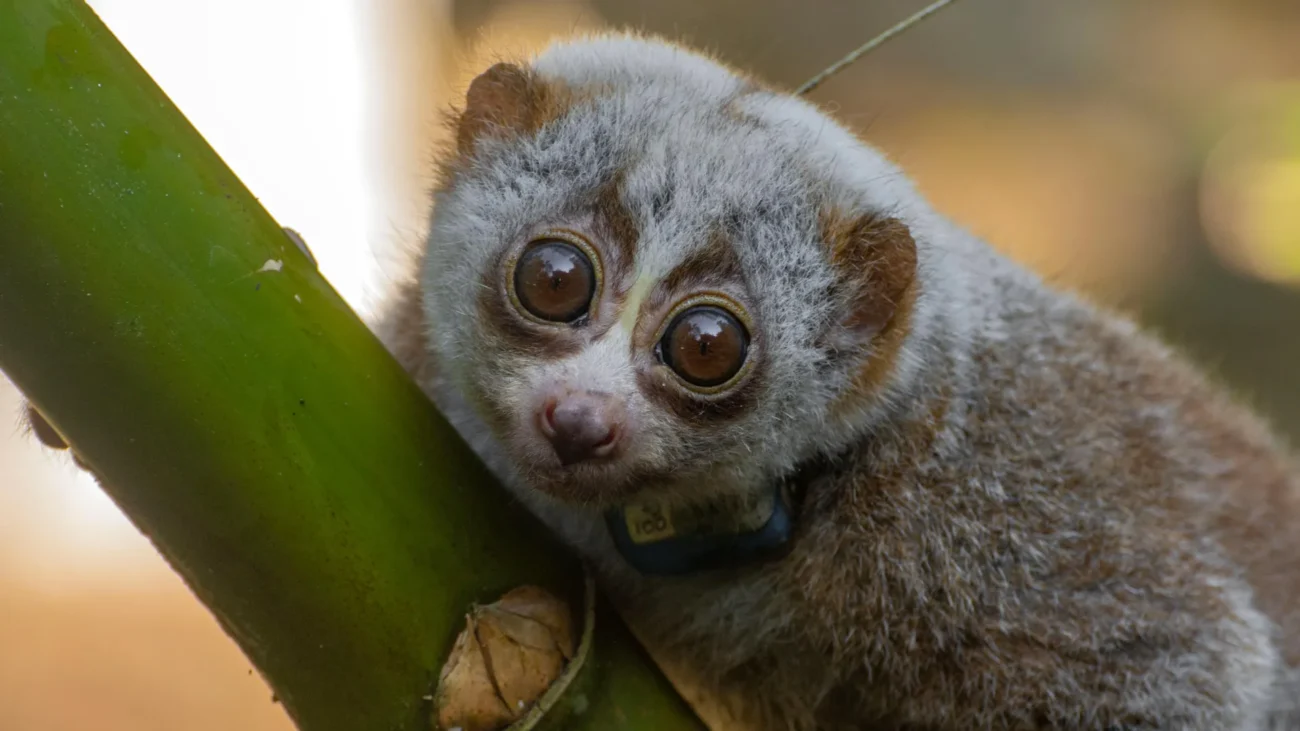
Slow lorises, with their distinctively large, expressive eyes and seemingly gentle facial features, have become unwitting stars in the illicit global pet trade. This unfortunate popularity has propelled them to become some of the most heavily trafficked primates worldwide. Their appeal, however, belies a complex and often misunderstood biology, including their status as the world’s only venomous primates.
The International Union for Conservation of Nature (IUCN) classifies all slow loris species as either Critically Endangered, Endangered, or Vulnerable. This precarious conservation status underscores the urgent need for effective interventions. Rescue and subsequent release are frequently employed as conservation strategies, aiming to bolster dwindling wild populations. However, this new research casts a shadow of doubt over the efficacy and inherent safety of these release programs when not meticulously planned and executed.
A Tragic Experiment: Tracking Survival in the Wild
The research team’s investigation into the fate of Bengal slow lorises after release was both ambitious and heart-wrenching. Nine individual Bengal slow lorises, rescued from the illegal pet trade and rehabilitated, were fitted with sophisticated radio collars. These devices allowed scientists to meticulously track their movements and survival rates after they were reintroduced into a national park in northeastern Bangladesh, an area previously utilized for similar wildlife release initiatives.
The results were undeniably stark and deeply concerning. Out of the nine lorises released, a mere two survived. The grim toll began almost immediately, with three animals succumbing within a mere ten days of their return to the forest. The situation worsened over the ensuing six months, as an additional four lorises died. In total, seven of the nine animals perished. The researchers were able to recover the bodies of four of these unfortunate individuals. Post-mortem examinations revealed a disturbing commonality: all four showed clear evidence of having been fatally attacked and killed by other slow lorises.
Territorial Aggression and Venomous Encounters: The Unseen Dangers
The lethal aggressions observed were directly linked to the inherent nature of slow lorises. These primates are known for their highly territorial behavior. Furthermore, they possess a unique defense mechanism: a venomous bite. Specialized glands in their elbows produce a secretion that, when mixed with saliva, creates a potent toxin delivered through their modified teeth.
The recovered lorises bore significant bite wounds on their heads, faces, and digits, irrefutable evidence that deadly territorial conflicts were the primary cause of their demise. These encounters highlight a critical flaw in release strategies that fail to account for the intrinsic social dynamics and territorial imperatives of the species.
Further analysis revealed a correlation between the duration of captivity and post-release survival. Animals that had spent longer periods in rehabilitation exhibited significantly shorter survival times in the wild. This suggests that prolonged absence from their natural environment may impair their ability to navigate the complex social hierarchies and territorial disputes of wild populations. The released lorises also displayed behavioral anomalies; they moved more extensively and appeared noticeably more alert than their wild counterparts, which typically exhibit more settled and less anxious patterns of movement.
The two surviving lorises exhibited a different pattern of behavior. They traversed significantly larger areas than those that died. This suggests that their survival was contingent upon their ability to move away from established territories and, crucially, avoid confrontations with resident slow lorises. This adaptability, or perhaps desperation to find unoccupied space, appears to have been key to their continued existence.
Rethinking Release: A Call for Enhanced Conservation Protocols
The disparity in tracking efforts between species is also a significant concern. While large and charismatic animals, such as big cats, often benefit from intensive post-release monitoring, many smaller species receive far less attention. Consequently, the actual outcomes of their release programs frequently remain unknown, masking potential failures and perpetuating flawed methodologies.
The researchers emphatically stress that successful wildlife releases are not a simple matter of returning an animal to its habitat. They necessitate meticulous planning and a holistic approach. This includes a thorough evaluation of the suitability of the proposed release site, not just in terms of habitat but also in the context of existing resident populations and their territorial dynamics. The physical and psychological condition of each individual animal is also paramount.
Detailed habitat assessments, long-term monitoring strategies, and the development of rehabilitation guidelines specifically tailored to the behavioral and ecological needs of each species are crucial for improving the chances of success. The current "one-size-fits-all" approach is clearly inadequate and, as demonstrated, can be detrimental.
Professor Anna Nekaris OBE, the senior author of the study and a leading figure in slow loris conservation through the Little Fireface Project, articulated the gravity of the findings. "It’s assumed that returning confiscated or rescued animals to the wild is always a positive conservation story," she stated. "Our research shows that for highly territorial species like slow lorises, releasing them into areas that are already densely populated can be a death trap."
She elaborated on the societal pressures influencing these decisions. "Many rescued endangered species are often released because the public expects it," Professor Nekaris explained. "But for animals such as the Bengal slow loris, this is not always the best course of action. Without fully understanding the animal’s behavior, its time spent in captivity, and the density of resident populations at the release site, reintroductions may do more harm than good."
Hassan Al-Razi, the lead author of the study and the team leader of Plumploris e.V. Bangladesh, provided further insight into the operational challenges faced in the region. "Rescue and release have become an increasingly common practice in Bangladesh," he noted. "Many wild animals, including slow lorises, are rescued and subsequently released back into the wild."
However, Al-Razi highlighted a systemic issue: "In many cases, these releases are conducted inappropriately. For forest-dwelling species, release sites are often selected based on logistical convenience rather than ecological suitability. As a result, certain forests have effectively become dumping grounds for rescued animals and are no longer appropriate release sites."
The implications of this research extend far beyond the Bengal slow loris. "Although our research has focused on the Bengal slow loris and demonstrated the consequences of such practices, we believe similar patterns likely affect many other species," Al-Razi concluded, underscoring the widespread nature of the problem.
Broader Implications for Conservation and Public Perception
The study’s implications are far-reaching, potentially reshaping how conservation organizations, governmental bodies, and the public approach wildlife rescue and rehabilitation. The findings serve as a critical reminder that well-intentioned actions can have unintended negative consequences if not grounded in robust scientific understanding and rigorous planning.
The economic and emotional investment in rescuing and rehabilitating wildlife is substantial. However, if these efforts do not lead to successful reintegration into the wild, they represent a significant waste of resources and, more importantly, a missed opportunity to effectively contribute to species survival. The notion that every rescued animal can and should be returned to the wild needs to be tempered with a realistic assessment of the challenges involved.
For highly territorial or socially complex species, extended periods of captivity can fundamentally alter their ability to adapt to the rigors of the wild. This can lead to increased aggression, reduced foraging skills, and a diminished capacity to avoid predators or competition. In essence, the "protected" environment of captivity can inadvertently create a vulnerability that the wild, with its inherent dangers, exacerbates.
The study implicitly suggests the need for greater transparency and accountability in wildlife release programs. Establishing standardized protocols for site selection, animal health assessments, and post-release monitoring would be a significant step forward. Furthermore, fostering public understanding about the complexities of wildlife rehabilitation is crucial. Managing public expectations and educating them about the potential risks associated with release programs could alleviate the pressure for immediate release, allowing for more scientifically sound interventions.
The research also highlights the importance of continued funding for studies that investigate the long-term outcomes of conservation interventions. Without such research, conservation efforts risk operating on assumptions rather than evidence, potentially leading to the perpetuation of ineffective or even harmful practices. The fate of the Bengal slow loris, a species teetering on the brink of extinction, serves as a stark warning: the path to saving endangered wildlife must be paved with scientific rigor, careful planning, and a profound understanding of the intricate realities of the natural world. The "death trap" scenario, as described by these scientists, is not merely a theoretical concern; it is a tangible threat that demands immediate and decisive action to reform current wildlife rescue and release paradigms.

