


Bringing a parrot into your family is a joyous occasion, marking the beginning of a unique companionship filled with intelligence, vibrancy, and personality. However, beneath the excitement of selecting a suitable cage, stocking up on enrichment toys, and learning your new bird’s individual quirks lies a critical, often underestimated, responsibility: ensuring their absolute safety within your home environment. Parrots, despite their remarkable cognitive abilities, possess an inherent curiosity and a natural drive to explore their surroundings, instincts that unfortunately render them highly susceptible to the numerous hazards lurking in a typical human dwelling. Their lack of understanding regarding household dangers necessitates proactive and vigilant intervention from their human caregivers.
The domestication of parrots has brought these intelligent creatures into environments vastly different from their natural habitats. In the wild, their exploratory behaviors are geared towards foraging for food, finding nesting sites in hollows, and navigating complex arboreal landscapes. In a home, these same instincts can lead them to chew electrical cords, ingest toxic substances, or become trapped in confined spaces. This disparity underscores the paramount importance of "parrot-proofing" any area accessible to these sensitive birds. This comprehensive guide outlines the essential steps and considerations for creating a secure sanctuary for your feathered companion, drawing on expert advice and common accident scenarios.
The Inherent Vulnerability of Parrots: Background and Context
Parrots are unique in their anatomy and physiology, which contributes to their vulnerability. Their highly efficient respiratory systems, designed for flight and high metabolic rates, are exceptionally sensitive to airborne toxins. Their powerful beaks, vital for cracking nuts and excavating nests, are also tools for relentless exploration and chewing, making them adept at dismantling household items. Furthermore, their innate "prey animal" instincts mean they can easily be startled, leading to panic and potential injury. Understanding these fundamental aspects of parrot biology is the first step towards effective safety management.
The rise in parrot ownership over the past few decades has unfortunately coincided with an increase in preventable accidents reported to avian veterinarians. While precise global statistics are hard to aggregate, anecdotal evidence and studies from veterinary practices consistently highlight electrical burns, toxic ingestions, and blunt force trauma as leading causes of emergency visits and fatalities among pet birds. A study published in the Journal of Avian Medicine and Surgery, for instance, frequently cites environmental hazards as significant contributors to morbidity and mortality in companion birds, underscoring the urgent need for owner education.
Chronology of Safety: From Pre-Arrival to Daily Vigilance
Effective parrot safety is not a one-time task but an ongoing commitment that begins even before your bird sets foot in your home. This chronological approach ensures a layered defense against potential dangers.
Phase 1: Pre-Arrival Preparation – Establishing the Safe Zone
Before your new parrot arrives, a thorough assessment and modification of its designated living space, and any areas it will access, is crucial. This proactive measure minimizes immediate risks and allows for a smoother transition for the bird.
-
Electrical Hazards: The Silent Threat
Parrots’ natural chewing instinct, essential for beak maintenance and exploring their environment, poses a significant risk when applied to household wiring. Electrical cords and outlets can become lethal chew toys. A parrot chewing through a live cord can suffer severe burns to the beak and mouth, electrocution, cardiac arrest, or even death. The voltage in standard household currents is more than enough to cause catastrophic injury to a small bird.- Proactive Measures: All electrical cords in areas accessible to your parrot must be either completely hidden, run through protective PVC conduits, or encased in chew-proof cable protectors. Unused outlets should be covered with child-proof caps. It is imperative to cultivate a habit of scanning the floor and furniture for exposed wiring before allowing your parrot out of its cage. Avian veterinarians frequently report cases of electrical burns, emphasizing that while some birds survive, the trauma and recovery are extensive and often painful.
-
Air Quality and Fumes: The Invisible Killer
One of the most critical and often overlooked dangers to parrots is poor air quality and exposure to toxic fumes. A parrot’s respiratory system is highly efficient, allowing them to extract more oxygen from the air than mammals, but this efficiency also means they absorb airborne toxins much more rapidly. The "canary in the coal mine" adage is a stark reminder of their sensitivity.- Specific Toxins:
- PTFE (Teflon) and other non-stick coatings: When overheated, these release microscopic fumes that cause immediate and fatal respiratory distress in birds. This includes non-stick cookware, self-cleaning ovens, some irons, and heat lamps with non-stick coatings. A single overheated pan can clear a house of birds within minutes.
- Aerosol sprays: Air fresheners, hairsprays, deodorants, cleaning sprays, and certain perfumes contain volatile organic compounds (VOCs) that are highly irritating and toxic to avian lungs.
- Candles and incense: These produce soot and VOCs that can damage respiratory tissues. Scented candles are particularly dangerous due to added chemicals.
- Cigarette/Vape Smoke: Secondhand and thirdhand smoke contains numerous carcinogens and toxins that lead to chronic respiratory disease, feather plucking, and increased susceptibility to infections.
- Cleaning Products: Ammonia, bleach, oven cleaners, and even some "natural" cleaners can release harmful fumes.
- Carbon Monoxide: This odorless, colorless gas is lethal to birds even at low concentrations.
- Overheated Oils/Fats: Burning food or oils can produce smoke that is highly toxic.
- Proactive Measures: Absolutely no scented products, aerosols, or non-stick cookware should be used in the same airspace as your parrot. Ensure excellent ventilation in cooking areas and other spaces where chemicals are used. Install carbon monoxide and smoke detectors, not just for your safety, but specifically to protect your bird. An avian veterinarian might recommend a high-quality air purifier with a HEPA filter and activated carbon for general air quality improvement, especially in urban environments or areas prone to wildfires.
- Specific Toxins:
-
Accidental Ingestion: Everything is a Chew Toy
A parrot’s beak is its primary tool for interacting with the world. If an item is accessible, it will likely be explored, nibbled, or even ingested. Many common household items are highly toxic.- Common Toxicants:
- Heavy Metals: Zinc (found in galvanized cages, some toys, pennies, zippers) and Lead (found in older paints, stained glass, fishing weights, costume jewelry, some curtain weights) are potent neurotoxins. Symptoms can range from lethargy and regurgitation to seizures and death.
- Human Medications: All human medications, including over-the-counter pain relievers, antidepressants, and heart medications, are extremely dangerous. Even small doses can be fatal.
- Toxic Foods: Avocado (persin toxin), chocolate (theobromine), caffeine, alcohol, apple seeds (cyanide), onion, garlic, mushrooms, and artificial sweeteners like Xylitol are highly toxic.
- Cosmetics and Personal Care Products: Lotions, soaps, perfumes, nail polish, and hair dyes contain chemicals not meant for ingestion.
- Pesticides and Herbicides: Residues on fruits and vegetables, or direct contact, can be deadly.
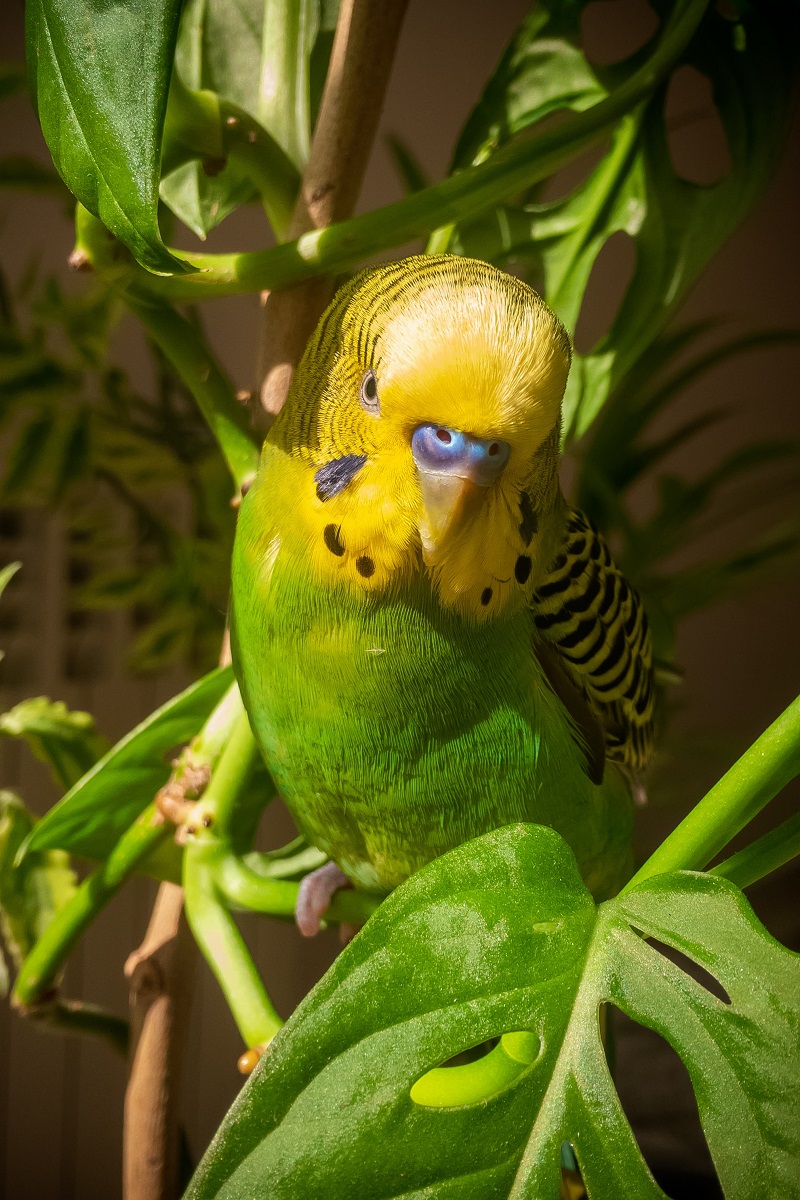
- Toxic Plants: While many houseplants are safe, numerous common varieties (e.g., Dieffenbachia, Pothos, Philodendron, Sago Palm, Oleander, Azalea) are toxic. A comprehensive list of safe and unsafe plants should be consulted.
- Proactive Measures: Conduct a thorough sweep of all parrot-accessible areas, removing any potentially ingestible items. Store all medications, cleaning supplies, and toxic foods in secure, parrot-proof containers or cabinets. Research all houseplants to ensure they are parrot-safe, or place toxic ones completely out of reach. Regularly check toys and cage accessories for chipping paint or rust.
- Common Toxicants:
Phase 2: Daily Vigilance – Ongoing Protection
Once the initial parrot-proofing is complete, daily habits and vigilance become paramount to maintaining a safe environment.
-
Environmental Traps: Doors, Windows, and Reflective Surfaces
Parrots are masters of escape and can suffer severe injury from collisions.- Escape Risks: An open door or window is an invitation to disaster. Escaped parrots face immediate dangers from predators (cats, raptors), traffic, extreme weather, and starvation. Re-capturing an escaped parrot is often difficult and highly stressful for both bird and owner.
- Physical Traps:
- Mirrors and Windows: Parrots do not understand reflections. They perceive mirrors and clean windows as open space, leading to high-speed collisions that can cause concussions, broken necks, or internal injuries.
- Doors: Internal doors can pose a threat. A parrot perched on top of a door can suffer crushed toes or lost tail feathers if the door is accidentally closed. They can also get trapped in closing doors.
- Proactive Measures: Install sturdy screens on all windows in rooms where the parrot has free-flight access. Consider a "double-door" system for exits if possible. Make it an unbreakable rule that all external doors and windows are closed and secured before the parrot is out of its cage. Educate all family members and guests about this protocol. Cover mirrors or apply decorative decals to windows to make them visible to birds. Cultivate the habit of checking the parrot’s location before opening or closing any door.
-
Cage and Toy Safety: The Bird’s Immediate Environment
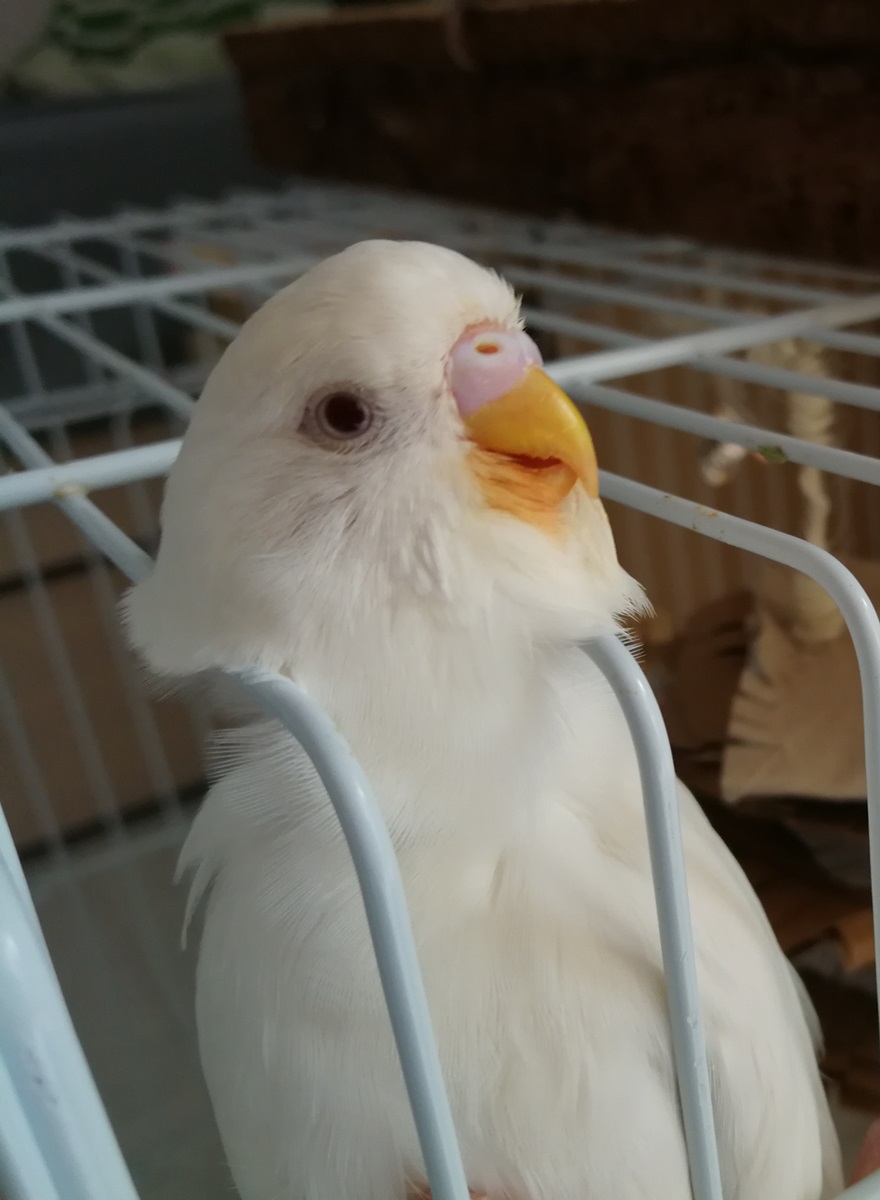
Even the parrot’s primary habitat, its cage, requires careful consideration and regular inspection.- Cage Selection: The cage must be appropriately sized for the species, allowing full wing extension without touching the sides. Bar spacing is critical: bars should be narrow enough to prevent the bird from sticking its head through, which can lead to strangulation or injury. Materials should be non-toxic (e.g., powder-coated steel, stainless steel). Galvanized wire cages can pose a zinc toxicity risk if the coating is ingested.
- Cage Maintenance: Regularly inspect the cage for rust, sharp edges, or damaged bars, especially if your parrot is a strong chewer. Rust can cause iron toxicity, and damaged areas can lead to cuts or entrapment.
- Toy Selection and Maintenance: Toys are essential for enrichment but can also be hazardous. Avoid toys with small parts that can be swallowed, loose strings or threads that can entangle feet or necks, or those made from toxic materials (e.g., lead, zinc, certain dyes). Carabiners and quick-links should be sturdy and safe, as cheap ones can break or contain heavy metals.
- Expert Insight: Dr. Teresa L. Lightfoot and Dr. Julie M. Yeager’s 2008 research on pet bird toxicity highlighted that even toys marketed as "bird-safe" have been responsible for severe illness and death due to unsafe materials like zinc or flawed designs leading to entrapment.
- Proactive Measures: Purchase cages and toys from reputable avian suppliers. Routinely inspect toys for damage, wear, or loose components. Remove and replace overly damaged toys, or repurpose unaffected parts. Ensure all toy hangers are secure and cannot pinch or trap.
-
Furniture and Confined Spaces: Hidden Dangers
Parrots, particularly when hormonal or seeking nesting sites, are drawn to small, enclosed spaces that mimic tree hollows.- Hidden Traps: Gaps behind or under furniture, open drawers, cabinets, laundry hampers, or even spaces within reclining chairs can become deadly traps. A parrot can get stuck, crushed, or suffocated.
- Proactive Measures: Block off all accessible nooks, crannies, and gaps behind and under furniture. Keep drawers and cabinet doors securely closed. Be extra vigilant when operating reclining furniture or sofa beds. Always know your parrot’s exact location before moving furniture or closing doors.
-
Water Hazards: Drowning Risks
While some parrots enjoy bathing, they are not inherently strong swimmers and can drown quickly in unexpected water sources.- Household Water Sources: Uncovered toilets, full bathtubs, sinks filled with water, open buckets, vases, and even large pet water bowls (if the bird is small enough to fall in and unable to get out) pose significant drowning risks. Aquariums without secure hoods are also dangerous.
- Proactive Measures: Always keep toilet lids down. Ensure bathtubs and sinks are drained immediately after use. Cover aquariums with secure lids. Do not leave buckets or large water-filled vases accessible. Supervise your parrot closely if it is allowed in the bathroom during your routine, and never leave it unattended near any open water source.
-
Other Pets: The Predator-Prey Dynamic
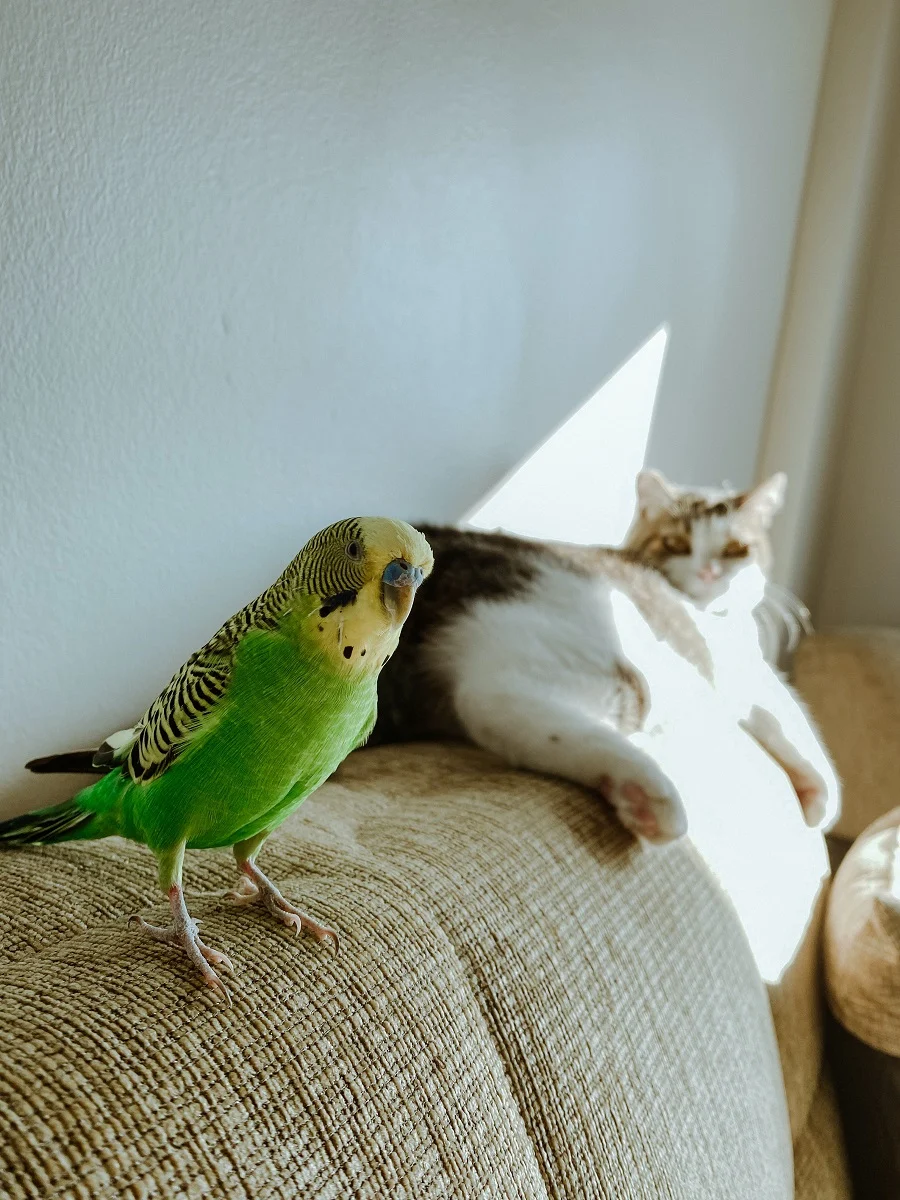
This is one of the most contentious but critical safety points. Regardless of how "well-behaved" or "friendly" a dog, cat, ferret, or even another bird might seem, direct interaction between parrots and other household pets should never be permitted.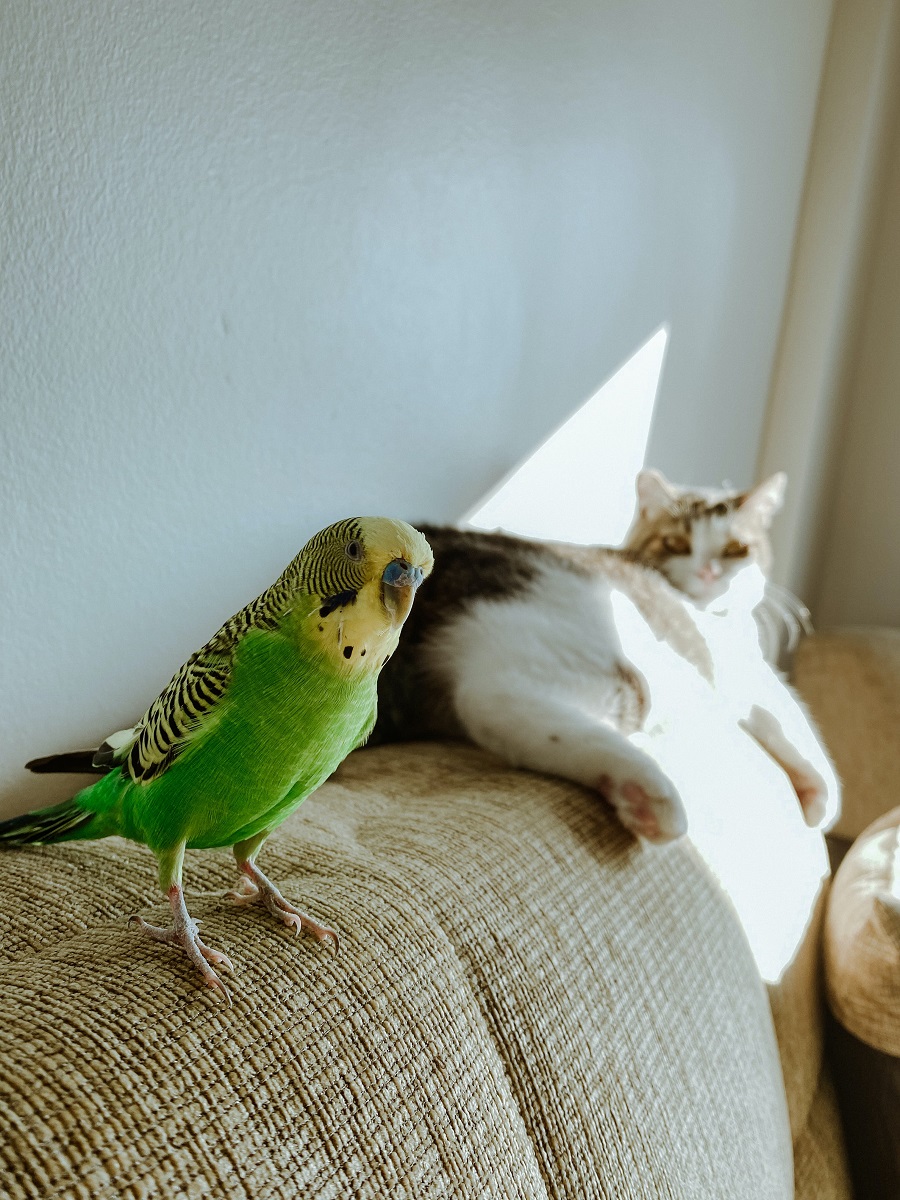
- Inherent Risks:
- Predatory Instincts: Even the most docile dog or cat possesses inherent predatory instincts that can be triggered by a bird’s sudden movement or squawk. A playful swipe can turn fatal.
- Bacterial Infection: A seemingly minor scratch or bite from a cat or dog can introduce highly lethal bacteria (e.g., Pasteurella multocida from cat saliva) into a parrot’s bloodstream, often leading to septicemia and rapid death within hours, even with immediate veterinary care.
- Crushing Injuries: A large dog or even a curious small child can accidentally crush a delicate bird.
- Proactive Measures: Maintain strict separation between your parrot and other pets. This means different rooms, secure cages, and constant supervision if they are ever in the same general area. Utilize baby gates or separate flight rooms to create physical barriers. Never, under any circumstances, allow them to play together or share the same space unsupervised. Avian veterinarians universally advise against co-mingling birds with mammalian predators due to the high mortality rate associated with even minor injuries.
- Inherent Risks:
Miscellaneous Bird Safety Tips and Emergency Preparedness
Beyond these major categories, several other considerations contribute to a comprehensive safety plan:
- Kitchen Safety: Never allow your parrot free-flight access to the kitchen during cooking. Hot stoves, boiling water, sharp utensils, and open trash cans are all significant hazards.
- Heat Sources: Fireplaces, wood-burning stoves, space heaters, and uncovered light bulbs can cause severe burns.
- Entrapment in Appliances: Check behind and inside appliances like washing machines, dryers, and refrigerators before use, as curious parrots can crawl into these spaces.
- Pest Control: Avoid using chemical pest control products (sprays, traps, baits) in areas accessible to your parrot. If necessary, use bird-safe alternatives or ensure the bird is removed from the premises for an extended period with thorough ventilation afterward.
- Emergency Contacts: Have the number of an avian veterinarian, and an emergency animal hospital that treats birds, readily available. Know basic parrot emergency care procedures, such as how to stop bleeding from a broken blood feather or what to do in case of suspected poisoning.
- First Aid Kit: Assemble a bird-specific first aid kit containing items like styptic powder, sterile gauze, vet wrap, and saline solution.
Broader Impact and Implications
The implications of parrot safety extend beyond the immediate well-being of the individual bird.
- Financial Burden: Accidents and poisonings often lead to expensive emergency veterinary visits, specialized treatments, and prolonged recovery periods, placing a significant financial strain on owners.
- Emotional Toll: The loss of a beloved parrot due to a preventable accident is devastating, causing profound grief and guilt for owners.
- Ethical Responsibility: As guardians of these sentient and intelligent creatures, owners have an ethical obligation to provide a safe, enriching, and hazard-free environment. This commitment reflects responsible pet ownership and contributes to the overall welfare of companion animals.
- Public Education: Sharing knowledge and experiences regarding parrot safety helps raise awareness within the broader pet community, potentially preventing similar tragedies for other bird owners. Avian welfare organizations consistently advocate for comprehensive pre-purchase education to equip prospective owners with the knowledge needed for responsible care.
In conclusion, the journey of parrot ownership is deeply rewarding, but it demands constant vigilance and proactive measures to mitigate risks. By meticulously parrot-proofing the home, understanding the unique vulnerabilities of these intelligent birds, and maintaining a routine of daily safety checks, owners can create a secure and thriving environment for their feathered companions. This commitment to safety is not merely a task but an ongoing testament to the bond shared between humans and their remarkable avian friends.

