


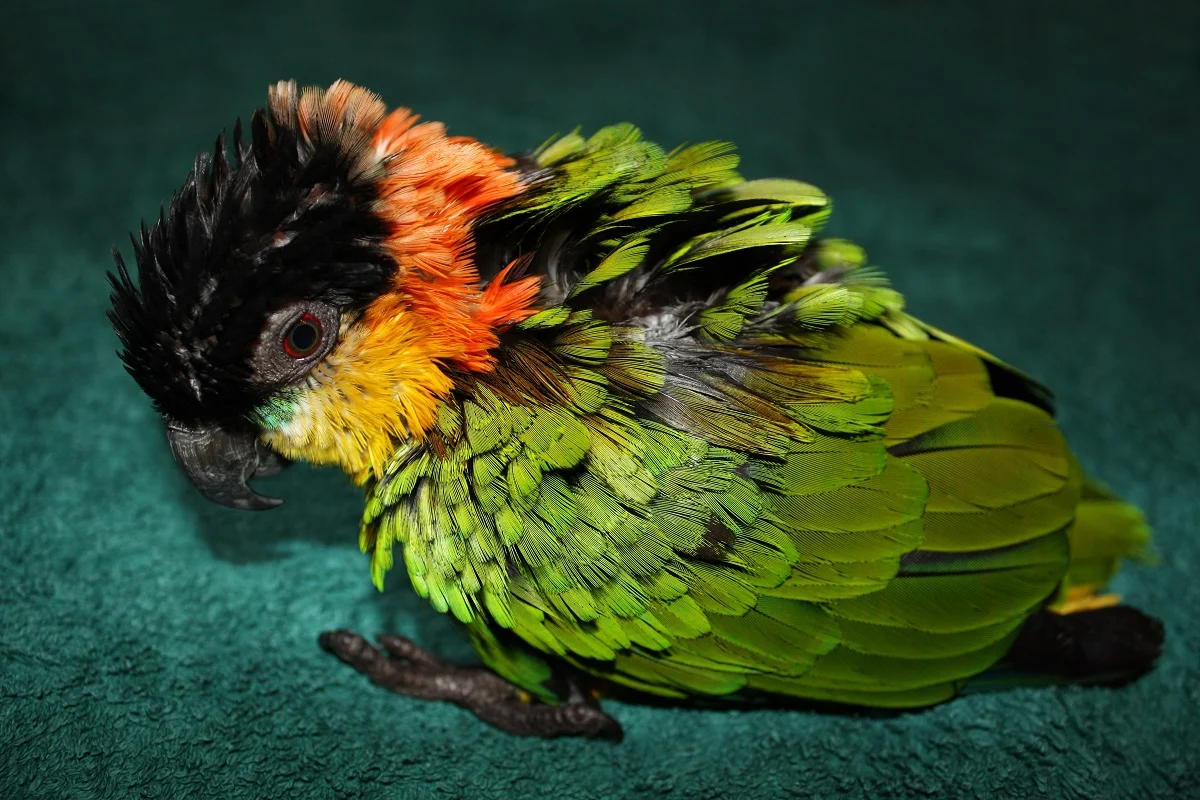
The prospect of a beloved parrot falling ill or sustaining an injury is a daunting one for any avian caretaker. Yet, confronting this reality with proactive preparation is paramount, as timely and informed action can critically influence an emergency’s outcome, often making the definitive difference between recovery and tragic loss. Many parrot owners may not immediately know how to respond to a sudden bleeding injury, whether they have immediate access to an avian veterinarian’s contact information, or if a comprehensive parrot-specific first aid kit is readily available in their home. Addressing these crucial preparedness gaps is not merely advisable but essential for the responsible stewardship of these intelligent and sensitive creatures. This guide aims to equip current and prospective parrot owners with the fundamental knowledge and practical steps necessary to navigate avian health crises effectively, maximizing the chances of survival and successful recuperation.
Immediate Action in a Crisis: When Every Second Counts
For those currently facing a parrot medical emergency, it is imperative to cease reading immediately and take urgent action. If a parrot exhibits unequivocal signs of a severe crisis, such as labored breathing, unresponsiveness, or collapse, prompt transport to an avian veterinarian is critical. The bird should be secured in a carrier without delay, and the veterinary clinic contacted while en route to provide advance notice and receive initial guidance. If the severity of the situation is uncertain, contacting an avian vet from home to describe the symptoms thoroughly is the recommended first step, allowing professionals to advise on the appropriate course of action. In instances where an avian vet is not immediately available, owners should proceed to implement basic supportive care measures outlined later in this article, concurrently continuing efforts to locate an available veterinary professional.
The Unique Vulnerability of Avian Companions
Parrots, by their very nature, are masters of disguise when it comes to illness or injury. This evolutionary trait, honed in the wild to avoid appearing vulnerable to predators, often translates into a significant challenge for owners attempting to detect early signs of distress. A parrot may be severely ill before displaying overt symptoms, making routine observation and swift action in emergencies even more critical. Their delicate physiology, rapid metabolism, and limited blood volume mean that conditions can deteriorate with alarming speed. Understanding this inherent fragility underscores the importance of proactive preparation and an immediate, informed response when health issues arise.
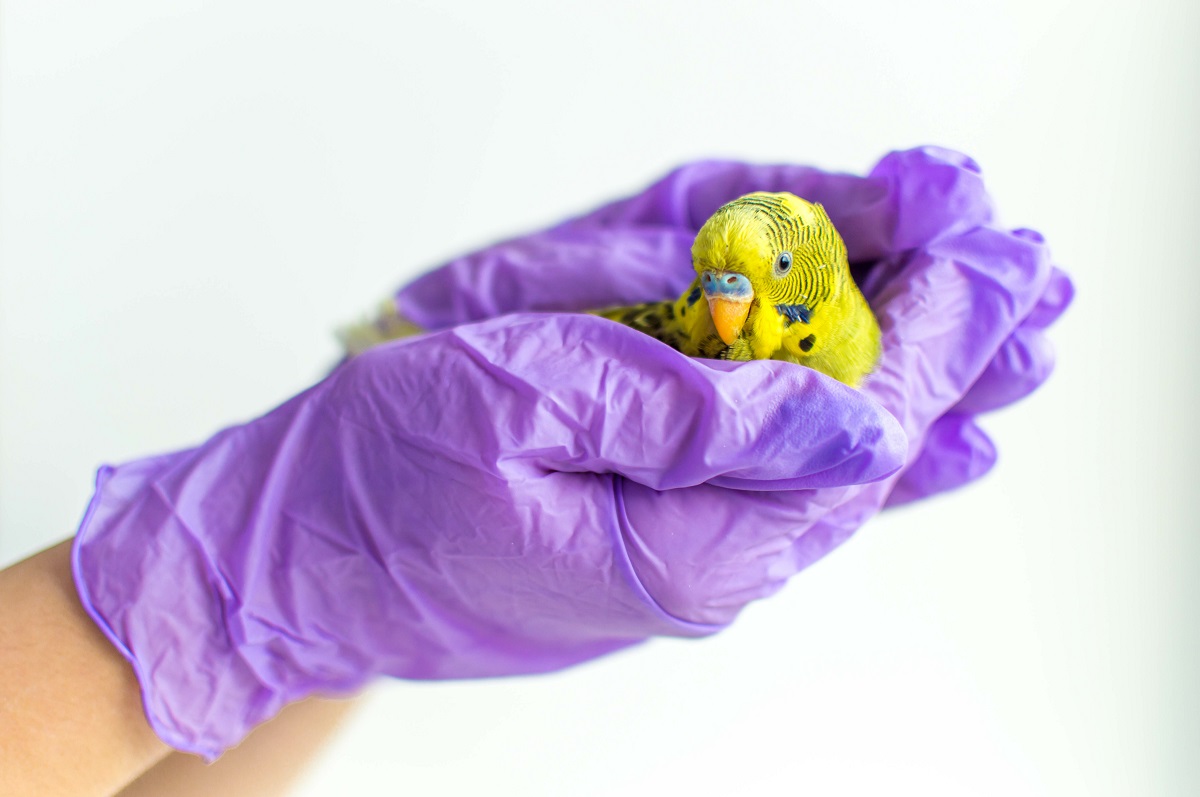
Foundational Preparedness: Building a Safety Net
Effective emergency management begins long before an incident occurs. A robust framework of preventative measures and readiness protocols significantly enhances a parrot’s safety and an owner’s capacity to respond.
1. Establishing an Avian Veterinary Relationship: The cornerstone of emergency preparedness is identifying and establishing a relationship with a qualified avian veterinarian. Unlike general practitioners, avian vets possess specialized training and experience in the unique anatomy, physiology, and pathology of birds. This expertise is non-negotiable for proper diagnosis and treatment. Owners should research and select an avian vet before an emergency arises, scheduling an initial wellness check-up to introduce their bird and familiarize themselves with the clinic’s procedures. Saving the vet’s emergency contact number prominently in one’s phone is a simple yet vital step.
2. Financial Planning for Avian Healthcare: Veterinary care for parrots, especially in emergency situations, can be substantial. Procedures such as diagnostics (blood tests, X-rays), hospitalization, surgery, and specialized medications can quickly accumulate costs ranging from several hundred to several thousand dollars, depending on the complexity of the case. Establishing an emergency vet fund, a dedicated savings account for unforeseen medical expenses, or exploring pet insurance options tailored for avian species are prudent financial strategies. This foresight can prevent difficult decisions based solely on cost during a critical time.
3. Proactive Hazard Mitigation: Parrot-Proofing the Environment: Prevention remains the most effective strategy against emergencies. Parrots are highly intelligent, inherently curious, and possess powerful beaks, making them uniquely susceptible to household hazards. Long-time parrot owners often develop an acute awareness of potential dangers, but periodic reassessment of the living environment is always beneficial. For new parrot owners, understanding this innate curiosity is crucial. Parrots frequently explore their surroundings by chewing, climbing, and investigating, often leading them into dangerous situations.
Common hazards that necessitate thorough parrot-proofing include:

- Electrical Wires: Exposed wires are an irresistible chewing target, posing risks of electrocution or burns. All cables should be secured, covered, or made inaccessible.
- Toxic Plants: Many common houseplants (e.g., Dieffenbachia, Azaleas, Lilies, Philodendrons) are highly toxic to birds. A comprehensive list of parrot-safe plants should be consulted, and all others removed from areas accessible to the bird.
- Household Chemicals: Cleaning products, air fresheners, pesticides, and even certain scented candles contain volatile organic compounds (VOCs) and other chemicals highly toxic to a bird’s sensitive respiratory system. Use only bird-safe cleaning products and ensure parrots are removed from the area during and after cleaning with conventional products.
- Heavy Metals: Lead (found in older paints, stained glass, fishing weights, some costume jewelry) and zinc (found in galvanized cages, some toys, zippers) are common culprits of heavy metal poisoning, which can be fatal.
- Open Water Sources: Toilets, sinks, and bathtubs filled with water pose a drowning risk.
- Windows and Mirrors: Birds may fly into clear glass or reflective surfaces, causing head trauma or other injuries. Covering windows with curtains or blinds when the parrot is out can mitigate this.
- Other Pets: Even well-behaved cats and dogs can pose a threat. A playful swat or bite from another animal can result in severe, often fatal, injuries to a bird due to bacterial infections from saliva.
- Small, Ingestible Objects: Loose threads, small toys, jewelry, or food scraps can be swallowed, leading to impaction or choking.
- Kitchen Hazards: Hot stoves, open ovens, boiling water, and toxic fumes from non-stick cookware (PTFE/Teflon) are significant dangers. Non-stick coatings, when overheated, release odorless fumes that are lethal to birds.
- Unsecured Doors and Windows: An open exit can lead to escape, often with dire consequences for a domestic bird unfamiliar with the outdoors.
Beyond the general living space, the parrot’s own cage requires meticulous parrot-proofing. Regularly inspect toys for wear and tear that could create sharp edges or ingestible parts. Ensure all cage components are made of bird-safe materials and maintain rigorous cage hygiene to prevent bacterial and fungal infections.
Essential Equipment: The Avian First Aid Kit
Despite the most stringent preventative measures, accidents can and do happen. A well-stocked avian first aid kit, easily accessible to all household members, is indispensable. This kit enables immediate stabilization of a bird while professional veterinary care is being sought. Key components should include:
- Styptic Powder/Cornstarch: Crucial for stopping bleeding from minor cuts, broken blood feathers, or nail trims.
- Clean Gauze Pads and Non-Stick Dressings: For applying pressure to wounds and protecting injuries.
- Medical Tape: To secure dressings.
- Antiseptic Solution: Betadine (diluted) or chlorhexidine solution for cleaning minor wounds.
- Sterile Saline Solution: For flushing eyes or wounds.
- Small Scissors and Tweezers: For trimming feathers around a wound or removing splinters.
- Heat Source: A microwavable heat pack or a hot water bottle (wrapped in a towel to prevent burns and bursting) to provide supplemental warmth.
- Carrier: A small, easily darkened carrier lined with paper towels for transport to the vet. The ability to darken the carrier helps reduce stress.
- Rehydration Sachets (e.g., unflavored Pedialyte or specialized avian electrolyte solution): For addressing mild dehydration.
- Syringes (without needles): For administering oral fluids or medications, especially if the bird is syringe-trained.
- Flashlight/Headlamp: For better visibility during examination.
- Magnifying Glass: To inspect small injuries or symptoms.
- Emergency Contact List: Avian vet, emergency vet clinic, poison control.
It is vital that all members of the household know the location of the first aid kit and understand the basic application of items like styptic powder, given the limited blood volume of birds. As Dr. Daisy May, Psittacology’s resident veterinarian, emphasizes, "Around 10% of a bird’s body weight is blood. For example, a 100g cockatiel has approximately 10ml of blood, and a safe blood loss limit is roughly 10% of this volume. Losing more than 1ml of blood can quickly become life-threatening for a bird of that size."
Recognizing the Subtle and Overt Signs of Illness
A parrot’s ability to mask illness means owners must become highly attuned to subtle changes in behavior and appearance. Establishing a baseline understanding of a bird’s normal demeanor, vocalizations, appetite, droppings, and physical condition is paramount. Any deviation from this baseline warrants close observation and, often, veterinary consultation.

Symptoms Requiring Prompt Veterinary Consultation (Call en route or immediately upon observation):
- Changes in Droppings: Any significant alteration in color, consistency, or volume, especially if bloody (distinguish from beetroot or bell pepper ingestion), watery, or unusually foul-smelling.
- Changes in Appetite or Water Consumption: Sudden decrease or increase.
- Lethargy or Decreased Activity: Sitting puffed up, excessive sleeping, reluctance to move or play.
- Changes in Vocalization: Unusually quiet, distressed chirps, or altered calls.
- Feather Issues: Fluffed, disheveled, or wet-looking feathers (not from bathing), feather plucking, or dull plumage.
- Discharge: From nostrils, eyes, or beak.
- Sneezing or Coughing: Persistent respiratory signs.
- Regurgitation (not courtship behavior) or Vomiting: Especially if accompanied by other signs of illness.
- Limping or Lameness: Indicating potential injury or pain.
- Swelling or Lumps: Anywhere on the body.
- Behavioral Changes: Increased aggression, fear, or withdrawal.
- Weight Loss: Often subtle and only noticeable through regular weighing.
Symptoms Requiring Immediate Emergency Veterinary Care (Call while en route):
- Severe Breathing Difficulty: Open-mouth breathing, tail bobbing with each breath, gasping, wheezing.
- Collapse or Unconsciousness: Bird is unresponsive or unable to stand.
- Severe Bleeding: Profuse bleeding that cannot be stopped with pressure/styptic powder.
- Seizures or Tremors: Involuntary muscle contractions or shaking.
- Severe Trauma: Fractures, deep wounds, significant falls, or attacks by other animals.
- Prolonged Vomiting or Diarrhea: Leading to rapid dehydration.
- Head Tilt or Loss of Balance: Indicating neurological issues (as experienced by the author with a budgie, leading to full recovery after immediate vet intervention).
- Sudden Weakness or Paralysis: Inability to perch or move limbs normally.
- Egg Binding: A female bird struggling to pass an egg.
- Exposure to Toxins: Known or suspected ingestion of poisonous substances.
Routine health check-ups, ideally twice yearly with an avian vet, serve as a critical preventative measure, allowing for early detection of subtle issues like nutrient imbalances, organ dysfunction, or early stages of disease that might otherwise go unnoticed until advanced.
Bridging the Gap: Emergency Care While Awaiting Professional Help
When an emergency strikes and a veterinary visit is imminent but not immediate, the actions taken by the owner can significantly impact the bird’s prognosis. Staying calm, taking a deep breath, and focusing on these critical steps can stabilize the bird during transport or while waiting for an appointment.
1. Controlling Hemorrhage: If a parrot is bleeding, stopping the blood loss is the immediate priority. For superficial cuts, broken blood feathers, or nail bleeds, apply styptic powder (or cornstarch if styptic powder is unavailable) directly to the wound and apply firm, continuous pressure with a clean gauze pad for several minutes. Birds have relatively good clotting abilities, so this often suffices. However, if the bleeding is profuse, originates from a deep wound penetrating a body cavity (abdomen or thorax), or does not cease after several minutes of pressure, maintain direct pressure with clean gauze and rush the bird to the vet without delay. Crucially, when applying pressure, ensure it does not impede the bird’s ability to breathe; birds lack a diaphragm and rely entirely on chest expansion for respiration.

2. Providing Isolation and Supplemental Warmth: Stress and shock are profound killers in birds, especially when they are already compromised by illness or injury. Minimizing stress by providing a quiet, dark, and warm environment is essential. An ideal temperature for a sick bird is approximately 85°F (29°C). Prepare a small carrier or clean box by lining it with soft paper towels or a clean towel. Place a covered microwavable heat pad or a wrapped hot water bottle inside to provide warmth, ensuring it is not too hot and the bird cannot directly contact the heat source. Cover the enclosure with a towel to create a dark, secluded space, reducing visual stimuli and further minimizing stress during transport to the vet. Vets often adopt a "hands-off" approach with severely distressed birds for this very reason, as even gentle handling can exacerbate their condition.
3. Addressing Dehydration: Vomiting or diarrhea can quickly lead to dehydration in birds. While moderate to severe dehydration mandates immediate veterinary intervention (often requiring subcutaneous or intravenous fluids), mild dehydration can be supported at home. To roughly assess dehydration, check the basilic wing vein refill time. Locate the basilic wing vein, a visible blue line across the bird’s "elbow" (humeral-radioulnar joint) on the underside of the wing. Gently press on the vein to displace blood, then release. In a well-hydrated bird, the vein should refill instantly. A refill time exceeding 2 seconds indicates moderate to severe dehydration, necessitating urgent veterinary care.
For mildly dehydrated birds that are still alert and able to swallow comfortably, offer a prepared rehydration solution (from sachets in the first aid kit, diluted according to instructions) on a teaspoon or via a syringe if the bird is syringe-trained. Any fluids offered should be gently warmed to body temperature to prevent further chilling, as sick birds struggle to maintain their core temperature. It is critical to never force fluids into a bird’s mouth unless explicitly instructed and demonstrated by a qualified avian professional. Attempting to administer fluids incorrectly carries a high risk of aspiration, where fluid enters the bird’s lungs, leading to pneumonia or suffocation. If the bird is unwilling or unable to drink independently, professional veterinary intervention is the only safe and effective course of action.
The Role of the Avian Veterinarian and Long-Term Implications
Ultimately, the avian veterinarian is the most crucial resource in any parrot health emergency. Their specialized knowledge, diagnostic tools, and treatment capabilities are irreplaceable. Promptly reaching a qualified vet dramatically improves the chances of accurate diagnosis, effective treatment, and a successful recovery.
Beyond the immediate crisis, a parrot’s emergency can have broader implications. For owners, it can be a profoundly stressful and emotionally taxing experience. For the bird, even after recovery, there may be a period of convalescence requiring specialized care, medication, and close monitoring. The experience often reinforces the ethical responsibility inherent in pet ownership – to provide not just companionship, but also comprehensive care, including preparedness for the unexpected. Investing in preventative care, maintaining a ready emergency kit, and fostering a strong relationship with an avian vet are not merely recommendations; they are fundamental tenets of responsible parrot stewardship.

In conclusion, while no parrot parent wishes to confront a medical emergency, being thoroughly prepared is the most loving and responsible course of action. Birds are incredibly delicate beings, and their conditions can escalate with frightening speed. Proactive safety measures, a well-stocked first aid kit, diligent observation, and immediate access to expert veterinary care are the pillars upon which a parrot’s well-being and longevity are built.
Sources:
- Avianmedicine.net: Emergency and Critical Care
- American Veterinary Medical Association (AVMA) resources on avian care.
- Association of Avian Veterinarians (AAV) guidelines and publications.

