


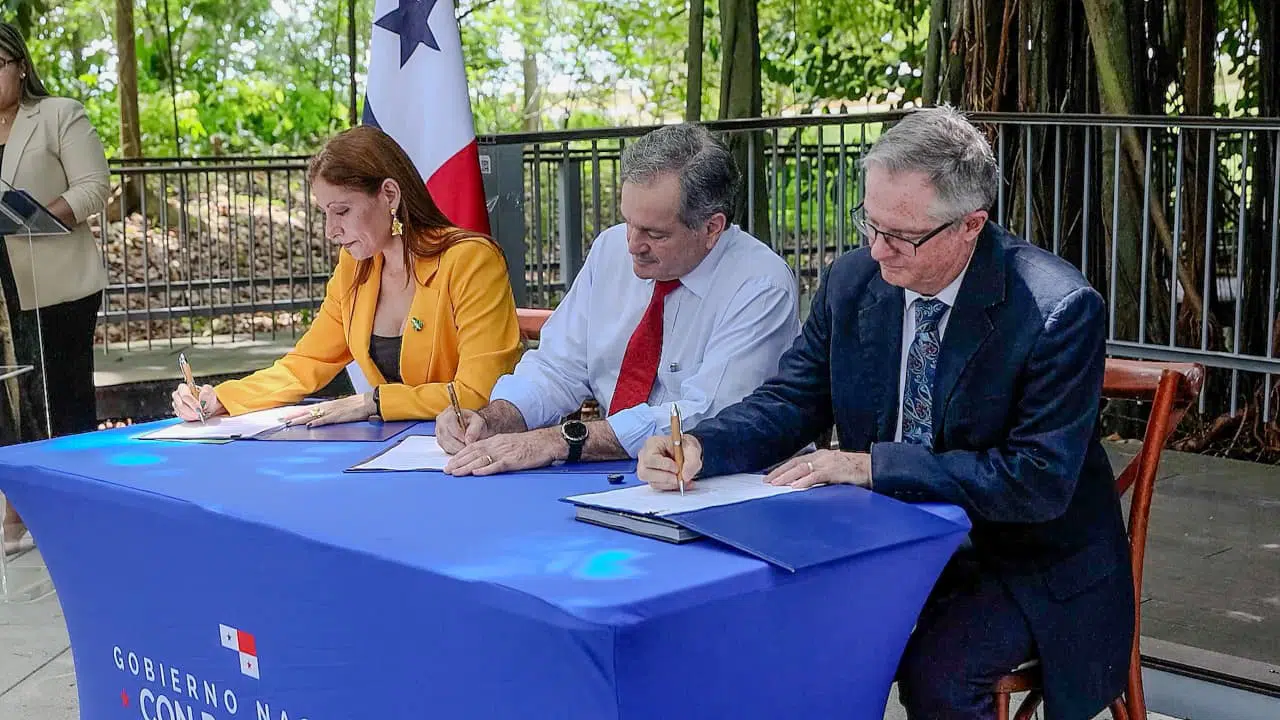
Panama’s Ministry of Environment has officially embarked on a vital initiative to identify, evaluate, and update the nation’s network of Key Biodiversity Areas (KBAs). This significant undertaking, formalized through a Memorandum of Understanding (MOU) signed on May 18, 2026, between the Ministry of Environment, the KBA Secretariat, and the Amphibian Survival Alliance (ASA), signals a profound commitment to bolstering biodiversity conservation efforts across the Central American nation. The process is poised to align Panama’s conservation strategies with global targets and enhance the protection of its exceptionally rich natural heritage.
A Renewed Commitment to Global Biodiversity Goals
The formalization of this KBA update process is a critical stride towards fulfilling Panama’s obligations under the Kunming-Montreal Global Biodiversity Framework (KMGBF). This ambitious international agreement, adopted in December 2022, sets out a comprehensive plan to halt and reverse biodiversity loss by 2030. Key goals of the KMGBF that Panama’s KBA initiative directly addresses include enhancing biodiversity conservation, improving spatial planning for ecological protection, promoting ecosystem restoration, and ensuring the effective safeguarding of areas of critical ecological importance.
The national KBA assessment will involve a systematic process of identifying, mapping, and meticulously documenting sites that are indispensable for the long-term survival of biodiversity within Panama. These scientifically identified areas will serve as the cornerstone for the implementation of the country’s National Biodiversity Strategy and Action Plan (NBSAP). Furthermore, the updated KBA network will be instrumental in achieving national conservation priorities, notably the ambitious "30×30 target." This global commitment aims to ensure that at least 30% of terrestrial and marine areas are effectively protected and conserved by the year 2030, a target that requires robust spatial data and strategic planning, which the KBA process will directly facilitate.
Historical Foundations and the Evolution of KBA Identification
Panama’s journey in identifying and protecting its most biodiverse sites has a rich history, significantly influenced by the dedicated work of the Audubon Society of Panama, a long-standing partner of BirdLife International. The foundation for current KBA efforts was laid in 1995 with the inception of the Important Bird Areas (IBA) Program in Panama. This program, launched with crucial funding from the Natura Foundation and in collaboration with BirdLife International, initiated the systematic identification of sites vital for bird populations.
A landmark publication, "IBAs of the Americas," released in 2009, brought considerable visibility to these important bird sites. Within this influential document, Panama was recognized for having 53 globally significant IBAs, collectively covering an expansive area of 2,501,046 hectares. This represented nearly 29% of the country’s total landmass, underscoring the ecological significance of these areas for avian biodiversity.

The global standard for identifying Key Biodiversity Areas was established in 2016, creating an overarching framework that encompasses sites important for a wider array of species and ecosystems, beyond just birds. Following the adoption of these KBA criteria, all of Panama’s previously identified IBAs were officially recognized as KBAs. These existing sites now serve as the crucial starting point for the current, more comprehensive assessment.
However, it is recognized that the existing KBA network in Panama was predominantly identified based on avian criteria. This necessitates a more holistic and inclusive evaluation to encompass other vital species groups, such as mammals, reptiles, amphibians, insects, and plant communities, as well as the ecosystems they inhabit. The current initiative, spearheaded by the Minister of the Environment, Juan Carlos Navarro, aims to rectify this by bringing together a broad spectrum of biodiversity experts in collaboration with the Amphibian Survival Alliance to thoroughly update and expand Panama’s KBA network.
Formation of the National Coordination Group: A Collaborative Approach
In a pivotal move to drive the KBA assessment forward, a meeting was convened on May 19, 2026, to discuss and formalize the establishment of the National Coordination Group (NCG) for KBAs in Panama. This NCG represents a crucial collaborative mechanism, bringing together a diverse collective of experts specializing in various species groups and other facets of biodiversity. Alongside public policy professionals, this group will spearhead the identification and assessment of key biodiversity sites and, in a subsequent phase, focus on their effective conservation.
The membership of the NCG includes prominent organizations such as the Audubon Society of Panama, a leading force in bird conservation within the country. Rosabel Miró, executive director of the Audubon Society of Panama, emphasized the organization’s historical contribution and its commitment to the ongoing process. "In 2009, we published a map with Conservation International, a current member of the KBA Partnership, showing the 57 KBAs identified at that time in Panama," Miró stated. "This helped influence national authorities to recognize them in official documents such as the Environmental Atlas (2010) and the National Biodiversity Strategy and Action Plan 2018-2050, among others. In this new, highly participatory process, we will collaborate so that many people throughout the country can contribute updated scientific information. A new chapter in the conservation of local and migratory biodiversity is beginning, and we will continue to disseminate its importance to all Panamanians."
Gabriela Toscano, Biodiversity Conservation Manager for BirdLife Americas, also participated in the foundational meeting, offering valuable insights into the technical aspects and functional roles of the KBA NCG. Her commentary underscored the significance of this moment: "We are witnessing a historic milestone for nature in Panama! The beginning of this process fills us with joy and optimism, as it represents a great opportunity to unite science and action in favour of the country’s incredible biodiversity."

Andy Plumptre, Head of the KBA Secretariat, expressed his anticipation for the collaborative efforts. "I look forward to supporting the Ministry of Environment, Amphibian Survival Alliance, and all of the institutions in the KBA National Coordination Group to make this update of their KBA network and then work to conserve it," he remarked. His statement highlights the dual focus of the initiative: not only identifying these critical areas but also ensuring their long-term protection through effective conservation strategies.
Broader Implications and the Path Forward
The updating of Panama’s KBA network carries profound implications for the nation’s ecological future and its standing in global conservation efforts. By systematically identifying and prioritizing areas of exceptional biodiversity, Panama is building a robust scientific foundation for its conservation policies and investments. This data-driven approach will enable more targeted and effective allocation of resources, leading to improved outcomes for threatened species and ecosystems.
The integration of updated KBA data into national planning processes, such as the NBSAP and spatial planning initiatives, will ensure that conservation considerations are embedded within development frameworks. This is particularly crucial for a country like Panama, which is not only a biodiversity hotspot but also a vital transit corridor for migratory species and a critical component of regional ecological connectivity. The success of the 30×30 target hinges on the precise identification and effective management of representative and ecologically significant areas, and the KBA process is fundamental to achieving this.
Furthermore, the collaborative nature of this initiative, involving government agencies, international organizations, and local conservation groups, sets a powerful precedent for multi-stakeholder engagement in conservation. The involvement of the Amphibian Survival Alliance, for instance, brings specialized expertise in amphibian conservation, a group particularly vulnerable to environmental changes and often overlooked in broader biodiversity assessments. This inclusive approach ensures that the updated KBAs will reflect the full spectrum of Panama’s biodiversity.
As Panama moves forward with this critical assessment, the insights gained and the protected areas designated will contribute significantly to global efforts to combat biodiversity loss. The nation’s commitment to this rigorous process positions it as a leader in the region and a key partner in the global endeavor to safeguard the planet’s natural heritage for future generations. The updated KBA network will serve as a living testament to Panama’s dedication to its natural wealth and its understanding that its biodiversity is an invaluable asset, essential for ecological stability and human well-being.

