


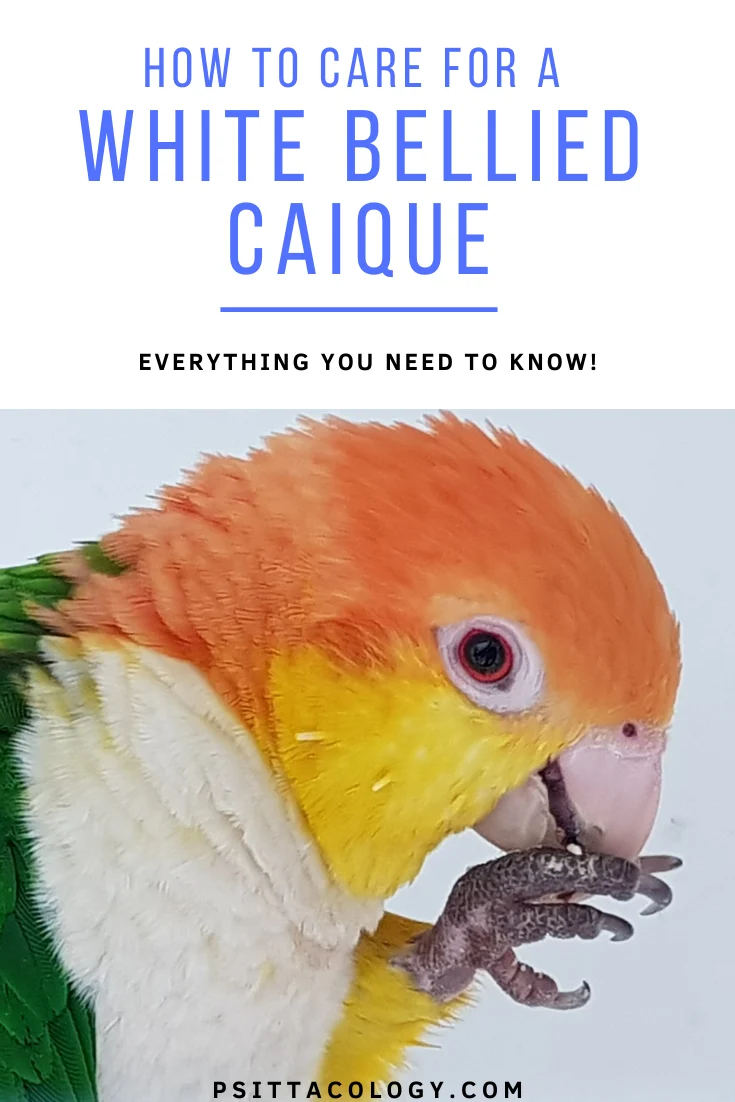
The White-bellied Caique (genus Pionites) represents a vibrant and highly intelligent species of South American parrot increasingly popular in aviculture, though their distinctive personalities and extensive care requirements necessitate thorough understanding before commitment. Known for their energetic antics and playful nature, these birds demand significant dedication, knowledge, and long-term planning from prospective owners. With a potential lifespan exceeding 40 years, acquiring a White-bellied Caique is a multi-decade commitment, profoundly impacting an owner’s lifestyle and resources. This article delves into the essential aspects of White-bellied Caique ownership, from their natural ecology and physical attributes to their specific dietary, housing, and behavioral needs, alongside critical considerations for their health and conservation.
A Detailed Profile: Understanding the White-Bellied Caique
The White-bellied Caique is a small to medium-sized parrot, typically reaching an adult length of approximately 23 cm (9 inches) and weighing up to 170 grams. Their stocky build and relatively short, stumpy tail contribute to their distinctive appearance. In their natural rainforest habitat, they are primarily found within the canopy layers of the Brazilian Amazon basin, with populations also extending into parts of Bolivia, Peru, and Ecuador. The species exhibits a moderate noise level for a parrot, characterized by whistles, beeps, and squawks, which can occasionally escalate to shriller calls. Their remarkable longevity, often exceeding four decades in captivity, underscores the profound responsibility involved in their care.
Unpacking Their Appearance and Taxonomy
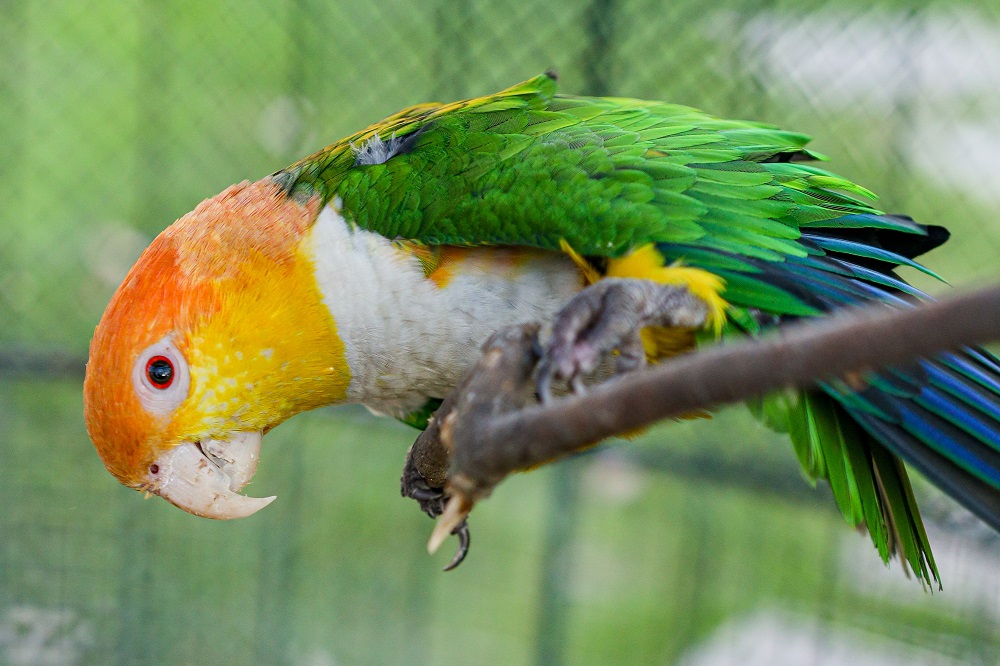
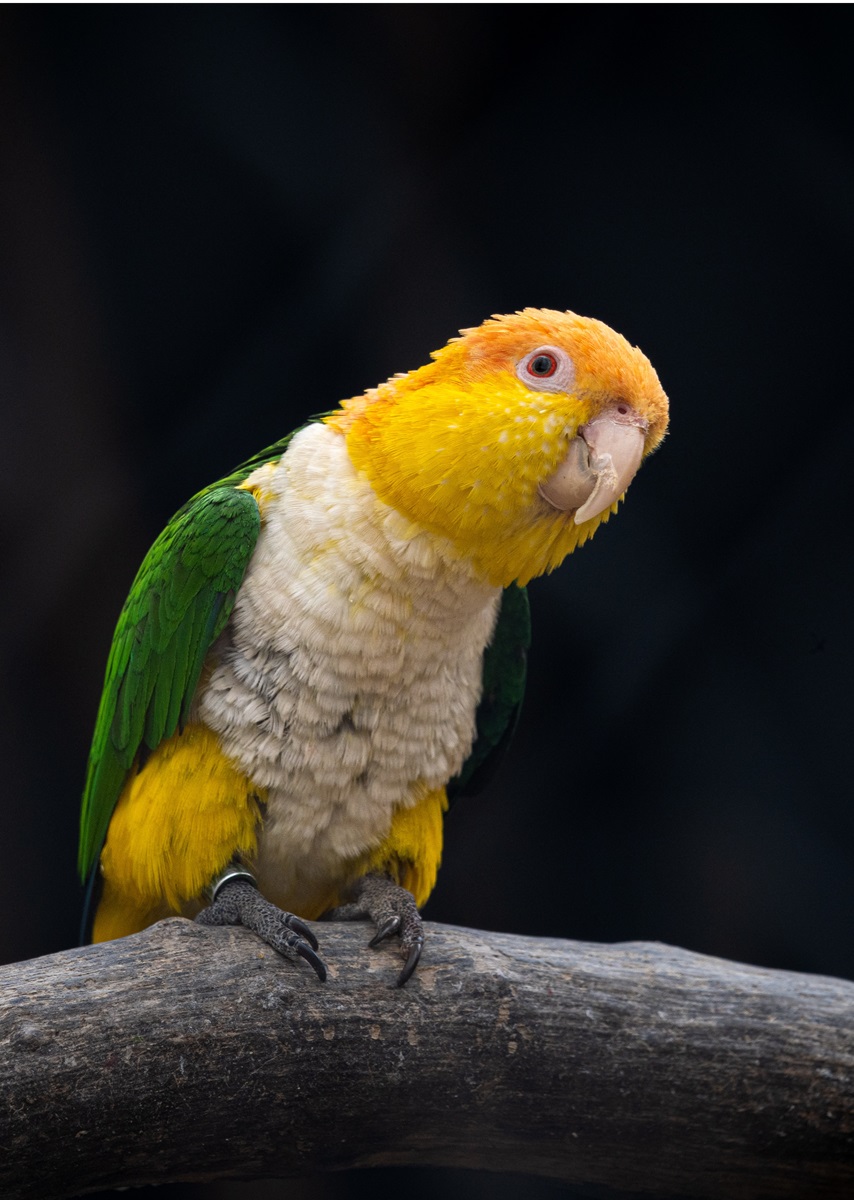
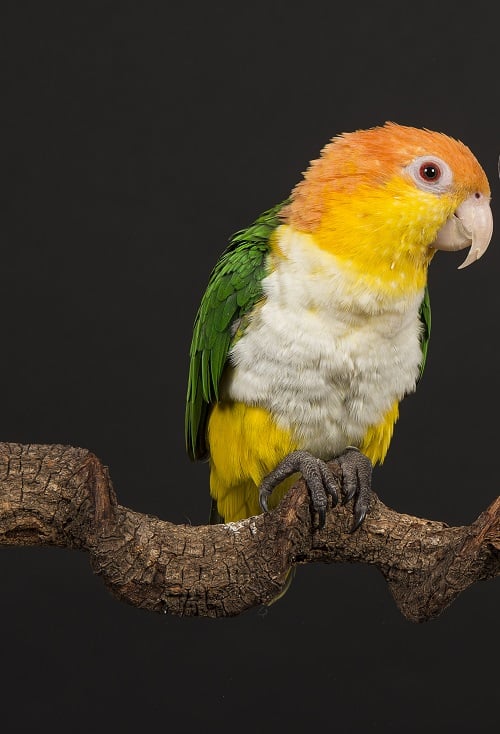
As their common name suggests, White-bellied Caiques are distinguished by their pristine white to cream-colored chests and bellies. Complementing this, their cheeks are typically yellow, their heads sport an orange hue, and their wings and backs are a vivid green. The beak is a light beige, and they possess unusual reddish eyes encircled by a bare eye-ring. Sexual dimorphism is not visually evident, requiring DNA testing for accurate sex determination.
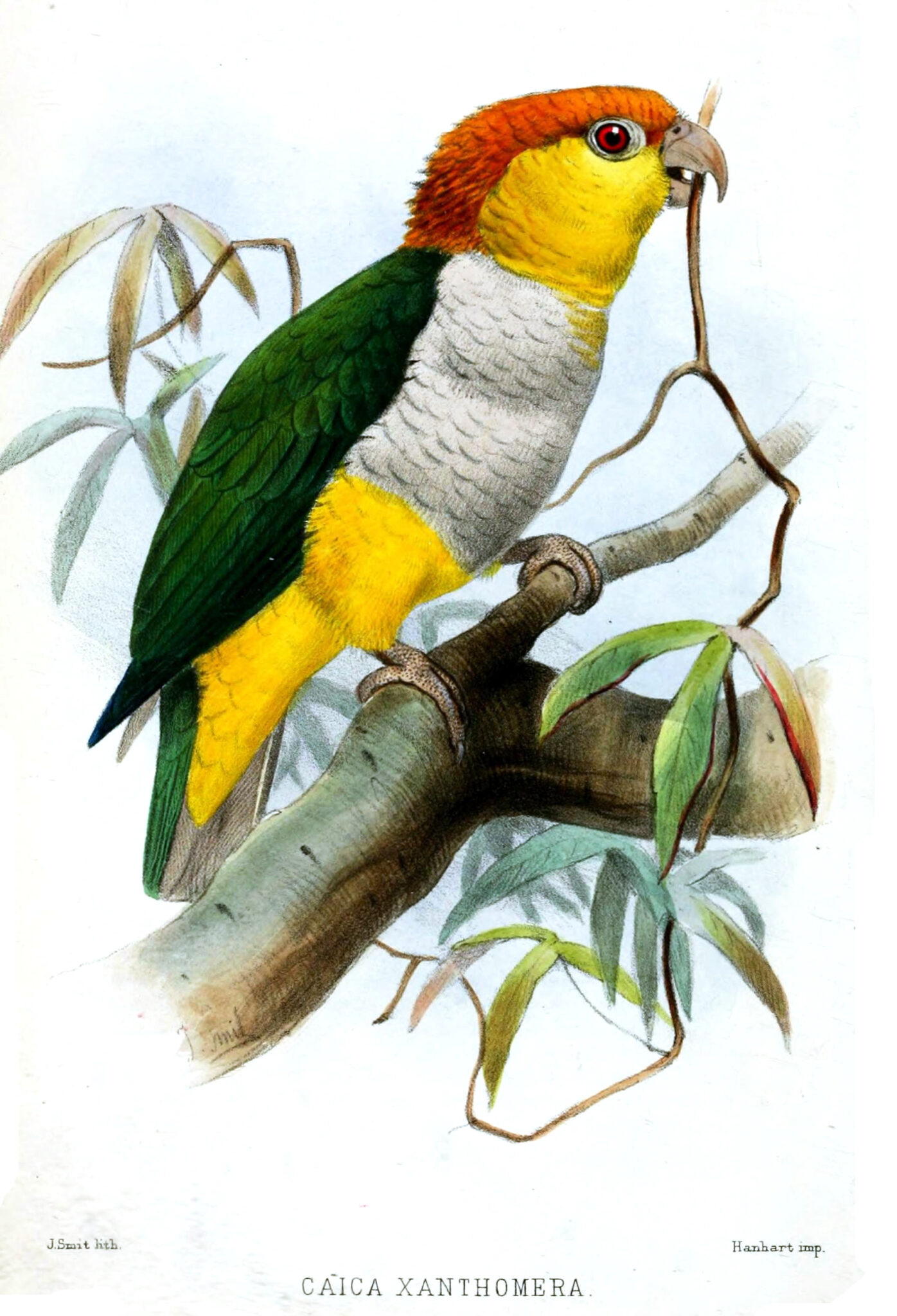
The taxonomy of the Pionites genus, which includes both White-bellied and Black-capped Caiques, has been a subject of ongoing scientific discussion. Traditionally, Pionites leucogaster (White-bellied Caique) was considered a single species with three recognized subspecies: P. l. leucogaster (Green-thighed), P. l. xanthomerius (Yellow-thighed), and P. l. xanthurus (Yellow-tailed). These subspecies were differentiated primarily by variations in leg and tail coloration. However, contemporary ornithological sources, such as "Birds of the World," increasingly advocate for elevating P. l. xanthurus and P. l. xanthomeria to full species status based on distinct morphological differences. This taxonomic re-evaluation reflects broader trends in avian systematics, where genetic sequencing and detailed morphological analyses are challenging long-held classifications. A definitive scientific consensus, backed by extensive genetic studies, is still emerging, highlighting the dynamic nature of biological classification.
Guardians of the Amazon: Natural Habitat and Conservation Status

The White-bellied Caique’s natural domain is the lush, dense canopy of tropical rainforests across the Amazon basin. These social birds typically forage and roost in groups of up to ten individuals, exhibiting complex social behaviors within their flocks. They nest in hollow trees, utilizing natural cavities for breeding and shelter.
Tragically, the majority of White-bellied Caique populations are classified as endangered by the International Union for Conservation of Nature (IUCN). The primary threat to their survival is habitat loss, driven predominantly by the relentless deforestation of the Amazon rainforest. This deforestation is fueled by various human activities, including agricultural expansion (cattle ranching, soy cultivation), logging for timber, mining operations, and infrastructure development. The destruction of their forest habitat not only removes their nesting sites and food sources but also fragments their populations, making them more vulnerable to localized extinctions and reducing genetic diversity. While specific conservation programs directly targeting White-bellied Caiques are less publicized than those for larger, more charismatic species, broader Amazon conservation efforts indirectly benefit them. These include establishing protected areas, promoting sustainable land use, and combating illegal logging and mining. However, the scale of habitat destruction remains a significant challenge, underscoring the urgency of continued conservation interventions.
Nourishing the ‘Clown’: A Comprehensive Diet Guide
Understanding the White-bellied Caique’s natural diet is crucial for replicating a balanced nutritional regimen in captivity. A 2014 study by Lee et al., observing 190 wild White-bellied Caiques, documented their consumption of no less than 44 different plant species. Their diet varied seasonally but predominantly consisted of seeds, including fruit seeds, and a wide array of fruits, many of which were unripe. Flowers and flower buds were also significant dietary components. Another study highlighted their role as important pollinators, consuming pollen and nectar. Occasionally, they supplemented their diet with leaves, bark, and even ants. Furthermore, wild caiques are known to visit clay licks, ingesting soil to obtain essential micronutrients, a behavior vital for detoxifying certain plant compounds and acquiring minerals.

In a domestic setting, replicating this diverse wild diet is impractical, yet a varied and nutritionally complete diet is paramount. A common pitfall for inexperienced parrot owners is relying solely on seed mixes. Seeds are high in fat and deficient in many essential vitamins and minerals, leading to long-term health issues like obesity, liver disease, and vitamin A deficiency. Similarly, a diet excessively rich in cultivated fruits, while seemingly natural, can be problematic. Domestic fruits are often significantly higher in sugars than their wild counterparts, and wild caiques frequently consume fruits unripe, which lowers sugar content.
An ideal domestic diet for a White-bellied Caique should be primarily composed of a high-quality, veterinarian-recommended pelleted food, constituting 60-70% of their intake. Pellets are formulated to provide comprehensive nutrition, preventing common deficiencies. The remaining 30-40% should consist of a variety of fresh, parrot-safe vegetables (e.g., leafy greens like kale and spinach, broccoli, bell peppers, carrots, zucchini) and a smaller portion of fruits (e.g., berries, melon, apple slices – always remove seeds). Whole grains like cooked quinoa or brown rice can be offered sparingly. Fatty or sugary items such as nuts and dried fruits should be reserved as occasional training treats. Access to fresh, clean water from multiple sources is essential, along with a calcium block to support bone health and egg production in females. Owners must also be aware of foods toxic to parrots, including avocado, chocolate, caffeine, alcohol, and fruit pits. Providing food in foraging toys is an excellent way to stimulate their natural foraging instincts and prevent boredom.
The Vibrant Personality: More Than Just Playfulness
White-bellied Caiques are renowned for their extraordinarily playful and energetic temperament, earning them the moniker "clowns of the parrot world." Their antics include "caique surfing" (rolling on their backs and playing with toys), dancing, and an insatiable curiosity that often leads to mischief. This boundless energy requires significant mental and physical stimulation.
While capable of forming incredibly strong bonds with their human companions, caiques can also present significant behavioral challenges, particularly as they mature through puberty. They often develop a strong preference for one person, and their territorial nature can lead to aggression towards others, or even their favored human during hormonal periods or when feeling threatened. Owners describe these periods as intense, with "bluffing" behaviors and nipping. Consistent positive reinforcement training, establishing clear boundaries, and extensive socialization from a young age are crucial to manage these behaviors. Ignoring or punishing aggression can exacerbate issues.
A well-socialized caique thrives on interaction and requires a substantial amount of dedicated time from its owner daily. Those unable to commit several hours of direct interaction might consider acquiring a pair to ensure adequate social stimulation, though even bonded pairs still require human interaction. It is critical to note that caiques are highly territorial and should not be housed with other bird species due, to the high risk of aggression over cage space or food resources. Their seemingly limitless energy for play, combined with their tendency to throw objects, scream, and chew, means prospective owners must possess immense patience and a high tolerance for controlled chaos. Proper training helps mitigate unwanted behaviors, but caiques inherently enjoy destructive play, making parrot-proofing living spaces non-negotiable. Breakages, whether from chewing or tossing, are an expected part of living with these intelligent and active birds.
Crafting a Sanctuary: Optimal Housing and Environment
Given their high energy levels, White-bellied Caiques require a spacious and secure enclosure. Even with ample out-of-cage time, a large cage is fundamental for their well-being. For a single caique, a minimum cage size of 24"W x 24"D x 30"H with bar spacing of 3/4" to 1" is recommended, though larger is always better. The cage should be constructed from sturdy, non-toxic materials like stainless steel or powder-coated steel, as caiques are avid chewers. A robust locking mechanism is essential, as their intelligence often allows them to quickly master simple latches.

Inside the cage, a variety of natural perches of varying diameters and textures (e.g., java wood, manzanita, natural branches) are crucial for foot health, preventing pressure sores and promoting muscle tone. Avoid dowel perches as the sole option. Food and water bowls, preferably stainless steel and easily cleanable, should be provided. A bird bath or a designated showering area is also vital for feather hygiene and skin health.
Beyond the cage, a "parrot playground" or designated safe area is indispensable for their daily out-of-cage exploration and play. This area should feature natural wood branches for chewing, climbing opportunities, and a wide assortment of stimulating toys. Daily out-of-cage time, ideally several hours, is non-negotiable for their physical and psychological health.
The environment itself must be meticulously parrot-proofed. Caiques’ insatiable curiosity makes them prone to exploring and destroying, potentially leading to dangerous situations. This includes securing electrical cords, removing toxic houseplants, covering open water sources (toilets, sinks), and ensuring no access to lead (e.g., old paint, stained glass) or zinc (e.g., galvanized cages, some toys). The use of scented products (aerosols, air fresheners, candles), non-stick cookware (which emits toxic fumes when overheated), and strong cleaning agents should be avoided in proximity to the bird. Providing full-spectrum UV lighting for several hours daily can also contribute to their overall health and well-being, aiding in vitamin D synthesis and hormone regulation.
Engaging Minds and Beaks: Essential Enrichment Strategies
Like all intelligent parrots, White-bellied Caiques require extensive daily enrichment to prevent boredom, loneliness, and the onset of behavioral issues such as feather plucking, incessant screaming, and aggression. In the wild, they spend most of their waking hours foraging, interacting with their flock, and engaging in complex problem-solving. Owners must strive to replicate these mentally stimulating activities.
Key enrichment strategies include:
- Foraging Opportunities: Incorporate foraging toys (e.g., puzzle feeders, hidden treats in shreddable materials) into their daily routine. This encourages natural problem-solving and extends feeding times, mimicking wild behavior.
- Chew Toys: Provide a constant supply of safe, destructible chew toys made from natural wood, paper, or leather. Chewing is a vital instinct for beak health and mental stimulation. Rotating toys regularly keeps their interest piqued.
- Social Interaction: Dedicate significant daily time to direct interaction, including training, playing, and simply being present. Caiques are highly social and thrive on human companionship.
- Physical Activity: Encourage climbing, wing flapping, and acrobatic play. A varied cage setup and out-of-cage playground facilitate this.
- Sensory Enrichment: Offer new textures, sounds, and visual stimuli. This could include safe natural branches, music, or supervised outdoor time in a secure aviary.
- Training: Engage in regular positive reinforcement training for tricks, recall, or basic commands. This strengthens the bond, provides mental exercise, and can help manage unwanted behaviors.
A Symphony of Squawks: Understanding Caique Vocalizations
While not the loudest parrot species, White-bellied Caiques are far from quiet. They possess a range of vocalizations, including whistles, beeps, chirps, chortles, and various squawks. These sounds are integral to their communication, serving purposes such as alarm calls, contact calls within their flock, and expressing excitement or displeasure. While their typical noise level might be considered moderate compared to larger macaws or cockatoos, they are capable of emitting piercing shrieks, particularly when seeking attention, feeling threatened, or during high-energy play. For individuals living in apartments or shared housing, their vocalizations are a significant factor to consider.
Regarding speech ability, caiques are not among the champion talking parrots like African Greys or Amazon parrots. While some individuals may pick up a few words or phrases, their talking vocabulary is generally limited. However, they excel at mimicking whistles and tunes. Owners can successfully teach them short melodies or wolf whistles through consistent repetition and positive reinforcement. This vocal training offers a rewarding way to interact with the bird and expand its repertoire of sounds.
Prioritizing Health: Preventative Care and Emergency Preparedness
Owning a White-bellied Caique necessitates a proactive approach to their health and a readiness for potential medical emergencies. Prospective owners must establish a relationship with an avian veterinarian before acquiring a bird. Regular annual check-ups are crucial for early detection of potential health issues.
Caiques are susceptible to several avian diseases. Polyomavirus, a highly contagious and often fatal disease, particularly in young birds (under 4 weeks old), is a significant concern. Vaccination against polyomavirus is strongly recommended and should be discussed with an avian vet. Other common avian ailments that caiques can face include Psittacine Beak and Feather Disease (PBFD), aspergillosis (a fungal infection, often respiratory), bacterial infections, and nutritional deficiencies (especially if on an improper diet). Liver disease and respiratory infections are also possibilities.
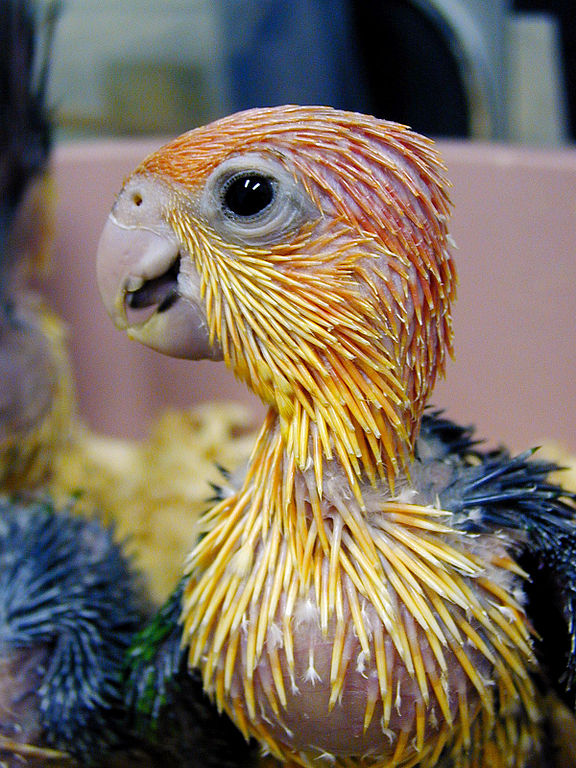
Owners should be vigilant in observing their bird for subtle signs of illness, which can include changes in droppings (color, consistency, volume), feather condition (ruffled, dull, plucking), lethargy, changes in appetite or water consumption, discharge from nostrils or eyes, difficulty breathing, and changes in vocalizations or behavior. Any deviation from normal behavior warrants immediate consultation with an avian veterinarian. Emergency preparedness also involves knowing the location of the nearest emergency avian clinic and having a basic avian first-aid kit on hand. Preventative care, including a balanced diet, a clean environment, stress reduction, and regular vet visits, is the best defense against many health problems.
Key Considerations for Prospective Owners
The demanding nature of White-bellied Caiques means they are generally not recommended for beginner parrot keepers. Their intense personalities, potential for aggression, need for extensive socialization, and high energy levels require an experienced owner capable of understanding and managing complex avian behaviors. Their lifespan of 40+ years requires a commitment comparable to raising a child, necessitating long-term planning for their care, including potential arrangements for future care should the owner become unable to provide it. While some caiques can be aggressive, particularly during hormonal periods, this can often be mitigated through consistent training, proper socialization, and a deep understanding of parrot behavior.
In conclusion, the White-bellied Caique is a captivating and rewarding companion for the right individual or family. Their intelligence, playful spirit, and capacity for deep bonds are unparalleled. However, their specific needs for a highly enriched environment, a balanced diet, extensive social interaction, and proactive health management, coupled with their challenging behaviors and remarkable longevity, demand a significant, informed, and unwavering commitment. Prospective owners must conduct thorough research, engage with experienced caique owners, and consult avian professionals to ensure they are fully prepared for the joys and challenges of welcoming these "clowns of the parrot world" into their lives.

