


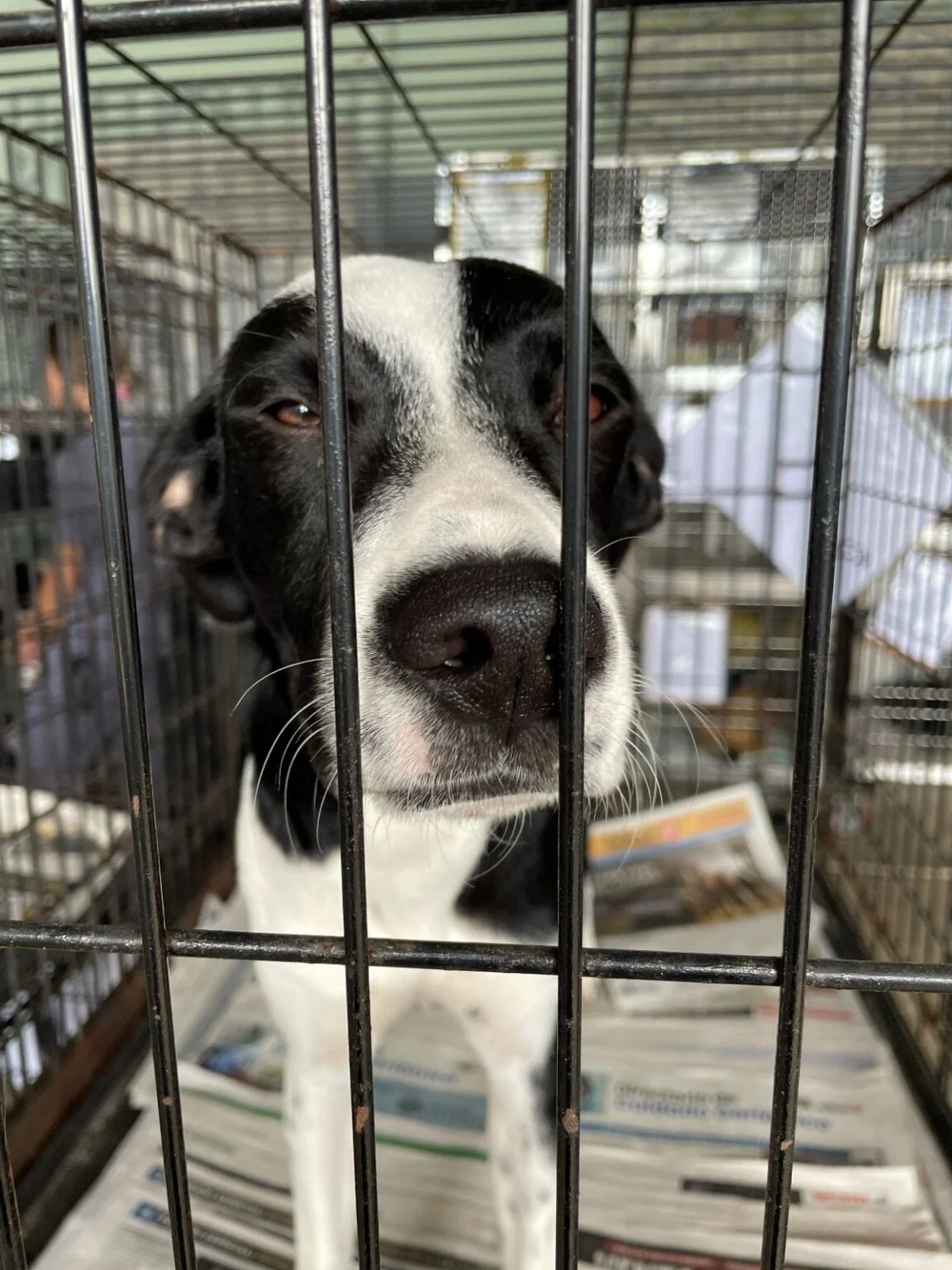
Before the first rays of sunlight touched the horizon in Puerto Rico, a silent but determined procession had already begun to form. Hundreds of residents, many holding worn leashes or cradling makeshift pet carriers, stood in a line that stretched around a temporary veterinary facility. They were not waiting for a commercial sale or a government service; they were waiting for a lifeline. For many of these families, the arrival of the fifth high-volume spay/neuter clinic—a collaborative effort between PETA Latino and the Humane Society of Puerto Rico—represented the only opportunity to secure essential medical care for their animal companions in an environment where such services are often prohibitively expensive or physically inaccessible.
Inside the clinic, the atmosphere was one of controlled urgency. A team of seasoned veterinarians, licensed technicians, and dedicated volunteers, many of whom had traveled thousands of miles from the mainland United States and other regions, were preparing for a grueling two-day marathon. The mission was clear: to provide high-quality sterilization, vaccinations, and general veterinary care to as many animals as possible to stem the tide of an island-wide overpopulation crisis that has reached staggering proportions.
The Scope of the Crisis: Puerto Rico’s "Sato" Problem
To understand the significance of this clinic, one must first look at the broader context of animal welfare on the island. Puerto Rico has long struggled with a massive population of stray dogs, colloquially known as "satos," and feral cats. While exact figures are difficult to pin down, animal welfare organizations estimate that between 300,000 and 500,000 stray dogs roam the streets, beaches, and mountain roads of the Commonwealth. The feline population is estimated to be even higher.
The roots of this crisis are multifaceted. Economic instability is a primary driver; with nearly 43% of the island’s population living below the federal poverty line, the cost of private veterinary care—which can range from $200 to $500 for a standard spay or neuter procedure—is simply out of reach for a significant portion of the population. Furthermore, the island has been battered by a series of catastrophic natural disasters, including Hurricane Maria in 2017 and Hurricane Fiona in 2022, alongside a sequence of debilitating earthquakes. These events led to mass migrations of residents to the mainland, often resulting in the heartbreaking abandonment of pets when families could not afford the logistical costs of relocation.
In the absence of widespread, affordable sterilization programs, the biological reality of animal reproduction takes over. A single unspayed female dog and her offspring can theoretically produce up to 67,000 puppies in just six years. For cats, the numbers are even more explosive. This exponential growth overwhelms local municipal shelters, many of which have extremely high euthanasia rates due to lack of space and resources.
Chronology of the Two-Day Marathon
The fifth high-volume clinic was designed to address these systemic issues through direct, localized action. Funded largely by PETA’s Global Compassion Fund—a specialized initiative that provides emergency relief and veterinary services in underserved regions worldwide—and supported by the Lola Fund, the event was a masterpiece of logistical coordination.
The first day of the clinic set a demanding pace, with operations spanning nearly 18 hours. Staff and volunteers worked in shifts, transforming a community space into a sterile, efficient surgical environment. The process began with intake and triage, where each animal was weighed, assessed for general health, and prepared for anesthesia.
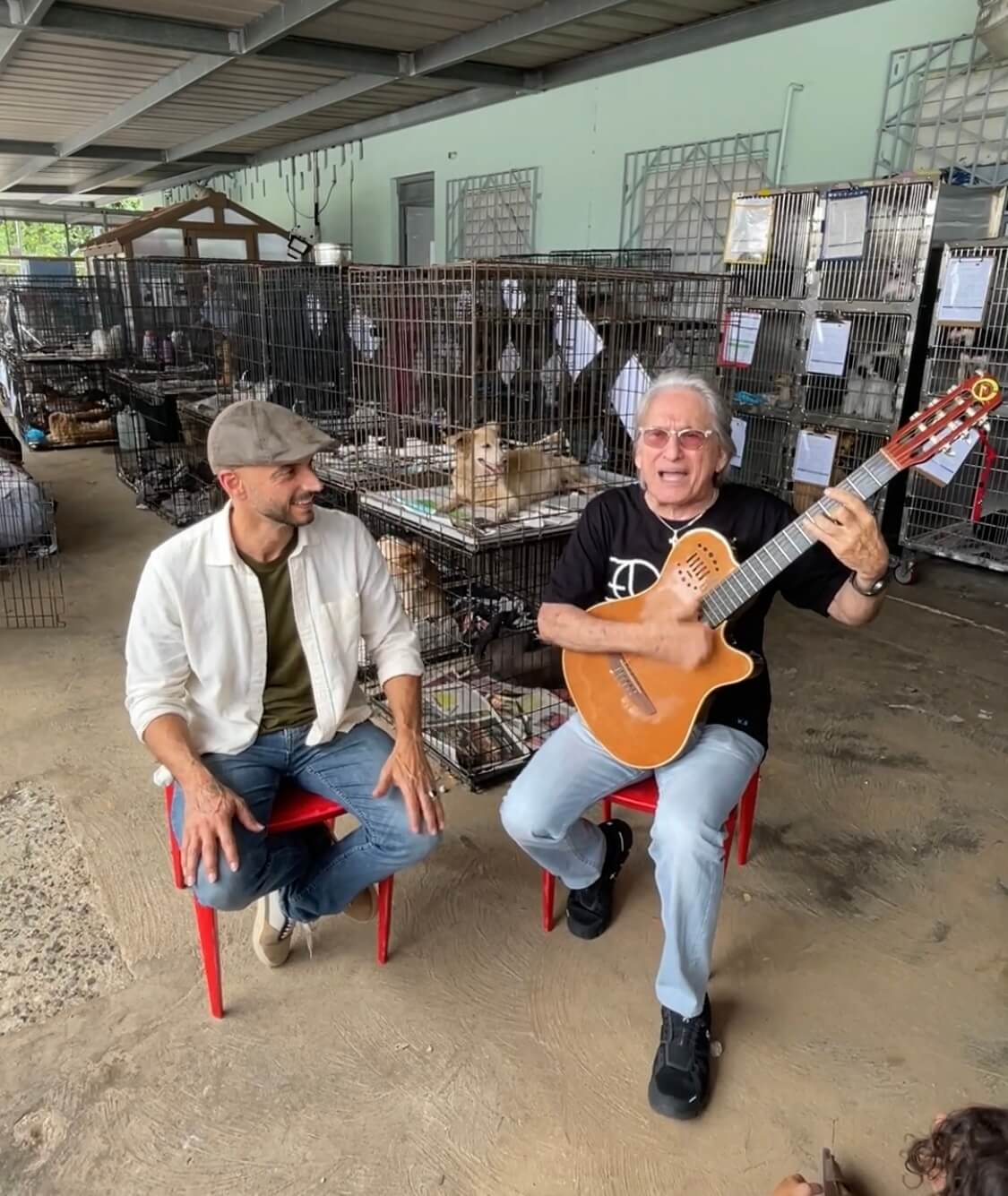
Beyond the primary goal of sterilization, the medical team addressed a variety of secondary health issues that are common in tropical climates. Many animals arrived suffering from severe flea and tick infestations, which can lead to life-threatening anemia or tick-borne diseases like ehrlichiosis. Others presented with painful eye infections, skin dermatitis, and internal parasites. For many of these animals, this clinic marked the first time they had ever been examined by a veterinary professional.
By the end of the second day, the team had successfully completed spay/neuter surgeries and administered essential vaccinations—including rabies and distemper/parvovirus—to more than 215 animals. This achievement brings the cumulative total of animals helped through this specific partnership in Puerto Rico to nearly 1,100. Each surgery performed represents thousands of potential future births prevented, directly reducing the future burden on the island’s fragile animal welfare infrastructure.
Advocacy and Cultural Impact: A Concert of Compassion
The success of such clinics relies not only on medical expertise but also on community trust and cultural engagement. To bolster this, the event saw the participation of two prominent Puerto Rican cultural figures: Latin Grammy-winning artist Sie7e and the legendary musician José Nogueras. Both artists are well-known advocates for animal welfare on the island.
The presence of Sie7e and Nogueras served a dual purpose. First, it provided a morale boost to the exhausted medical staff and volunteers. Second, it helped to destigmatize the process of sterilization within the local community. The artists toured the facility, observed the surgical process firsthand, and spent time in the recovery area where animals were waking up from anesthesia.
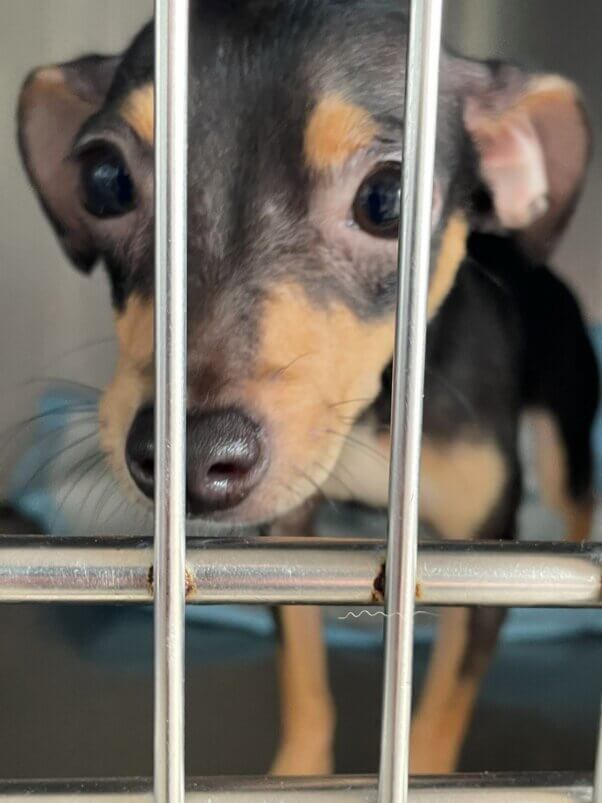
In a poignant moment that highlighted the emotional weight of the mission, the musicians performed an impromptu set for the clinic attendees and staff. One of the songs was a new, spontaneous composition inspired by the resilience of Puerto Rico’s street dogs and the efforts of PETA Latino to provide them with a "voice." By leveraging their platforms, these artists help shift the public narrative from viewing strays as a nuisance to viewing them as sentient beings deserving of care and protection.
Technical Analysis: The "One Health" Implication
From a public health perspective, high-volume clinics like the one held in Puerto Rico offer benefits that extend far beyond animal welfare. This is often referred to as the "One Health" approach, which recognizes that the health of people is closely connected to the health of animals and our shared environment.
- Zoonotic Disease Control: By providing vaccinations for rabies and leptospirosis, the clinic directly protects the human population. Leptospirosis, in particular, is a significant concern in Puerto Rico, especially following heavy rains and flooding.
- Economic Relief: By providing these services free of charge, the Global Compassion Fund injects a form of indirect economic aid into the community. Families are able to keep their pets without the financial strain of medical emergencies that arise from lack of preventative care.
- Public Safety: Reducing the number of stray animals leads to fewer incidents of dog bites and reduces the number of vehicular accidents caused by animals darting into traffic.
- Sanitation: A smaller, healthier animal population reduces the amount of animal waste in public spaces, which in turn lowers the risk of environmental contamination and the spread of parasites.
Official Responses and Strategic Partnerships
The collaboration between PETA Latino and the Humane Society of Puerto Rico (HSPR) is a strategic alliance that combines international resource mobilization with local expertise. Maritza Rodríguez, the Executive Director of the Humane Society of Puerto Rico, has frequently emphasized that the island cannot "adopt its way out" of the overpopulation crisis. The only viable solution is a massive, sustained commitment to sterilization.
Representatives from PETA Latino noted that the Global Compassion Fund is specifically designed for these types of high-impact interventions. The fund allows the organization to bypass the traditional limitations of local government funding, which is often tied up in bureaucratic delays or diverted to other infrastructure needs. By bringing in their own medical teams and supplies, they can ensure that 100% of the donated resources go directly to animal care.
The "Lola Fund" also played a crucial role. Named in honor of a rescued dog, the fund focuses on providing specialized care for animals in Puerto Rico, acknowledging the unique challenges faced by the island’s "satos."
Broader Implications and the Path Forward
While the sterilization of 215 animals in a single weekend is a significant victory, it is a drop in the bucket compared to the total population of unsterilized animals on the island. However, the importance of these clinics lies in their role as a model for future interventions. They demonstrate that high-volume, high-quality care can be delivered safely and effectively even in temporary settings.
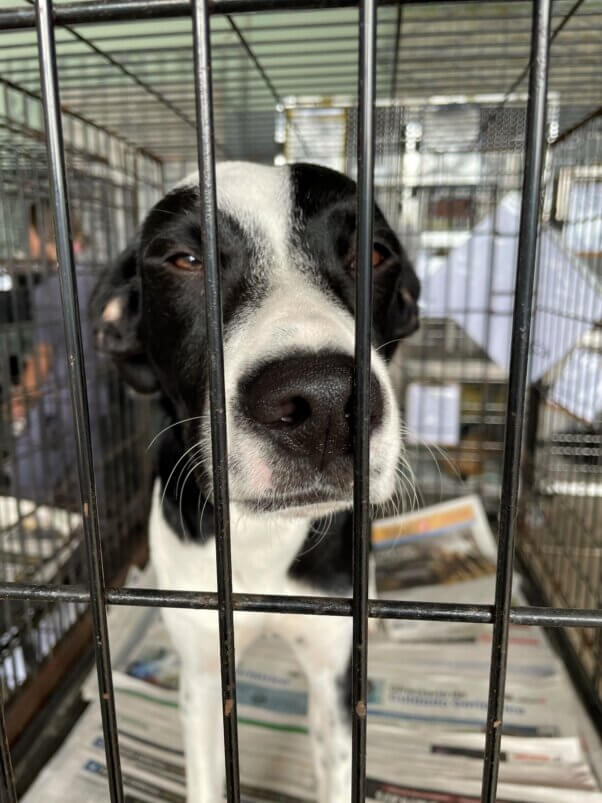
The long-term goal for PETA Latino and its partners is to foster a culture of "responsible guardianship" across Puerto Rico. This involves not just medical intervention, but also education. During the clinic, volunteers distributed educational materials in Spanish, explaining the health benefits of sterilization—such as the reduced risk of certain cancers and the elimination of behavioral issues associated with mating cycles.
The data gathered from these five clinics will likely be used to lobby for more permanent changes in Puerto Rican law regarding animal welfare. Advocates are pushing for mandatory sterilization laws and increased government subsidies for veterinary clinics in rural areas where the "sato" population is most dense.
As the clinic packed up its surgical lights and stowed its medical kits, the impact was visible in the eyes of the residents who walked away with their pets. For them, the event was more than just a medical procedure; it was a demonstration of international solidarity and a rare moment of relief in a difficult economic landscape. The music of Sie7e and José Nogueras may have faded, but the tangible results of the clinic—fewer litters, healthier pets, and a more informed public—will resonate across the island for years to come.
The organizers have already begun planning for the sixth clinic, emphasizing that as long as the Global Compassion Fund receives support, the marathon to save Puerto Rico’s animals will continue. The success of this fifth iteration serves as a powerful reminder that while the overpopulation crisis is vast, it is not insurmountable when compassion is met with professional expertise and community-driven action.

