


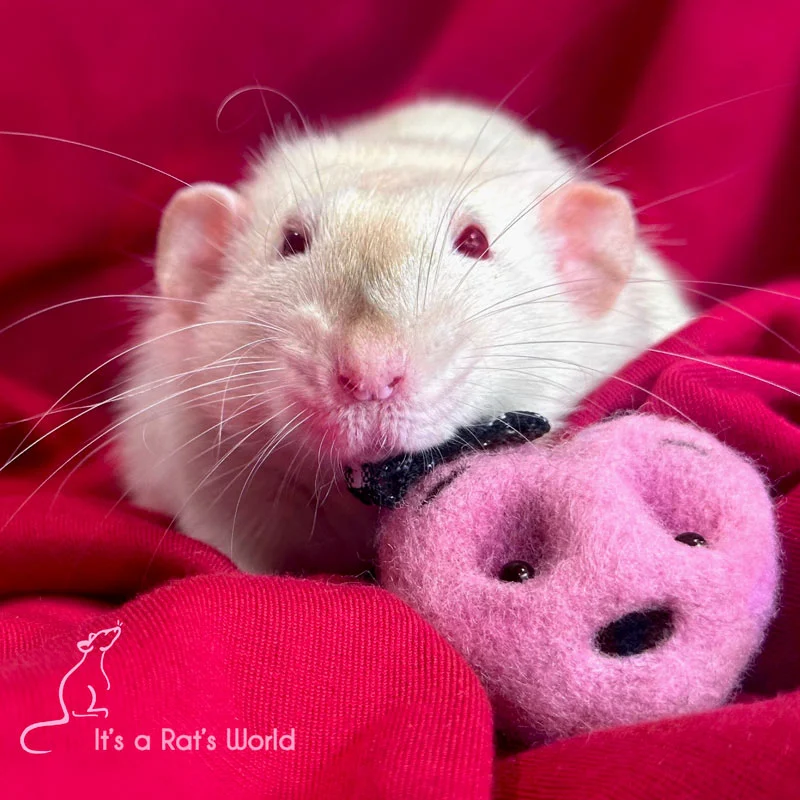
The concept of a heart rat—a term coined within the domestic rat-keeping community—refers to a profound, singular, and often transformative emotional bond between a human guardian and a specific pet rat. While the domestic fancy rat (Rattus norvegicus) is widely recognized in scientific literature for its high levels of social intelligence, empathy, and capacity for complex emotional regulation, the "heart rat" phenomenon represents an anecdotal peak of these interspecies connections. For many enthusiasts, these animals are described as "animal soulmates," whose impact on the owner’s identity and psychological well-being exceeds that of typical companion animals.
Defining the Interspecies Connection
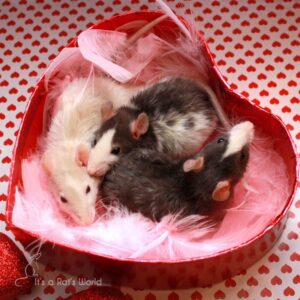
Domestic rats are gregarious, highly social creatures that thrive in groups, technically referred to as a "mischief." Because they are inherently social, they are biologically predisposed to seek interaction, not only with other rats but with human caretakers. Research into rodent behavior indicates that rats exhibit "pro-social" tendencies, such as helping a trapped cagemate or sharing food. When this natural propensity for connection aligns with a specific human’s temperament, the resulting bond is often elevated to the status of a heart rat.
Unlike a typical pet relationship, which may be defined by routine care and companionship, the heart rat bond is characterized by a "beyond-the-norm" level of communication. Owners often describe these animals as exhibiting hyper-social, "pushy," or intentionally engaging personalities that seem to deliberately seek out a deeper level of intimacy.
Chronology of the Human-Rat Bond
The trajectory of the rat-human bond has evolved significantly over the past three decades. In the 1990s, the resources for rat care were limited to rudimentary pet manuals, often lacking in behavioral insights. Many owners, such as Brandi Saxton, an influential figure in the rat-keeping community and publisher of It’s A Rat’s World, report that their initial deep connections were forged in a vacuum of information.
The timeline of these bonds typically follows a pattern:

- Initial Acquisition: Often occurring during a period of personal transition or life stress, the human seeks companionship.
- The "Spark" Period: An immediate, non-orchestrated recognition of a unique personality trait in the rat, such as unusual eye contact, grooming behavior, or a preference for physical touch.
- Deepening Attachment: A period of time where the rat becomes an active participant in the human’s daily life, often acting as an emotional support animal.
- The Legacy Period: Even after the natural lifespan of the rat (typically two to three years) has concluded, the influence of the animal continues to affect the owner’s life decisions, career path, or personal identity.
Scientific and Behavioral Context
While the term "heart rat" is colloquial, the psychological mechanisms behind it are grounded in established science. Rats are capable of bruxing (grinding their teeth) and boggling (vibrating their eyes), which are outward indicators of contentment and stress reduction. These physical behaviors serve as a form of feedback loop for the owner, reinforcing the emotional reward of the interaction.
Behavioral studies by researchers such as Dr. Jaak Panksepp, a pioneer in the field of affective neuroscience, demonstrated that rats respond to "tickling" (a surrogate for social play) with high-frequency ultrasonic vocalizations equivalent to human laughter. This capacity for play and shared joy is the foundation upon which deep attachments are built. When a rat exhibits a "bowl-you-over" personality—characterized by demanding attention or initiating specific play—it increases the human’s oxytocin levels, the hormone responsible for social bonding and trust.
Statistical Reality and Emotional Impact
The lifespan of a domestic rat is notably brief, rarely exceeding three years. This mortality constraint adds a layer of intensity to the owner-pet relationship. For an owner who keeps a mischief of rats over a 30-year period, they may care for dozens of individuals. Data from long-term enthusiasts suggests that only a small percentage of these animals—often fewer than 10%—are identified as "heart rats."
The loss of a heart rat is frequently reported to induce a grief response similar to that of losing a human loved one. This "next-level" sorrow often leads to a period of mourning that can last months, or in some cases, the creation of permanent memorials, such as tattoos, naming children after the animal, or dedicating professional ventures to their honor.

Broader Implications for Pet Ownership
The phenomenon of the heart rat has broader implications for how society views "non-traditional" pets. Historically, rodents were viewed strictly as laboratory subjects or pests. However, as the "rat-keeping" subculture has grown, so too has the recognition of these animals as sentient, emotionally complex beings.
This shift in perception has led to:

- The Adoption Movement: A pivot away from commercial pet stores toward organized rescue groups like "Any Rat Rescue." This reflects a maturing community that prioritizes the welfare and ethical sourcing of animals.
- Psychological Support: The role of rats as emotional support animals (ESAs) has gained traction, as their compact size and high social intelligence make them suitable for individuals living in urban or smaller housing environments.
- Advocacy and Education: Many individuals, once touched by a heart rat, dedicate their lives to animal advocacy, challenging the stigma associated with the species.
Case Studies in Emotional Attachment
The experiences of long-time keepers provide a window into the depth of these bonds. For example, the case of "Rory the Rat" (a fourth-generation pet in his household) highlights how a rat’s ability to "mirror" a human’s emotional state—such as grooming away tears—helped the owner navigate undiagnosed mental health challenges in the 1990s.
Similarly, the "Supernatural Brothers" (Winchester, Crowley, and Castiel) demonstrate that a heart rat connection is not limited to a single individual. In some cases, a group of rats may operate in such tight behavioral synchronicity that the owner perceives them as a single, collective heart-rat unit. This suggests that the bond is as much about the owner’s psychological projection of love as it is about the animals’ individual actions.
Conclusion
The heart rat is more than a mere favorite pet; it is a profound intersection of mammalian social intelligence and human emotional need. The brevity of a rat’s life serves as a catalyst for an intense, accelerated bond that leaves a lasting imprint on the human psyche. While the scientific community continues to explore the nuances of human-rodent communication, the anecdotal evidence from thousands of owners confirms that these small creatures are capable of forming connections that are both deep and transformative. For those who have experienced it, the heart rat serves as a lifelong reminder of the capacity for empathy across species lines, proving that the size of the animal is irrelevant to the magnitude of the love it inspires.

