


Caring for companion parrots is a rewarding experience, yet it carries the inherent responsibility of preparing for the unexpected. The reality of pet ownership dictates that illnesses and injuries are an unfortunate, though often preventable, part of a parrot’s life. The ability to respond swiftly and effectively in an emergency can be the decisive factor in a parrot’s survival and subsequent recovery. This article outlines essential strategies for preparing for, identifying, and managing medical emergencies in parrots, providing a critical resource for both seasoned parrot owners and those considering adding these intelligent birds to their families.
Immediate Action: When Every Second Counts
In the event of a suspected medical emergency, immediate and decisive action is paramount. If a parrot is exhibiting clear signs of an urgent condition, such as severe respiratory distress, unresponsiveness, or uncontrolled bleeding, it is imperative to cease all other activities and transport the bird to an avian veterinarian without delay. During transit, contact the veterinary clinic to provide advance notice of your arrival and the nature of the emergency. For situations where the urgency is less clear, a phone consultation with a veterinarian is recommended from home, allowing them to assess the situation and provide guidance on the appropriate course of action. In regions where immediate avian veterinary access is limited, owners may need to initiate basic stabilization measures while actively seeking the nearest available veterinary care, emphasizing the critical need for a well-prepared emergency plan.
- Recognizing a True Emergency: Certain symptoms unequivocally demand immediate veterinary attention. These include severe difficulty breathing (gasping, tail bobbing, open-mouthed breathing), sudden collapse or unresponsiveness, profuse bleeding, seizures, severe trauma (e.g., a broken bone, deep wound), acute poisoning, or sudden onset paralysis. These signs often indicate a rapidly deteriorating condition that requires professional intervention, including oxygen therapy, specialized medications, or surgical procedures, to prevent fatal outcomes.
Proactive Preparedness: The Foundation of Responsible Parrot Ownership
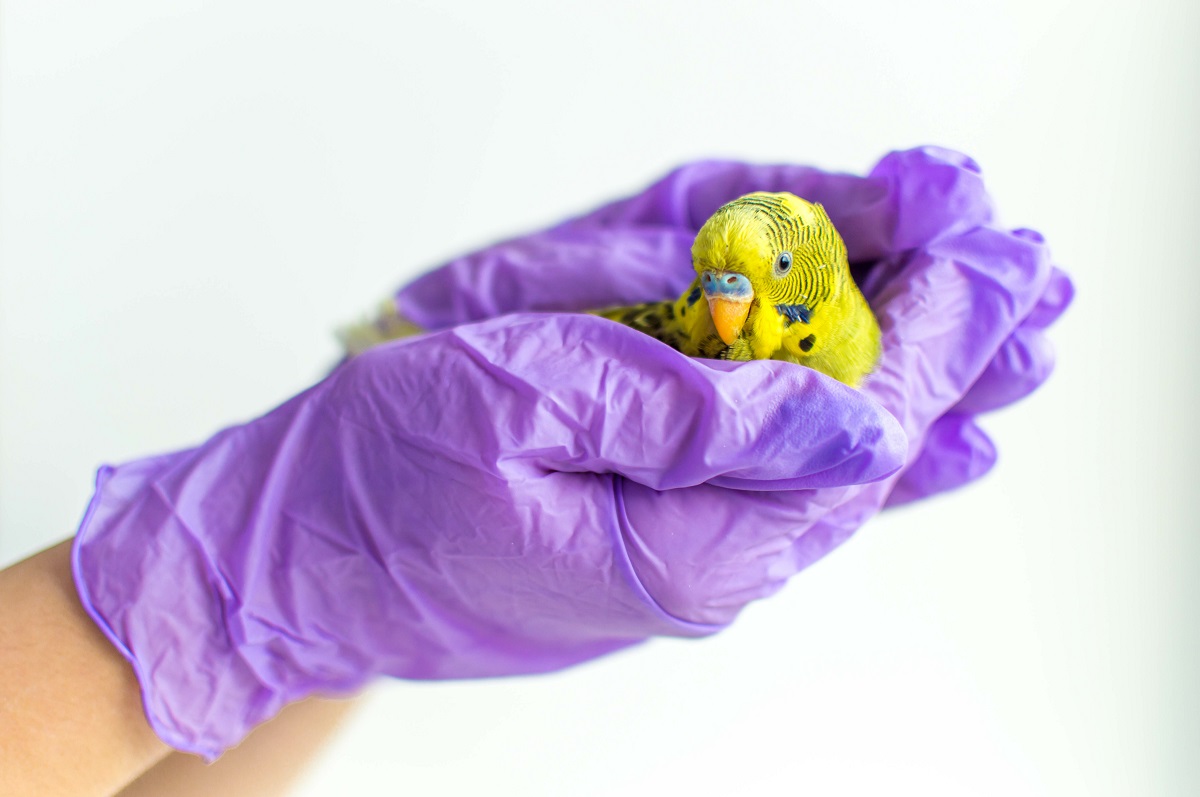
Prevention and readiness form the cornerstone of effective avian emergency management. A significant portion of successful outcomes in parrot emergencies stems from preparations made long before an incident occurs.
-
Establishing a Relationship with an Avian Veterinarian: The most critical preparatory step is identifying and establishing a relationship with a qualified avian veterinarian. Unlike general veterinarians, avian specialists possess extensive training and experience specifically in bird physiology, diseases, and treatments. This specialization is crucial given the unique anatomical and metabolic characteristics of parrots. Owners should conduct thorough research to locate an avian vet in their area, schedule a routine check-up for their bird to establish a patient history, and ensure the clinic’s emergency protocols are understood. It is advisable to have the vet’s primary and emergency contact numbers prominently saved in one’s phone and shared with all household members. Data suggests that specialized avian veterinary care can significantly improve prognosis for complex cases, yet the scarcity of such specialists in many regions underscores the importance of proactive identification.
-
Financial Planning for Unexpected Costs: Veterinary treatments, especially emergency interventions, can incur substantial costs. Diagnostics such as X-rays, blood tests, and specialized medications, coupled with potential hospitalization or surgery, can quickly accumulate into significant expenses. Responsible parrot ownership includes preparing financially for these eventualities. Establishing a dedicated emergency fund, akin to a savings account for veterinary care, or securing pet insurance that covers avian species, are prudent strategies. Pet insurance plans designed for exotic pets can help mitigate the financial burden of unexpected illnesses or injuries, allowing owners to prioritize their bird’s health without undue financial stress. Industry reports indicate that emergency vet visits for exotic animals can range from hundreds to several thousands of dollars, making financial preparedness a key component of responsible pet care.
-
The Imperative of Parrot-Proofing Your Home Environment: Parrots are highly intelligent, curious, and often destructive creatures. Their natural exploratory behaviors, combined with their sensitivity to environmental toxins and physical hazards, make them highly susceptible to accidents. A significant number of avian emergencies stem from preventable household incidents. Thorough parrot-proofing of any area accessible to the bird is therefore non-negotiable. This includes:
- Eliminating Toxic Substances: Removing all toxic plants (e.g., Dieffenbachia, lilies, avocado, azaleas), household cleaners, pesticides, certain human foods (chocolate, caffeine, alcohol), and heavy metals (lead, zinc found in older cages, some toys, and household items).
- Securing Electrical Hazards: Covering or securing all electrical cords to prevent chewing, which can lead to electrocution or burns.
- Preventing Escapes: Ensuring all windows and doors are securely closed and screened. Parrots can quickly exploit small openings.
- Managing Other Pets: Preventing unsupervised interaction between parrots and other household pets (cats, dogs), as even playful interactions can result in severe injuries due to the fragility of birds.
- Identifying Physical Hazards: Eliminating potential entrapment sites (e.g., small gaps behind furniture, open toilets, sticky traps), reflective surfaces (mirrors, windows) that birds might fly into, and unsecured heavy objects that could fall.
- Cage Safety: Regularly inspecting the bird’s cage and toys for worn parts, sharp edges, loose threads, or small components that could be ingested or cause entanglement. Maintaining impeccable cage hygiene is also vital to prevent bacterial or fungal infections.
Assembling Your Avian Emergency Toolkit
No matter how meticulous the prevention efforts, accidents can still occur. A readily accessible and well-stocked avian first aid kit is an indispensable resource for managing immediate injuries and stabilizing a bird before professional veterinary care can be obtained. All household members should be aware of its location and basic contents.
-
Essential Components of a Parrot First Aid Kit:

- Styptic Powder/Cornstarch: Crucial for stopping bleeding from minor cuts, broken blood feathers, or nail trims gone too short.
- Clean Gauze Pads/Cotton Balls: For applying pressure to wounds and cleaning.
- Antiseptic Solution (e.g., Chlorhexidine or Povidone-Iodine diluted): For cleaning minor wounds to prevent infection. Consult your vet for appropriate dilution ratios.
- Saline Solution: For flushing eyes or minor wounds.
- Tweezers: For removing splinters or foreign objects.
- Small Scissors: For cutting bandages or removing entangled threads.
- Vet Wrap/Self-Adhesive Bandage: For securing dressings without sticking to feathers.
- Small Flashlight/Headlamp: For detailed inspection in low light.
- Magnifying Glass: To inspect small wounds or parasites.
- Heat Source (e.g., Microwavable Heat Pad or Hot Water Bottle): To provide supplemental warmth for a bird in shock or distress (must be covered to prevent burns).
- Oral Rehydration Solution Sachets: To help combat dehydration (prepare according to instructions).
- Small Syringes (without needles): For administering rehydration solution or liquid medication if instructed by a vet.
- Emergency Contact List: Including your avian vet, emergency clinics, and trusted bird-sitter.
- Small Towels: For gently restraining the bird if necessary.
-
The Emergency Carrier: More Than Just Transport: A designated emergency carrier is vital. It should be small, easily cleaned, lined with absorbent material like paper towels, and capable of being darkened. Darkening the carrier helps reduce stress during transport by minimizing visual stimuli. Ensuring the carrier is readily available and clean saves critical time during an emergency.
-
Blood Loss: A Critical Concern: As Dr. Daisy May, Psittacology’s resident veterinarian, emphasizes, birds possess a remarkably small blood volume relative to their body weight. For instance, a 100g cockatiel has approximately 10ml of blood, and a loss exceeding 10% of this volume (i.e., more than 1ml for a cockatiel) can rapidly become life-threatening. This physiological characteristic underscores why swift action to control bleeding is paramount in avian emergencies.
Decoding Your Parrot’s Distress Signals
Parrots, like many prey animals, instinctively hide signs of illness or injury as a survival mechanism to avoid appearing vulnerable to predators. This innate behavior makes early detection of health problems challenging for owners. Therefore, keen observation and familiarity with a bird’s normal behavior are essential.
-
Understanding the "Prey Animal" Instinct: In the wild, a sick or weak bird is quickly targeted by predators. This evolutionary pressure has ingrained in parrots a strong tendency to mask symptoms until their condition is advanced or critical. By the time a parrot overtly displays signs of illness, it is often already severely compromised, necessitating immediate veterinary attention.
-
Baseline Observation: Knowing Your Healthy Bird: The most effective way to identify subtle changes indicative of illness is to thoroughly understand your bird’s normal state. Regularly observe its typical behaviors:

- Activity Levels: Is it as energetic and playful as usual?
- Appetite and Thirst: Is it eating and drinking normally?
- Droppings: Are the color, consistency, and volume consistent with its usual output? (Note: Diet changes, like eating beetroot, can alter droppings temporarily).
- Feather Condition: Are feathers smooth, well-kept, and free of ruffling or excessive plucking?
- Posture and Demeanor: Does it perch upright? Is it bright and alert?
- Vocalizations: Are its calls and sounds typical?
- Breathing: Is breathing quiet and unlabored?
-
Symptoms Warranting Immediate Veterinary Consultation (Non-Critical but Urgent): Dr. Daisy May recommends contacting your avian vet for guidance (whether to schedule an appointment or come in immediately) if you observe any of the following:
- Changes in droppings (color, consistency, volume) for more than a day.
- Decreased appetite or thirst.
- Lethargy, sleeping more than usual.
- Fluffed feathers for extended periods, especially if accompanied by a droopy appearance.
- Changes in vocalizations or reduced chatter.
- Minor feather plucking or skin irritation.
- Slight discharge from nostrils or eyes.
- Limping or minor lameness.
- Minor bleeding that has stopped but the source is unclear.
- Any unexplained change in behavior that persists for more than 12-24 hours.
-
Symptoms Demanding Emergency Veterinary Care (Life-Threatening): Certain signs are indicative of severe illness or injury and necessitate immediate transport to an avian vet, ideally while calling en route. These conditions often require oxygen support, warmth, and fluid therapy (oral or intravenous).
- Severe difficulty breathing (gasping, open-mouthed breathing, tail bobbing).
- Sudden collapse, unresponsiveness, or inability to perch.
- Seizures or tremors.
- Profuse or uncontrolled bleeding.
- Severe trauma (e.g., broken bone, deep laceration, head injury).
- Acute neurological signs (e.g., head tilt, circling, loss of balance, paralysis).
- Persistent vomiting or regurgitation.
- Swelling in any part of the body, especially the face or feet.
- Prolonged straining to pass droppings or eggs (egg binding).
- Any suspected poisoning.
- A sudden, dramatic change in behavior or appearance (e.g., a budgie found with a sudden head tilt, indicating a potential neurological event or severe inflammation).
-
Preventative Health Checks: Beyond emergency preparedness, regular health check-ups are invaluable. Veterinarians often recommend twice-yearly examinations for parrots. These routine visits can help detect subtle problems early, address nutritional imbalances, and allow for timely intervention before conditions escalate into emergencies.
Stabilizing Your Parrot While Awaiting Professional Care
Even after contacting your veterinarian, there may be a delay before your bird can be seen. During this critical waiting period, providing basic emergency care can significantly improve the bird’s prognosis. The focus should be on stabilization and minimizing stress.
-
Controlling Hemorrhage: If your parrot is bleeding, controlling the blood loss is the immediate priority. For minor bleeding (e.g., from a broken blood feather or superficial wound), apply styptic powder or cornstarch directly to the affected area and apply firm but gentle pressure with clean gauze for several minutes. If the wound is deep or appears to penetrate a body cavity (abdomen or thorax), do not apply styptic powder. Instead, apply continuous direct pressure with clean gauze and proceed immediately to the vet.

- Caution: When applying pressure to any part of a bird’s body, be extremely careful not to restrict its ability to expand its chest. Birds lack a diaphragm and rely entirely on chest expansion for respiration. Any constriction around the body can impede breathing and be fatal.
-
Providing Critical Warmth and Isolation: Stress and hypothermia are major contributors to mortality in sick or injured birds. Compromised parrots struggle to maintain their body temperature, and a drop can worsen their condition. Ideal supplemental warmth is approximately 85°F (29°C).
- Method: Place the bird in a small carrier or clean box lined with soft paper towels or a clean towel. Introduce a covered heat pad (microwavable pads are safest as they pose less risk of bursting than hot water bottles) or a hot water bottle wrapped in a towel. Cover the enclosure to darken it, which helps reduce stress by limiting visual stimulation. Vets often adopt a "hands-off" approach with severely distressed birds for this reason, as even handling can cause fatal stress. This warm, dark, and quiet environment mimics a "brooder" and provides a sense of security while conserving the bird’s energy.
-
Addressing Dehydration: A Vital Step: Vomiting, diarrhea, or prolonged illness can rapidly lead to dehydration in parrots. While severe dehydration requires immediate veterinary intervention (often intravenous fluids), mild dehydration can sometimes be addressed at home if the bird is still alert and able to swallow.
- Assessing Dehydration: One method is to check the basilic wing vein refill time. Locate the basilic wing vein, visible as a raised blue line on the inside of the bird’s "elbow" (humeral-radioulnar joint). Gently press on the vein to displace the blood. In a well-hydrated bird, the vein should refill immediately upon lifting your finger. If it takes more than 2 seconds, the bird is likely experiencing moderate to severe dehydration and requires urgent veterinary care.
- Rehydration Solutions: Your first aid kit should contain oral rehydration sachets. Prepare these according to package instructions and offer them to the bird in a shallow dish or via a teaspoon. If the bird is syringe-trained and able to swallow comfortably, small amounts can be offered via a syringe.
- Important Caveat: Any fluids offered should be gently warmed to body temperature to avoid further chilling the bird. Crucially, never attempt to force-feed or syringe fluids directly into a bird’s mouth unless you have been explicitly trained by an avian vet or technician. There is a significant risk of aspirating fluids into the bird’s lungs, which can cause fatal pneumonia. If a bird is too weak to drink independently, professional medical intervention is required.
The Broader Implications of Avian Emergency Preparedness
The proactive measures and rapid response capabilities discussed herein have far-reaching implications beyond individual incidents.
-
Enhancing Animal Welfare and Owner Peace of Mind: A well-prepared owner is better equipped to prevent emergencies and, when they do occur, to act decisively, thereby improving the chances of a positive outcome for their pet. This preparedness reduces suffering for the bird and alleviates the intense anxiety and guilt often experienced by owners during unexpected health crises. It fosters a more secure and nurturing environment for companion parrots.
-
The Role of Education in Pet Parrot Care: The responsibility for a parrot’s well-being rests squarely with its owner. Comprehensive education on parrot behavior, nutrition, environmental needs, and emergency care is fundamental to responsible ownership. Access to reliable information, such as that provided by avian veterinarians and reputable avian welfare organizations, empowers owners to make informed decisions and provide the best possible care.

In conclusion, the fragility of birds and the rapid progression of avian illnesses and injuries underscore the paramount importance of emergency preparedness. Your absolute priority in any concerning health situation is to seek immediate consultation and care from an avian veterinarian. By establishing a relationship with a specialist, planning financially, meticulously parrot-proofing the home, and assembling a comprehensive first aid kit, parrot owners can significantly enhance their ability to navigate medical emergencies, ultimately ensuring the best possible chances for their cherished feathered companions to survive and recover.
Sources
- Avianmedicine.net: Emergency and Critical Care

