



Companion birds, often cherished members of households, possess a profound reliance on predictability and routine. While humans navigate the cyclical shifts of life, from summer holidays to the bustling return of academic schedules, these seemingly minor transitions can trigger significant stress and behavioral changes in feathered companions. Published on August 17, 2025, with a last update on December 27, 2025, this examination delves into the critical, yet often overlooked, impact of altered household dynamics on avian well-being, offering insights and strategies for mitigating potential distress.
The Silent Struggle of Avian Companions
For many households, the annual transition from the relaxed pace of summer to the structured rhythm of the school year marks a period of significant adjustment. Backpacks replace beach towels, quiet mornings give way to hurried departures, and extended family presence dwindles as students return to classrooms and adults resume more rigorous work schedules. To humans, these are routine seasonal adjustments. To a pet bird, however, these shifts can represent a drastic upheaval of their perceived world, leading to confusion, anxiety, and a range of stress-related behaviors. Unlike dogs or cats, whose stress signals might be more readily recognized, birds often exhibit discomfort subtly, a survival mechanism honed in the wild that can make early detection challenging for even the most attentive owners. The sudden absence of familiar sounds, sights, and interactions can transform a bird’s once-predictable environment into an unpredictable and potentially alarming landscape.
The Evolutionary Roots of Routine Dependence
The avian predisposition for routine is deeply embedded in their evolutionary biology. In the wild, predictability is a cornerstone of survival. Birds rely on consistent daily cycles for foraging, nesting, predator avoidance, and social interactions. Disruptions to these patterns—such as changes in light cycles, food availability, or the presence of flock members—can signal danger or resource scarcity. This innate drive for consistency translates directly to their behavior in captivity. A pet bird’s internal clock, or circadian rhythm, is finely tuned to the household’s activities: the time of waking, the sounds of breakfast preparation, periods of interaction, and the eventual winding down for sleep.
For instance, studies in avian behavior have consistently shown that environmental enrichment and a stable routine significantly reduce stress hormones like corticosterone in captive birds. Conversely, unpredictable schedules or sudden changes can elevate these stress markers, impacting not only behavior but also physiological health, including immune function and metabolic processes. Highly intelligent and social species, such as African Greys, Amazon parrots, and Cockatoos, are particularly susceptible to these changes due given their complex cognitive abilities and strong social bonding needs. These species thrive on intricate social interactions and intellectual stimulation, making them acutely aware of any reduction in human contact or changes in the "flock" dynamic within the home. The absence of familiar human "flock members" can be perceived as a genuine threat to their social structure and security.
The Annual Shift: Summer Serenity to School-Year Scramble
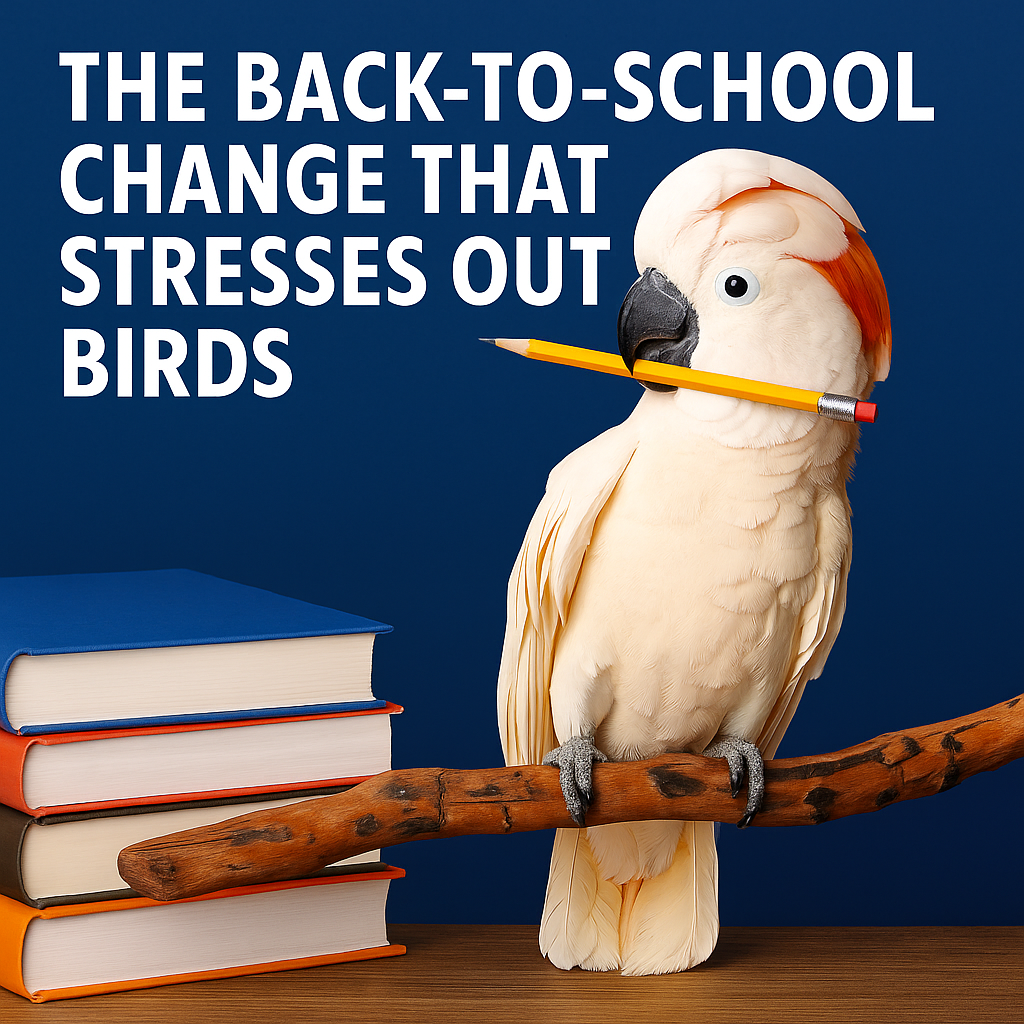
The chronology of this impact typically unfolds over several stages. During the summer months, many households experience an increased presence of family members. Children are home from school, adults may have more flexible schedules, and vacations often mean birds are either integrated into family activities or have more consistent human interaction. This period establishes a pattern of heightened social engagement, more frequent out-of-cage time, and a generally livelier household atmosphere. Birds, being highly observant, quickly integrate these patterns into their daily expectations. They learn to anticipate interactions, treat times, and the ambient noise levels associated with a full house.
As August wanes and September approaches, the shift begins abruptly. Mornings transform from leisurely starts to a cacophony of rushing, slamming doors, and diminished human presence. The vibrant soundtrack of summer—cartoons, laughter, continuous chatter—is replaced by silence, often for many hours a day. For a bird accustomed to constant companionship and stimulation, this sudden vacuum can be jarring. The once-full rooms become empty, the familiar voices vanish, and the daily rhythm they had grown to trust is shattered. This immediate post-shift period is often when owners first observe signs of distress, as their birds attempt to recalibrate to a drastically altered environment. The contrast between the previous abundance of interaction and the new scarcity can be particularly difficult for birds to process, leading to confusion and heightened anxiety as they struggle to understand the sudden departure of their human flock.
Manifestations of Distress: Decoding Avian Signals
Birds are masters of concealing vulnerability, a trait crucial for survival in the wild where any sign of weakness can attract predators. In a domestic setting, this instinct means that a bird’s stress may not be immediately apparent until it escalates into more pronounced behavioral or physical symptoms. Avian veterinarians and behaviorists frequently encounter cases where owners only realize their bird is distressed after weeks of subtle cues have gone unnoticed.
Common warning signs of stress in birds due to routine changes include:
- Increased Vocalization or Silence: Some birds may become excessively loud, screaming or squawking persistently, particularly when left alone. Others may exhibit the opposite extreme, becoming unusually quiet and withdrawn, ceasing their normal chirps, whistles, or mimicry. Both extremes signal a departure from their typical vocal patterns and warrant attention.
- Feather-Related Behaviors: Feather plucking, chewing, or excessive preening can be a strong indicator of psychological distress. While veterinary examination is crucial to rule out medical causes, stress and anxiety are frequent underlying factors for these self-mutilating behaviors.
- Changes in Appetite and Hydration: A stressed bird may eat less, refuse favorite foods, or exhibit a sudden increase in appetite, often accompanied by increased water intake. Anorexia, especially, is a critical red flag in birds and requires immediate veterinary consultation as it can rapidly lead to severe health complications.
- Pacing and Repetitive Behaviors: Stereotypical behaviors such as pacing along cage bars, head bobbing, or repetitive wing flapping without flying can indicate boredom, frustration, or anxiety. These behaviors are often attempts by the bird to cope with their environment.
- Separation Anxiety: A bird that was once independent may become excessively clingy, exhibiting "Velcro bird" behavior, demanding constant physical contact upon an owner’s return. Conversely, some birds might become withdrawn and avoid interaction, signaling a loss of trust or emotional distance.
- Decreased Interest in Enrichment: Toys that were once favorites may be ignored, foraging activities may cease, and the bird may spend more time napping or simply sitting disengaged. This apathy signifies a lack of mental and physical stimulation, contributing to a downward spiral of distress.
- Aggression or Fearfulness: A bird might suddenly become nippy, territorial, or exhibit increased fear responses to previously non-threatening stimuli. This can be a defensive reaction to feeling insecure or overwhelmed by environmental changes.
These manifestations underscore the importance of vigilant observation. An African Grey owner, for instance, noted their typically playful bird suddenly abandoned a cherished foraging puzzle overnight, a subtle but significant behavioral shift directly correlating with the family’s altered daily rhythm. Such small deviations from a bird’s normal demeanor should never be dismissed.
Community Consensus: Pet Owners and Experts Voice Concerns
The challenges of managing avian stress during routine shifts are not isolated incidents. Online forums, social media groups, and community platforms like Reddit and Quora are replete with discussions among bird owners sharing similar experiences. Posts titled "Why does my parrot seem so off since school started?" or "How do I help my bird cope when I’m gone more?" frequently appear, highlighting a widespread concern within the pet avian community. Anecdotal evidence consistently points to parrots becoming more clingy, engaging in increased screaming, or appearing visibly bored or lethargic once the school year commences.

Avian veterinarians and certified animal behaviorists echo these concerns, often providing professional perspectives that align with owner observations. Dr. Sarah Johnson, an avian veterinarian, notes, "We frequently see an uptick in stress-related behavioral issues, such as feather plucking or increased aggression, during seasonal transitions. It’s crucial for owners to understand that their bird’s world revolves around the predictability of the household, and even subtle changes can be profoundly impactful." Animal behaviorists, like Diane Burroughs, LCSW, whose background in psychotherapy and Applied Behavior Analysis (ABA) informs her approach to parrot wellness, emphasize that "birds aren’t ‘broken’ when they exhibit these behaviors; they are simply communicating their distress and attempting to adapt. Patience, consistent routines, and enrichment are key to guiding them through these periods." The consensus among experts and experienced owners alike is that proactive intervention and empathetic understanding are vital for supporting birds through these challenging adjustments.
Proactive Strategies: Fostering Stability Amidst Change
Successfully navigating routine changes for a pet bird requires a multi-faceted approach focused on predictability, enrichment, and emotional support.
- Gradual Acclimation and Predictable Schedules: The most effective strategy is to introduce changes incrementally. If a significant shift in schedule is anticipated (e.g., back-to-school), begin adjusting the bird’s routine weeks in advance. Gradually shift wake-up and bedtime rituals, reduce interaction times in small increments, and introduce periods of quiet solitude. This phased approach allows the bird to adapt slowly, building trust that departures are temporary and routines will eventually stabilize. Locking in fundamental routines, such as consistent wake-up times, feeding schedules, and lights-out rituals, provides a crucial anchor of safety and predictability.
- Enrichment and Mental Stimulation: An enriched environment is paramount for avian well-being. During periods of absence, ensure the bird has access to a variety of engaging toys. Rotate toys frequently to maintain novelty and prevent boredom. Introduce foraging puzzles that require mental effort to retrieve treats, mimicking natural foraging behaviors. Different textures for chewing, climbing structures, and opportunities for shredding can also keep birds mentally and physically engaged. The quality of enrichment should aim to replace some of the stimulation previously provided by human interaction.
- Leveraging Technology for Avian Well-being: Modern technology offers valuable tools for supporting birds during absences. Two-way security cameras, equipped with audio, allow owners to monitor their birds and even communicate with them remotely. A simple, calm "I’ll be back soon" spoken through the camera can become a comforting cue, reinforcing the bird’s confidence in the owner’s return. Automated timers for lights can maintain consistent light cycles, mimicking natural daylight and preventing abrupt changes that can disrupt circadian rhythms. Some owners find success playing familiar music, nature sounds, or even a favorite television show at a low volume. The consistent background noise can soften the silence of an empty house, providing auditory stimulation and a sense of continued presence.
- The Role of Nutrition and Calming Aids: A balanced diet is fundamental for overall health and stress resilience. Ensure the bird is receiving appropriate nutrition. Additionally, bird-safe calming products, such as supplements containing L-Theanine or botanical extracts, can offer a gentle way to ease anxiety during periods of adjustment. These products are not sedatives but rather aim to promote a sense of calm and well-being, similar to how humans might use herbal teas or weighted blankets for relaxation. It is always advisable to consult with an avian veterinarian before introducing any supplements to ensure they are appropriate for the specific bird and its health condition.
- Quality Interaction Upon Return: Upon returning home, prioritize quality interaction over mere presence. Instead of passively "hanging out," engage the bird in structured activities like training games, introducing a new toy, or a supervised outdoor "chilling session" (weather and bird personality permitting). This reinforces independent play and establishes reconnection on terms that build the bird’s confidence and strengthens the bond.
Long-Term Implications: Ensuring Avian Thriving
The long-term implications of unmanaged stress in pet birds can be severe. Chronic stress can lead to a weakened immune system, making birds more susceptible to illness. Persistent behavioral issues, such as feather plucking or aggression, can become deeply ingrained habits that are difficult to reverse, significantly impacting the bird’s quality of life and the owner-pet relationship. In extreme cases, severe anxiety and depression can even shorten a bird’s lifespan.
Therefore, the responsibility of pet ownership extends beyond providing food and shelter; it encompasses a commitment to understanding and meeting the complex psychological and emotional needs of these intelligent and sensitive creatures. By proactively addressing the impact of routine changes, owners not only prevent distress but also foster a more resilient, well-adjusted, and ultimately happier bird. This commitment ensures that companion birds can thrive alongside their human families, regardless of life’s inevitable shifts.
Conclusion: A Commitment to Avian Harmony
Life is an evolving tapestry of routine changes, from school schedules and work shifts to family vacations and new life stages. These fluctuations are an inherent part of human existence. However, for companion birds, who rely heavily on consistency for their sense of security and well-being, such changes can be profoundly destabilizing. Recognizing this vulnerability is the first critical step toward responsible avian care. By implementing thoughtful, gradual transitions, providing enriching environments, leveraging technological aids, and offering appropriate calming support, bird owners possess a comprehensive toolkit to ease the stress of these shifts. A proactive, empathetic approach not only mitigates immediate distress but also strengthens the bond between bird and owner, fostering trust and ensuring a lifetime of positive, harmonious experiences.

