


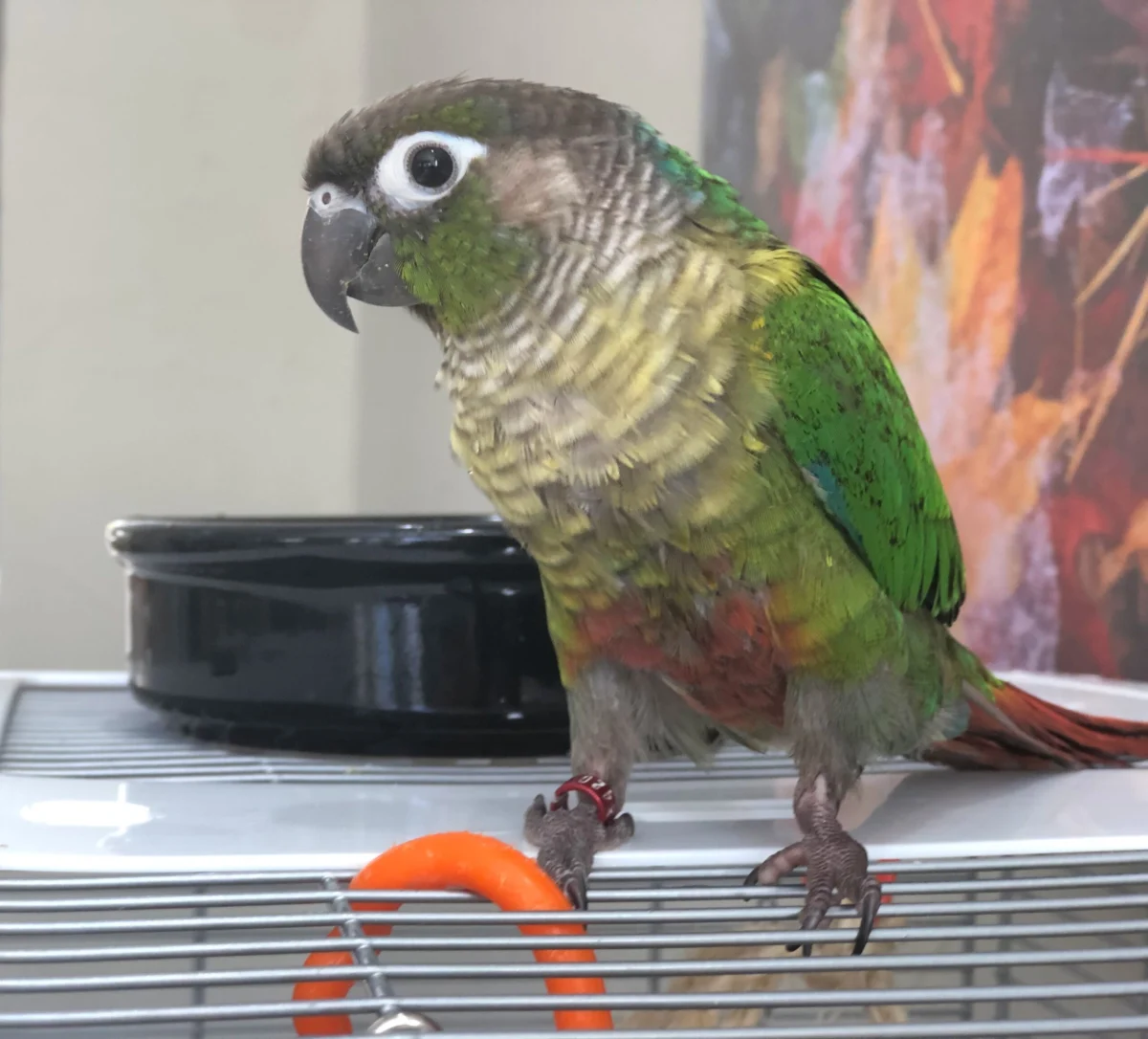
Indoor birds, cherished companions in countless homes, frequently exhibit signs of discomfort such as itchiness, excessive feather dust, and frequent scratching, particularly during the colder winter months or periods of molt. These symptoms, while often appearing concerning to their owners, are commonly linked to the arid conditions prevalent in heated indoor environments, which starkly contrast with the naturally humid habitats of many avian species. Understanding the nuances between normal physiological responses and indicators of underlying health issues is paramount for responsible avian care. This guide aims to provide bird owners with a detailed framework for identifying, addressing, and preventing environmental and nutritional factors contributing to feather and skin distress, while also delineating critical signs that necessitate immediate veterinary intervention.
The Impact of Indoor Environments on Avian Health
Pet birds, ranging from small finches to large macaws, originate from diverse climates, many of which are characterized by high humidity. When these birds are housed in typical indoor settings, especially during winter when central heating systems reduce ambient moisture, they are exposed to conditions far drier than their physiological norm. This environmental discrepancy often manifests as visible discomfort.
- Understanding the Vulnerability: A bird’s feathers are complex structures made primarily of keratin, which requires a certain level of moisture to maintain flexibility, strength, and integrity. The skin beneath the feathers also needs hydration to remain healthy and supple. In dry air, feathers can become brittle, leading to increased dust and breakage. The skin can become dry, tight, and itchy, prompting the bird to scratch and preen excessively in an attempt to alleviate the irritation. The uropygial (preen) gland, located at the base of the tail, produces an oil that birds spread over their feathers to condition them and provide waterproofing. In dry conditions, this gland may struggle to keep up, or the oil itself may become less effective without sufficient environmental moisture.
- Common Manifestations of Dry Air Discomfort: Owners might observe their birds frequently rubbing their faces, scratching with their feet, or vigorously preening. An increase in fine, powdery dust, especially noticeable around the cage or on furniture, is another common indicator, particularly for species like cockatiels and cockatoos which naturally produce more feather dust. During molting periods, when new feathers are pushing through the skin, dry air can exacerbate the discomfort, making the process more painful and increasing the likelihood of over-preening or even self-inflicted damage.
When to Seek Veterinary Care: Distinguishing Normal from Alarming
While many signs of itching and feather dust can be attributed to environmental dryness, it is crucial for owners to differentiate these from symptoms that signal a more serious underlying health problem requiring professional medical attention.
- Signs That Are Usually Normal (and often linked to dry air/molt):
- Increased preening: More frequent but gentle manipulation of feathers, especially during molt.
- Visible feather dust: Fine powder on feathers, cage, or surroundings, particularly in dusty species.
- Mild, transient scratching: Occasional scratching of the head or body that resolves quickly.
- "Pin feather" discomfort: New feathers emerging, appearing encased in a waxy sheath, which can be itchy or sensitive.
- Flaky skin: Minor dry flakes visible on the skin during preening.
- Signs That Are NOT Normal (and require immediate veterinary consultation):
- Open wounds or bleeding feathers: Any visible injury to the skin or active bleeding from feathers.
- Bald patches or significant feather loss: Areas of skin completely devoid of feathers, especially if not consistent with a normal molt pattern.
- Sudden changes in behavior: Lethargy, decreased activity, loss of appetite, changes in vocalization, or unusual aggression.
- Changes in droppings: Discoloration, changes in consistency, or increased frequency.
- Lameness or difficulty perching: Any signs of physical pain or inability to move normally.
- Self-mutilation: Persistent plucking or chewing of feathers to the point of skin damage, or repetitive, aggressive scratching that causes injury.
- Fluffed-up appearance with lethargy: A classic sign of illness in birds, often accompanied by reduced activity and appetite.
If any of these non-normal signs are observed, contact an avian or exotics veterinarian without delay. Early diagnosis and treatment are critical for positive outcomes in avian health.
The Chronology of Intervention: Addressing Environmental Factors First
When a bird exhibits signs of dry skin or feather irritation, a methodical approach to intervention is most effective. The first line of defense typically involves environmental adjustments, specifically focusing on increasing humidity and optimizing bathing opportunities.
-
Initial Assessment (Day 1-2): Observe the bird’s symptoms. Are they mild, intermittent scratching, or more intense and persistent? Is there visible dust? Has the indoor heating recently been turned on? This initial observation helps rule out immediate emergencies.
-
Humidity Enhancement (Week 1): Introduce measures to increase ambient humidity.
- Humidifiers: Utilize bird-safe humidifiers (cool mist ultrasonic or evaporative are generally preferred over warm mist, which can breed bacteria if not meticulously cleaned). Aim for a relative humidity level of 50-70% in the bird’s immediate environment. Ensure humidifiers are cleaned daily with vinegar and water to prevent mold and bacterial growth, which can pose respiratory risks.
- Strategic Placement: Place humidifiers near the bird’s cage but not so close that the bird is directly exposed to the mist or noise.
- Other Methods: Consider placing shallow dishes of water near heat sources (safely out of reach of the bird) or adding houseplants (ensure they are bird-safe) to the room, as they release moisture through transpiration.
-
Bathing Opportunities (Ongoing): Simultaneously, re-evaluate and enhance bathing options.
- Offer Daily Choices: Avian veterinarians consistently recommend offering birds the opportunity to bathe daily, rather than forcing them. This empowers the bird and makes bathing a positive experience.
- Variety is Key: Some birds prefer a shallow dish of lukewarm water in their cage or a designated bathing area. Others enjoy a gentle misting with a bird-safe spray bottle (using lukewarm water, never cold). Some may prefer to "shower" with their owner (safely, on a shower perch), or simply enjoy the steam from a running shower. Wet leafy greens (e.g., romaine lettuce, kale) can also entice birds to preen and hydrate.
- Safety First: Ensure bathing water is comfortably warm, never cold, and the bathing environment is free from drafts. Never leave a bird chilled after bathing. Towel-drying is generally not recommended as it can damage feathers; allow the bird to air dry in a warm, draft-free room.
- Avoid Forcing: Forcing a bird into a bath can create fear and aversion, making future bathing attempts more difficult. Resistance often means the method or timing is uncomfortable, not that the bird dislikes being clean.
-
Nutritional Review (After 1-2 Weeks of Environmental Changes): If environmental adjustments have not yielded significant improvement after one to two weeks, or if the bird is on a seed-heavy diet, nutrition becomes the next focus.
- Dietary Deficiencies: Seed-based diets are notoriously deficient in essential vitamins and fatty acids crucial for skin and feather health. Deficiencies in Vitamin A (important for epithelial tissue health) and Vitamin E (an antioxidant that supports skin integrity) are common. Omega-3 and Omega-6 fatty acids are also vital for healthy skin and lustrous feathers.
- Supplementation: Small, careful additions of high-quality avian-specific supplements, often containing these key vitamins and omegas, can support overall skin comfort and feather quality over time. It is crucial to introduce supplements sparingly and consistently, observing the bird’s response. Avoid introducing multiple new products simultaneously to isolate the effect of each. Always follow package instructions and consult with an avian vet before adding significant dietary changes.
-
Veterinary Consultation (If No Improvement After 2 Weeks): If, after diligently implementing environmental changes and reviewing nutrition for two weeks, the bird’s symptoms persist or worsen, it is imperative to schedule an appointment with an avian veterinarian. This timeline allows sufficient time for environmental and dietary adjustments to take effect for mild, environmentally-induced issues.
Official Responses and Expert Insights
Avian veterinary associations and specialists consistently advocate for a proactive, holistic approach to bird health, emphasizing preventive care and environmental enrichment. Dr. Susan O’Malley, a prominent avian veterinarian, states, "Many feather and skin issues we see in practice are initially linked to suboptimal environmental conditions. Owners often underestimate the impact of low humidity on their birds."
Diane Burroughs, LCSW, an avian wellness educator, further elaborates on the behavioral aspect: "When a bird avoids bathing, our instinct might be to try harder, but this often backfires. Giving the bird control over how and when they bathe builds trust and makes them more likely to engage in self-care behaviors. It’s about offering a diverse ‘spa menu’ and letting them choose."
Research published in journals such as Frontiers in Physiology (Chen et al., 2020) and foundational texts like Avian Medicine: Principles and Application (Cooper & Harrison) highlight the physiological stress that environmental factors, including temperature and humidity, place on avian metabolic processes and integumentary health. These studies reinforce the scientific basis for addressing humidity and nutrition as primary interventions.
Broader Impact and Implications: Beyond Just Itchiness
The implications of chronic dry skin and feather irritation extend beyond mere discomfort. Unaddressed, these issues can lead to a cascade of problems:
- Escalation to Feather Destructive Behavior: What begins as normal preening to relieve an itch can, in a state of chronic irritation, escalate into obsessive over-preening, feather chewing, or even self-plucking. This transition is particularly concerning because feather destructive behavior, once established, can be extremely difficult to reverse and often indicates deeper physiological or psychological distress. Early intervention to alleviate discomfort can significantly reduce the risk of this escalation.
- Compromised Feather Quality: Brittle feathers are more prone to breakage, leading to a dull, unkempt appearance. This can impair a bird’s ability to fly efficiently, regulate body temperature, and even signal health to potential mates.
- Skin Infections: Constant scratching can break the skin barrier, making the bird vulnerable to bacterial or fungal infections, which require veterinary treatment.
- Behavioral Stress: A bird that is constantly uncomfortable is a stressed bird. Chronic stress can suppress the immune system, making the bird more susceptible to other illnesses, and can manifest as aggression, fear, or withdrawal.
- Nutritional Deficiencies and Overall Health: The connection between skin and feather health and overall nutrition underscores that these symptoms are often indicators of broader dietary imbalances that can affect organ function, energy levels, and long-term vitality.
Specific Actions: What Helps and What Backfires
To guide owners, here’s a detailed look at effective strategies and common pitfalls:
- What Tends to Help When a Bird Avoids Baths:
- Offering a Variety of Options: Provide shallow dishes, misting bottles, shower perches, and wet greens.
- Warmth and Comfort: Ensure the bathing area is warm and draft-free, and the water is lukewarm.
- Positive Association: Introduce bathing opportunities calmly, without pressure. Praise and offer treats for engaging with water.
- Indirect Contact: For spray-averse birds, misting above them like gentle rain, rather than directly at them, can be more acceptable.
- Routine but Flexible: Offer bathing opportunities at predictable times but allow the bird to decide when and how much to participate.
- What Often Backfires:
- Forcing Baths: Grabbing a bird and spraying it down, or pushing it into water, will likely create fear and aversion.
- Using Cold Water or Strong Spray: This is uncomfortable and can be startling, leading to negative associations.
- Infrequent Bathing: Waiting until the bird is visibly dirty or itchy before offering a bath.
- Using Scented Products: Bird-safe means unscented. Fragrances can be irritating or toxic.
- Neglecting Humidifier Maintenance: Dirty humidifiers can aerosolize bacteria or mold, leading to respiratory problems, not improved health.
Maintaining a Safe and Healthy Environment
Any setup for humidity or bathing must prioritize cleanliness and safety. Humidifiers require daily cleaning to prevent the growth of harmful bacteria and molds. Water dishes should be cleaned and refilled daily. All products used in the bird’s environment, including any sprays, must be specifically formulated as bird-safe and unscented. Cold drafts after bathing are a particular hazard and must be avoided. Regular monitoring of the room’s temperature and humidity with a hygrometer can help owners maintain optimal conditions.
Conclusion
The well-being of indoor birds is a testament to attentive husbandry. While the sight of an itchy, dusty bird can be distressing, many common skin and feather irritations are manageable through diligent environmental adjustments and nutritional support. By understanding the physiological needs of their avian companions, providing consistent access to appropriate bathing opportunities, maintaining optimal indoor humidity, and ensuring a balanced diet, owners can significantly enhance their birds’ comfort and reduce the risk of more serious health and behavioral issues. However, the ultimate responsibility lies in recognizing the limitations of home care and knowing when to entrust the health of a beloved pet to the expertise of an avian veterinarian. Early detection, proactive management, and timely professional intervention form the cornerstone of ensuring a vibrant, comfortable life for pet birds.

