


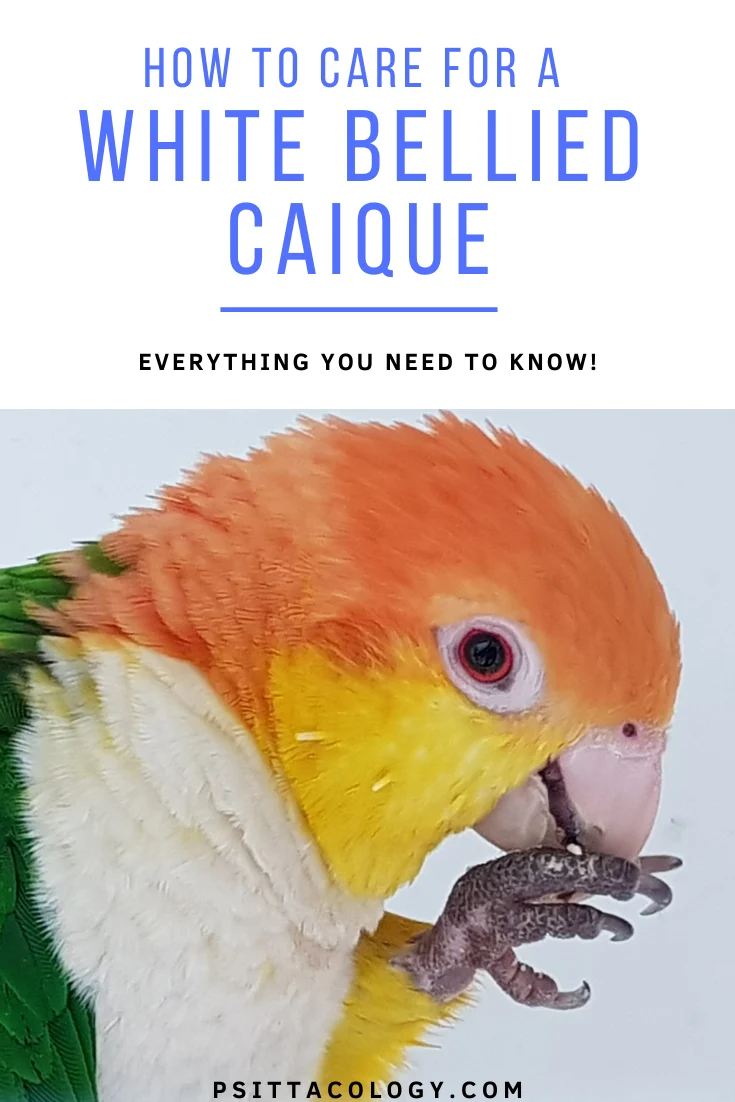
Considering the addition of a white-bellied caique to your household necessitates a thorough understanding of these South American parrots’ unique care requirements. Renowned for their vibrant personalities and energetic dispositions, white-bellied caiques are a significant commitment, demanding preparedness from potential owners. This comprehensive guide provides essential insights into their appearance, natural habitat, dietary needs, temperament, housing, enrichment, vocalizations, and potential medical concerns.
Understanding the White-Bellied Caique: Core Characteristics
The white-bellied caique (scientific name Pionites leucogaster, though taxonomy is debated) is a captivating parrot species with a distinctive appearance and a lifespan that can exceed 40 years, making them a multi-decadal companion. These birds typically reach an adult size of approximately 23 cm (9 inches) and weigh up to 170 grams. While their noise level is considered moderate for a parrot, their energetic nature and vocal capabilities require consideration. Native to the canopies of rainforests in the Brazilian Amazon basin, their wild populations are unfortunately classified as endangered by the IUCN, primarily due to habitat degradation.
Distinctive Appearance and Taxonomic Debates
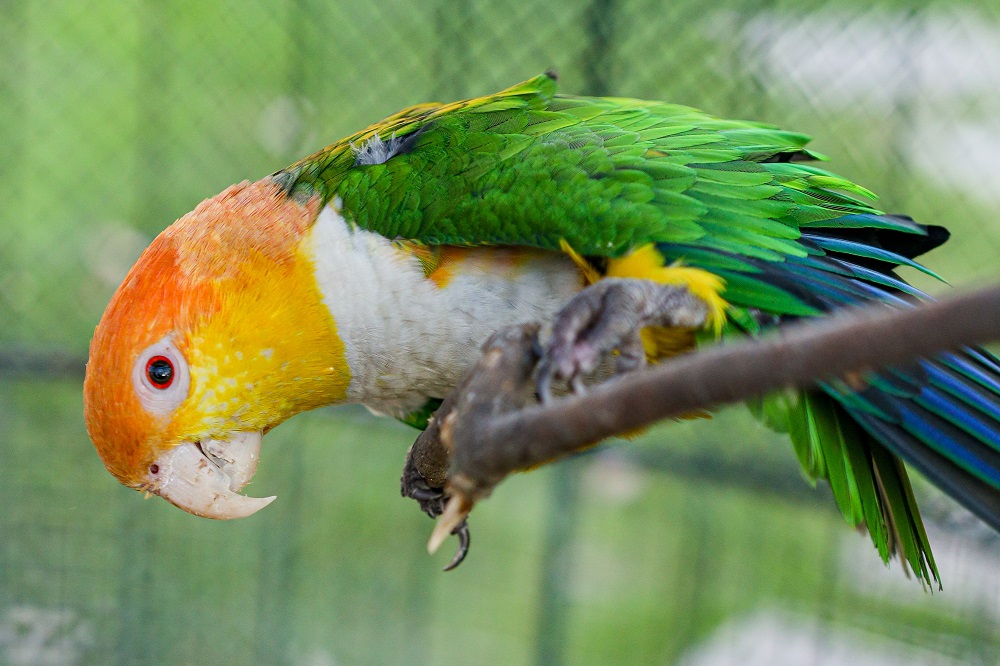
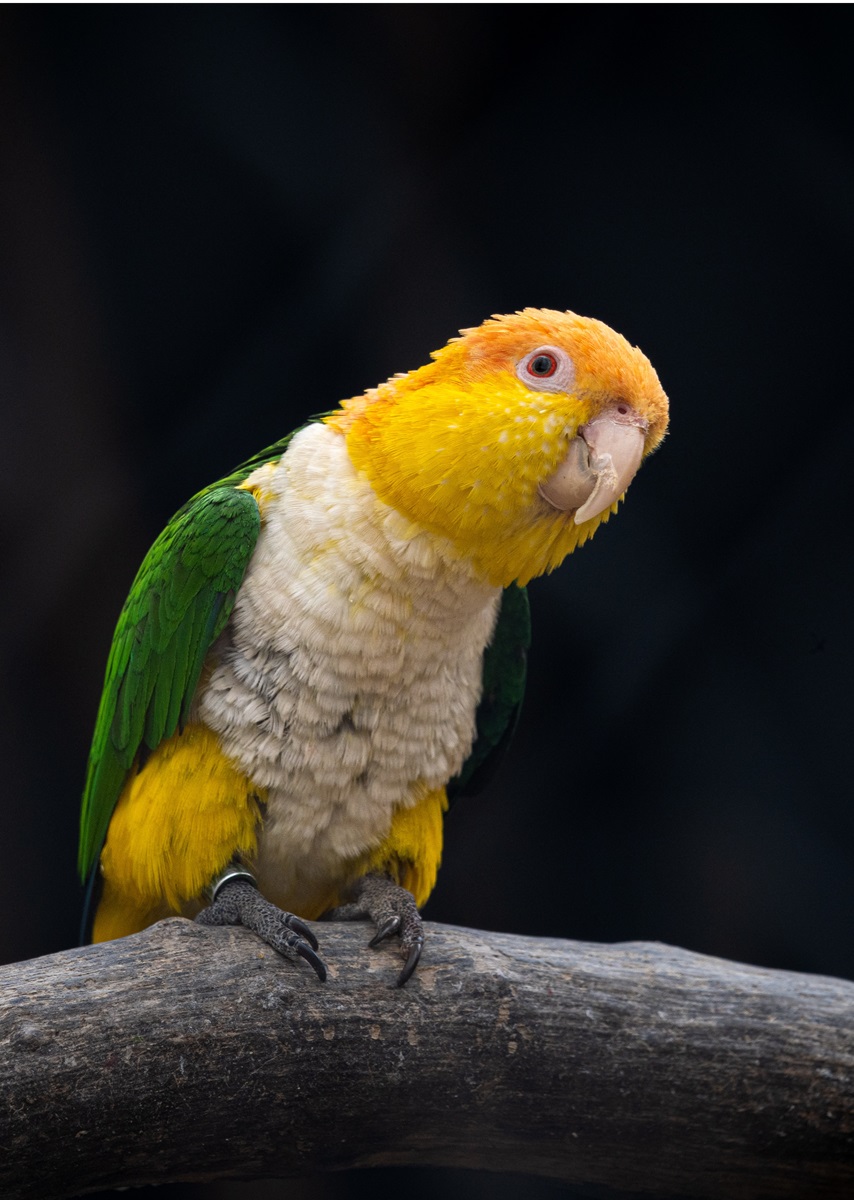
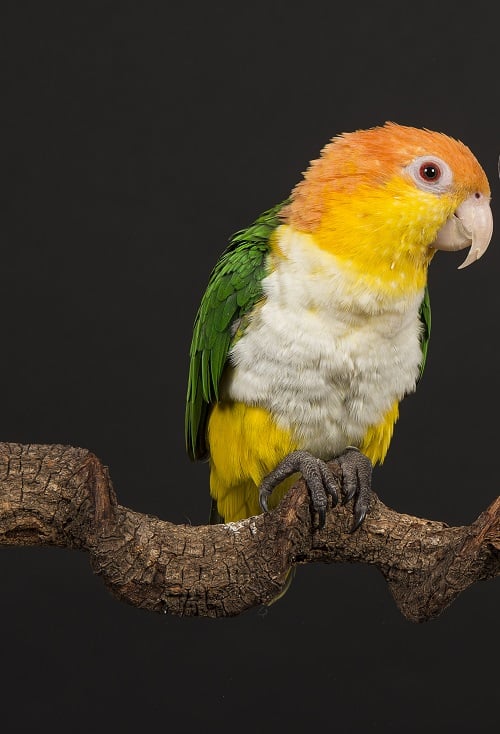
The white-bellied caique is a visually striking parrot, characterized by its stocky build and vibrant coloration. As its name suggests, the species features a prominent white to cream-colored chest and belly. Complementing this, their cheeks are yellow, their head boasts an orange hue, and their wings and back are a vivid green. The beak is typically beige. A notable physical trait across all white-bellied caiques is their unusual reddish eyes, encircled by a bare eye-ring. Sexual dimorphism is not visually evident, requiring DNA testing for accurate sex determination.
The classification of white-bellied caiques has been a subject of ongoing scientific discussion. Traditionally, the genus Pionites encompassed two primary species: the white-bellied caiques (P. leucogaster) and the black-capped caiques (P. melanocephalus). Within this traditional framework, three subspecies of white-bellied caique were recognized:
- P. l. leucogaster (Green-thighed or nominate white-bellied caique)
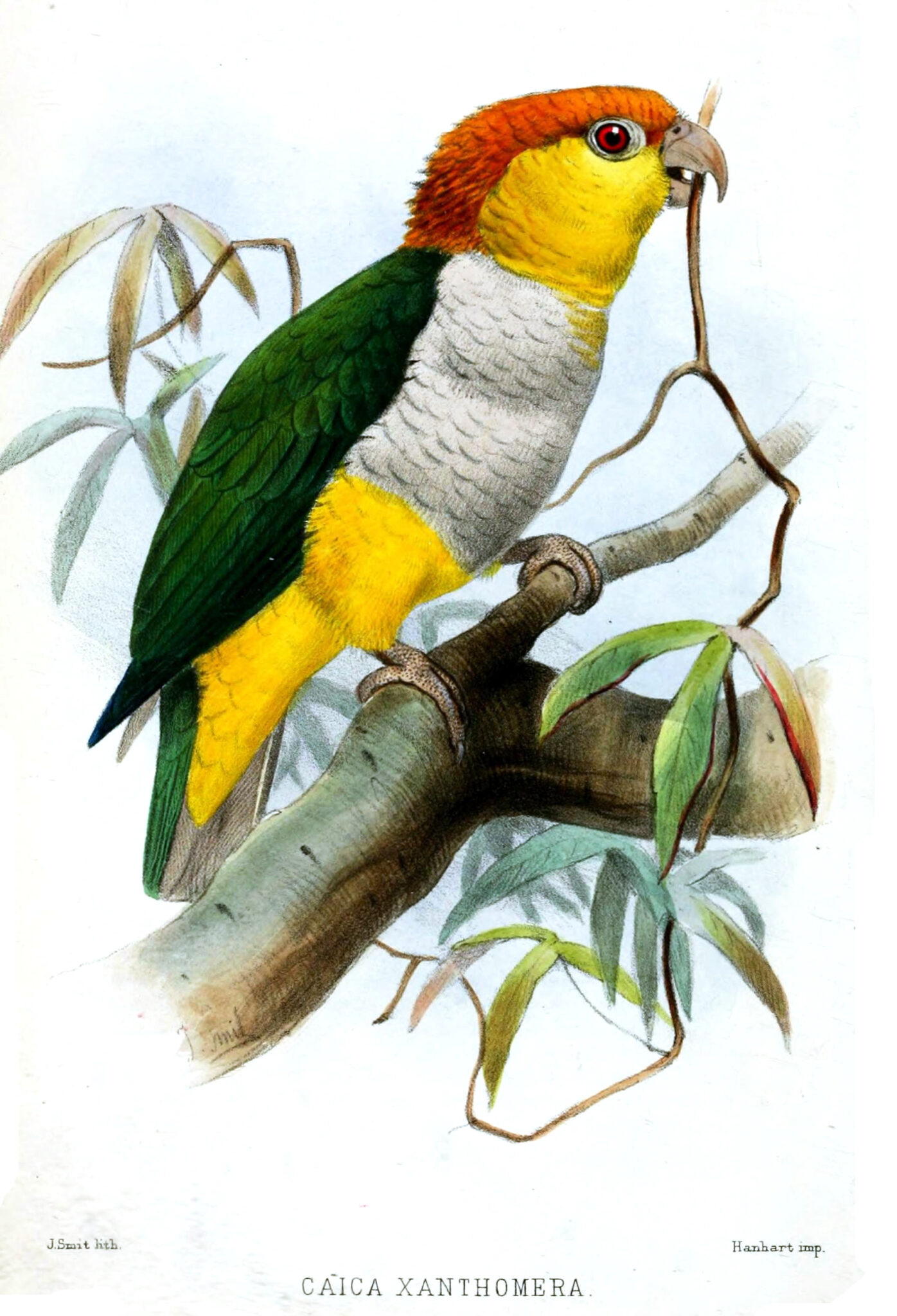
- P. l. xanthomerius (Yellow-thighed white-bellied caique)
- P. l. xanthurus (Yellow-tailed white-bellied caique)
However, contemporary ornithological sources, such as Birds of the World, increasingly advocate for the reclassification of P. l. xanthurus and P. l. xanthomerius as distinct species, based on observed color differences in their tail and leg plumage. This taxonomic split highlights the dynamic nature of scientific understanding and the challenges in definitively classifying species based solely on morphology. Genetic studies are ongoing to provide more definitive insights into these relationships, which could have implications for conservation strategies.
Natural Habitat and Urgent Conservation Concerns
The natural range of the white-bellied caique spans across the Amazon rainforest, primarily in Brazil, but also extending into parts of Bolivia, Peru, and Ecuador. These parrots are arboreal, inhabiting the lush canopies of tropical forests, where they find shelter and nesting sites within hollow trees. Observations in the wild indicate that these highly social birds typically form groups of up to 10 individuals, a behavior that underscores their need for companionship and social interaction, even in captivity.

The conservation status of the white-bellied caique is a grave concern. The International Union for Conservation of Nature (IUCN) classifies the species as Endangered, a designation primarily driven by the relentless deforestation of the Amazon rainforest. This habitat loss, fueled by agricultural expansion, logging, mining, and infrastructure development, directly threatens the survival of the species by destroying their foraging grounds and nesting sites. Beyond habitat destruction, other pressures include the illegal pet trade, which, despite regulations, continues to impact wild populations. Conservation efforts are critical and include the establishment of protected areas, sustainable land management practices, and initiatives to combat illegal wildlife trafficking. Understanding their natural environment is key to replicating appropriate conditions for their welfare in human care.
Dietary Needs: Mimicking Nature for Optimal Health
Understanding the wild diet of white-bellied caiques is paramount to formulating an appropriate captive diet. A significant 2014 study by Lee et al. observed 190 wild white-bellied caiques feeding on an astonishing 44 different plant species. Their diet exhibited seasonal variations but predominantly consisted of seeds, including fruit seeds, and a wide array of fruits, many of which were consumed unripe. Flowers and flower buds also constituted a substantial part of their intake. Another study highlighted their role as important pollinators, consuming pollen and nectar. Occasionally, they were observed eating leaves, bark, and even ants. A curious but vital behavior noted was their visitation to clay licks, where they consumed soil to obtain essential micronutrients, a common practice among many parrot species in nutrient-poor environments.
Translating this diverse wild diet into a domestic setting requires careful consideration to prevent common nutritional deficiencies. A diet consisting solely of seed mixes, often the default for inexperienced parrot owners, is inadequate. Seeds are typically high in fat and lack the broad spectrum of (micro)nutrients necessary for a caique’s long-term health, often leading to obesity and related health issues. Similarly, while caiques are fruit enthusiasts in the wild, the fruits they consume differ significantly from commercially cultivated varieties, which are often much higher in sugars. Wild fruits are frequently eaten unripe, further reducing their sugar content.
A balanced domestic diet for a white-bellied caique should prioritize the following:

- High-Quality Pellets: These should form the cornerstone of the diet, accounting for approximately 60-70% of their intake. Pellets are formulated to provide a balanced array of essential vitamins, minerals, and proteins.
- Fresh Vegetables: Offer a wide variety of chopped fresh vegetables daily, comprising about 20-30% of their diet. Examples include leafy greens (kale, spinach, romaine), broccoli, carrots, bell peppers, zucchini, and sweet potatoes.
- Limited Fruits: Fruits should be offered in moderation (5-10% of the diet) due to their sugar content. Opt for lower-sugar options like berries, apples (without seeds), melon, and papaya.
- Small Amounts of Whole Grains/Legumes: Cooked brown rice, quinoa, and lentils can be offered occasionally.
- Occasional Protein Sources: Small amounts of cooked chicken or fish (unseasoned) can be provided as a treat.
- Training Treats: Very fatty or sugary items like nuts (in moderation) and dried fruits should be reserved strictly as training rewards to maintain their special appeal and prevent overconsumption.
Fresh, clean water must always be available from multiple sources. A calcium block is also important for bone health and beak conditioning. A varied diet not only provides essential nutrients but also serves as a crucial form of enrichment, stimulating their natural foraging instincts.
The Dynamic and Demanding White-Bellied Caique Temperament
The temperament of white-bellied caiques is arguably their most defining characteristic, setting them apart as truly unique among parrot species. While all parrots possess intelligence and a playful nature, caiques elevate these traits to an extraordinary level, earning them the moniker "clowns of the parrot world." Their antics, which often include hopping, dancing, rolling on their backs, and engaging in boisterous play, are a constant source of entertainment.
Caiques are capable of forming incredibly strong bonds with their human companions. However, this deep attachment comes with significant responsibilities and challenges. As they mature, particularly during puberty, their personalities can become more complex and demanding. Like many parrots, caiques often develop a strong preference for one individual, and while deeply affectionate, they can exhibit nipping or aggressive behaviors, even towards their chosen "loved one." Prospective owners must be prepared for these phases and equipped with knowledge of positive reinforcement training and consistent boundary setting to manage such behaviors effectively.
The need for social interaction is paramount for a caique. A well-socialized caique thrives on spending ample time with its human flock. Owners must commit to providing several hours of direct interaction daily. Neglecting their social needs can lead to behavioral issues such as feather plucking, incessant screaming, and aggression. For individuals unable to provide this level of constant companionship, acquiring a pair of caiques may be a more suitable option, allowing them to fulfill their social needs with each other.
It is crucial to understand that caiques are inherently territorial. They should not be housed with other bird species, as there is a significant risk of aggression, particularly over cage space or food resources. Their intense energy levels and propensity for destructive play demand an owner with immense patience. They delight in throwing objects, chewing relentlessly, and can be prone to crankiness and nipping. Proper, consistent training is vital to shape desired behaviors and mitigate unwanted ones. Even with diligent training, caiques, like most parrots, are adept at creating a certain degree of "mayhem," whether by chewing household items or scattering toys. Owning a caique means embracing an energetic, sometimes challenging, but ultimately rewarding companion whose vivacious spirit fills the home with life.
Optimal Housing and Environmental Enrichment
Given their boundless energy, white-bellied caiques require substantial living space. Even with significant out-of-cage time, a spacious enclosure is critical for their well-being. A sturdy cage, preferably made of powder-coated steel rather than galvanized metal (which can contain zinc), is essential, ideally with dimensions of at least 24x24x36 inches, though larger is always better. The bar spacing should be appropriate for their size to prevent escape or injury, typically around 3/4 inch to 1 inch. Caiques are highly intelligent and often adept at figuring out locking mechanisms, so secure latches are a must. Their inclination to chew everything necessitates durable cage construction.
Beyond the cage itself, a caique’s environment must be rich in stimulation. The cage should be equipped with:
- Multiple Natural Perches: Varying in diameter and texture, made from safe woods (e.g., java, manzanita, fruitwoods) to promote foot health and prevent pressure sores. Avoid dowel perches as the sole option.
- Food and Water Bowls: Stainless steel bowls are recommended for hygiene and durability.
- Bird Bath: A daily bird bath or shower is crucial for feather health and hygiene.
- Abundant Toys: A wide array of toys is non-negotiable. This includes chew toys (made from wood, cardboard, or safe fabrics), foraging toys (to engage their problem-solving skills), shreddable toys, and puzzle toys. Toys should be rotated frequently to maintain interest and prevent boredom.
Because caiques need multiple hours of supervised out-of-cage time daily, setting up a designated "playground" or activity center outside the main cage is highly beneficial. This playstand, often made from natural wood, should be equipped with its own set of perches, toys, and foraging opportunities to encourage active play and exploration in a safe environment.

Crucially, any room a caique has access to must be thoroughly parrot-proofed. Their innate curiosity and destructive tendencies can lead to dangerous situations. This includes securing electrical cords, removing toxic plants (e.g., avocado, lilies, certain houseplants), ensuring windows and doors are closed, and eliminating access to household chemicals, cleaning products, and scented items (candles, air fresheners) that can emit fumes harmful to their sensitive respiratory systems. Vigilance is key to ensuring their safety in the home.
Enrichment: Fueling the Caique Mind and Body
All parrots, and caiques especially, require extensive enrichment to prevent boredom, loneliness, and the onset of behavioral issues such as feather plucking, incessant screaming, or aggression. In their natural habitat, they spend their days foraging, socializing within their flock, and engaging their keen intelligence. Replicating this stimulation in captivity is paramount.
Effective daily enrichment strategies for a white-bellied caique include:
- Foraging Opportunities: Integrate foraging into their daily routine by hiding food in puzzle toys, foraging boxes, or scattered within their cage or playstand. This mimics their natural behavior and provides mental stimulation.
- Interactive Play Sessions: Dedicate specific time each day for direct interaction and play with your caique. This can involve wrestling with toys, playing "peek-a-boo," or simply allowing them to climb and explore on you.
- Training: Engage in regular positive reinforcement training sessions. Caiques are highly intelligent and enjoy learning tricks, target training, or even simple obedience commands. This strengthens the bond and provides mental challenge.
- Environmental Variety: Regularly rotate toys, rearrange perches, and introduce new safe objects into their environment. Supervised exploration of different rooms or outdoor aviaries (weather permitting and with proper safety precautions) can also provide novel experiences.
- Sensory Stimulation: Provide music, natural sounds, or even bird-friendly television programs to offer auditory and visual stimulation, especially when you are not directly interacting with them.
Vocalization and Communication
When considering a parrot, prospective owners often inquire about noise levels. While no parrot is truly "quiet," white-bellied caiques are generally not considered the loudest species, making them a relatively better choice for apartment living compared to larger, more vociferous parrots. For most of the day, their vocalizations consist of whistling, beeping, and soft squawking, which are typically at an acceptable noise level.
However, it is crucial to understand that caiques are capable of emitting very shrill screams. These intense vocalizations are a natural part of their communication repertoire, used in the wild to locate flock members across dense forest canopies, as well as for alarm calls or to express excitement. In a domestic setting, these screams can also be attention-seeking behaviors or responses to perceived threats or boredom. While their baseline noise level is manageable, owners must be prepared for occasional bursts of loud vocalizations. Adding any parrot to a family means acknowledging that periods of silence without earplugs may become a rarity.
Regarding their talking ability, caiques are not renowned as champion talkers. While some individuals may pick up a few words or phrases, they generally cannot compete with species like African Greys or Amazons in terms of extensive vocabulary. However, their vocal talents lie elsewhere. Caiques are excellent candidates for vocalization training involving whistles and tunes. Short, distinct tunes, such as a wolf whistle, can be taught through consistent repetition and positive reinforcement. Rewarding attempts to mimic the chosen sound with a treat encourages their learning and provides a fun, interactive way to bond and expand their "vocabulary."
Medical Emergencies and Proactive Health Management
Owning any pet, especially a curious and active one like a parrot, requires preparedness for potential medical emergencies. Before bringing a white-bellied caique into the home, prospective owners must identify a qualified avian veterinarian in their area and have their contact information readily accessible. Recognizing common symptoms of illness is also vital for early intervention.
Caiques are susceptible to several avian health issues. One significant concern is polyomavirus, which can cause severe organ damage and is particularly dangerous, often fatal, in young birds (under 4 weeks old). Vaccination against polyomavirus is highly recommended and should be discussed with an avian vet. Other common health issues that can affect caiques include:
- Psittacine Beak and Feather Disease (PBFD): A viral disease affecting feathers, beak, and claws.
- Psittacosis (Chlamydiosis): A bacterial infection that can be transmitted to humans.
- Aspergillosis: A fungal infection of the respiratory system, often linked to poor cage hygiene or damp conditions.
- Malnutrition: Often stemming from an improper seed-only diet, leading to liver disease, vitamin deficiencies, and other systemic issues.
Regular annual veterinary check-ups are essential for preventative care, early detection of illness, and general health monitoring. Owners should be vigilant for signs of illness, which can be subtle in parrots as they instinctively hide weakness to avoid predators. These signs include changes in droppings (color, consistency, volume), lethargy, ruffled or fluffed feathers, changes in appetite or water consumption, discharge from nostrils or eyes, difficulty breathing, or changes in vocalizations or behavior. Prompt veterinary attention is crucial for any suspected health issue.
Frequently Asked Questions and the Long-Term Commitment
- How long do caiques live? Caiques are long-lived companions, with a lifespan often exceeding 40 years in captivity. This requires a significant, multi-decadal commitment from their owners.
- Are caiques good for beginners? Due to their complex personalities, high energy levels, demanding social needs, and potential for challenging behaviors, white-bellied caiques are generally not recommended for beginning parrot keepers. They are best suited for experienced bird owners who understand parrot behavior and are prepared for a high-maintenance pet.
- Are caiques aggressive? Caiques can exhibit aggressive tendencies. While capable of deep affection, they require consistent socialization and training to manage their behavior. During hormonal periods, such as the mating season, some owners describe their behavior as intensely unpredictable or "demon-possessed." Even outside these periods, they can be prone to nipping or territorial displays if not properly managed.
In conclusion, the white-bellied caique is a charismatic and highly intelligent parrot that brings immense joy and entertainment to the right owner. Their "clownish" antics and strong bonding capabilities are incredibly rewarding. However, their unique demands – including a long lifespan, significant social needs, a predisposition to energetic and sometimes challenging behaviors, and specific environmental and dietary requirements – necessitate a fully informed and dedicated owner. Those prepared for the commitment and complexity will find a vibrant, engaging, and unforgettable companion in the white-bellied caique.

