


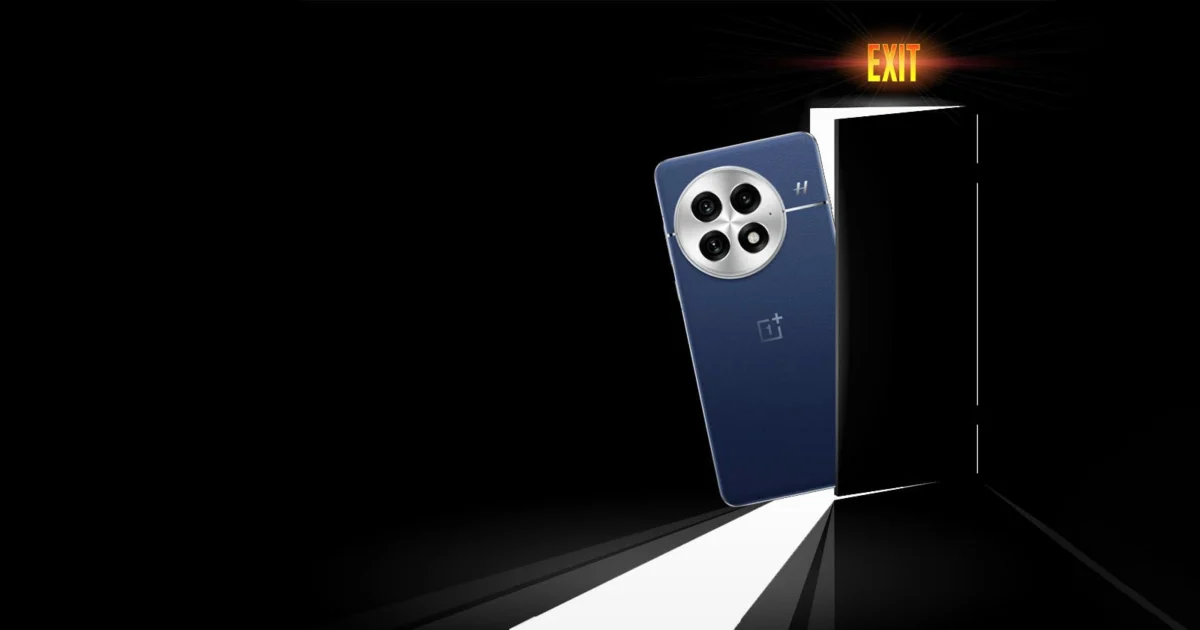
The global smartphone landscape has undergone a seismic shift as OnePlus, the brand that rose to prominence as the "flagship killer," officially announced its withdrawal from the North American and European markets. This strategic retreat marks the end of a decade-long effort to challenge the established duopoly of Apple and Samsung in the West. While the brand will continue to operate in China, India, and select Asian markets, its departure from the United States, Canada, and the majority of Europe represents a significant consolidation of the industry and a loss for consumer choice in the high-end mobile segment.
The decision comes following years of internal restructuring, most notably the 2021 formal merger with its sister brand, Oppo, under the BBK Electronics umbrella. Since that merger, industry analysts have noted an increasing overlap between the two brands’ product portfolios, leading to internal competition and redundant marketing expenditures. By pulling OnePlus out of these highly competitive Western markets, Oppo appears to be streamlining its global operations, focusing its premium efforts under the primary Oppo brand in regions where it already maintains a foothold, while essentially ceding the North American premium market to the entrenched leaders.
A Chronology of Disruption: From Invitation to Exit
To understand the impact of this exit, one must examine the meteoric rise of OnePlus. Founded in December 2013 by Pete Lau and Carl Pei, the company launched with a singular mission: to provide high-end specifications at a fraction of the cost of traditional flagships.
2014 – The OnePlus One Era: The company introduced the OnePlus One, a device that featured the top-tier Qualcomm Snapdragon 801 processor at a starting price of $299—nearly half the price of the contemporary Samsung Galaxy S5 or iPhone 6. To manage supply and build hype, the company utilized an "invite-only" system, creating an aura of exclusivity that resonated with tech enthusiasts and early adopters.
2019 – The Shift to Premium: With the launch of the OnePlus 7 Pro, the company signaled its intent to move beyond the "budget flagship" niche. This device introduced the world’s first 90Hz QHD+ AMOLED display and a motorized pop-up camera, eliminating the need for a screen notch. It was at this juncture that OnePlus began competing directly on features, not just price, challenging the engineering prowess of the industry’s giants.
2021 – The Hasselblad Partnership and Oppo Merger: In a bid to rectify its historically mediocre camera performance, OnePlus entered a three-year, $150 million partnership with legendary Swedish camera manufacturer Hasselblad. Simultaneously, the formal integration with Oppo began, leading to the sharing of R&D resources and the eventual unification of their software codebases.
2025-2026 – The Final Chapter: The launch of the OnePlus 13 in early 2025 was seen as a high-water mark for the brand, introducing MagSafe-style magnetic charging to the Android ecosystem and receiving critical acclaim for its refined camera system. However, the subsequent release of the OnePlus 15 just ten months later—notably lacking the Hasselblad branding and showing signs of hardware stagnation—fueled rumors of a strategic pivot. These rumors culminated in the official announcement of the brand’s withdrawal from Western markets in July 2026.
The Structural Barriers: Why the "Flagship Killer" Faltered
Despite its technical achievements, OnePlus faced insurmountable structural challenges in the North American and European markets. The most significant of these was the lack of sustained carrier support. In the United States and Canada, the vast majority of smartphone purchases are conducted through service providers like Verizon, AT&T, and T-Mobile, often facilitated by monthly installment plans and trade-in subsidies.
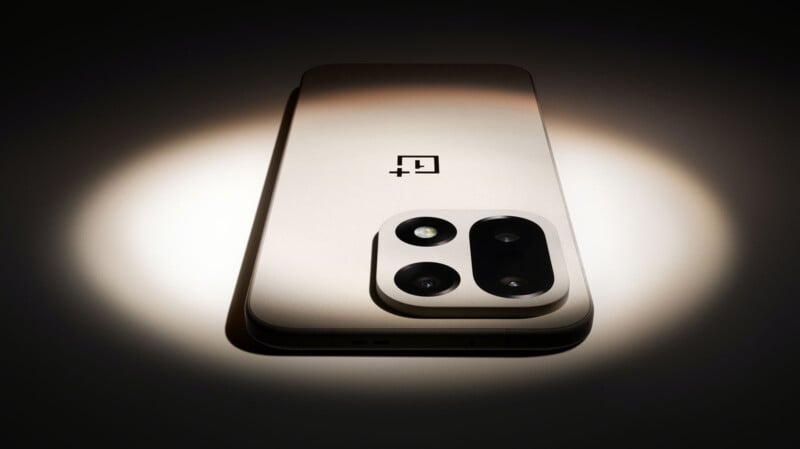
OnePlus struggled to secure and maintain these vital partnerships. While T-Mobile carried several generations of OnePlus devices, other major carriers remained hesitant. Without the "shelf space" in thousands of retail stores across the continent, OnePlus was forced to rely on direct-to-consumer sales and third-party retailers like Amazon and Best Buy. For many consumers, the requirement to pay the full retail price upfront for a flagship device—which had risen from $300 in 2014 to over $900 by 2025—proved to be a significant deterrent compared to the $0-down offers available for iPhones and Galaxy devices.
Furthermore, the "Big Three" of the mobile world—Apple, Samsung, and increasingly Google—benefit from massive marketing budgets and deep-rooted ecosystem locks. OnePlus, as a brand primarily targeting "enthusiasts," found it difficult to break into the mainstream consciousness. In Europe, while the market is more open to unlocked devices, the resurgence of brands like Xiaomi and the expansion of Oppo’s own Find series created a crowded marketplace where OnePlus struggled to differentiate itself after its software began to lose its unique identity.
Technological Legacy: Innovations Left Behind
OnePlus leaves behind a legacy of innovation that forced the rest of the industry to accelerate its development cycles. Before OnePlus made 90Hz and 120Hz refresh rates standard, most flagship phones were limited to 60Hz. The brand’s "Never Settle" mantra pushed competitors to reconsider their approach to battery technology and charging speeds.
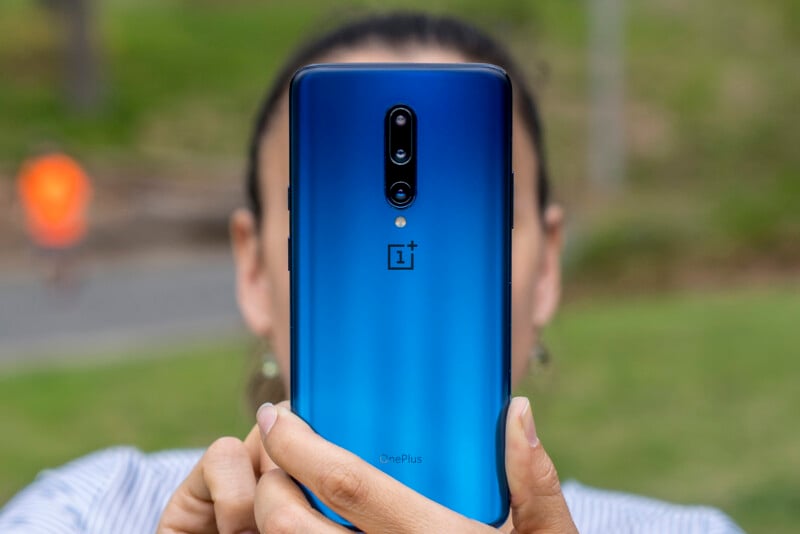
The introduction of Warp Charge (and later SuperVOOC) allowed OnePlus users to achieve a full day’s power in less than 30 minutes, a feat that Apple and Samsung have yet to fully match in their base models. The physical "Alert Slider," a hardware switch to toggle between silent, vibrate, and ring modes, became a cult-favorite feature that highlighted the brand’s attention to tactile user experience.
Perhaps the most significant contribution was OxygenOS. In its prime, OxygenOS was widely regarded as the gold standard for Android skins, offering a "cleaner than Google" experience with meaningful customizations without the bloatware typical of other manufacturers. The transition of OxygenOS to a shared codebase with Oppo’s ColorOS was a turning point for many loyalists, signaling a shift from an enthusiast-focused product to a mass-market commodity.
Official Response and Transition Plans for Existing Users
In a statement released via its official support channels, OnePlus assured existing customers in North America and Europe that they would not be abandoned. "Our commitment to our community remains our top priority," the company stated. "Existing OnePlus devices will continue to receive software updates, security patches, and technical support according to the timelines promised at the time of purchase."

Key points of the transition plan include:
- Warranty Fulfillment: All existing warranties remain valid. Repairs will be handled through authorized service centers, though the company has not yet specified if Oppo’s infrastructure will take over these responsibilities in regions where OnePlus is exiting.
- Software Lifecycle: Flagship devices like the OnePlus 12 and 13, which were promised four years of Android updates and five years of security patches, will see those commitments honored.
- Retail Availability: Current inventory at retailers like Amazon and Best Buy will be sold until stock is depleted, but no new shipments of future flagship models (such as the rumored OnePlus 16) will be dispatched to these regions.
- Software Options: In some European regions, users may be given the option to transition their devices to Oppo’s ColorOS to ensure better localized support, though OxygenOS will remain the default for the duration of the device’s life.
Market Analysis: The Impact of Diminishing Competition
The exit of OnePlus is viewed by market analysts as a symptom of a "stagnant" smartphone market. According to data from International Data Corporation (IDC), the premium smartphone segment in North America is now more consolidated than at any point in the last decade. With the disappearance of LG in 2021 and the reduction of Sony and HTC to niche players, the market has become an effective oligopoly.
"The departure of OnePlus is a blow to innovation and price competition," said Marcus Thorne, a senior technology analyst. "OnePlus acted as a ‘check’ on the pricing strategies of Apple and Samsung. When a challenger brand that offers comparable specs for $200 less leaves the market, the incentive for the leaders to innovate or lower prices diminishes."
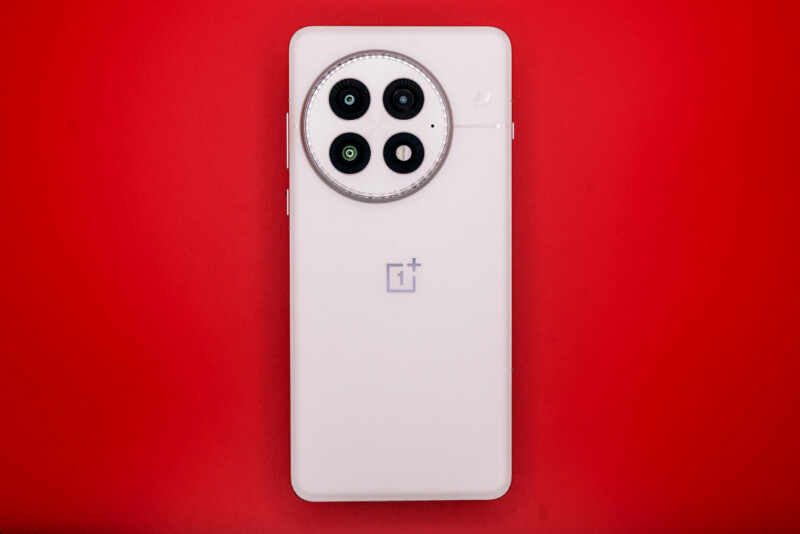
The loss of OnePlus also highlights the difficulty for Chinese manufacturers to navigate the geopolitical and economic complexities of the Western market. While OnePlus initially avoided the scrutiny faced by Huawei, the general climate of skepticism regarding Chinese tech firms, combined with the high cost of market entry in the US, has made the venture increasingly less viable for BBK Electronics.
The Future of OnePlus: A Regional Powerhouse
While the brand is "dead" in the West, OnePlus remains a formidable force in other parts of the world. In India, OnePlus continues to lead the premium segment, consistently outperforming Samsung in the $500–$800 price bracket. The recent launch of the OnePlus N6, a mid-range device tailored for the Indian market, suggests that the brand will pivot toward becoming a regional powerhouse with a focus on value-driven performance.
In China, OnePlus will continue to serve as a sub-brand for Oppo, focusing on performance-heavy devices aimed at the gaming community and younger demographics. This regional focus allows the company to leverage Oppo’s massive supply chain and retail presence without the astronomical costs of competing in the US carrier-dominated landscape.

For the North American and European enthusiasts who once championed the brand, the exit is a reminder of the volatility of the tech industry. The "Flagship Killer" may have finally settled, but its decade of disruption has left an indelible mark on the smartphones that remain in our pockets. As the market closes its doors to one of its most vocal disruptors, the question remains: who, if anyone, will be the next to challenge the status quo?

