


Many bird owners express concern when their avian companions appear to be in a perpetual state of molt, frequently looking scruffy, exhibiting numerous pin feathers, or leaving a constant trail of shed feathers. While birds do not literally become "stuck" in a physiological molt, this persistent condition signals underlying issues that disrupt the normal feather replacement cycle, preventing the bird from achieving a full, healthy plumage. Poor feather quality, nutritional deficiencies, chronic feather damage, and various underlying health problems are primary contributors to this continuous feather turnover. Recognizing these root causes is paramount for owners seeking to restore their bird’s optimal feather health and overall well-being.
The phenomenon often described as a bird "stuck in a molt" is a common observation among companion bird owners. Instead of experiencing distinct, cyclical periods of feather replacement, these birds exhibit a continuous state of shedding and regrowth, often accompanied by a perpetually disheveled appearance. This ongoing cycle not only affects the bird’s aesthetic appeal but can also indicate significant compromises in its health. Understanding the complex biology of avian integument and the factors that can disrupt its natural rhythm is the first step toward effective intervention.
The Biology of Feathers: A Foundation for Understanding Molt
Feathers are intricate, highly specialized integumentary structures unique to birds, essential for flight, thermoregulation, protection from elements, camouflage, and social signaling. Composed primarily of keratin, a fibrous structural protein, feathers are non-living once fully formed and cannot heal from damage. Consequently, periodic replacement, known as molting, is a vital physiological process.
A normal molt is a genetically programmed, hormonally regulated event, typically occurring once or twice a year, often influenced by seasonal changes, photoperiod (day length), and breeding cycles. The process is orchestrated by a complex interplay of hormones, including thyroid hormones and sex hormones, which trigger the shedding of old, worn feathers and the growth of new ones. This cycle is usually symmetrical and gradual, ensuring the bird retains sufficient flight and insulation capabilities throughout. New feathers emerge from follicles as "pin feathers"—encased in a waxy keratin sheath that protects the developing structure. As the feather matures, the sheath disintegrates, allowing the feather to unfurl. A healthy molt concludes with the bird sporting a complete, functional, and aesthetically pleasing new coat of feathers.
Distinguishing Normal Molt from Chronic Feather Replacement
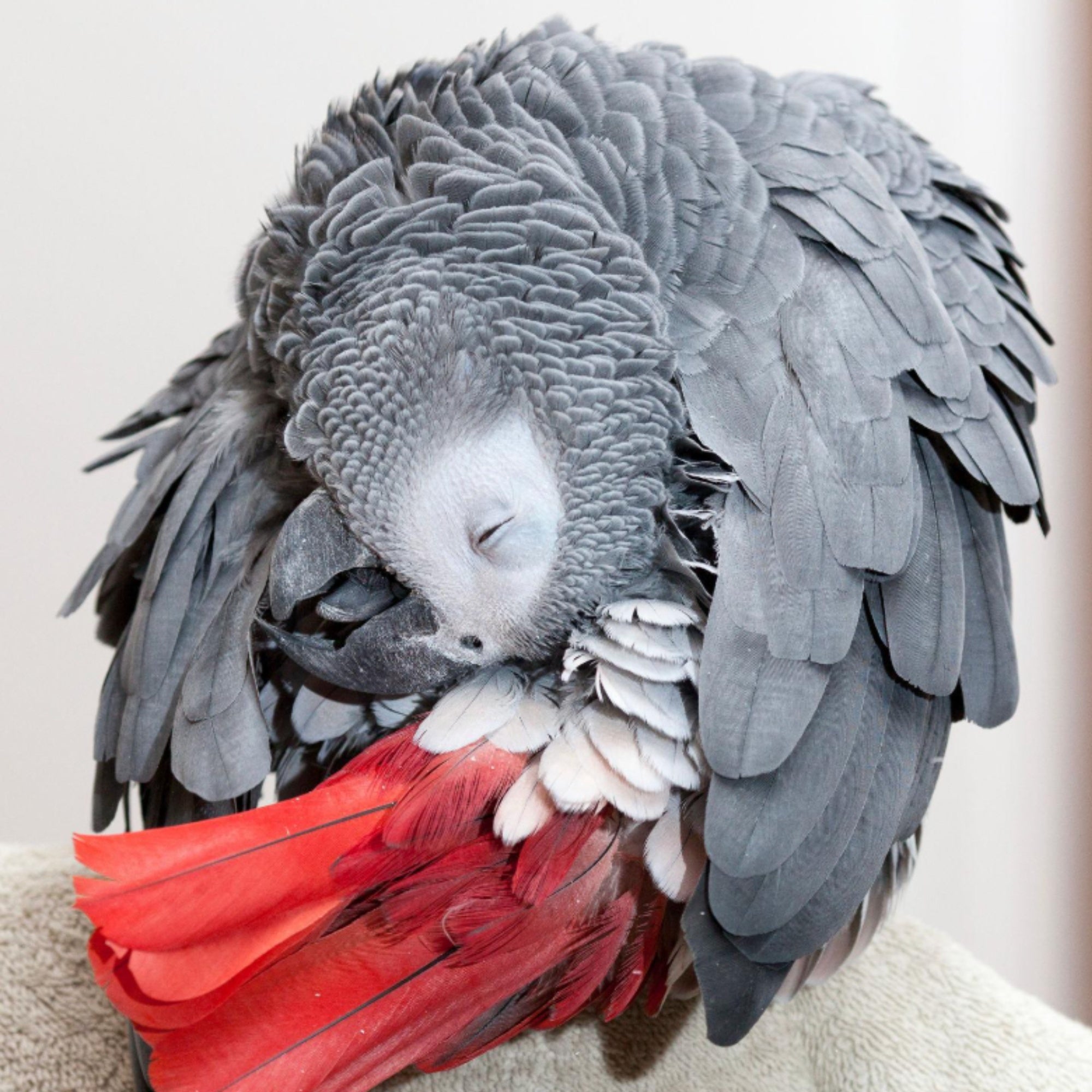
For many owners, a healthy molt is an almost imperceptible event, marked only by the discovery of a few extra feathers on the cage floor. Healthy birds replace feathers gradually, allowing new ones to mature before others are shed, thus maintaining a relatively smooth and finished plumage. The duration and intensity of a normal molt vary significantly by species, age, and individual bird. For instance, smaller passerine birds might complete a molt in a few weeks, while larger parrots could take several months, often exhibiting a staggered replacement of primary flight feathers.
In contrast, chronic feather replacement presents a persistent pattern that deviates sharply from this healthy cycle. Owners commonly report observations such as:
- The bird constantly appearing scruffy or unkempt for weeks or months.
- A continuous presence of pin feathers across the body, indicating ongoing growth.
- Frequent scratching or over-preening behavior, often related to uncomfortable, erupting pin feathers or irritated skin.
- Never achieving a smooth, fully developed plumage, with areas consistently appearing thin or patchy.
- An unusually high number of feathers found daily, disproportionate to a normal shedding period.
These observations collectively suggest that the bird’s feather replacement cycle is not completing as it should. Instead of producing a full set of healthy feathers and then entering a quiescent period, the bird remains in a continuous state of growth, often replacing damaged or poorly formed feathers repeatedly. This perpetual cycle can be taxing on a bird’s metabolic resources and indicative of underlying systemic issues.
Key Contributors to Persistent Feather Problems
When a bird consistently appears scruffy despite previous efforts to improve its diet or care, it is crucial to understand that feathers do not heal. Once a feather is damaged or grows in poorly, it must be replaced. The quality of a feather is determined during its development beneath the skin, a process that relies heavily on optimal internal and external conditions. The care provided today directly influences the quality of the "next generation of feathers." If these conditions are not met, the new feather may never reach its full potential, perpetuating the cycle of poor feather quality and continuous replacement.
1. Nutritional Deficiencies: The Building Blocks of Healthy Feathers
Optimal feather growth is highly metabolically demanding, requiring a precise array of nutrients. A common and significant cause of chronic feather problems is an inadequate diet. Birds require more than just calories; they need sufficient protein, specific amino acids (such as methionine and cysteine, critical for keratin synthesis), a wide spectrum of vitamins (especially Vitamin A, D, E, and B-complex vitamins), and essential minerals (including zinc, copper, selenium, and calcium).

- Seed-Exclusive Diets: A diet consisting predominantly of seeds is a classic example of nutritional inadequacy. Seeds are often high in fat but critically deficient in essential vitamins (like Vitamin A), minerals, and certain amino acids. Birds on such diets frequently exhibit dull, brittle, discolored, or slow-growing feathers, making them susceptible to chronic damage and incomplete molts.
- Vitamin A Deficiency: Hypovitaminosis A is particularly detrimental to feather and skin health. Vitamin A is crucial for the health of epithelial tissues, including the feather follicles and skin. Deficiency can lead to abnormal keratinization, affecting feather structure and skin integrity, making feathers more fragile and prone to breakage.
- Protein and Amino Acid Imbalances: Insufficient or imbalanced protein intake directly impairs keratin production, resulting in weak, poorly formed feathers that break easily or fail to unfurl correctly.
2. Environmental and Lifestyle Stressors
Beyond diet, a bird’s daily environment and routine play a critical role in supporting healthy feather growth and overall well-being. Chronic stress, whether physical or psychological, can profoundly impact the physiological processes governing molting and feather quality.
- Sleep Deprivation: Birds require significant periods of uninterrupted sleep, typically 10-12 hours in a dark, quiet environment. Chronic sleep deprivation can suppress the immune system, increase stress hormones, and disrupt normal physiological cycles, including molting.
- Lack of Bathing and Humidity: Regular bathing is vital for feather and skin hygiene, helping to remove dust, dander, and loose feather sheaths, thus promoting healthy feather development and reducing itchiness. Adequate environmental humidity is also important, especially for species originating from tropical climates, as dry air can lead to brittle feathers and dry, itchy skin.
- Boredom and Lack of Enrichment: A mentally unstimulated bird may develop undesirable behaviors such as over-preening or feather destructive behavior (plucking). While distinct from a true "molt," these behaviors can lead to chronic feather damage and a perpetually scruffy appearance. Opportunities for foraging, chewing, climbing, and social interaction are essential for mental and physical health.
- Inconsistent Light Cycles: Exposure to appropriate photoperiods (natural day/night cycles) is critical for regulating hormonal processes, including those that govern molting. Erratic lighting can confuse a bird’s internal clock, potentially disrupting the normal molt cycle.
3. Underlying Health Conditions: A Vet’s Perspective
Even with an optimized diet and environment, persistent feather problems can signal more profound underlying health issues. Feather quality is often a barometer of a bird’s systemic health. Avian veterinarians consistently emphasize that a thorough medical workup is essential when chronic feather issues persist.
- Skin Diseases and Parasites: Bacterial, fungal, or parasitic infections (like mites or giardia) affecting the skin and feather follicles can cause irritation, inflammation, and damage, leading to poor feather growth or excessive preening.
- Liver Disease: The liver plays a crucial role in metabolism, including the processing of nutrients essential for feather growth and the detoxification of waste products. Liver dysfunction can manifest as poor feather quality, abnormal feather coloration, or excessive shedding.
- Hormonal Disorders: Imbalances in thyroid hormones or sex hormones can directly interfere with the molting process, leading to delayed, prolonged, or abnormal feather replacement.
- Viral Infections: Certain avian viruses, such as Psittacine Beak and Feather Disease (PBFD) or Polyomavirus, specifically target feather follicles and developing feathers, causing irreversible damage and abnormal feather growth.
- Kidney Disease: Impaired kidney function can lead to electrolyte imbalances and toxin buildup, indirectly affecting overall health and feather quality.
- Chronic Stress and Immune Suppression: Any chronic illness or stressor can weaken the immune system, making the bird more susceptible to secondary infections that impact feather health.
When feather problems are accompanied by other clinical signs such as changes in appetite, energy levels, weight fluctuations, or behavioral alterations, a prompt examination by an avian veterinarian is strongly warranted. Diagnostic tools, including blood tests, feather and skin biopsies, fecal examinations, and imaging, can help identify the specific underlying pathology.
Diagnostic Approaches: Uncovering the Root Cause
An avian veterinarian will typically begin with a comprehensive physical examination and a detailed history of the bird’s diet, environment, and behavioral patterns. This initial assessment helps to differentiate between husbandry-related issues and potential medical conditions.

- Blood Work: Complete blood count (CBC) and biochemistry profiles can reveal nutritional deficiencies (e.g., low Vitamin A, protein), liver or kidney dysfunction, and systemic inflammation or infection.
- Feather and Skin Biopsies: Microscopic examination of plucked feathers and skin samples can identify specific pathogens (bacteria, fungi, parasites), abnormal follicle morphology, or viral inclusions (e.g., PBFD).
- Fecal Analysis: Can detect intestinal parasites or malabsorption issues that contribute to nutritional deficiencies.
- Radiography or Ultrasonography: May be used to assess internal organ health, particularly the liver and kidneys, if disease is suspected.
- Hormone Panels: In cases where hormonal imbalances are suspected, specific hormone assays can be performed.
Strategic Interventions for Feather Recovery
The encouraging news for bird owners is that birds continuously replace their feathers throughout their lives. By identifying and diligently correcting the underlying problems, many birds can gradually grow healthier feathers over several months. It is crucial to manage expectations; dramatic changes will not occur overnight. The feathers visible today were formed weeks or even months ago. Therefore, current interventions are designed to support the growth of the next generation of feathers.
1. Dietary Adjustments: Beyond Seeds
Transitioning to a high-quality, balanced diet is often the single most impactful change.
- Pelleted Diet Foundation: Avian veterinarians strongly advocate for a high-quality pelleted diet as the cornerstone, comprising 60-80% of the bird’s intake. Pellets are formulated to provide complete and balanced nutrition.
- Fresh Fruits and Vegetables: Supplement the pelleted diet with a diverse array of fresh, dark leafy greens (kale, spinach), colorful vegetables (carrots, sweet potatoes, bell peppers), and moderate amounts of fruits. These provide essential vitamins, minerals, and antioxidants.
- Healthy Protein Sources: Offer lean protein sources like cooked legumes, sprouts, or small amounts of cooked chicken or fish, especially during periods of active feather growth.
- Targeted Supplements (under veterinary guidance): If specific deficiencies are identified, a veterinarian may recommend supplements rich in Vitamin A, B-complex vitamins, or amino acids like methionine and lysine. Red palm oil, for instance, is a source of beta-carotene (a precursor to Vitamin A) and Vitamin E.
2. Optimizing the Avian Environment
Creating an enriching and stable environment is fundamental for physiological health.
- Consistent Sleep Schedule: Ensure 10-12 hours of uninterrupted sleep in a dark, quiet room.
- Regular Bathing Opportunities: Offer daily opportunities for bathing through misters, shallow water dishes, or showers. This promotes healthy skin and feather condition.
- Appropriate Humidity: Maintain indoor humidity levels suitable for the bird’s species, often achievable with humidifiers, especially in dry climates.
- Full Spectrum Lighting: Provide access to full-spectrum UV lighting for a portion of the day, mimicking natural sunlight, which is crucial for Vitamin D synthesis and overall well-being.
- Enrichment and Mental Stimulation: Offer a variety of safe toys, foraging opportunities, and opportunities for chewing and climbing to prevent boredom and stress-induced behaviors.
3. Behavioral Enrichment and Stress Reduction

A bird’s psychological state directly influences its physical health.
- Foraging and Play: Encourage natural behaviors like foraging for food and interactive play to reduce stress and prevent feather-damaging behaviors.
- Social Interaction: Provide appropriate social interaction, whether with human companions or compatible avian partners, to meet their complex social needs.
- Avoid Over-Stimulation: While enrichment is vital, ensure the environment is not constantly over-stimulating or chaotic, which can be a source of chronic stress.
4. The Role of Veterinary Care
Regular check-ups with an avian veterinarian are crucial for proactive health management.
- Early Intervention: Prompt veterinary attention for any signs of illness or persistent feather issues can prevent problems from escalating.
- Personalized Treatment Plans: A vet can create a tailored plan addressing specific nutritional needs, environmental adjustments, or medical treatments.
- Medication or Supportive Care: For underlying medical conditions, specific medications, anti-inflammatory drugs, or supportive therapies may be prescribed.
Patience and Persistence: A Gradual Path to Healthy Plumage
One of the most significant challenges for owners is managing expectations regarding recovery timelines. Feather recovery is a gradual process. For many companion parrots, noticeable improvements typically become apparent over one complete feather-growth cycle, often around three months. Larger parrots or birds with extensive feather damage may require a longer period, as every damaged feather must be naturally replaced.
Owners should not wait for their bird to suddenly look "perfect" but instead watch for incremental improvements:
- Reduced Scratching and Preening: A decrease in constant scratching or excessive preening indicates improved skin comfort and feather quality.
- Healthier Pin Feathers: New pin feathers should appear robust, clean, and unfurl smoothly, rather than being stunted or malformed.
- Smoother, More Vibrant Plumage: Gradually, areas that were previously scruffy or thin should fill in with healthy, well-formed feathers.
- Increased Activity and Engagement: A bird that is feeling better overall will often show increased energy, a greater interest in playing, foraging, and social interaction.
These subtle changes are encouraging indicators that the bird is responding positively to interventions and moving towards improved feather health.

The Broader Implications of Avian Feather Health
The health of a bird’s feathers extends far beyond aesthetics. Chronic poor feather quality has significant implications for a bird’s overall welfare:
- Thermoregulation: Damaged or sparse feathers compromise a bird’s ability to regulate its body temperature, making it more vulnerable to both cold and heat stress.
- Flight Capability: Poorly formed or missing flight feathers can impair a bird’s ability to fly, affecting its exercise, confidence, and escape responses.
- Protection: Feathers provide a physical barrier against injury, UV radiation, and environmental pathogens. Compromised plumage increases vulnerability.
- Social Signaling: In many species, feather condition and coloration are crucial for social interactions, mate attraction, and hierarchical displays.
- Stress and Discomfort: Constant irritation from poorly formed or itchy feathers can be a chronic source of stress and discomfort, impacting the bird’s mental state.
Conclusion: Empowering Owners for Lasting Feather Wellness
The perception of a bird "always molting" is a critical signal that the normal recovery between feather cycles is incomplete. Healthy feathers are not an overnight achievement; they are the culmination of weeks and months of optimal care. The choices made today—regarding diet, sleep, environmental enrichment, and veterinary oversight—are directly investing in the next generation of feathers.
Owners are encouraged to focus on fundamental care: a balanced, species-appropriate diet; consistent, adequate sleep; regular bathing; opportunities for natural behaviors like foraging, chewing, and play; and prompt veterinary attention for any concerning symptoms. Instead of fixating on a single rough feather day or a particularly heavy molt, progress should be evaluated by observing gradual, sustained improvements over time. Less scratching, the emergence of healthier pin feathers, a progressively smoother plumage, and an overall increase in activity and engagement are all positive signs.
If, despite diligent care, a bird continues to exhibit persistent feather issues, or develops additional symptoms such as skin lesions, weight loss, lethargy, or changes in appetite, scheduling an appointment with an avian veterinarian is imperative. Early diagnosis and intervention for underlying medical conditions provide the best opportunity for a bird to regain its full, vibrant, and healthy plumage with each subsequent feather cycle. Empowering owners with this knowledge enables them to provide proactive, informed care, leading to healthier, happier birds.

