


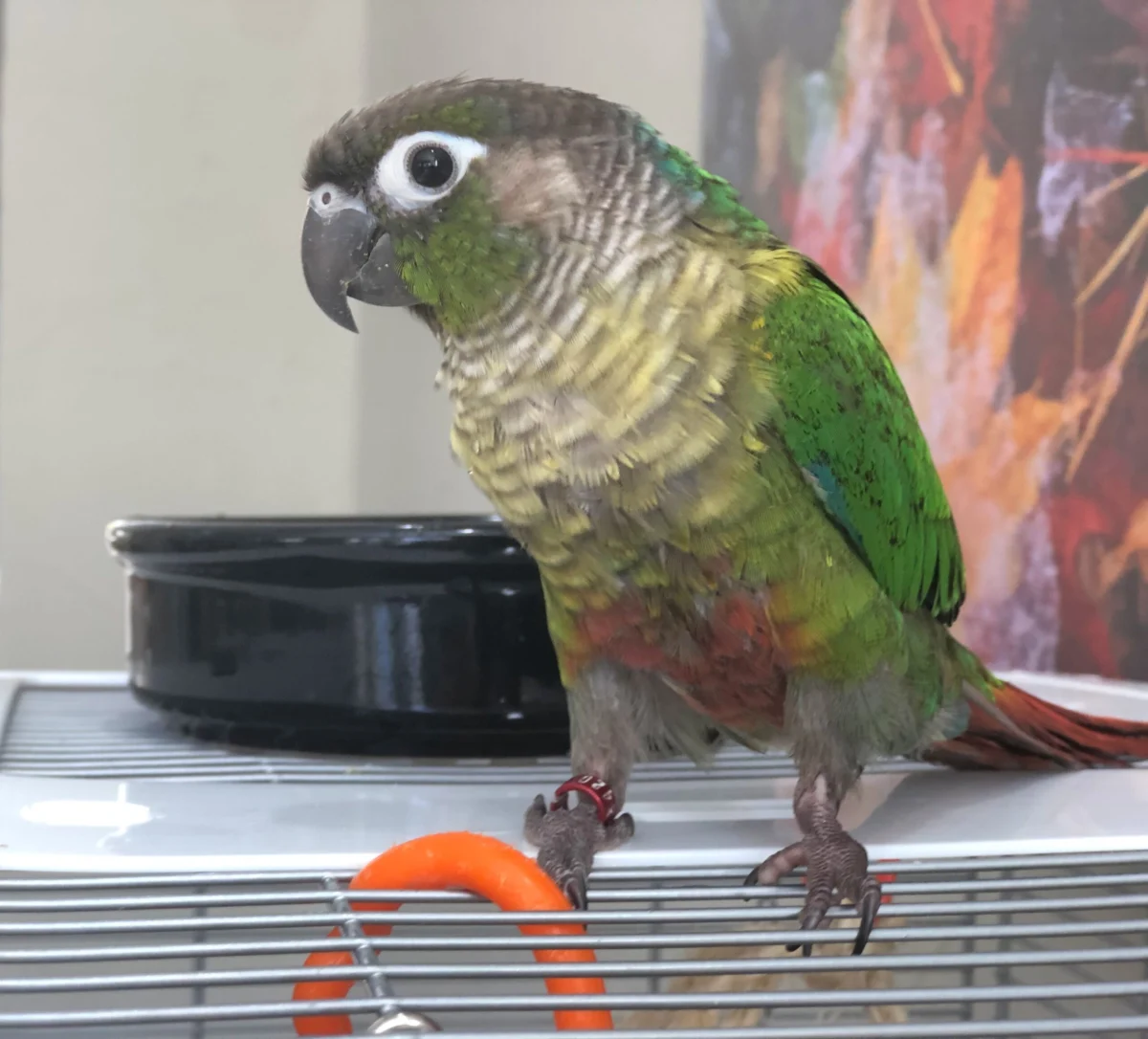
Indoor pet birds, particularly during colder months or periods of molt, frequently exhibit signs of discomfort such as itchiness, excessive feather dust, and increased scratching. These symptoms often stem from a common environmental factor: dry indoor air. Understanding the nuances between normal physiological processes and signs requiring veterinary attention is crucial for maintaining the well-being of feathered companions. This comprehensive guide aims to equip indoor bird owners with the knowledge and tools to identify, manage, and prevent issues related to dry skin and compromised feather quality, emphasizing a proactive, welfare-centric approach.
The Silent Threat: Understanding Dry Indoor Air and Its Impact
Many popular pet bird species, including parrots, cockatiels, and finches, originate from humid, tropical, or subtropical climates. In their natural habitats, they are accustomed to high levels of atmospheric moisture, which is vital for the health of their skin and the structural integrity of their feathers. When brought into indoor environments, especially those regulated by central heating or air conditioning, birds are often exposed to significantly lower humidity levels than their physiology is adapted for.
Why Winter Worsens Avian Skin and Feather Health
The onset of winter typically marks a peak in indoor air dryness. As outdoor temperatures drop, heating systems within homes work overtime to maintain comfortable internal temperatures. A byproduct of this heating process is a drastic reduction in indoor relative humidity. While a comfortable relative humidity for humans might be around 30-50%, many bird species thrive in environments closer to 60-80%. When indoor humidity consistently falls below 40%, birds can begin to experience noticeable discomfort. This environmental shift can lead to dehydrated skin, brittle feathers, and an increase in dander and feather dust, which can further irritate sensitive skin. The problem is exacerbated during a bird’s natural molting cycle, when new feathers are actively growing, pushing through the skin. Dry, tight skin can make this already energy-intensive process even more uncomfortable, prompting increased scratching and preening behaviors as the bird attempts to alleviate irritation.
The Physiological Need for Humidity
Feathers are complex structures composed primarily of keratin. For these structures to remain supple, vibrant, and functional, they require adequate moisture. Low humidity can cause feathers to become dry, brittle, and prone to breakage. This not only affects the bird’s aesthetic appearance but also compromises their natural insulation and waterproofing, essential for thermoregulation and flight. Furthermore, the skin beneath the feathers can become dry and flaky, leading to itchiness, redness, and discomfort. In extreme cases, prolonged exposure to arid conditions can weaken the skin’s barrier function, making it more susceptible to minor abrasions and secondary infections.
Identifying the Signs: Normal Discomfort vs. Veterinary Concern
Distinguishing between minor, environmentally-induced discomfort and more serious underlying health issues is the first critical step for any bird owner. While dry air can manifest in various ways, certain symptoms warrant immediate professional attention.
Common Symptoms of Environmental Dryness:
- Increased Scratching and Preening: A bird may spend more time scratching its head, neck, and body, or meticulously preening its feathers, often appearing restless.
- Excessive Feather Dust/Dander: A visible increase in fine white dust accumulating around the cage or on surfaces, indicative of dry skin and feather breakdown.
- Dull or Brittle Feathers: Feathers may lose their natural sheen, appear dull, or break easily, particularly during preening.
- Visible Skin Flaking: In areas where skin is visible, such as around the cere, eyes, or legs, dry flakes may be apparent.
- Irritated Skin: The skin may appear slightly reddened or feel unusually dry to the touch, if gently examined.
- "Pin Feather" Discomfort: During a molt, the new, developing feathers encased in keratin sheaths (pin feathers) can become particularly itchy and uncomfortable in dry conditions, leading to more vigorous preening.
These signs, especially if they emerge or intensify with the activation of winter heating systems and without changes in diet, typically point towards insufficient environmental humidity. They are often manageable with home-based interventions focused on increasing moisture and providing appropriate bathing opportunities.
When to Act Immediately: Red Flags for Veterinary Intervention:
It is paramount to recognize that while dry air can cause discomfort, it does not directly lead to severe feather damage, open wounds, or profound behavioral changes. The following symptoms are not solely caused by dry air and necessitate prompt consultation with an avian or exotics veterinarian:
- Open Wounds or Bleeding Feathers: Any visible injury, bleeding, or active plucking that results in skin trauma.
- Bald Patches or Significant Feather Loss: Beyond normal molting, unexplained bald areas, especially if the skin underneath appears inflamed or damaged.
- Sudden, Drastic Behavior Changes: Lethargy, loss of appetite, changes in droppings, fluffed-up appearance (indicating illness), or unusual aggression or withdrawal.
- Feather Destruction (Plucking/Chewing): Active pulling out, chewing, or breaking of feathers, leading to noticeable damage or bare patches.
- Swelling, Lumps, or Bumps: Any unusual growths or inflammation on the skin or body.
- Signs of Pain or Distress: Persistent vocalizations of discomfort, guarding certain body parts, or reluctance to move.
- Chronic Skin Conditions: Persistent redness, scabbing, or lesions that do not resolve with environmental adjustments.
If any of these severe signs are observed, delaying veterinary care can lead to worsening conditions. Avian veterinarians possess specialized knowledge to diagnose underlying medical conditions, nutritional deficiencies, or behavioral issues that may be contributing to the bird’s symptoms.
Beyond the Bath: A Holistic Approach to Avian Hydration
Addressing dry skin and feather irritation requires a multi-faceted approach that integrates environmental modifications, appropriate bathing practices, and nutritional support.
Empowering Your Bird: The Art of Voluntary Bathing
While the instinct might be to force a bath when a bird appears dusty or itchy, this approach often backfires, creating stress and aversion to bathing. The key lies in offering consistent opportunities for the bird to bathe on its own terms. Most avian veterinarians advocate for providing the opportunity daily, particularly in dry environments, and allowing the bird to choose when and how it engages with water.
Effective voluntary bathing options include:
- Shallow Water Dishes: A wide, shallow ceramic or stainless steel dish filled with comfortably warm water (around room temperature, not cold) placed inside or near the cage.
- Misting with a Fine Spray Bottle: Using a new, clean, unscented spray bottle to create a gentle, rain-like mist from a distance, allowing the bird to approach or retreat as it pleases. The water should be comfortably warm.
- Wet Leafy Greens: Offering thoroughly rinsed, dripping wet leafy greens (like romaine lettuce, kale, or spinach) can entice some birds to rub against them, transferring moisture to their feathers.
- Shower Perches/Steam: For birds comfortable with it, a shower perch allows them to participate in a warm, steamy shower environment. Even placing the bird’s cage in a steamy bathroom for 10-15 minutes can provide beneficial humidity.
- Humidifiers (Indirect): While not a direct bath, humidifiers increase ambient moisture, making feathers and skin more comfortable.
The critical principle is positive reinforcement and choice. If a bird resists one method, try another. Forcing baths can lead to fear and stress, making future attempts more challenging. The goal is comfort, not getting the bird "soaked" or chilled. Ensure the bathing area is free from drafts, and the bird can dry off quickly in a warm environment.
Optimizing Indoor Humidity: Tools and Techniques
Directly addressing the dry air problem is paramount. This involves actively increasing the relative humidity within the bird’s living space.
- Humidifiers: A high-quality cool-mist or warm-mist humidifier is an excellent investment. Cool-mist humidifiers are often preferred for safety, as they eliminate the risk of burns from hot steam. Placement is crucial: position the humidifier near the bird’s cage but not directly at it, ensuring the mist disperses evenly into the air. Regularly clean the humidifier according to manufacturer instructions to prevent the growth of mold or bacteria, which can then be aerosolized and become respiratory hazards. Distilled water is often recommended to prevent mineral buildup and the release of white dust.
- Hygrometers: A digital hygrometer is essential for monitoring the relative humidity levels in your bird’s environment. This allows owners to objectively assess if their interventions are effective and maintain humidity within the ideal range (typically 50-70% for most pet birds).
- Strategic Plant Placement: While not a primary solution, certain houseplants can contribute minimally to local humidity through transpiration. However, ensure any plants near your bird are non-toxic.
- Evaporation Trays: Placing shallow trays of water near heat sources (but safely out of reach of the bird) can increase ambient humidity through evaporation, although this method is less efficient than a humidifier.
The Role of Nutrition: Supporting Skin and Feather Health from Within
While environmental factors are often the primary cause of dry skin and feather issues, nutrition plays a crucial supportive role. For birds on seed-heavy diets, deficiencies in certain key nutrients are common and can exacerbate skin and feather problems.
- Omega Fatty Acids: Omega-3 and Omega-6 fatty acids are vital for healthy skin and lustrous feathers. They contribute to the natural oils that keep skin hydrated and feathers pliable. Sources include flaxseed oil, chia seeds, and certain avian-specific supplements.
- Vitamin A: Essential for epithelial tissue health (skin, mucous membranes), Vitamin A deficiency can lead to dry, flaky skin and poor feather quality. Many pelleted bird diets are fortified with Vitamin A, but supplementation may be necessary for birds on unbalanced diets.
- Vitamin E: A powerful antioxidant, Vitamin E supports skin health and can help protect cells from oxidative damage.
- Balanced Diet: The foundation of good feather and skin health is a balanced diet, primarily consisting of a high-quality pelleted food, supplemented with fresh vegetables, fruits, and a small amount of healthy seeds.
Any nutritional supplementation should be approached with caution and ideally under the guidance of an avian veterinarian. Over-supplementation, particularly with fat-soluble vitamins like A and E, can be toxic. Small, consistent additions are more effective and safer than large, infrequent doses. Products designed for avian feather and skin health, such as those mentioned in the original article (e.g., "Healthy Start Feather & Skin Kit"), offer a conservative approach to nutrient support, but they are supplements, not replacements for a balanced diet or veterinary care.
Navigating Molt: A Critical Period for Feather Health
Molting is a natural, cyclical process where birds replace old, worn feathers with new ones. While essential for maintaining flight, insulation, and overall health, it can be a challenging time for birds, especially when compounded by environmental stressors.
Molting Under Stress: How Dry Air Exacerbates Discomfort
During a molt, hundreds or even thousands of new feathers emerge simultaneously. Each new feather, or "pin feather," is encased in a keratin sheath, which must be shed. This process can be inherently itchy and uncomfortable. If the bird’s skin is already dry and tight due due to low humidity, the sensation of new feathers pushing through can be intensified, leading to significant irritation, itching, and sometimes even pain. This discomfort often triggers an increase in preening and scratching, as the bird instinctively tries to relieve the sensation and remove the waxy sheaths from the new feathers.
Preventing Escalation: From Itch to Obsessive Preening
The danger during a difficult molt in a dry environment is that normal, necessary preening can escalate into excessive, even obsessive, preening or self-mutilation (plucking). If the discomfort is severe and prolonged, the bird may develop a habit of over-preening or picking at its feathers, which can sometimes become a chronic behavioral issue even after the environmental trigger is removed. Early and consistent support for skin comfort and feather health during molt is crucial. By providing adequate humidity, gentle bathing opportunities, and nutritional support, owners can significantly reduce the urge for excessive scratching and preening, making the molting process smoother and less stressful for the bird. This proactive approach helps prevent the development of harmful habits and reduces the likelihood of chronic feather destructive behaviors.
Expert Consensus and Owner Responsibilities
Avian veterinarians universally agree on the critical importance of environmental management for pet bird health. They emphasize that while medical conditions and nutritional deficiencies can certainly cause feather and skin problems, a significant portion of cases seen in practice are exacerbated, if not directly caused, by suboptimal environmental conditions, particularly low humidity.
Avian Veterinarians Weigh In
Dr. Susan Lightfoot, a recognized expert in avian medicine, and authors like Chen et al. in Frontiers in Physiology, highlight the physiological dependence of birds on appropriate environmental conditions. They stress that owners often overlook the basic need for humidity, especially when focusing on diet or more complex medical issues. The consensus is that basic husbandry, including consistent access to moisture and a stable, appropriate environment, forms the foundation of avian wellness. When symptoms appear, the first line of defense should always be to review and optimize environmental factors before considering more invasive or complex solutions.
Proactive Care: The Best Defense
Owners bear the primary responsibility for creating an enriching and healthy environment for their birds. This includes:
- Regular Monitoring: Observing your bird’s behavior, feather quality, and skin condition daily.
- Environmental Control: Actively managing humidity and temperature within the bird’s living space.
- Consistent Bathing Opportunities: Offering choices for bathing without force.
- Balanced Nutrition: Providing a diet rich in essential nutrients.
- Early Intervention: Addressing minor signs of discomfort before they escalate.
When to Seek Professional Avian Medical Care
While many mild, seasonal issues related to dry air can be managed at home, knowing when to consult an avian veterinarian is paramount. Delaying professional help for serious symptoms can lead to chronic health issues, increased pain for the bird, and more complex, expensive treatments.
Clear Indicators for Immediate Veterinary Consultation:
- Persistent Itching/Scratching: If improved humidity and bathing do not resolve the itchiness within a week or two.
- Progressive Feather Loss/Damage: Any feather loss beyond typical molt, or active plucking/chewing that causes visible damage to feathers or skin.
- Skin Lesions or Irritation: Redness, scabbing, inflammation, or any breaks in the skin.
- Behavioral Changes: Lethargy, decreased appetite, changes in droppings, or other signs of illness.
- Vocalization of Distress: Continuous chirping, squawking, or grunting that suggests pain or discomfort.
- No Improvement: If, after consistently implementing environmental and bathing adjustments for 1-2 weeks, the bird’s condition shows no signs of improvement.
The Importance of Timely Intervention
Early detection and intervention are critical in avian medicine. Birds are masters at hiding signs of illness, a survival mechanism in the wild. By the time symptoms become obvious, the underlying condition may be advanced. Prompt veterinary consultation can lead to a quicker diagnosis, more effective treatment, and a better prognosis. Furthermore, addressing issues like early feather irritation can prevent them from developing into chronic behavioral problems such as feather destructive behavior, which is notoriously difficult to treat once established.
Conclusion: Fostering a Healthy Environment for Your Feathered Companion
The well-being of indoor pet birds is deeply intertwined with the quality of their environment. Dry indoor air, a pervasive issue, particularly during winter and molting periods, can significantly impact a bird’s skin comfort and feather health. By understanding the physiological needs of avian species, actively managing indoor humidity, offering varied and voluntary bathing opportunities, and providing balanced nutrition, owners can mitigate much of this discomfort. Crucially, recognizing the distinction between normal environmental reactions and signs requiring immediate veterinary attention ensures that birds receive the appropriate care at the right time. A proactive, observant, and responsive approach to avian husbandry not only alleviates discomfort but also strengthens the bond between owner and bird, fostering a healthier, happier life for these intelligent and sensitive companions.

