


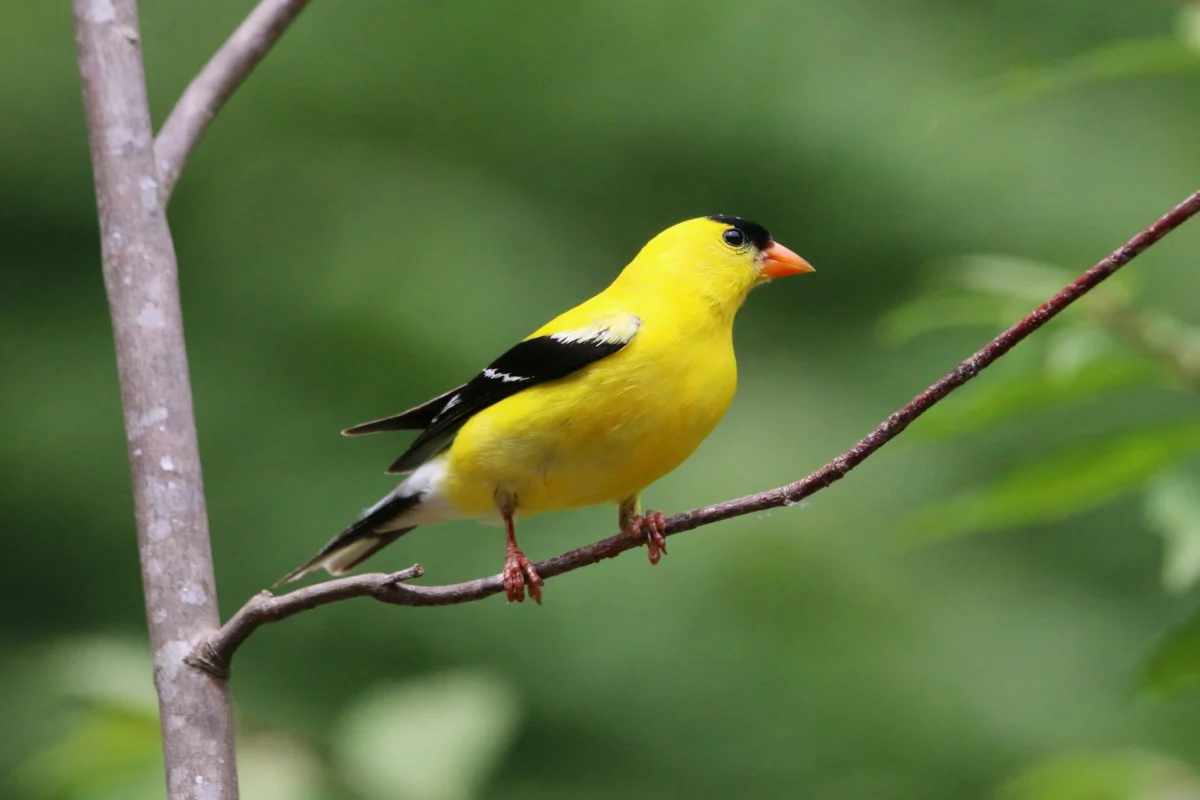
The American Goldfinch, with its striking golden plumage and distinctive black markings, is a beloved sight for bird enthusiasts. These small, energetic songbirds add a vibrant splash of color and cheerful melody to any landscape. While their presence is a delight year-round for those in their northern range, attracting them during the colder winter months requires a thoughtful approach. This guide delves into the specific strategies and considerations for creating a welcoming haven for Goldfinches when snow blankets the ground, offering insights into their behavior, dietary needs, and habitat preferences.
The Enduring Appeal of the American Goldfinch
American Goldfinches (Spinus tristis) are North America’s smallest finches, yet they possess an outsized impact on the avian landscape. Their brilliant yellow coloration, particularly pronounced in breeding males during the summer months, makes them easily identifiable. This vibrant hue is complemented by striking black caps and wings, creating a visually arresting spectacle. Their cheerful, rapid chirping and undulating flight patterns are hallmarks of their energetic nature. While their breeding plumage is a summer marvel, their adaptability and reliance on specific food sources allow them to remain a presence even when the temperatures drop.
For residents of the northeastern United States, the American Goldfinch is a year-round resident. This means that the efforts to attract them in winter are not about coaxing migratory birds back, but rather about providing an irresistible environment that encourages them to linger or visit consistently. Understanding their ecological niche and behavioral patterns is key to successfully transforming a backyard into a winter sanctuary for these delightful finches.
Cultivating a Winter Goldmine: Five Steps to Attract Goldfinches
Attracting Goldfinches to your yard during the winter months is a rewarding endeavor that focuses on fulfilling their essential needs: food, water, and shelter. By implementing a few strategic changes, you can transform your outdoor space into a haven for these lively birds.
Step 1: The Foundation of Attraction – The Right Seeds
Goldfinches are primarily granivores, meaning their diet consists almost exclusively of seeds. This dietary specialization makes them relatively easy to attract once their preferred food sources are identified and made accessible.
Sunflower Seeds: The undisputed favorite for many finches, including the American Goldfinch, is the black oil sunflower seed. These seeds are high in fat and protein, providing the essential energy birds need to survive cold weather. Offering these in feeders is a primary strategy for attracting them.
Thistle (Nyjer) Seed: Another highly favored food is Nyjer seed, often referred to as "thistle seed." This tiny, oil-rich seed is a particular delicacy for Goldfinches. Due to its small size, it is best offered in specialized feeders designed to prevent waste and allow finches to easily access the seeds. Many birders opt for thistle socks or feeders with very small openings to accommodate these seeds.
Maintaining Seed Quality: In winter, maintaining the quality of birdseed is paramount. Moisture can lead to mold and spoilage, making the seeds unappealing and potentially harmful to birds. It is crucial to ensure that the seeds offered are dry and fresh. Regularly checking feeders and replacing old seed with fresh supplies every three to four weeks is recommended, especially after periods of rain or snow. Keeping feeders in sheltered locations can also help protect the seed from the elements.
Beyond Seeds: While seeds form the bulk of their diet, Goldfinches have been observed to supplement their intake by consuming the bark of young twigs and fresh tree buds during periods of scarcity. While providing these natural elements can offer supplemental nutrition, readily available and high-quality seeds remain the most effective attractant.
Step 2: The Ideal Dining Experience – Choosing the Right Bird Feeder
The type of bird feeder used plays a significant role in how effectively you can offer food to Goldfinches and deter less desirable visitors.
Specialized Feeders: Goldfinches often benefit from feeders specifically designed for their size and feeding habits. Small, tube-style feeders with multiple perches are ideal. These feeders often have small ports that dispense seeds efficiently, minimizing waste. Their smaller size can also discourage larger, more aggressive bird species, such as jays or grackles, from dominating the feeding station. This creates a more peaceful and accessible dining environment for the finches.

Mesh and Tube Feeders: For Nyjer seed, specialized mesh socks or tube feeders with fine mesh openings are excellent choices. These allow the finches to cling to the outside of the feeder and pluck out the tiny seeds. This method of feeding mimics their natural foraging behavior and can be a fascinating sight for observers. Mesh and tube feeders also have the advantage of allowing air circulation, which helps to keep the seeds dry and less prone to spoilage.
Strategic Placement: The placement of feeders can also influence Goldfinch visits. While they are often seen at feeders in open areas, they also appreciate proximity to cover. Placing feeders near shrubs or trees can provide them with a sense of security and a quick escape route if predators are present.
Step 3: Natural Bounty – Planting for Goldfinches
Beyond feeders, incorporating natural vegetation into your yard can significantly enhance its appeal to Goldfinches. Many native plants provide not only seeds but also nesting materials and shelter.
Seed-Producing Plants:
- Sunflowers (Helianthus annuus): These iconic plants are a natural Goldfinch magnet. Once the flowers fade, the large seed heads become a buffet. Allowing sunflowers to mature and go to seed in your garden is an excellent way to provide a natural food source.
- Asters (Symphyotrichum spp.): These late-blooming wildflowers produce abundant small seeds that are highly attractive to finches.
- Coneflowers (Echinacea spp.): The seed heads of coneflowers offer a nutritious food source for Goldfinches throughout the fall and winter.
- Wild Thistle (Cirsium spp.): As their name suggests, Goldfinches have a particular fondness for the seeds of wild thistle. The fluffy seed heads are also a source of downy material for nests.
Nesting Material Sources:
- Cattails (Typha spp.): The fluffy seed down from cattails is a prized nesting material for many bird species, including Goldfinches.
- Dandelions (Taraxacum officinale): While often considered a weed, the fluffy seed heads of dandelions provide down that Goldfinches can utilize for nest construction.
- Milkweed (Asclepias spp.): Similar to cattails, milkweed provides soft, fibrous material that is invaluable for building nests.
Plants to Avoid: It is important to be mindful of plants that could pose a risk. Burdock, for instance, with its numerous burrs, can entangle and injure small birds.
By strategically planting these species, you create a more holistic habitat that caters to the Goldfinch’s needs throughout the year, making your yard a consistent draw.
Step 4: A Secure Sanctuary – Creating a Safe Environment
Food and attractive plants are crucial, but a sense of security is paramount for birds to feel comfortable visiting and staying in your yard. Goldfinches, being small songbirds, are naturally cautious.
Managing Bird Interactions: Goldfinches can be intimidated by larger, more assertive bird species. While they generally coexist peacefully with other small songbirds like chickadees and sparrows, the presence of larger birds such as Blue Jays or European Starlings can deter them. To mitigate this, consider offering a variety of feeders designed for different bird sizes. Smaller feeders with limited perch space can effectively reserve food for finches, while larger feeders can accommodate bigger species. This spatial separation helps ensure that Goldfinches have unimpeded access to their food sources.
Water Features: The presence of a reliable water source is another significant attractant. A birdbath or a shallow fountain can provide drinking water and a place for bathing, which is essential for maintaining plumage health. In winter, the availability of unfrozen water can be a critical factor for bird survival.
Step 5: The Winter Warmth – Providing Accessible Water
While often overlooked in winter bird feeding, providing a source of warm water can significantly enhance your yard’s appeal to Goldfinches and other songbirds.
The Importance of Water in Winter: Birds require water not only for drinking but also for bathing. Maintaining clean feathers is vital for insulation and flight. However, during freezing temperatures, natural water sources often become inaccessible.

Heated Birdbaths: A heated birdbath is an excellent investment for attracting birds in winter. These devices keep the water from freezing, providing a crucial resource when it is most needed. Even a shallow dish of water that is regularly replenished can make a difference. The visual appeal of a bird taking a bath in the midst of winter snow is a truly remarkable sight.
Frequency of Replenishment: It is essential to monitor water sources and replenish them regularly, especially during prolonged cold spells. The effort to provide warm, accessible water can be a deciding factor for Goldfinches choosing your yard over others.
Understanding Goldfinch Migration Patterns
The migratory behavior of American Goldfinches varies significantly depending on their geographic location. This is a crucial factor for anyone aiming to attract them year-round.
Year-Round Residents in the Northeast: In the northeastern United States, American Goldfinches are largely non-migratory. Their diet of seeds allows them to find sustenance even through harsh winters, and their ability to adapt to colder climates means they often remain in their breeding territories. This makes the strategies outlined above particularly effective for attracting them throughout the winter in these regions.
Partial Migrants Elsewhere: In other parts of their range, American Goldfinches exhibit partial migration. Birds in the northernmost areas may migrate south for the winter to escape extreme cold and find more abundant food sources. These journeys can take them to states further south, and in some cases, as far as Mexico. Conversely, during the summer, some Goldfinches may travel north into mid-Canada to take advantage of cooler temperatures and increased daylight hours for breeding and foraging.
This migratory behavior means that the success of attracting Goldfinches in winter may depend on your specific location within their vast North American range.
Seasonal Transformations: Goldfinch Appearance
The American Goldfinch undergoes a noticeable seasonal change in its plumage, particularly for the males. This dimorphism is a fascinating aspect of their biology.
Summer Plumage: During the breeding season, typically from late spring through summer, male Goldfinches are a brilliant, almost iridescent yellow. They sport a distinctive black cap on their forehead and black wings with white markings. This vibrant coloration is believed to play a role in mate attraction.
Winter Plumage: As autumn progresses and winter approaches, the male Goldfinches undergo a molt, transitioning to a more subdued, brownish or buffy coloration. Their black cap and wing markings may fade or become less distinct. This change serves as camouflage against the muted winter landscape and potentially helps them avoid predators.
Female and Juvenile Appearance: Female Goldfinches are generally a duller, more muted yellow or greenish-yellow year-round. They lack the prominent black cap of the breeding male. Juvenile birds often have a similar coloration to the females but may appear even duller or more earthy.
Winter Identification Challenges: The seasonal molt means that distinguishing between male and female Goldfinches becomes more challenging during the winter months, as both sexes adopt a less conspicuous appearance. However, their characteristic finch shape and feeding behavior remain consistent.
Expected Behaviors of Goldfinches
Understanding the typical behaviors of American Goldfinches can further enhance your ability to attract and appreciate them.
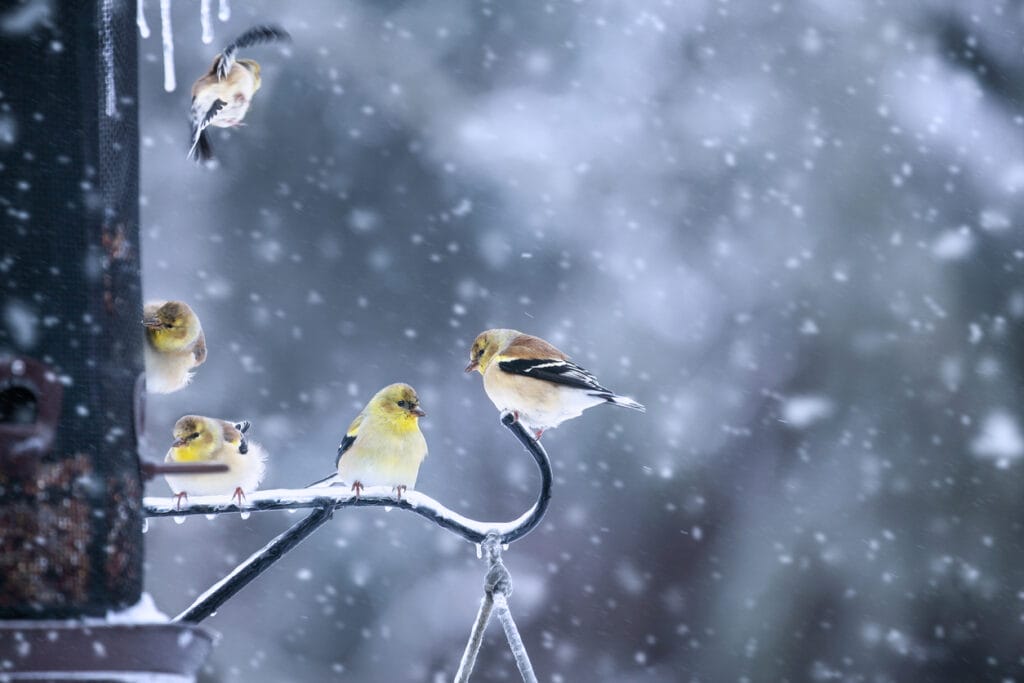
Social Nature: Goldfinches are generally social birds, often seen foraging in flocks. This flocking behavior is particularly evident outside the breeding season. You may observe groups of Goldfinches visiting feeders together, creating a lively and dynamic scene. While they are generally gregarious with their own kind, they tend to be more timid around larger birds and humans.
Cautious Approach to New Resources: When encountering a new food source or feeder, Goldfinches can exhibit a degree of caution. They may hover around the feeder for a while, chirping nervously, before they feel secure enough to land and feed. This behavior is a natural survival instinct, allowing them to assess potential risks before committing to feeding.
Vocalization: Goldfinches are known for their cheerful and distinctive songs and calls. Their most common vocalization is a series of rapid, repetitive chirps and whistles that can sound almost musical or even a bit "robotic." They also engage in chattering calls, particularly when in flight or when a flock is approaching. The sound of their cheerful calls can often be heard before the birds themselves are visible, serving as an auditory invitation to the observer.
Breeding Season Considerations: While flocking is common, it is less likely to occur during the late summer breeding period when pairs are focused on nesting and raising young.
Frequently Asked Questions About Goldfinches
What is the difference between a yellow finch and a goldfinch?
In North America, there isn’t a species officially recognized as a "yellow finch" in the same way as the American Goldfinch. However, the Yellow Warbler is a small, all-yellow bird that can be confused with Goldfinches. The key distinction is that the male American Goldfinch has a distinct black cap on its head and black on its wings, whereas the Yellow Warbler is uniformly yellow, sometimes with reddish streaks on its breast.
What is the lifespan of a goldfinch bird?
The lifespan of an American Goldfinch in the wild typically ranges from 3 to 6 years. However, with consistent access to food, water, and shelter, some individuals may live longer.
Are goldfinches always gold?
No, Goldfinches are not always gold. Their iconic brilliant yellow coloration is primarily observed in breeding males during the spring and summer. During the non-breeding season (fall and winter), males molt into a duller, brownish or buffy plumage. Females and juvenile birds also exhibit more muted yellow or greenish-yellow hues throughout the year.
Conclusion: Creating a Welcoming Winter Haven
Attracting American Goldfinches to your yard during the winter is an achievable and deeply rewarding experience for any bird enthusiast. By understanding their dietary preferences, habitat needs, and behavioral patterns, you can transform your outdoor space into a vibrant sanctuary. Providing a consistent supply of high-quality seeds, particularly black oil sunflower and Nyjer, in appropriate feeders is the cornerstone of this effort. Supplementing this with natural vegetation like sunflowers and thistles further enhances their attraction. Crucially, offering a safe environment, free from excessive disturbance by larger birds, and providing accessible, unfrozen water, especially warm water, can make all the difference.
For those in regions where Goldfinches are year-round residents, these efforts will yield consistent visits. For those in migratory zones, these practices can still attract visiting individuals seeking sustenance during their winter sojourns. The visual spectacle of these bright yellow birds against a stark winter backdrop, coupled with their cheerful songs, offers a unique connection to nature. By implementing these simple yet effective strategies, you can ensure that your yard becomes a reliable and inviting destination for American Goldfinches, enriching your winter landscape with their vibrant presence.

