


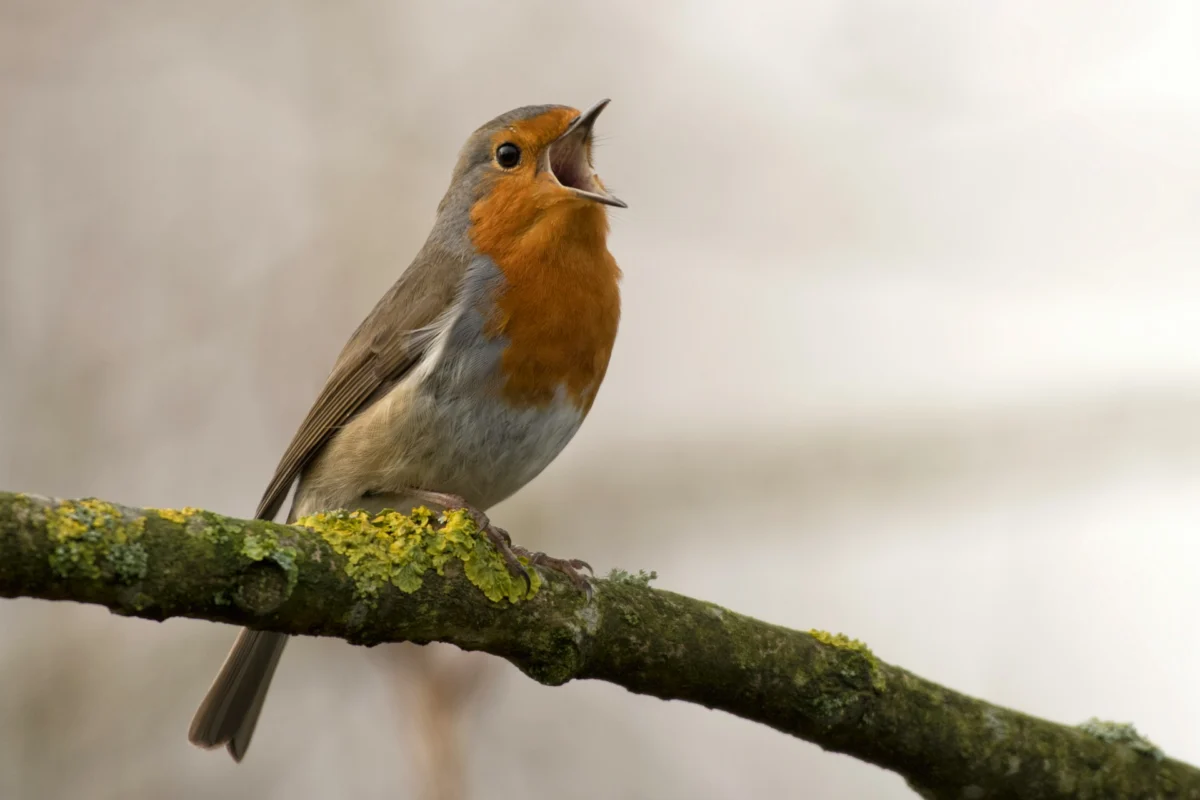
The study of avian coloration remains a cornerstone of ornithological research, offering profound insights into evolutionary biology, sexual selection, and ecological adaptation. While the vibrant plumage of many species is often highlighted, there exists a specialized category of birds characterized by a more understated aesthetic: those exhibiting brown primary coloration accented by distinct orange chests. This color palette is not merely a visual curiosity; it is a manifestation of complex biological mechanisms and environmental pressures. Understanding why these specific pigments persist across diverse geographic ranges—from the forests of North America to the wetlands of South America and the temperate zones of Europe—requires an analysis of pigment chemistry, survival strategies, and the evolutionary trade-offs inherent in avian development.
The biological foundation of these colors is categorized into two primary pigment types: melanin and carotenoids. Melanin is internally synthesized within the avian body and is responsible for the production of black, brown, grey, and certain earthy orange tones. Conversely, carotenoids—which yield the brighter reds, oranges, and yellows observed in the avian world—are not naturally synthesized by the bird. Instead, they must be acquired through dietary intake, often found in specific seeds, fruits, and insects. The presence of an orange chest in a predominantly brown bird frequently indicates a strategic reliance on both pigment sources, suggesting an evolutionary adaptation that balances the need for camouflage with the necessity of signaling reproductive fitness.

Evolutionary Drivers and Ecological Context
The persistence of brown and orange plumage patterns is deeply rooted in the concept of crypsis, or camouflage. For many species, particularly females, a muted brown dorsal side provides essential protection against predation by allowing the bird to blend into bark, leaf litter, or shadowed undergrowth. This is particularly critical during the nesting season when the parent must remain inconspicuous while incubating eggs or tending to altricial young.

However, the contrast of an orange chest introduces a secondary evolutionary dimension: sexual signaling. In many of the species observed, the orange coloration serves as an indicator of physiological health. Because carotenoids are often linked to immune function and the ability to forage efficiently, a vibrant chest patch can serve as an honest signal to potential mates regarding the bearer’s genetic quality. This dichotomy—the need to hide from predators while simultaneously advertising fitness to potential partners—drives the diverse, yet consistent, patterns found in these nine distinct species.
Case Studies in Avian Diversity
1. The American Robin (Turdus migratorius)
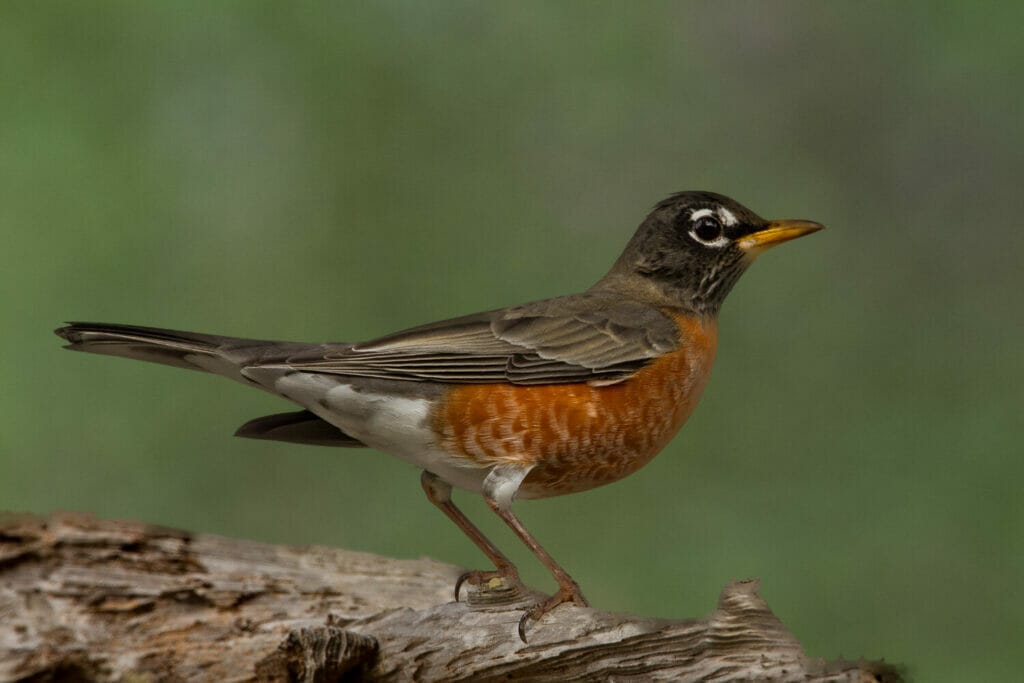
A hallmark of the North American landscape, the American Robin serves as an ideal study in seasonal adaptation. Contrary to the common misconception that they are migratory heralds of spring, these thrushes are often resident year-round. Their ability to switch from a protein-rich diet of invertebrates in the warmer months to a fruit-based diet in winter allows them to survive in climates that would otherwise be inhospitable. Their dark grey-brown back and deep orange-red breast are classic examples of melanin-based protection coupled with a distinct sexual signal.
2. The European Robin (Erithacus rubecula)
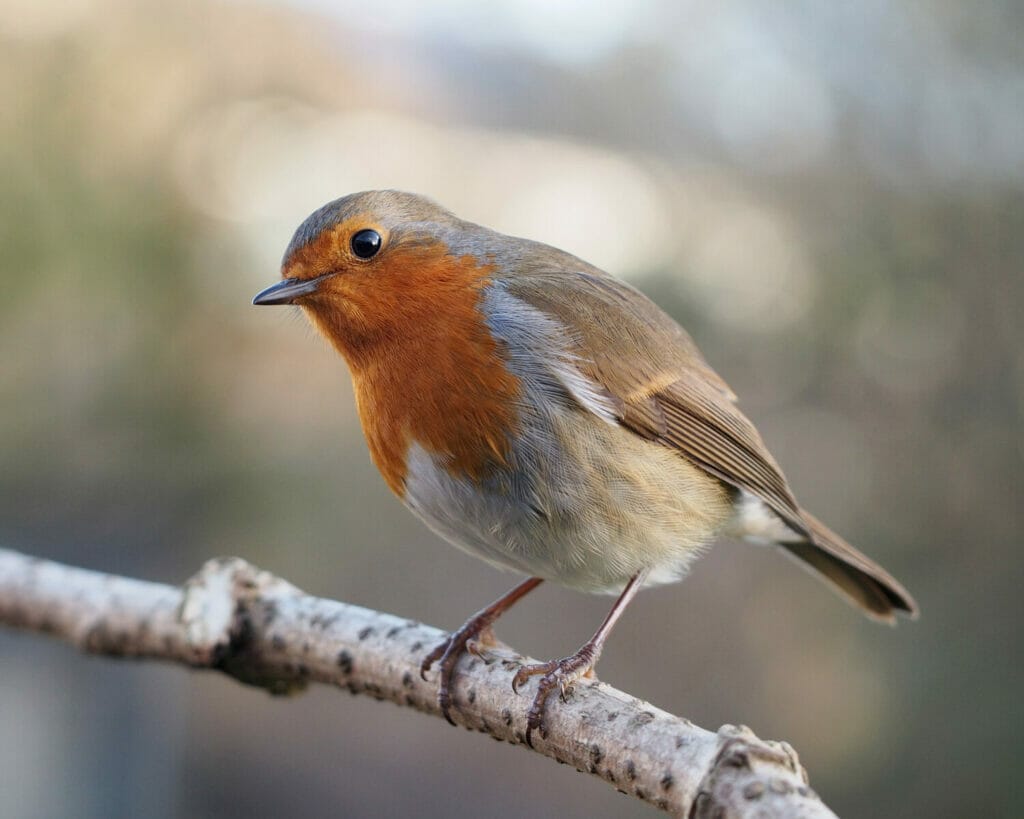
Distinct from its American namesake, the European Robin is a member of the Old World flycatcher family. Smaller in stature, its striking orange-red breast extends significantly into the facial region. Ornithologists have noted that the European Robin is highly territorial; the orange breast patch is frequently used in aggressive displays against intruders, proving that color serves as both a mating signal and a tool for social defense.

3. The Sharp-shinned Hawk (Accipiter striatus)
The inclusion of a raptor in this category highlights that these color patterns are not exclusive to songbirds. The Sharp-shinned Hawk, a forest-dwelling predator, utilizes its streaky orange breast as part of a disruptive coloration strategy. When perched within the dappled light of a forest canopy, the combination of brown dorsal feathers and an orange-streaked breast helps the raptor remain hidden until it initiates a rapid, high-speed strike against its prey.

4. The Zebra Waxbill (Amandava subflava)
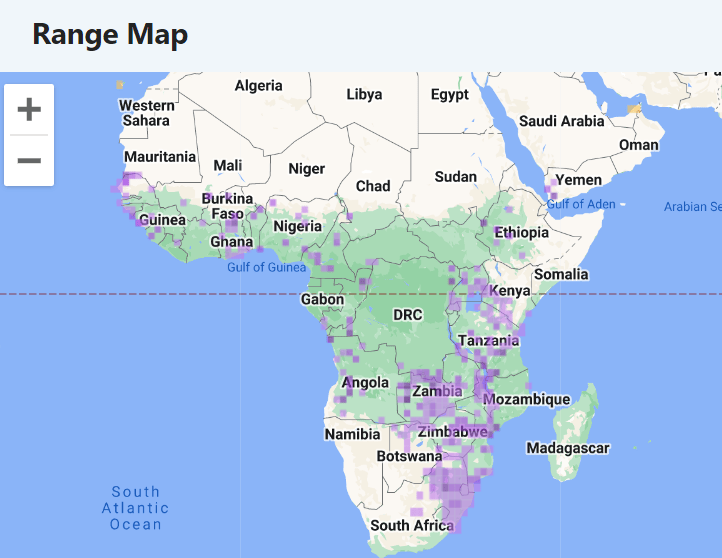
Native to sub-Saharan Africa, this diminutive bird demonstrates the importance of the "sally-stall" and other complex courtship rituals. The vivid orange breast is not merely a static feature; it is displayed during intricate bowing ceremonies. These displays suggest that for some species, the plumage is a secondary element of a larger, performance-based mating ritual.

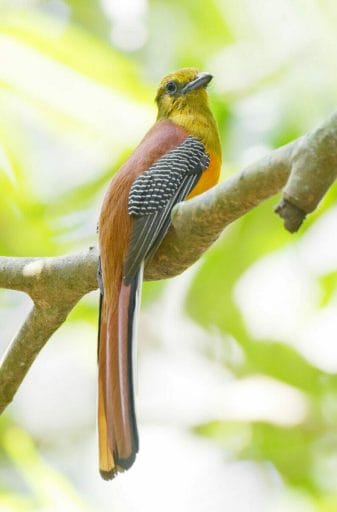
5. The Orange-breasted Trogon (Harpactes oreskios)
Found in the dense, low-level forests of Southeast Asia, the Trogon occupies a unique ecological niche. Its muted olive-yellow head and cinnamon-brown back provide excellent concealment in the mid-canopy. The bright orange breast serves as a flash of color during movement, which may assist in species recognition in the dense, light-deprived environment of the rainforest floor.
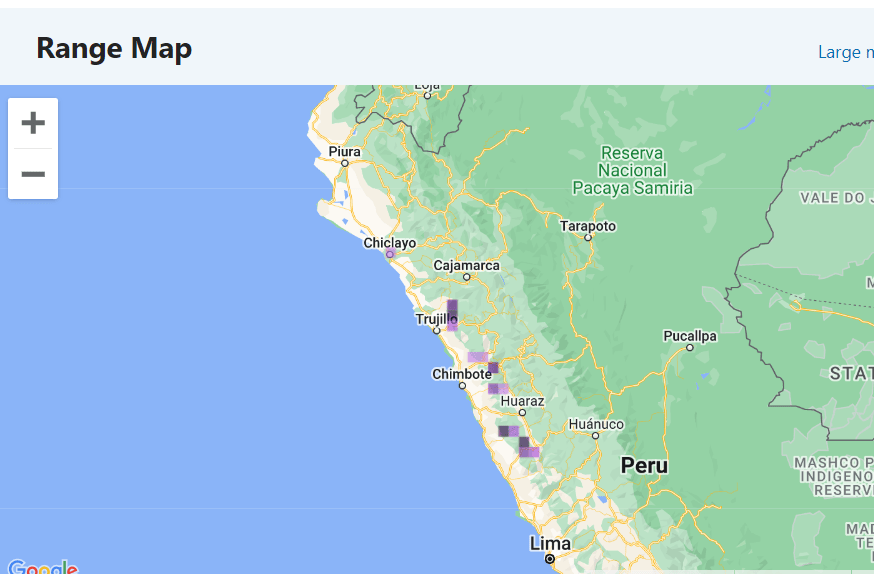
6. The Russet-bellied Spinetail (Synallaxis zimmeri)
The status of this species in western Peru serves as a somber reminder of the impacts of habitat fragmentation. As an endemic and vulnerable species, its limited range prevents it from migrating to find new resources. The russet-orange coloring is a testament to its evolutionary adaptation to the specific arid, scrub-heavy environment of the Andes, yet this specialization has left it dangerously exposed to the rapid environmental changes currently affecting the region.

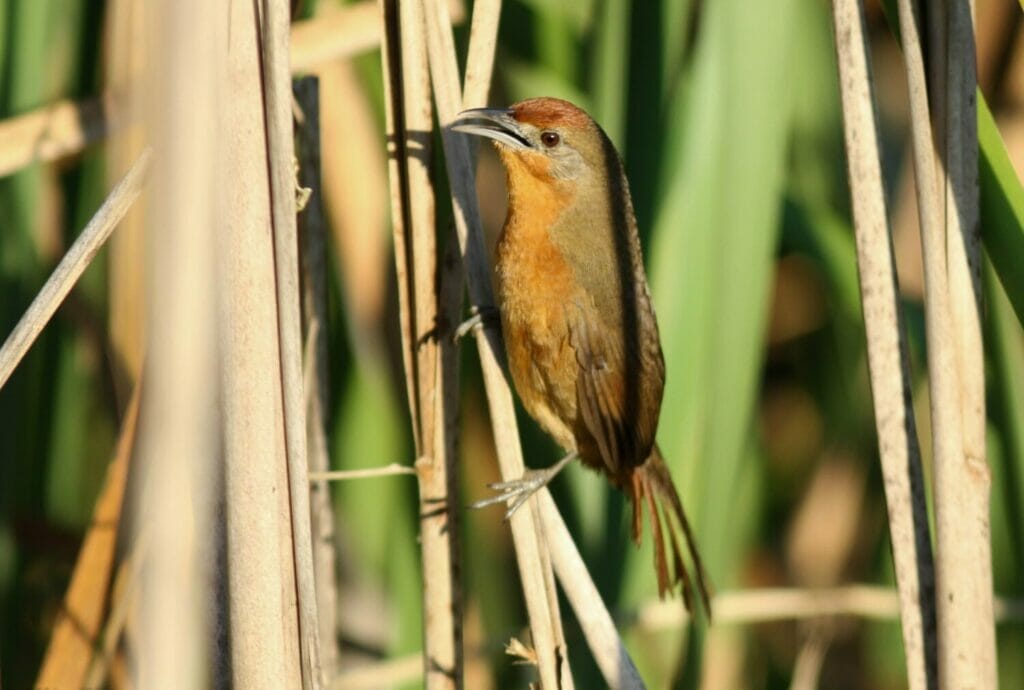
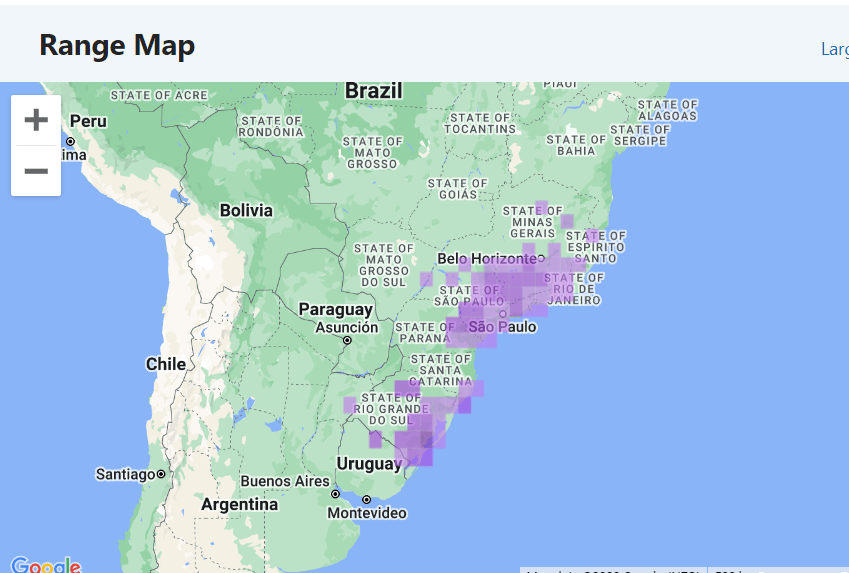
7. The Orange-breasted Thornbird (Phacellodomus ferrugineigula)
Inhabiting the wetlands of eastern South America, the Thornbird remains a subject of ongoing scientific inquiry due to its elusive nature. Its coloration—a shift from brown to a soft orange—is perfectly suited for the reeds and grasses of its marshy habitat. The lack of extensive research on this species underscores the necessity for increased conservation efforts to identify the behavioral patterns of birds that exist in less accessible, peripheral ecosystems.

8. The European Stonechat (Saxicola rubicola)
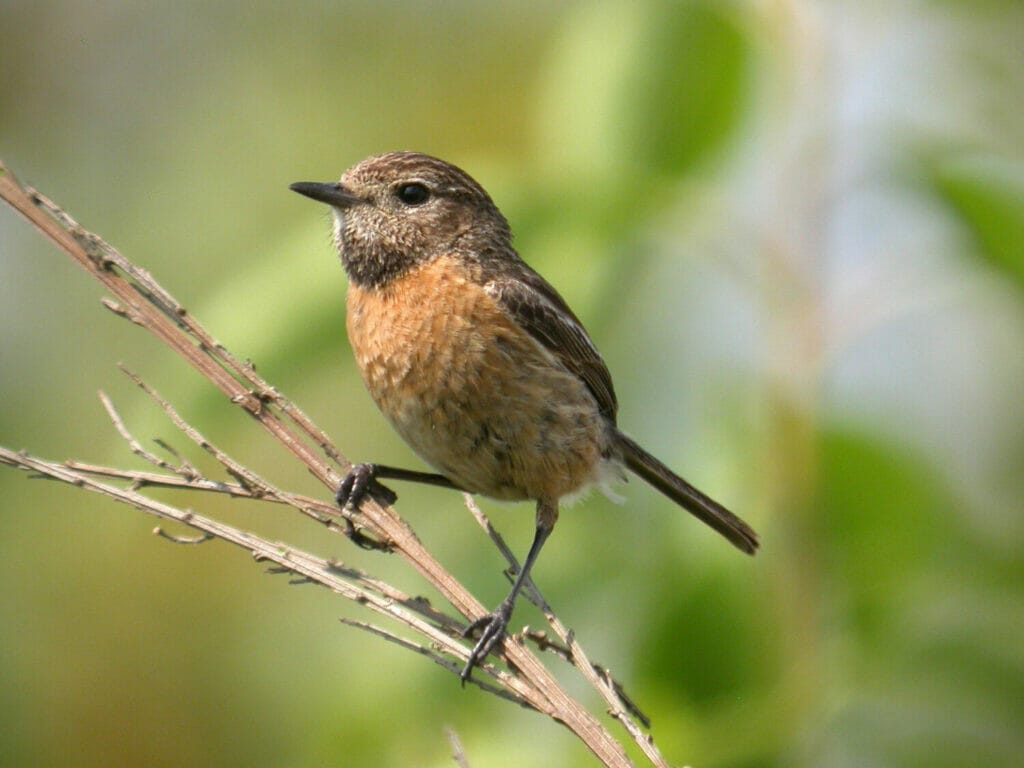
The Stonechat is named for its distinctive call, which mirrors the sound of two stones being struck together. The female’s plumage, characterized by a pale buff belly and an orange-tinged chest, is an example of cryptic coloration that protects the bird while it hunts for insects in open, exposed terrain. Their wide distribution across Europe and the Middle East illustrates the success of this particular color adaptation in diverse, open-field biomes.
9. The Brambling (Fringilla montifringilla)
As a migratory finch, the Brambling displays significant plumage variation throughout the year. During the non-breeding season, the orange breast is subdued, but as the breeding season approaches, the colors intensify. This seasonal shift highlights the metabolic cost of maintaining bright pigments and the bird’s ability to allocate resources based on the necessity of attracting a mate.
Implications for Ornithological Conservation
The data surrounding these nine species reveal a clear trend: birds that rely on subtle, earthy tones are often more ecologically flexible than those that require high-energy, carotenoid-based diets. However, as demonstrated by the Russet-bellied Spinetail, even birds with seemingly robust camouflage are susceptible to the pressures of habitat loss.
Ornithologists and environmental scientists argue that the study of plumage is not purely aesthetic; it is a vital metric for monitoring environmental health. When a species’ color intensity begins to wane, it often indicates a decline in the availability of necessary food sources or a shift in the local ecosystem that forces the bird to prioritize survival over reproduction.
Broader Context and Future Research
Looking forward, the integration of molecular genetics with traditional field observation is expected to shed more light on the evolution of these color patterns. Scientists are currently investigating how climate change may force a shift in the distribution of these species, potentially leading to increased competition between birds with similar color-signaling requirements. Furthermore, as human development continues to encroach upon previously isolated forest and wetland habitats, the ability of these birds to adapt their camouflage and signaling to urbanized environments will be a primary determinant of their long-term survival.

In summary, the brown-bodied, orange-chested bird is a masterclass in evolutionary efficiency. Whether serving as a shield against predators or a beacon for potential mates, these colors represent a finely tuned response to the challenges of the natural world. As we continue to document these species, the focus must remain on the preservation of the habitats that allow these unique, and often overlooked, biological signals to persist for future generations.

