


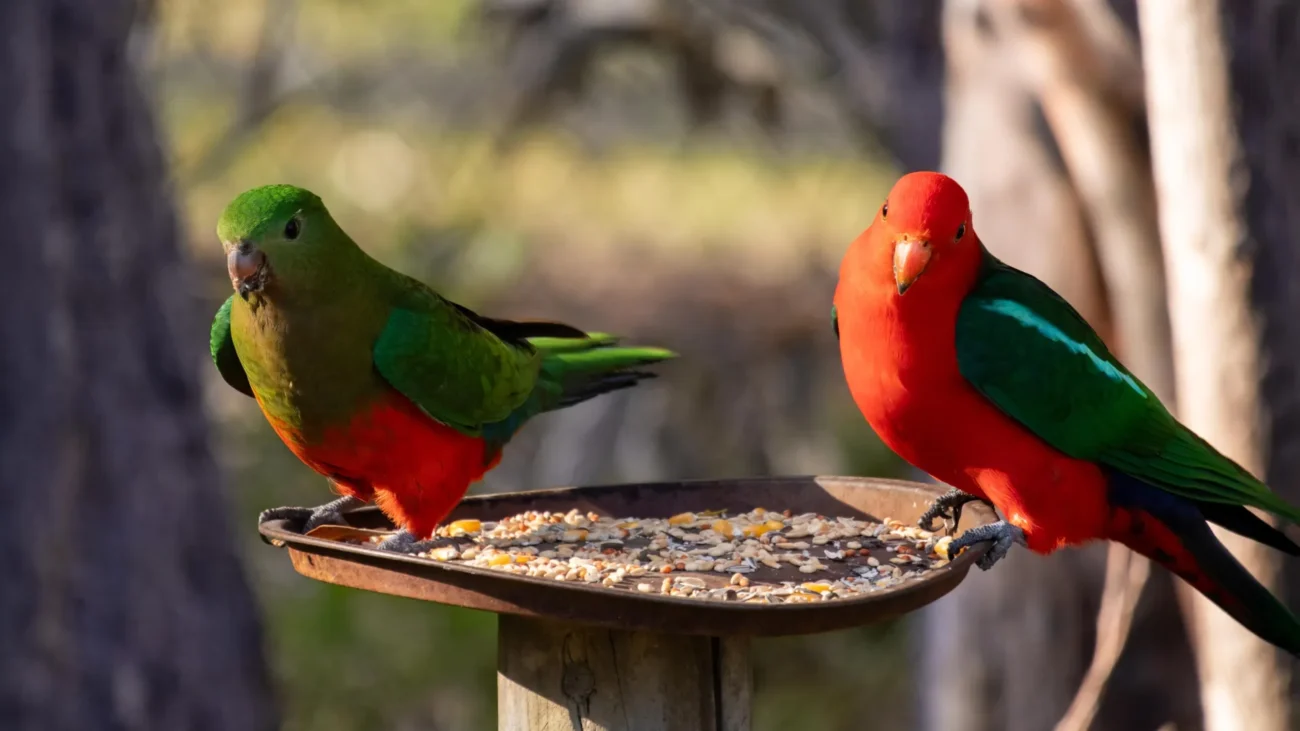
Backyard bird feeding stands as one of the most cherished and widespread pastimes across Australia, with empirical research indicating that approximately half of all households actively provide food to wild avian species, many engaging in this practice on a daily basis. While this human-wildlife interaction is traditionally viewed as a benevolent gesture rooted in a profound love for nature, virologists, ecologists, and biosecurity experts are sounding urgent alarms. As the highly pathogenic H5N1 strain of avian influenza advances across the Australian continent, domestic feeding stations are increasingly recognized as potential superspreader sites capable of accelerating the transmission of a virus that has already wreaked ecological havoc on global wildlife populations.
The global footprint of the H5N1 panzepootic over recent years has been catastrophic, decimating millions of wild seabirds, raptors, and marine and terrestrial mammals worldwide. In Australia, the threat has transitioned from an overseas crisis to a domestic reality. Recent epidemiological data highlights a grim acceleration of the outbreak locally, underscored by mass mortality events such as the recent death of more than one thousand crested terns. Furthermore, the virus has breached the mainland mammalian barrier, tragically claiming the life of a long-nosed fur seal—a milestone detection that signals a dangerous evolution in the pathogen’s host range and ecological penetration.
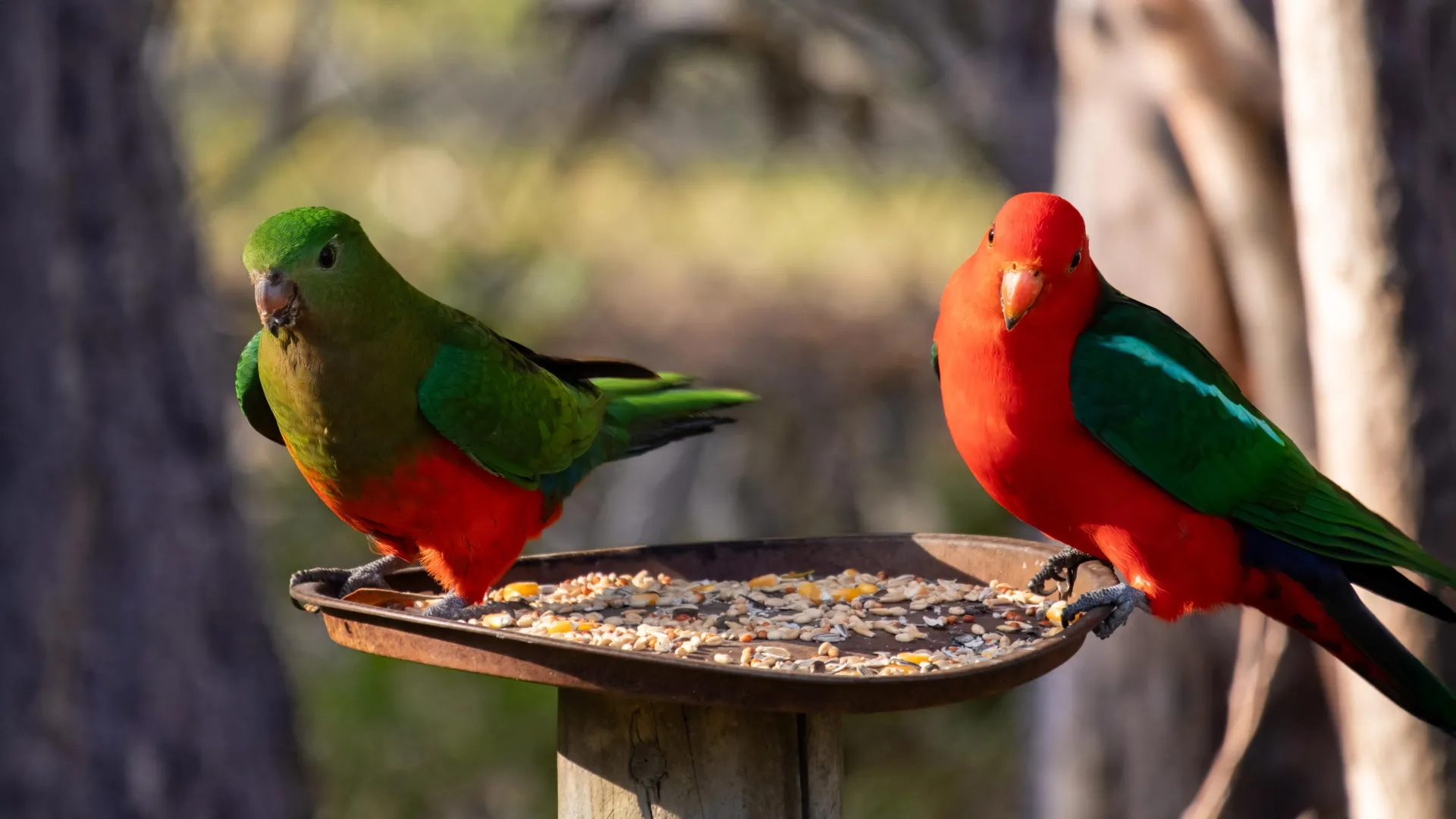
Given that an estimated 50 percent of Australian homes participate in supplementary feeding, the convergence of diverse bird species at backyard tables and ground-level trays creates an artificial density. In natural ecosystems, these varied species would rarely congregate in such close quarters. This convergence zones transforms suburban decks and gardens into high-risk transmission hotspots, amplifying the vulnerability of native fauna and threatening fragile, endangered populations, such as the orange-bellied parrot, which can ill-afford catastrophic disease events on top of existing extinction pressures.
The Evolutionary Arc of the H5N1 Panzootic
To understand the gravity of the current Australian outbreak, one must examine the broader chronology of the H5N1 virus. Originating decades ago, a particularly aggressive lineage of the H5N1 highly pathogenic avian influenza (HPAI) virus emerged and rapidly expanded its geographical range, sweeping out of Asia through Europe, Africa, the Americas, and eventually reaching the sub-Antarctic islands and the Australian mainland. Unlike previous strains of avian influenza that primarily affected domestic poultry farms and could be contained through swift culling, this contemporary clade has demonstrated an unprecedented ability to infect wild, free-ranging bird populations.
As migratory pathways carried infected birds across oceans, the virus crossed ecological boundaries into mammalian species. Foxes, seals, sea lions, bears, and domestic pets have fallen victim to the pathogen after scavenging infected carcasses. The recent Australian mainland detections confirm that the island continent’s unique marsupial and avian biodiversity is no longer shielded by geographic isolation. Biosecurity analysts trace the escalation of the local crisis through a rapid succession of sentinel events on remote islands followed by inevitable mainland incursions, culminating in the devastating mortality rates observed among coastal seabirds and marine mammals during the latter half of 2026.
Beyond the Backyard: The Complex Ecology of Supplementary Feeding
The cultural practice of feeding wild birds is deeply entrenched in Australian society. Advocates argue that providing seeds, grains, and kitchen scraps offers a vital lifeline during periods of environmental stress, such as droughts, bushfires, or severe urban development. Many participants express a deep psychological and emotional connection to their backyard visitors, viewing the act as a constructive contribution to local biodiversity and animal welfare.
However, scientific consensus highlights the unintended ecological and epidemiological consequences of these well-intentioned actions. Ornithological studies consistently demonstrate that the vast majority of birds visiting backyard feeders derive the bulk of their daily nutritional requirements from natural foraging—consuming insects, nectar, seeds, and worms in their native habitats. Consequently, the provisions supplied by humans function primarily as supplemental snacks rather than essential sustenance.
When artificial feeding stations concentrate these populations, several negative outcomes emerge. First, the provision of inappropriate foods—such as processed bread, high-fat meats, or nutrient-deficient seeds—can lead to metabolic bone disease, malnutrition, and developmental deformities in young birds. Second, and most critically in the current epidemiological climate, these feeding stations act as environmental mixing vessels. A single bird shedding the H5N1 virus can contaminate feeding trays, water bowls, and surrounding soil, exposing dozens of other visiting individuals—and potentially multiple distinct species—to infectious viral loads.
Zoonotic Risks and the Threat to Scavenger Species
The implications of backyard transmission extend far beyond avian populations. Scavenging animals, including brushtail possums, red foxes, feral cats, and corvids such as ravens and currawongs, frequently visit feeding sites or prey upon weakened birds. When these scavengers consume infected carcasses or contaminated feed, they risk contracting the virus, thereby serving as secondary vectors that can bridge the gap between wild bird populations and domestic or human environments.
For humans, the risk of contracting H5N1 from backyard feeding remains statistically low, but it is not non-existent. Occupational groups such as wildlife rehabilitators, veterinarians, and poultry workers face the highest exposure risks through close contact with infected animals. While human infections of H5N1 globally have typically resulted in conjunctivitis, mild respiratory illness, or, in rare instances, severe systemic complications, public health authorities stress that complacency is unwarranted. The potential for the virus to mutate and acquire enhanced human-to-human transmissibility remains a central concern for global pandemic preparedness organizations. Consequently, public health agencies urge everyday citizens to minimize unnecessary close contact with potentially infected wildlife to safeguard both human health and animal populations.
Mitigation Strategies: How Australians Can Respond Safely
In light of the escalating H5N1 crisis, government agricultural departments, biodiversity councils, and wildlife conservation groups have formulated clear guidelines for the public. While the absolute most effective strategy to mitigate backyard disease transmission is to cease feeding wild birds entirely, experts recognize the social challenges of implementing a total ban overnight. For individuals who choose to continue maintaining backyard feeders, adherence to strict biosecurity protocols is paramount.
Biosecurity frameworks emphasize three core risk-reduction measures:
- Drastically Reduce Food Quantities: Minimizing the volume of food available reduces the density of congregating birds. By scaling back supplies, backyard operators can disrupt the artificial congregation patterns that favor viral transmission, effectively introducing social distancing measures for local wildlife.
- Eliminate Hand-Feeding: Direct physical contact between humans and wild birds—such as feeding lorikeets or cockatoos directly from an open palm—must be abandoned. While the direct zoonotic transmission risk is low, the intimacy of hand-feeding presents an unnecessary hazard during an active viral epizootic.
- Maintain Rigorous Hygiene Standards: Feeding equipment, trays, and water receptacles must be cleaned and disinfected regularly using domestic bleach solutions and thoroughly rinsed. Experts note that individuals unwilling or unable to commit to daily sanitation protocols should dismantle their feeding stations permanently.
Official Responses and Broader Implications
State and federal biosecurity agencies have ramped up surveillance and public awareness campaigns as the H5N1 footprint expands. Agricultural departments across Australia maintain active monitoring networks, testing suspected mortality events and coordinating responses among wildlife carers. The overarching objective is to slow the geographical dissemination of the virus, protect commercial poultry industries from catastrophic economic loss, and shield threatened native species from irreversible population declines.
The crisis has also sparked broader academic and policy debates regarding the human-wildlife interface in urban and suburban landscapes. As cities expand and natural habitats fragment, interactions between humans and native fauna inevitably increase. The current H5N1 outbreak serves as a stark reminder that our ecological actions—even those born of kindness and a desire to connect with nature—have complex, far-reaching consequences.
Ultimately, navigating the H5N1 threat requires a cultural shift in how Australians perceive backyard wildlife interactions. While temporarily withholding culinary treats or dismantling backyard feeders may disappoint human observers and transient avian visitors alike, these measured adjustments are vital. By prioritizing science-based biosecurity over sentimental feeding habits, the community can play a decisive role in mitigating a national health crisis, protecting vulnerable native species, and preserving the long-term integrity of Australia’s unique natural heritage.
Public Safety Advisory: Members of the public are strongly advised never to touch sick, distressed, or dead wild birds or marine mammals. If you encounter potential wildlife mortality events, record the precise location, capture photographs from a secure distance, ensure domestic pets are kept well away from the area, and immediately report the sighting to the Emergency Animal Disease Hotline.

