


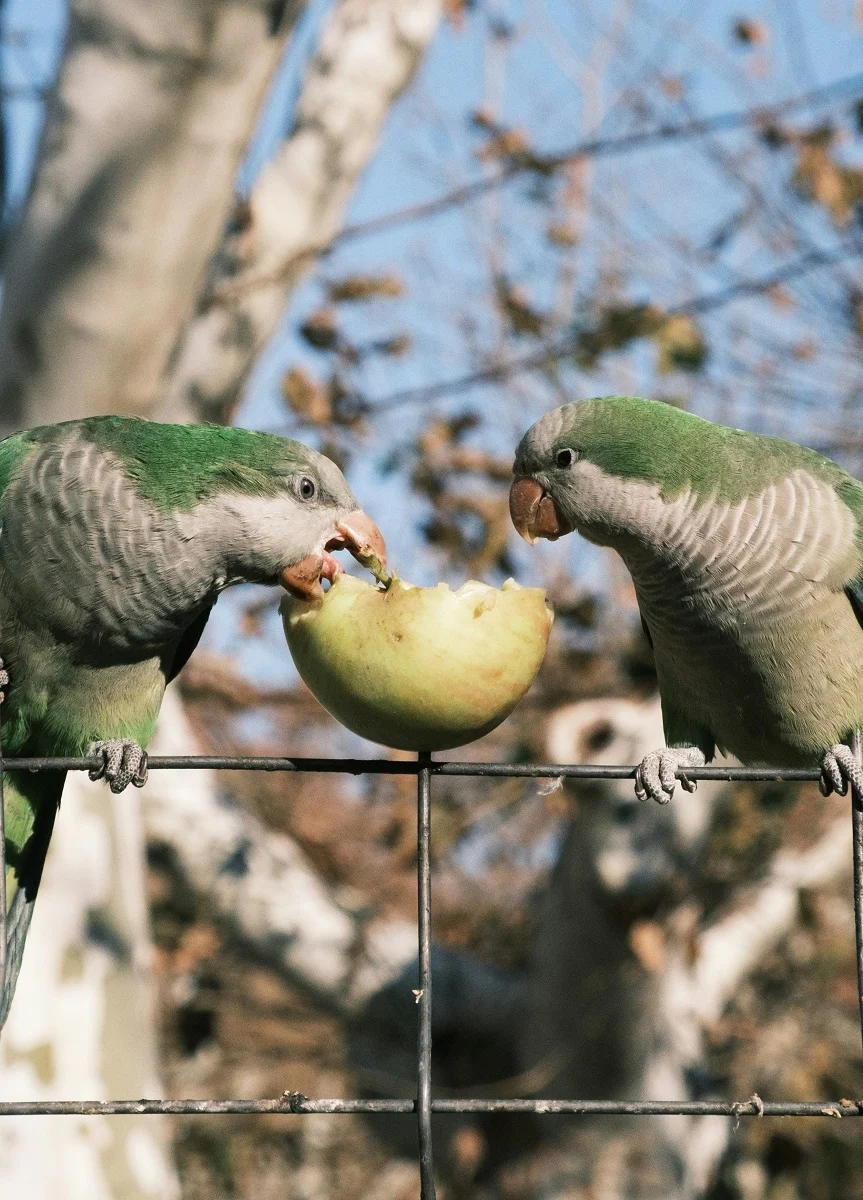
The quaker parrot, scientifically classified as Myiopsitta monachus and widely recognized as the monk parakeet, has steadily cemented its status as one of the most charismatic yet controversial avian species in both domestic households and international ecosystems. Native to the lowlands of South America—spanning Argentina, Uruguay, southern Brazil, eastern Bolivia, and Paraguay—this vibrant green-and-gray bird has expanded far beyond its indigenous geographic borders. As a popular companion animal, the species is celebrated for its high intelligence, impressive vocal mimicry, and clownish demeanor. Simultaneously, its remarkable adaptability has transformed feral populations into significant agricultural pests and ecological concerns across North America and parts of Europe.
Taxonomic Overview and Physical Characteristics
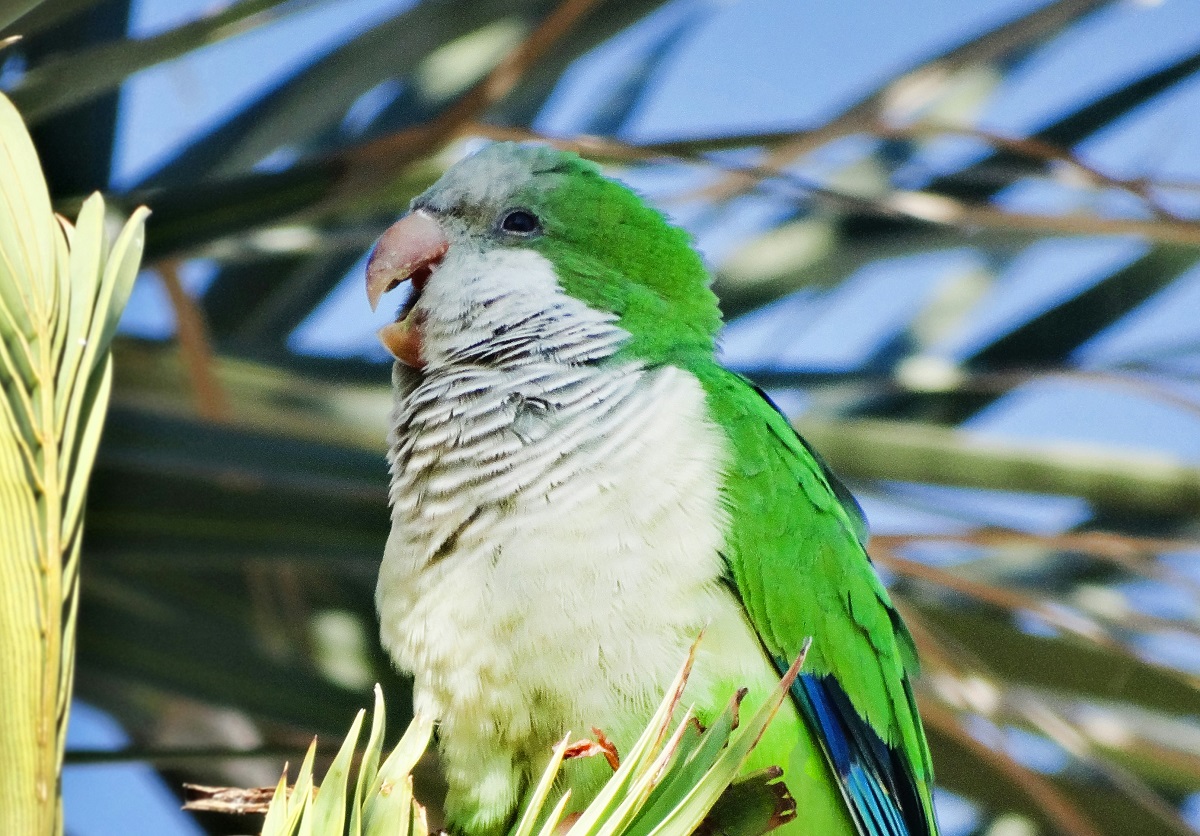
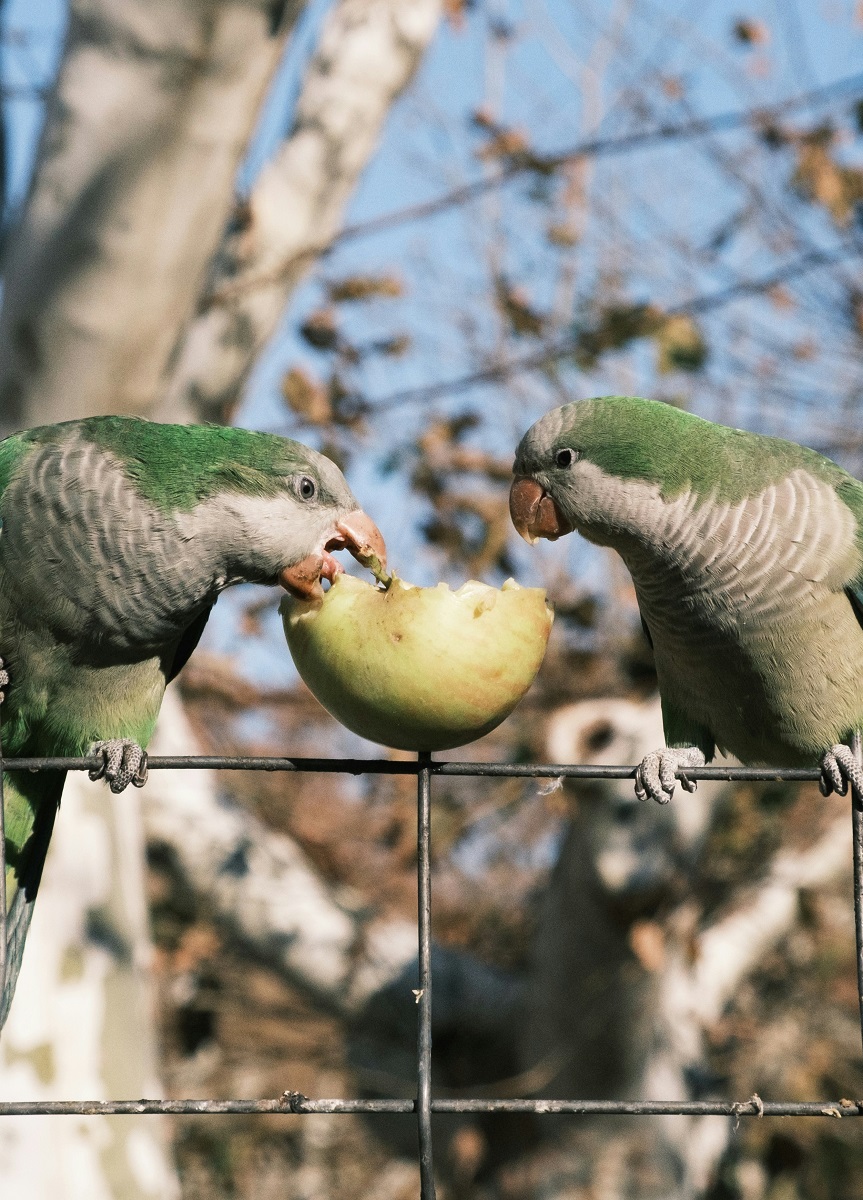
Averaging an adult size of up to 13 inches in length and weighing roughly 140 grams, the quaker parrot is a medium-sized psittacine characterized by its distinctive mossy green back, soft gray chest, blue flight feathers, and a pale, skin-colored beak. While sexual dimorphism is present—females are marginally smaller than males—visual identification of sex remains virtually impossible without professional DNA testing.
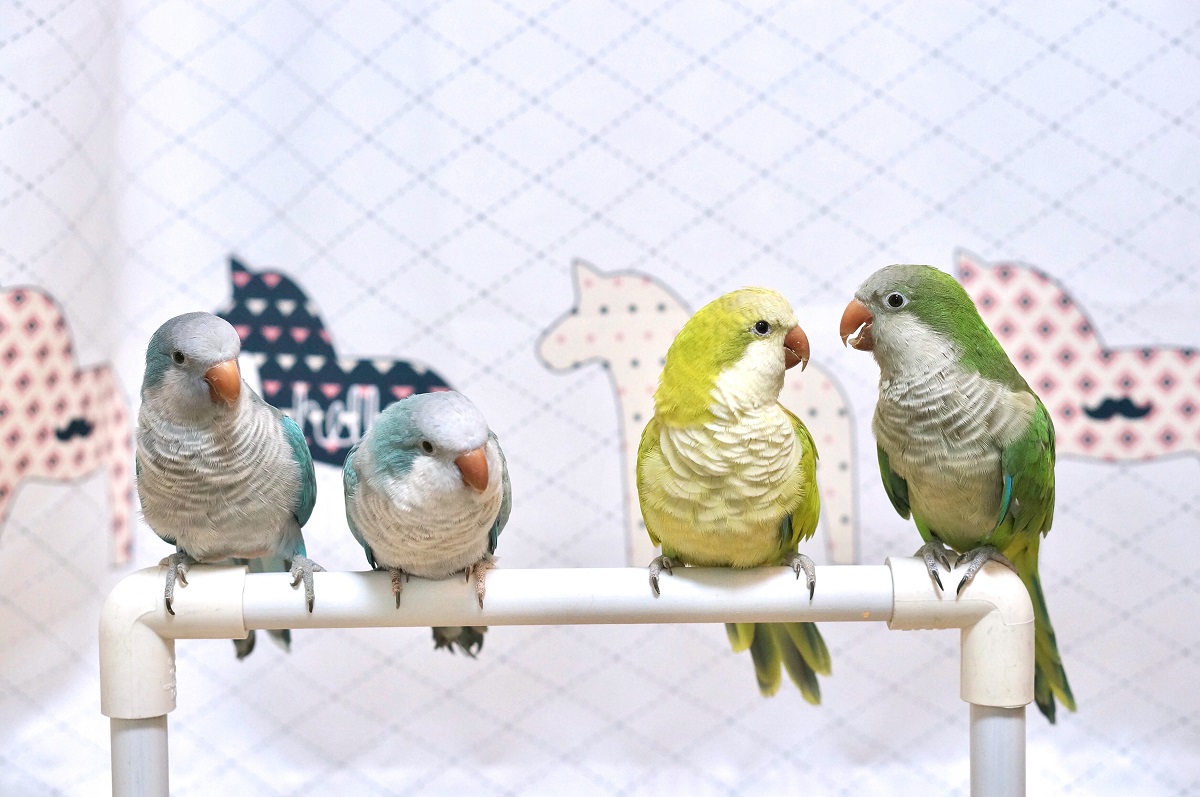
Over decades of aviculture and selective breeding, breeders have successfully introduced a wide array of color mutations, or morphs. Beyond the classic wild-type green, owners and enthusiasts can now acquire quaker parrots displaying striking blue, yellow, white, and gray plumage. Despite these aesthetic variations, the underlying behavioral traits and physiological needs of the species remain consistent across all color mutations.
Natural Habitat, Conservation Status, and Global Expansion
In its native South America, Myiopsitta monachus typically inhabits open wooded environments, palm forests, savannas, and urban parks at elevations generally remaining below 3,300 feet. According to the International Union for Conservation of Nature (IUCN) Red List, the quaker parrot is categorized as a species of Least Concern. Local populations often thrive amid anthropogenic landscape changes. The commercial expansion of eucalyptus plantations for paper pulp provides the parakeets with abundant nesting structures, while the continuous growth of agricultural acreage—particularly maize and grain farming—ensures a reliable, year-round food supply.
However, this ecological resilience has translated into severe invasive potential. Feral colonies have successfully established themselves in diverse international climates, ranging from major metropolitan areas in Spain, such as Madrid and Valencia, to numerous urban centers across the United States. Because these birds construct large, communal stick nests on utility poles and infrastructure, they frequently disrupt electrical grids. Consequently, several state and municipal jurisdictions have enacted strict regulatory bans regarding the ownership, transport, and breeding of quaker parrots to protect local agriculture and native wildlife from resource competition.
Avian Diet and Nutritional Requirements
Dietary management is a critical determinant of longevity and health for captive quaker parrots. In the wild, these opportunistic herbivores forage primarily on seeds, wild fruits, and cactus stems, occasionally supplementing their plant-based intake with insects and grubs. In agricultural zones, their preference for cultivated grains has historically branded them as primary crop pests.
For captive specimens, avian veterinarians strongly advise against traditional, seed-heavy diets, which are frequently linked to severe nutritional deficiencies, hepatic lipidosis, and shortened lifespans. Modern veterinary guidelines dictate that a healthy quaker parrot diet must be anchored by a high-quality, commercially formulated pellet feed designed to deliver a balanced profile of essential micronutrients and vitamins.
This foundational pellet diet should be consistently supplemented with fresh, organic vegetables, leafy greens, and limited quantities of low-sugar fruits. Additionally, access to an exogenous mineral block or cuttlebone is necessary to maintain proper calcium levels, alongside multiple stations of fresh, contaminant-free drinking water.
Housing, Complex Nesting Behaviors, and Environmental Enrichment
Providing adequate spatial accommodation is paramount for maintaining the physical and psychological well-being of a captive quaker parrot. Industry standards recommend a primary enclosure measuring a minimum of 30 inches in width. Because psittacines primarily utilize the upper horizontal planes of their enclosures, cage length and depth take precedence over vertical height. For owners unable to grant daily out-of-cage privileges spanning several hours, investment in a full-scale room aviary is strongly encouraged.
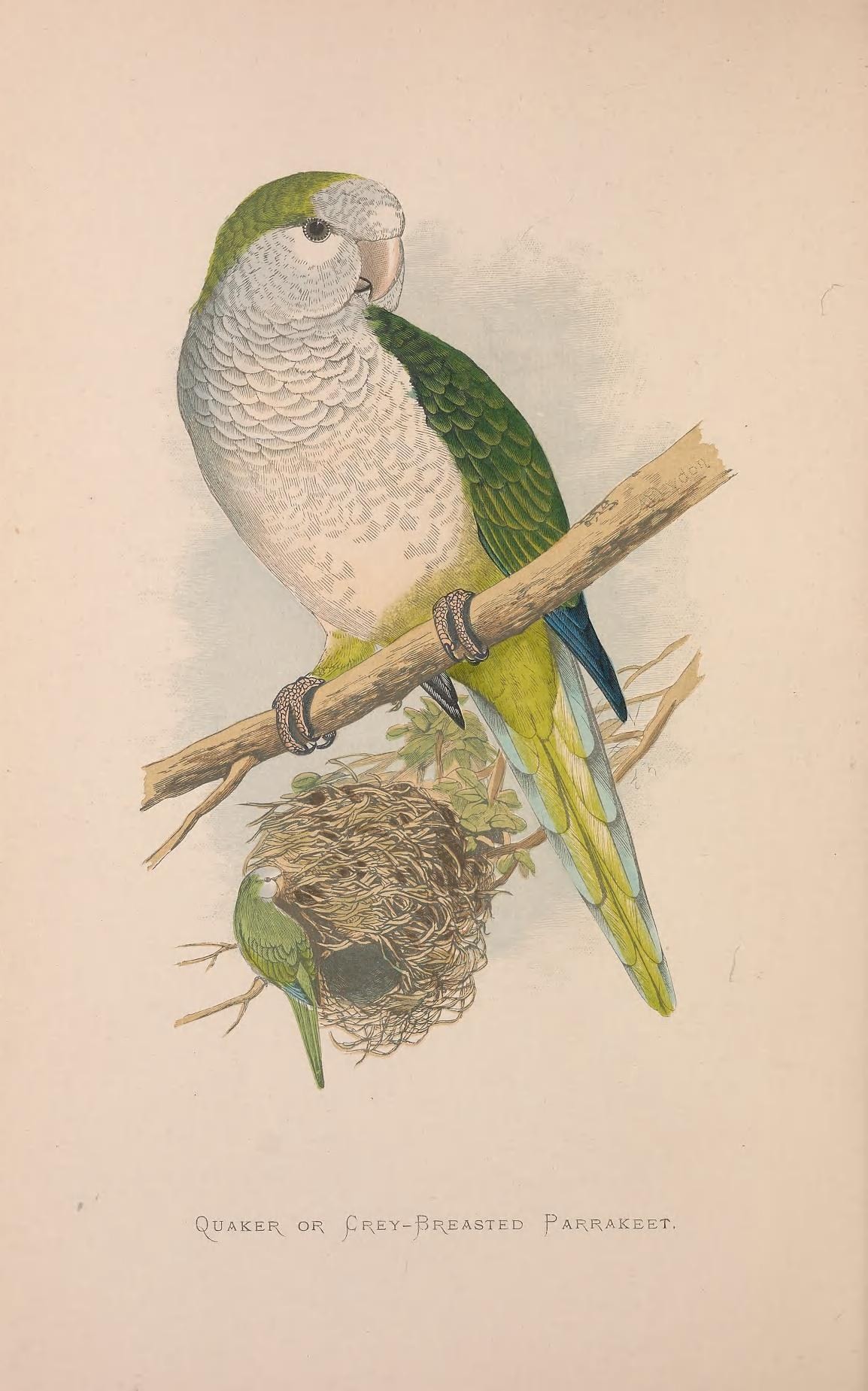
Enclosures should feature natural wood perches of varying diameters, durable mental and physical toys, and stable feeding stations. Notably, quakers retain an innate, highly active drive for architectural engineering. If provided with elongated materials such as small sticks, pens, or household debris, their biological instinct for nest-building is immediately triggered. While this complex nest construction can occasionally induce territorial and hormonal behaviors, it remains a fascinating window into the species’ sophisticated cognitive architecture.
Due to their exceptional intelligence, quakers are highly susceptible to boredom, which frequently manifests as chronic stress, excessive vocalization, or destructive behavioral patterns. Preventing psychological distress requires a dynamic enrichment program incorporating foraging puzzles, climbing structures, and rotated chew toys. Furthermore, daily out-of-cage interaction is mandatory to prevent isolation-induced depression. Any domestic space utilized for free-roaming must be rigorously "bird-proofed" to eliminate environmental hazards such as toxic houseplants, open flames, non-stick cookware fumes, and ceiling fans.
Temperament, Socialization, and Behavioral Dynamics
The psychological profile of the quaker parrot is defined by a bold, boisterous, and intensely social personality. When properly socialized from a young age, these birds exhibit a playful, clownish disposition that endears them to their human caretakers. However, their high emotional intelligence comes with distinct behavioral challenges.
Quakers are notoriously territorial regarding their personal enclosures. This protective instinct over their cage space can complicate routine maintenance tasks, such as food and water replacement. Additionally, while they frequently bond with entire households, they possess a strong propensity to select a single favored human, occasionally displaying aggressive or possessive tendencies toward other family members.
The common nomenclature of the "quaker" parrot does not stem from religious origins. Instead, it derives from a distinct physical behavior observed in juveniles: young birds habitually flap their wings and engage in a rhythmic body-shaking motion—commonly termed "quaking"—while begging adult birds for food.
Vocalizations and Speech Capabilities
While not positioned at the absolute apex of the psittacine volume spectrum, quaker parrots possess a medium-grade noise output capable of producing sharp, piercing flock calls, steady whistles, and ambient chirps. Prospective owners must evaluate their household tolerance for continuous vocal activity prior to acquisition.
Despite their moderate noise levels, quakers are celebrated within aviculture for their remarkable aptitude for human speech acquisition. When paired with consistent, repetitive auditory training, they frequently develop expansive vocabularies characterized by a distinct, high-pitched mechanical tone. Beyond verbal mimicry, content quakers are known to produce a soft "purring" sound and engage in rhythmic beak-grinding, both of which serve as classic behavioral indicators of relaxation and contentment.
Ultimately, the quaker parrot represents a long-term commitment—with a maximum lifespan reaching up to 30 years—requiring dedicated veterinary oversight, structured dietary management, and robust environmental enrichment to ensure a thriving, healthy life in human care.

