


The People for the Ethical Treatment of Animals (PETA) has officially inducted three prominent University of Washington (UW) neuroscientists—Greg Horwitz, Robi Soetedjo, and Jonathan Ting—into its institutional Hall of Shame. The designation brings renewed public scrutiny to the Washington National Primate Research Center (WANPRC) and highlights ongoing debates regarding the ethical standards, regulatory oversight, and scientific validity of invasive primate research funded by public grants.
According to public records obtained by animal advocacy organizations, the three researchers have spent decades performing invasive cranial surgeries on non-human primates. These procedures include drilling into the skulls of macaque monkeys, introducing viral vectors directly into neural tissue, applying physical restraints, and imposing strict food and water deprivation protocols to secure behavioral compliance during testing. The inclusion of Horwitz, Soetedjo, and Ting in PETA’s registry reflects a broader, sustained campaign by animal rights organizations targeting academic institutions that rely heavily on federal funding for animal experimentation.
Anatomy of the Research: Procedures and Methodology
The core of the controversy centers on the physiological and surgical techniques employed within the UW neuroscience department. Publicly available documentation and published academic literature indicate that the trio’s laboratories have utilized highly invasive methods to study visual processing, brain circuitry, and neural mechanics.
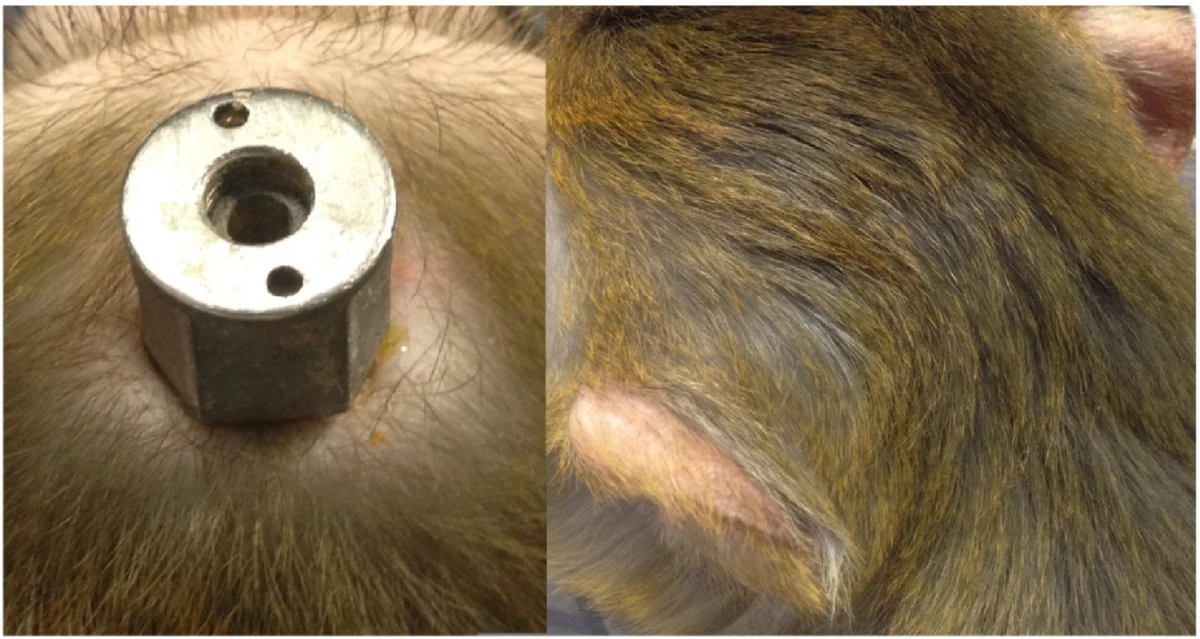
In experiments overseen by Horwitz and Ting, researchers regularly drill into the crania of macaque monkeys, affixing hardware such as metal headposts and recording chambers directly to the bone. Probes and electrodes are subsequently inserted into the brain parenchyma. Furthermore, both researchers have utilized viral injections intended to alter neural activity or introduce genetic modifications to study cellular responses to light and electrical stimulation.
Surgical complications are a documented component of these operations. Records indicate that animals frequently experience difficulties post-surgery, including chronic wound dehiscence—where surgical incisions fail to heal properly—as well as muscular tremors, motor deficits, depression-like behavioral symptoms, and significant localized swelling.
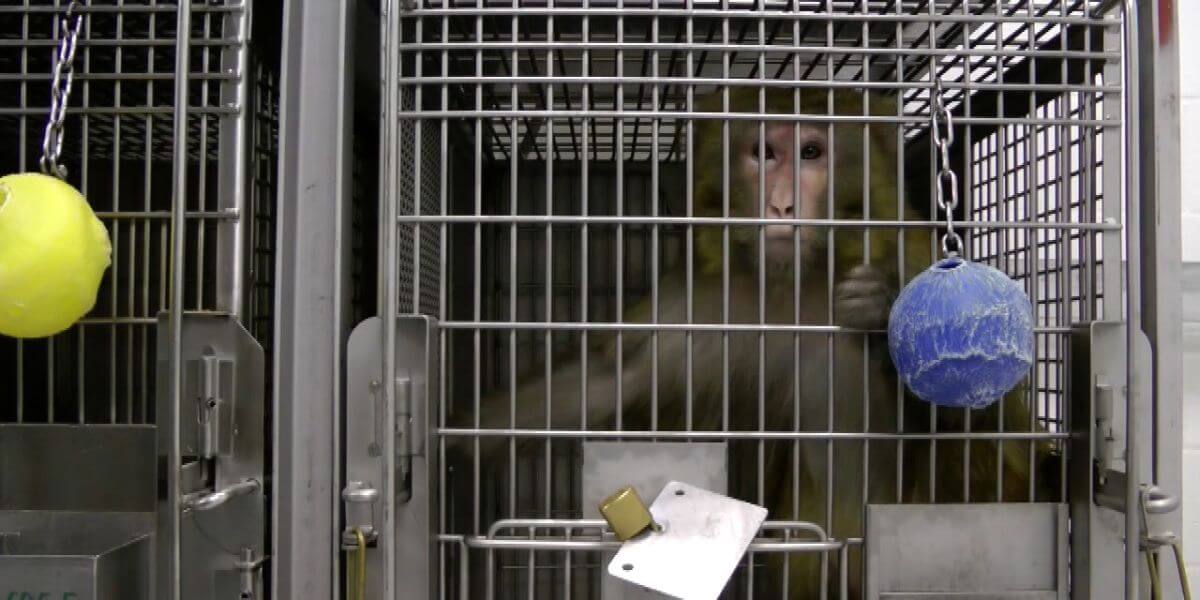
In addition to surgical interventions, behavioral paradigms often involve fluid or food regulation. By restricting access to water or sustenance, laboratories compel animals to perform repetitive cognitive or motor tasks, such as tracking visual stimuli on a screen, in exchange for drops of juice or water. While standard practice in many electrophysiology laboratories globally, these methods have faced increasing ethical challenges from veterinarians and animal welfare advocates who question the psychological and physical toll on the subjects.
Chronology of Oversight and Institutional Response
The timeline of scrutiny surrounding these specific laboratories spans several years, marked by internal committee reviews and public records disclosures:
- 2017: Robi Soetedjo and Greg Horwitz co-author a significant study detailing viral injections into primate brains and optogenetic activation techniques, establishing a multi-year collaborative trajectory utilizing these methodologies.
- 2020–2026: The three researchers collectively secure over $25 million in grant funding from the National Institutes of Health (NIH), continuing a series of long-term projects involving dozens of macaque subjects. During this window, records indicate that approximately 71 monkeys are subjected to advanced brain surgeries under their purview.
- Late 2025: Regulatory records and public disclosures reveal that an internal review by the university’s animal oversight committee briefly examines high complication rates within specific neuroscience protocols, placing certain practices under a temporary spotlight.
- September 2026: PETA formally announces the induction of Horwitz, Soetedjo, and Ting into its Hall of Shame, drawing public attention to institutional oversight mechanisms and publishing comprehensive data regarding surgical complication rates.
Data Analysis: Complication Rates and Methodology Concerns
A central point of contention in the recent PETA disclosures involves the statistical incidence of adverse health outcomes among the animal subjects. Data compiled from institutional records covering operations between 2020 and 2026 indicate that approximately 41% of the monkeys utilized in these specific neuroscience protocols experienced notable complications, categorized as severe injuries, infections, or unexpected deaths. Several animals required premature euthanasia due to deteriorating health, while others underwent secondary invasive procedures to correct unhealed surgical sites.
During institutional review proceedings, lead researcher Greg Horwitz reportedly acknowledged that his team’s complication rate exceeded averages observed at comparable research institutions, though specific causal factors were not comprehensively detailed in the meeting minutes. Oversight bodies ultimately elected not to pursue a formal, independent investigation into the disparity, a decision that has drawn sharp criticism from watchdog groups pointing to systemic gaps in self-regulation within academic research facilities.
Beyond surgical complications, critics have raised methodological concerns regarding the provenance of the animal subjects. Records suggest that some laboratories utilize animals categorized as "discounted" or recycled subjects—monkeys with prior medical histories, chronic health conditions, or established behavioral abnormalities, such as stereotypic over-grooming resulting from prolonged cage confinement. Animal welfare analysts argue that introducing pre-existing physiological or psychological variables into complex neural studies compromises the reproducibility and scientific validity of the research outcomes. Additionally, questions have been raised regarding the use of non-clinical-grade viral vectors in certain experimental phases, which outside observers suggest may contribute to adverse health events in test subjects.
Profiles of the Inductees
The newly inducted researchers represent long-standing tenures within the academic neuroscience community:
- Greg Horwitz: Serving as Chief of the Neuroscience Unit at the primate center, Horwitz has conducted primate research for nearly three decades. His career is characterized by extensive electrophysiological studies involving cranial implants and visual cortex mapping.
- Robi Soetedjo: With over twenty years of experience in primate experimentation, Soetedjo’s published work focuses on motor control, neural pathways, and viral-mediated genetic modifications of brain cells.
- Jonathan Ting: Operating across both murine (mouse) and primate models, Ting’s work includes advanced tissue harvesting techniques and cranial window installations designed to facilitate repeated microscopic and electrophysiological observation of neural tissue. His rodent methodologies involve terminal procedures designed to extract fresh brain slices for cellular analysis.
Broader Implications for Primate Research
The public designation of the UW researchers underscores a broader national debate over the future of non-human primate research in the United States. Primate centers like WANPRC play a dual role as major recipients of federal biomedical research dollars and focal points for animal welfare advocacy.
Proponents of animal models argue that non-human primates share critical physiological, anatomical, and cognitive similarities with humans, making them irreplaceable models for understanding complex neurological disorders, visual processing, and neurodegenerative diseases. Academic institutions maintain that strict adherence to federal guidelines, veterinary oversight, and ethical review boards ensures the humane treatment of animals while pursuing vital medical discoveries.
Conversely, critics and animal protection organizations contend that advances in computational modeling, in vitro human tissue cultures, functional neuroimaging, and organoid technologies diminish the scientific necessity of animal models. They argue that institutional oversight committees often function as rubber-stamp bodies rather than rigorous regulatory entities, failing to curb high complication rates or question the translational value of decades-old experimental paradigms.
As public pressure mounts and transparency advocates utilize freedom of information laws to expose internal laboratory metrics, institutions like the University of Washington face increasing pressure to justify the ethical and scientific trade-offs inherent in primate experimentation. While the NIH continues to fund projects deemed critical to national health priorities, the reputational and operational challenges faced by researchers inside facilities like WANPRC signal an increasingly contentious operating environment for academic animal research.

