



The transition of domestic rats into a new home environment marks a critical period that dictates the long-term health, social development, and behavioral success of the animals. Whether adopting from a rescue organization or acquiring from a breeder, the initial days following the relocation of these social, intelligent rodents require a structured, informed approach to mitigate stress and foster trust. Domestic rats—descendants of Rattus norvegicus—are highly communal creatures, necessitating that they be kept in pairs or small groups to satisfy their complex social needs.
Establishing the Initial Environment
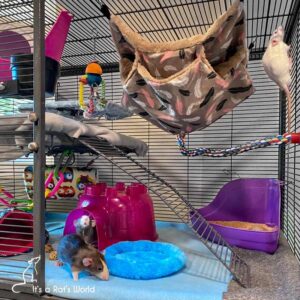
The immediate arrival of pet rats requires the pre-existence of a fully equipped habitat. Experts emphasize that the cage must be prepared before the animals are introduced to the premises to minimize the time spent in travel containers. A standard, high-quality enclosure should provide adequate ventilation, multiple levels for exploration, and secure hiding spots that allow the rats to retreat when feeling overwhelmed.

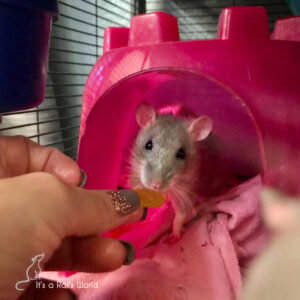
Chronologically, the first 24 hours are classified as the "Decompression Phase." Upon arrival, the animals should be placed directly into their permanent, pre-assembled habitat. While owners may feel an urge to engage in immediate physical interaction, ethologists suggest that allowing the rats to acclimate to the ambient sounds, smells, and sensory inputs of their new environment is paramount. Providing a consistent, calm presence—such as speaking softly near the cage or offering treats—serves as an initial bridge for communication without imposing physical stress on the animals.
Behavioral Expectations and Socialization
Data from animal behaviorists indicate that the temperament of pet rats varies significantly, influenced by their genetics and prior socialization. While some individuals may exhibit curiosity, others may display "neophobia"—a fear of new things—manifesting as hiding or rapid, erratic movement. Contrary to common misconceptions among novice owners, a timid rat does not require a "hands-off" approach.
Professional guidance suggests that socialization should begin on the first day. This does not necessarily entail direct handling, but rather "passive interaction." By sitting near the cage and allowing the rats to approach at their own pace, the owner establishes a non-threatening hierarchy. Consistency is the primary driver of successful bonding; daily, scheduled sessions of out-of-cage exploration in a secure, designated play area are recommended to reinforce the human-rat bond.
Nutritional Requirements and Metabolic Management
Domestic rats possess exceptionally high metabolic rates, which directly influences their dietary needs. Nutritional guidelines established by veterinary experts suggest a split-feeding schedule. Providing the daily caloric allotment in two portions—breakfast and dinner—prevents overconsumption while ensuring the animals receive adequate nutrition throughout their active periods.
A balanced diet should incorporate a high-quality, lab-block staple, supplemented by fresh produce such as leafy greens, carrots, and occasional proteins like cooked eggs or lean meats. It is critical to note that certain environmental factors can interfere with feeding behavior; for instance, the presence of strong chemical odors, such as nail polish remover or household cleaners, can negatively impact a rat’s sensitive olfactory system, causing them to reject food or exhibit signs of distress.
Preventive Health and Veterinary Oversight
The health trajectory of a new pet rat is often dictated by its source. Rats adopted from reputable rescues typically arrive with a clean bill of health and a history of quarantine. However, animals acquired through pet stores or non-vetted breeders may carry underlying respiratory issues, such as Mycoplasma pulmonis, which can be exacerbated by the stress of relocation.
Veterinary professionals recommend a proactive health strategy:
- Initial Assessment: If the animal’s source is unknown or considered high-risk, a baseline veterinary examination within the first week is advisable.
- Symptom Monitoring: Owners must be vigilant for signs of respiratory distress, including audible clicking, wheezing, or persistent sneezing.
- Financial Planning: Given that rats are considered "exotic" pets, their medical care often requires specialized practitioners. Establishing a dedicated emergency fund is considered a standard best practice in responsible husbandry.
Hygiene and Habitat Maintenance
The maintenance of a rat’s habitat is a significant factor in preventing chronic health issues, particularly respiratory infections caused by ammonia buildup from urine. A rigorous cleaning schedule is essential.
- Daily Spot Cleaning: Removal of soiled bedding and waste in high-traffic areas prevents the accumulation of odors and bacteria.
- Weekly Deep Cleaning: A comprehensive sanitization of the cage, including hammocks, plastic platforms, and accessories, is required to maintain a hygienic environment.
- Environmental Placement: The cage should be situated in a location with stable temperatures and good airflow, away from direct sunlight or drafts. Failure to maintain these conditions can lead to rapid degradation of the rats’ health.
Addressing Behavioral Myths
New owners frequently misinterpret common rat behaviors as aggression. A frequently cited example is the "sock-biting" phenomenon, where rats may nip at the fabric of an owner’s socks. Behavioral analysis suggests this is often a form of play or a reaction to the texture of the fabric, rather than an attempt to cause injury. Recognizing these nuances is essential for fostering a positive relationship. If an owner reacts with fear, the rat may sense the tension, which can inadvertently hinder the trust-building process.

Broader Implications for Animal Welfare
The decision to bring pet rats into a home carries long-term responsibilities that extend beyond basic survival. The social complexity of rats means that the quality of their environment—both physical and social—is directly proportional to their lifespan and psychological well-being.
Research into human-animal bonds consistently shows that consistent, positive reinforcement during the early stages of ownership results in more confident, well-adjusted pets. By prioritizing patience, education, and professional veterinary guidance, owners can ensure a successful transition. As these animals are highly intelligent, the commitment to their care is not merely a task of feeding and cleaning, but a long-term engagement in providing an enriched, stimulating, and safe existence. Through the application of these standardized care practices, owners can effectively mitigate the risks associated with early-stage pet ownership and cultivate a rewarding, long-term bond with their companions.

