


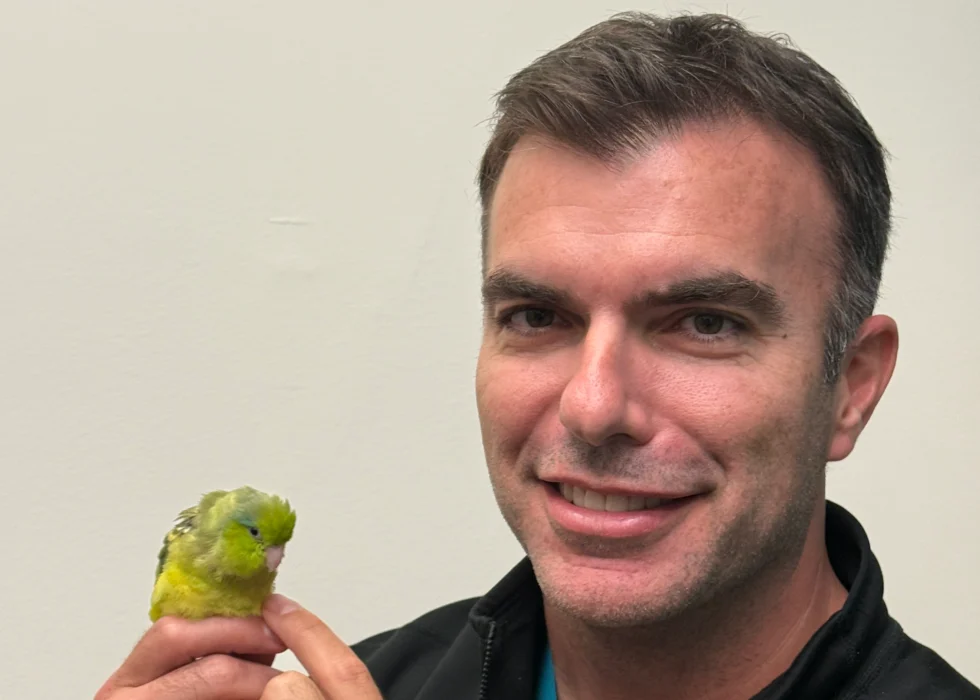
The veterinary community recently celebrated a significant milestone in avian medicine with the announcement of Dr. David Sanchez-Migallon Guzman as the 2026 T.J. Lafeber Avian Practitioner of the Year. This prestigious honor, conferred during the Plenary Session of the 47th Annual Conference of the Association of Avian Veterinarians (AAV), recognizes excellence in clinical care, research, and the advancement of welfare for companion birds. Dr. Guzman, who currently serves as a Professor of clinical zoological companion animal medicine and surgery at the University of California, Davis, stands at the forefront of a specialized medical field that has evolved rapidly over the past several decades.
A Career Defined by Zoological Excellence
Dr. David Sanchez-Migallon Guzman brings an extensive academic and clinical background to his role at UC Davis. He holds the credentials of LV, MS, DECZM (Avian, Small Mammal), and DACZM, signifying his board certification in both European and American colleges of zoological medicine. Beyond his instructional duties, he serves as the service chief of Companion Exotic Animal Medicine and Surgery and holds the prestigious Messmer Family Presidential Chair. Furthermore, his leadership as the director of the Richard M. Schubot Parrot Wellness and Welfare Program underscores his commitment to improving the long-term health outcomes of captive avian species through evidence-based research.
His work focuses on the intersection of advanced surgical techniques and preventative wellness, ensuring that companion birds receive care comparable to that of traditional mammalian pets. By integrating clinical practice with rigorous academic inquiry, Dr. Guzman has contributed to a paradigm shift in how veterinarians approach the unique physiological challenges of avian patients.
The Legacy of the T.J. Lafeber Award
The T.J. Lafeber Avian Practitioner of the Year Award serves as a bridge between the historical roots of avian medicine and its modern, highly specialized future. The award is named after Dr. T.J. Lafeber, a pioneer who transformed the landscape of bird care during an era when few resources existed for non-traditional pets. Dr. Lafeber was instrumental in formalizing the field by developing specialized diagnostic techniques and, perhaps most crucially, formulating nutritionally balanced diets that addressed the common deficiencies plaguing captive birds.
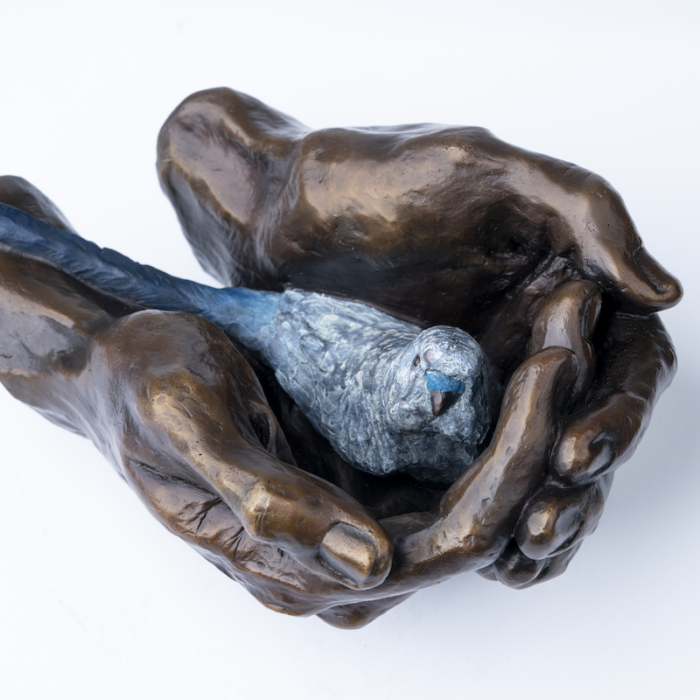
The award is symbolized by the "Caring Hands" statue, a bronze casting of Dr. Lafeber’s own hands cradling a budgerigar—a testament to his philosophy that the human-animal bond is the cornerstone of veterinary practice. Since the award’s inception, it has been given to individuals who mirror Dr. Lafeber’s enthusiasm for teaching and his commitment to the welfare of avian patients. The selection process is deliberately rigorous and entirely independent, ensuring that the recipient is chosen by peers rather than by the Lafeber Company itself. The 2026 selection committee, chaired by Dr. Yvonne R.A. van Zeeland, conducted an extensive vetting process to narrow a global field of nominees down to three finalists, ultimately selecting Dr. Guzman for his profound influence on the discipline.
The Evolution of Avian Medicine: A Brief Chronology
The recognition of Dr. Guzman comes at a pivotal time for veterinary medicine. Over the last forty years, the field has undergone a significant transformation:
- 1970s–1980s: Avian medicine began as a niche interest. Most practitioners relied on generalized techniques borrowed from small animal medicine, often with varying degrees of success.
- 1990s: The establishment of formal board certification and organizations like the AAV provided a framework for standardizing care, diagnostic imaging, and anesthesia for birds.
- 2000s: The rise of specialized wellness programs and the proliferation of avian-specific research articles improved the baseline knowledge of avian pathology.
- 2010s–Present: Advanced surgical interventions, such as endoscopy and specialized imaging, have become common practice in academic settings like UC Davis, leading to higher success rates in treating complex conditions.
Dr. Guzman’s career trajectory is reflective of this timeline. By moving from general practice into high-level research and teaching, he has been part of a generation that has solidified avian medicine as a legitimate and essential pillar of veterinary science.
Supporting Data and Industry Impact
The necessity for specialized care for avian species is underscored by current pet ownership data. In many regions, birds represent a significant portion of "exotic" pet households. However, these animals often suffer from health issues linked to improper husbandry, diet, and a lack of early diagnostic intervention.
According to veterinary industry reports, the demand for board-certified avian specialists has increased by approximately 20% over the last decade. This surge in demand is driven by a shift in consumer behavior; pet owners are increasingly treating their birds as primary companions rather than ornamental animals. Consequently, the work performed by professionals like Dr. Guzman at institutions like the Richard M. Schubot Parrot Wellness and Welfare Program is vital. Their research into nutritional science, disease transmission, and behavior provides the baseline data that general practitioners rely on to improve survival rates in everyday clinics.
Peer Recognition and Selection Process
The integrity of the T.J. Lafeber award rests on its peer-reviewed selection process. By maintaining an independent committee of AAV members, the award avoids the pitfalls of commercial bias. Dr. Yvonne R.A. van Zeeland, who led the 2026 committee, noted that the competition was particularly fierce this year, given the high caliber of research being produced by global nominees.
Peer recognition is considered the highest honor in the veterinary field. It suggests that Dr. Guzman’s methods have not only been successful in his own clinic but have been adopted and replicated by colleagues across the globe. His ability to distill complex medical data into actionable advice for other veterinarians has made him a mentor to many, reinforcing the spirit of knowledge-sharing that Dr. T.J. Lafeber initially fostered.

Broader Implications for the Field
The selection of Dr. Guzman signals an industry-wide focus on "Companion Exotic Animal Medicine." As the field matures, the distinction between "exotic" and "traditional" is blurring. The standard of care once reserved for dogs and cats is now expected for avian species, including advanced cancer treatments, specialized orthopedic surgeries, and comprehensive diagnostic testing.
Furthermore, the emphasis on welfare—a core component of the Schubot Program’s mission—highlights a broader ethical shift in the veterinary industry. It is no longer enough to simply treat symptoms; the modern practitioner must address the psychological and environmental needs of the bird. By winning this award, Dr. Guzman validates the importance of this holistic approach, encouraging further investment in behavioral and welfare research.
Future Outlook
As we look toward the future, the influence of practitioners like Dr. Guzman will likely be felt in the classroom and the clinic alike. With the next generation of veterinary students increasingly showing interest in non-traditional species, the mentorship provided by established experts is critical. The T.J. Lafeber Avian Practitioner of the Year Award serves as a catalyst, encouraging these experts to continue pushing the boundaries of what is possible in the operating room and the laboratory.
The 2026 award ceremony in the presence of the AAV membership served as a reminder that while the technology and medicine have evolved, the core mission remains the same: the preservation of the bond between humans and their avian companions. As Dr. Guzman continues his work at UC Davis, the industry anticipates further advancements in avian medicine, driven by the same spirit of inquiry and dedication that has defined his illustrious career to date. The award is not merely a reflection of past achievements but a beacon for the future direction of avian health.

