


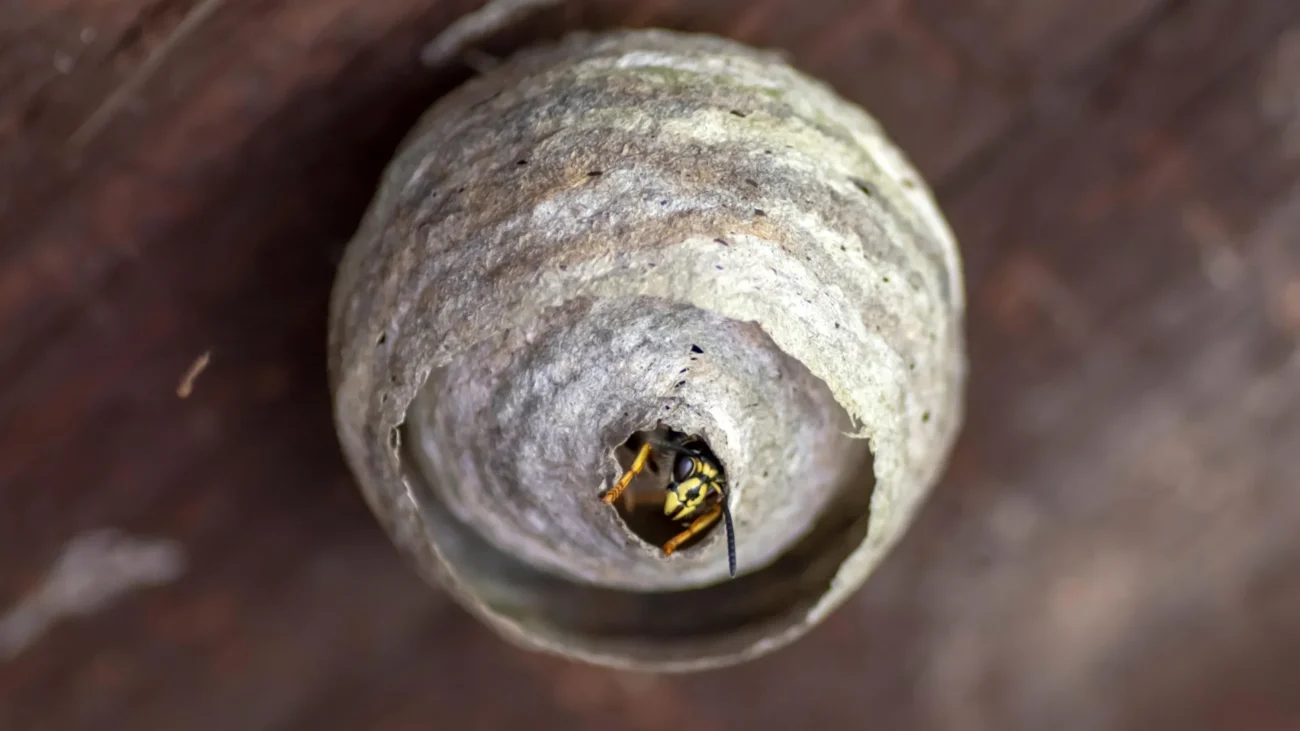
Summer in the temperate zones of the Northern Hemisphere traditionally arrives with a familiar soundtrack and an inevitable uninvited guest. As outdoor festivals, sun-drenched parks, and backyard barbecues become the centerpiece of seasonal leisure, the common social wasp invariably makes its presence known. To millions of holidaymakers, these striped insects are an exasperating hazard of al fresco dining. Yet, as the summer of 2026 progresses, a strange and unprecedented phenomenon has gripped entomologists and pest control professionals alike: the wasps are largely missing.
For the general public, a wasp-free picnic might initially sound like a welcome relief. However, for biologists, ecologists, and agricultural sectors, this sudden and stark scarcity has triggered alarm bells. Far from being mere nuisances, social wasps occupy a critical niche in local ecosystems, acting as diligent apex predators of garden pests, efficient pollinators, and vital decomposers. The baffling absence of these insects during a peak seasonal window has transformed from an anecdotal observation into a pressing scientific mystery, forcing researchers to re-examine how extreme weather and accelerating climate change are reshaping insect populations in real-time.
The Anomaly of Summer 2026
The first indications of this ecological shift emerged not from controlled laboratory settings, but from the practical frustrations of fieldwork. Wasp biologists attempting to source subjects for behavioral and physiological experiments found themselves coming up empty-handed. Where researchers previously had to exercise caution around dense nests and foraging swarms, they now faced quiet traps and deserted study sites.
This scarcity was soon mirrored across the commercial pest control industry. Professional exterminators, who typically experience an overwhelming surge of callouts during the height of summer to neutralize nuisance nests near homes and commercial properties, reported a remarkably docile season. In stark contrast to the previous year—when a similarly warm spring and hot summer saturated media outlets with sensationalist headlines warning of "plagues of wasps"—the summer of 2026 has been marked by an eerie quietude.
While formal population datasets from structured national monitoring initiatives, such as the Big Wasp Survey, require months of processing before definitive conclusions can be drawn, the preliminary indicators point toward a dramatic contraction in wasp numbers. If comprehensive data ultimately validates these ground-level observations, the implications for ecological stability could prove severe.
A Chronology of Climate Stress: Spring to Summer 2026
To understand how the wasp population arrived at this precarious juncture, researchers have mapped out the meteorological timeline of 2026, which proved disastrously volatile for social insect development.
The year began with a deceptively promising trajectory. During the early spring, unseasonably warm and dry conditions coaxed an abundance of foundresses—newly mated queens that survived winter hibernation—out of their dormant states. These queens emerged eager to establish colonies, embarking on a solitary and high-stakes period of nest building, foraging, egg laying, and early brood rearing. Under normal circumstances, a warm spring serves as an ideal catalyst, supplying an early abundance of nectar for the queen and thriving insect prey populations necessary to nourish her first generation of larvae.
However, the climate pattern quickly fractured. The initial warmth gave way to an erratic cycle of unprecedented, unseasonal heat spikes, abruptly punctuated by sharp drops in temperature, cold damp days, and unexpectedly chilly nights. This severe meteorological whiplash created a hostile environment for solitary queens. Unable to maintain stable microclimates within their nascent, paper-thin nests, many queens were forced to abandon their colonies or perished from thermal and nutritional stress. This attrition drastically thinned the initial spring population of queens long before they could transition into the safety of a self-sustaining colony powered by adult worker wasps.
The Thermal Threshold and the Impact of Heatwaves
As spring bled into summer, the situation worsened. The arrival of successive, intense heatwaves pushed local environments past historical climate norms. While certain insect orders, such as butterflies, occasionally thrive under such conditions—prompting wildlife charities like Butterfly Conservation to optimistically project bumper numbers due to uninterrupted foraging and mating opportunities—social wasps faced a much narrower margin of thermal safety.

All ectothermic insects possess a critical thermal maximum, scientifically referred to as CTmax. When ambient or surface temperatures exceed this physiological limit, insects rapidly succumb to severe desiccation, debilitating muscle spasms, and eventual stupor or mortality. While honeybees boast a thermal tolerance threshold hovering around 49°C, and are capable of dynamic hive-cooling behaviors, ground surface temperatures across the UK regularly breached the 50°C mark during the peak heatwaves of 2026.
Wasps are widely recognized as remarkably resilient organisms, possessing sophisticated thermoregulatory mechanisms—such as rhythmic wing-fanning to circulate air over larvae—and complex, insulating nest architecture. Furthermore, their exoskeletons are coated with specialized waxy molecules known as cuticular hydrocarbons, which can structurally adapt to mitigate water loss in high temperatures. Yet, empirical estimates place the critical thermal maximum for common social wasps at approximately 45°C. The extreme ground-level heat experienced during the 2026 heatwaves frequently surpassed this threshold, rendering their physiological defenses insufficient and driving localized die-offs.
A Generation of Shrunken Workers
Beyond the numerical decline in population size, field researchers have identified another disturbing morphological anomaly: the few adult wasps that have successfully emerged are noticeably undersized.
In entomology, the ultimate physical size of an adult social insect is rigidly determined during its larval developmental stages, governed entirely by the quality and quantity of nutrition provided by the colony. Under normal seasonal progression, the first wave of spring workers is characteristically small because a single queen can only forage so much food on her own. However, by the arrival of August, a mature colony’s foraging capacity expands exponentially, ensuring that developing larvae are heavily provisioned and subsequent generations emerge as robust, fully sized adults.
The persistence of "spring-sized" miniature wasps deep into the summer of 2026 suggests two primary compounding stressors. First, the widespread decline in prey populations due to environmental heat stress severely restricted the availability of protein-rich nutrition needed to grow large larvae. Second, laboratory studies have repeatedly demonstrated that insect larvae reared under elevated ambient temperatures experience accelerated metabolic rates, causing them to enter pupation prematurely at a fraction of their normal size. This real-time observation aligns with broader historical trends indicating that global warming has driven a gradual reduction in the average body size of social wasps over the past century.
Wider Ecological Implications
The potential collapse or contraction of social wasp populations carries profound consequences for broader environmental health. Wasps are primary apex predators within the invertebrate world, consuming millions of agricultural pests, including aphids, caterpillars, and flies, which would otherwise devastate crop yields and garden flora. By keeping herbivorous insect populations in check, wasps provide a natural pest-control service that reduces reliance on chemical pesticides.
Furthermore, as adult wasps feed primarily on sugary nectar to fuel their high-energy flight, they inadvertently transfer pollen between plants, contributing significantly to pollination networks, particularly for flora neglected by bees. Finally, as detritivores and prey for larger animals such as birds and badgers, they form a crucial link in local food webs. The localized absence or stunting of these insects threatens to create cascading ecological imbalances that scientists are only beginning to quantify.
Public Engagement and Scientific Response
As researchers race to quantify the full scope of the 2026 anomaly, scientific institutions are turning to citizen science to bridge the data gap. Biologists emphasize that public perception of wasps must shift from instinctive antagonism to attentive observation, particularly during periods of environmental crisis.
Entomology teams are encouraging members of the public to alter their approach to al fresco dining. Rather than instinctively swatting away an approaching wasp at a picnic, observers are urged to consider the insect’s underlying motivation. Stripped of natural foraging grounds and plagued by withered flora, a wasp approaching a picnic plate is frequently desperate for protein—such as sandwich meat—to feed starving larvae, or simple sugars for its own survival.
To transform these casual encounters into actionable scientific research, specialized monitoring platforms have been established. Initiatives such as the Wasp Picnic Survey 2026 invite members of the public to photograph foraging wasps and submit standardized behavioral data online. By harnessing crowdsourced observations from backyards, parks, and balconies across the country, researchers hope to map the survival strategies of surviving colonies and better understand how these resilient, yet increasingly vulnerable, insects are weathering an era of intensifying climate extremes.

