


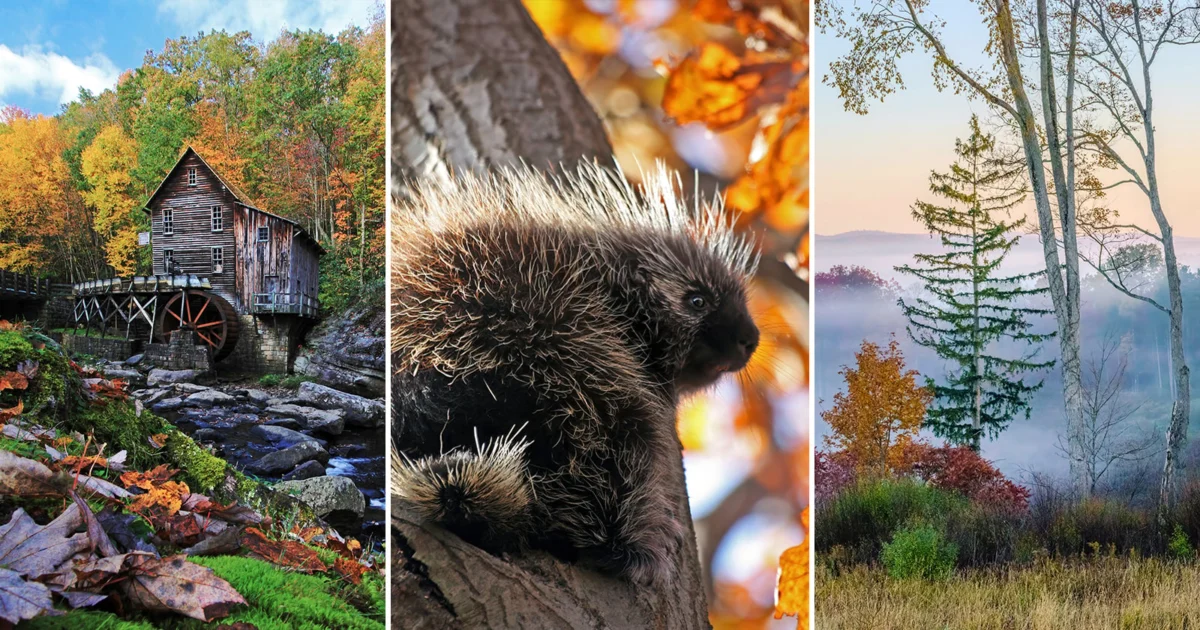
The fleeting window of autumn foliage represents one of the most significant annual events for landscape and nature photographers, particularly across the Northeastern United States and parts of Canada. Over the past two decades, professional photographer Kate Garibaldi has refined a methodology for navigating this intense, short-lived season, moving away from the common pitfall of redundant imagery toward a structured, intentional approach that ensures portfolio diversity. Her experience highlights a fundamental shift in how artists can engage with seasonal phenomena to maximize both creative output and technical success.
The autumn season, characterized by the senescence of chlorophyll and the emergence of carotenoids and anthocyanins in deciduous leaves, typically spans a duration of only three to six weeks depending on geographic latitude and altitude. This narrow timeframe creates significant pressure for outdoor photographers, who often face the challenge of unpredictable weather, varying light conditions, and the logistical difficulty of timing travel with peak color. Historical data from forestry services suggests that the "peak" of autumn color is increasingly susceptible to climate fluctuations, with warmer autumns often delaying the vibrancy of the leaves, thereby compressing the window for photography even further.
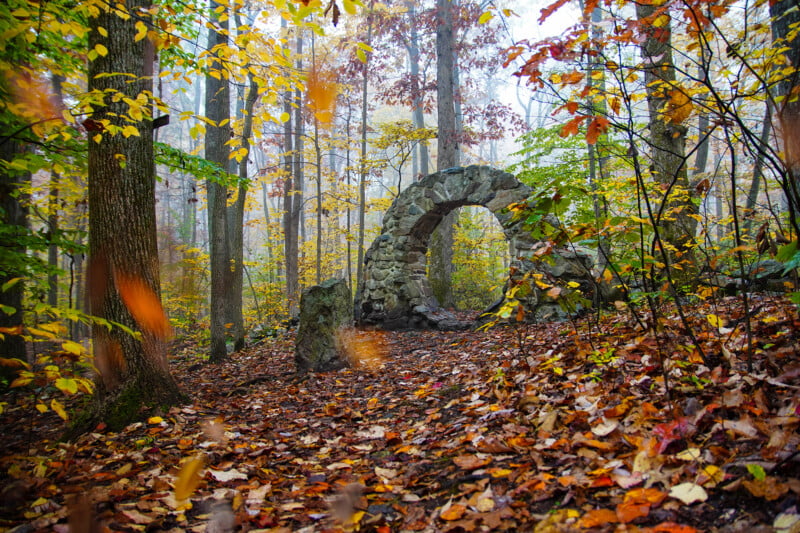
To address these environmental variables, Garibaldi advocates for the implementation of a comprehensive "shot list" strategy. Rather than arriving at a location with the singular goal of capturing an iconic vista, she argues for a preemptive planning phase that categorizes potential subjects into distinct types. This includes macro-level studies of leaf texture, fungal growth, and moss; mid-range compositions featuring architectural elements such as historic barns or covered bridges; and long-exposure captures of riparian zones and waterfalls. By diversifying the subjects, photographers can insulate their portfolios against the disappointment of failing to catch a perfect sunset at a primary, crowded overlook.
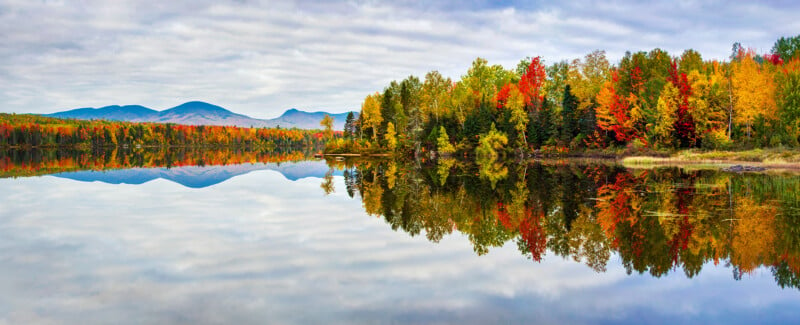
The transition from capturing "snapshots" to creating a cohesive body of work requires a deliberate approach to equipment management. Professional practice dictates that the choice of lens is not merely a technical preference but a tool for visual interpretation. By alternating between wide-angle lenses for sweeping panoramic landscapes and telephoto lenses for compression—a technique that visually pulls distant mountain ridges closer together—photographers can extract multiple compositions from a single geographic coordinate. This method effectively counters the "tourist trap" phenomenon, where photographers focus exclusively on the most recognizable, widely photographed viewpoint of a region.
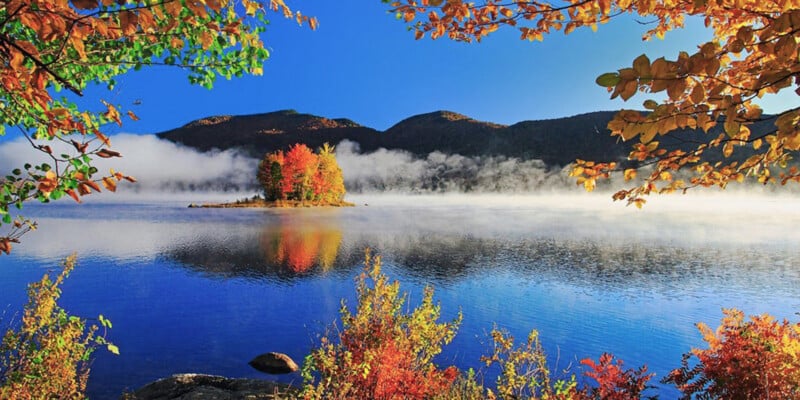
Statistical analysis of seasonal photography output indicates that photographers who utilize varied focal lengths and subject categories report a significantly higher rate of "keepers"—images that meet professional publication standards—than those who focus on a single style of landscape. Furthermore, the inclusion of human-made structures or wildlife within a natural setting provides a sense of scale and narrative, preventing the foliage from becoming the sole, and potentially overwhelming, subject of the frame.
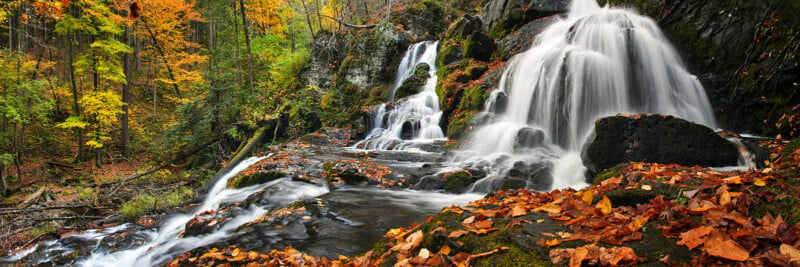
Weather patterns play a decisive role in determining the efficacy of a particular shot list. Meteorological data and regional forecasting should inform the photographer’s daily schedule. Overcast, diffuse light conditions are objectively superior for forest interiors, macro photography of the forest floor, and long-exposure water photography, as the lack of harsh shadows prevents the "blown-out" highlights that often plague high-contrast images. Conversely, the "golden hour"—the brief window following sunrise or preceding sunset—remains the gold standard for wide, panoramic vistas. By aligning the daily agenda with the atmospheric conditions, photographers can optimize their time in the field.
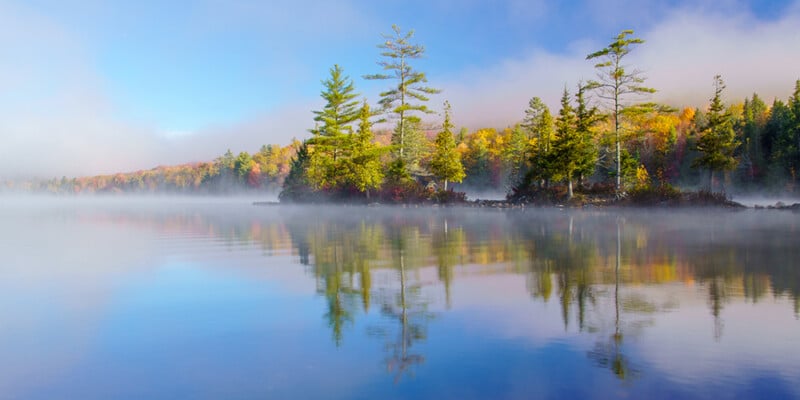
The logistical implications of such planning are profound. For those managing a multi-week trip, the ability to pivot based on weather is crucial. For instance, if a weather front moves into a region, the photographer should logically transition from mountain overlooks to sheltered, water-based, or macro-oriented locations. This adaptability allows for continuous progress toward one’s creative goals despite adverse conditions.
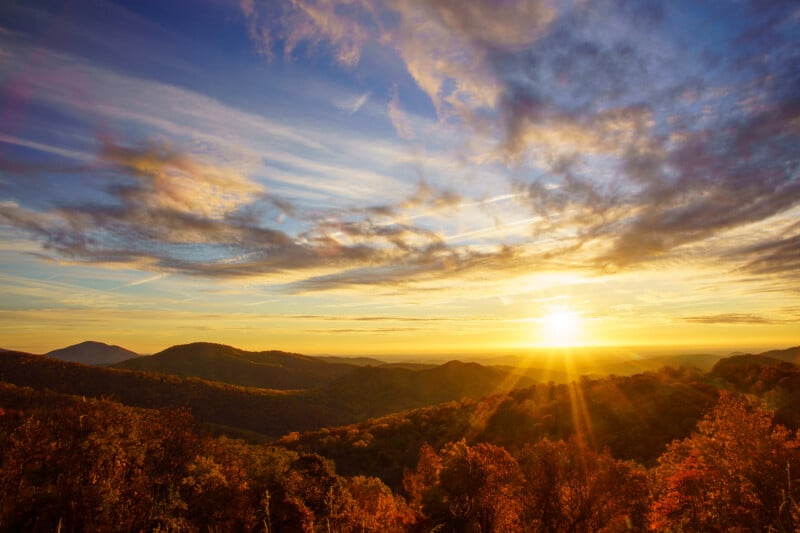
Beyond technical proficiency, the philosophy of intentional photography emphasizes the importance of patience and observational time. Garibaldi’s approach suggests that the act of "settling in" to a location is often the catalyst for superior composition. Once a photographer has secured the baseline imagery of a landmark, the extra time spent exploring the periphery—looking for leading lines in the riverbed, examining the interplay of light on mossy stone, or waiting for wildlife to enter the frame—often yields the most unique results. This process of exploration transforms a location from a static background into a dynamic, multi-layered subject.
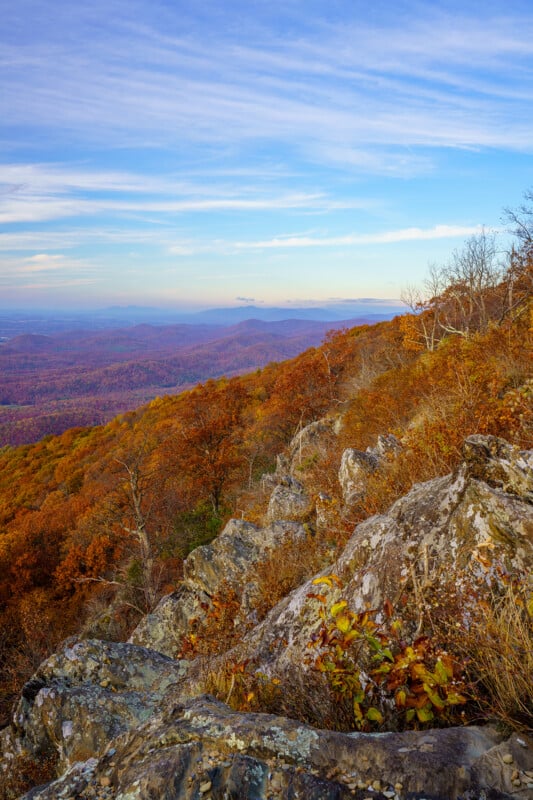
The professional consensus among nature photographers is that the most successful autumn portfolios are those that capture the "story" of the season, rather than just the color. This involves an understanding of the ecology of the region, the timing of the transition, and the ability to interpret these elements through a distinct personal lens. The integration of structural, natural, and micro-elements creates a narrative arc that represents the transition of the landscape more effectively than any singular, wide-angle capture of a valley could.
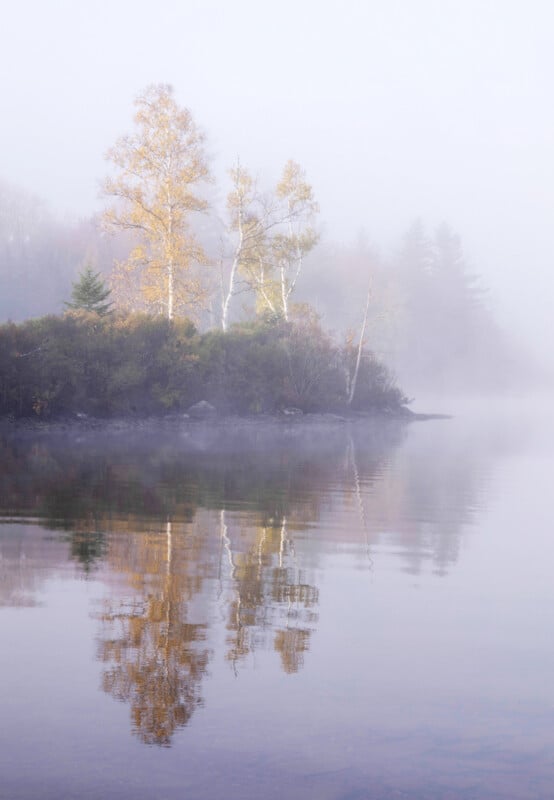
Implications for the industry are clear: as the popularity of "leaf-peeping" and nature photography continues to rise, the burden of sustainability and ethical conduct in the field grows. Photographers are increasingly encouraged to practice "Leave No Trace" principles, ensuring that their pursuit of the perfect image does not damage the delicate forest ecosystems they are documenting. Furthermore, the shift toward structured planning reduces the urge to visit the same crowded locations repeatedly, as photographers learn to identify high-quality subjects in less-frequented areas.
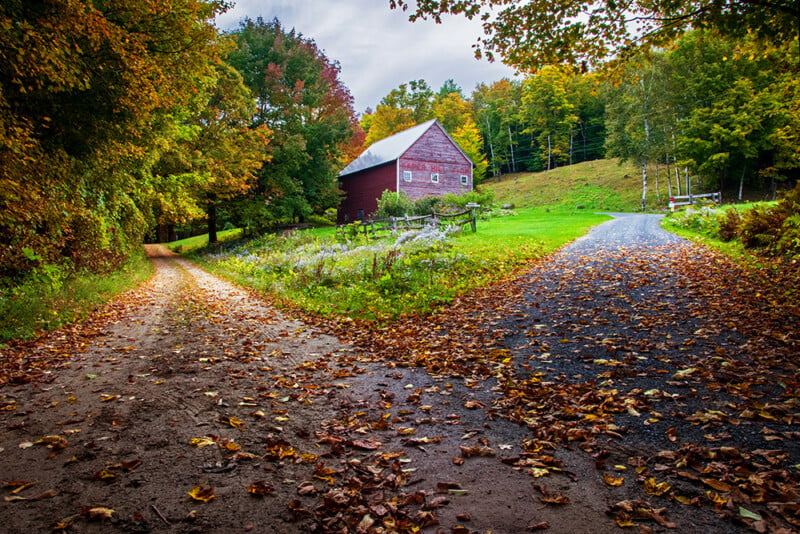
As the season progresses, the ability to recognize when a scene is "not working" is perhaps the most difficult skill to master. Whether due to flat light, cluttered compositions, or environmental disturbance, the decision to abandon a location in favor of a new one is a vital professional trait. By relying on a pre-established shot list, photographers can maintain their momentum, ensuring that the limited days of peak autumn color are spent in pursuit of viable imagery rather than in the frustration of fighting an uncooperative scene.
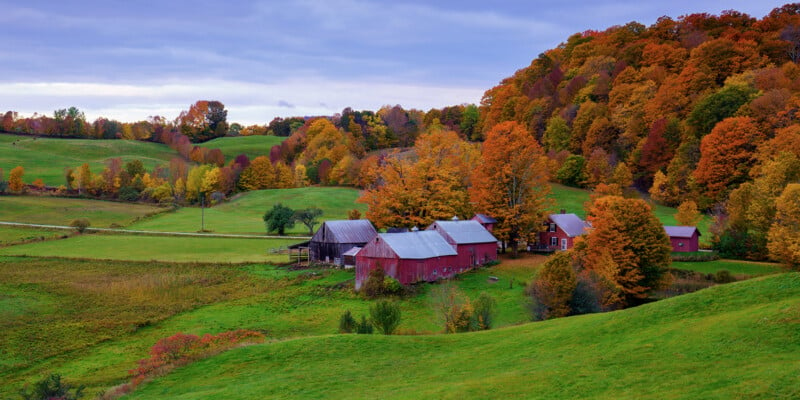
Ultimately, the goal of a 20-year career in nature photography is the development of a unique visual signature. By moving away from the repetition of iconic shots and toward a diverse, planned portfolio, photographers can provide a deeper, more nuanced representation of the autumn landscape. Whether through the isolation of a single, dew-covered leaf or the panoramic sweep of a frost-tipped valley, the intentional approach to photography allows the artist to connect the viewer to the experience of the changing season, creating images that resonate long after the leaves have fallen.

