


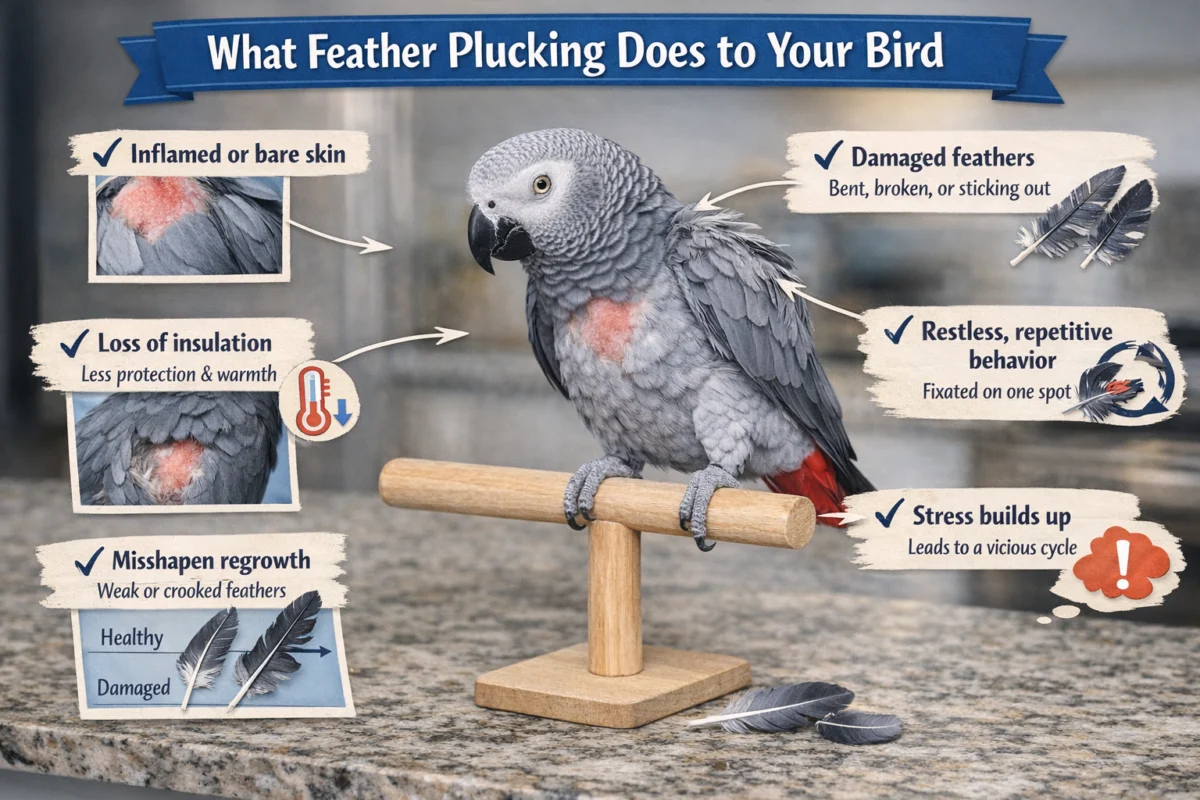
The observation of scattered feathers on a cage floor or a bird’s repetitive focus on a particular body area can be a source of significant concern for companion bird owners. These seemingly minor anomalies are often the initial indicators of feather plucking, a complex and distressing condition that demands prompt and informed intervention. Catching these signs early is crucial, as delayed action can lead to chronic issues and severe physical and psychological distress for the affected bird. Understanding the nuances between normal molting, routine preening, and pathological feather plucking is the critical first step in addressing this prevalent avian welfare challenge.
Distinguishing Normal Feather Maintenance from Pathological Behavior
The fundamental distinction lies in recognizing the natural physiological processes versus destructive habits. Molting is a cyclical, natural process where birds shed old, worn feathers to replace them with new ones. This typically occurs symmetrically, with feathers falling out gradually, and new pin feathers emerging. Owners might observe a light scattering of feathers, but the bird’s plumage generally remains intact, and the skin underneath is healthy. Preening, conversely, is a vital daily grooming ritual. A bird meticulously uses its beak and tongue to clean, realign, and waterproof its feathers across its entire body, maintaining their structural integrity and insulating properties. This behavior is typically calm, methodical, and distributed across various feather groups.
Feather plucking, however, presents a stark contrast. It is characterized by a bird intensely fixating on a specific area of its body, often digging, chewing, snapping, or forcefully pulling out feathers. Unlike the natural shedding of molting, plucked feathers often show signs of damage, such as chewed shafts or broken barbs. The behavior is repetitive, focused, and frequently results in visible patches of bare skin, thin plumage, or uneven feather growth. In more severe cases, known as mutilation, the bird transcends mere feather damage, actively harming the underlying skin, creating wounds, scabs, or chronic inflammation. This progression signifies a serious condition requiring immediate veterinary attention to prevent further injury and potential infection.
Owners often first notice damaged feathers rather than simply shed ones. A quick self-check for owners involves observing if feathers are broken, bent, or if there are bare patches where feathers should be. The presence of these signs, particularly if concentrated in one area, strongly suggests plucking over molting.
Prevalence and Context: A Widespread Avian Welfare Issue
Feather plucking is regrettably common in captive bird populations, affecting a wide range of species, with particular prevalence in highly intelligent and sensitive birds such as African Grey Parrots, Cockatoos, Macaws, and Eclectus Parrots. Studies indicate that up to 10-15% of companion parrots may exhibit some form of feather destructive behavior during their lifetime. This high incidence rate underscores the challenges inherent in providing appropriate environments and care for these complex animals in a domestic setting.
The problem stems from the profound difference between a bird’s natural habitat and a typical home environment. In the wild, parrots engage in complex social interactions, extensive foraging, flight, and problem-solving behaviors. These activities provide constant mental stimulation and physical exercise. In captivity, without adequate enrichment and appropriate stimuli, birds can become bored, stressed, or develop behavioral pathologies. Feather plucking, in many cases, is a displacement activity or a coping mechanism for underlying physical discomfort or psychological distress.
Historically, feather plucking was often attributed solely to behavioral issues, particularly "boredom" or "neurosis." However, modern avian veterinary medicine emphasizes a comprehensive approach, recognizing that medical factors often play a significant, if not primary, role. The understanding has evolved to view plucking not as a random act, but as a symptom of an underlying issue the bird is attempting to "fix" or cope with, whether it be physical irritation, internal discomfort, or psychological stress.
The Multifaceted Roots of Feather Plucking
Feather plucking rarely arises spontaneously; it is almost always a response to an identifiable trigger. These triggers can be broadly categorized into medical, environmental, nutritional, and psychological/behavioral factors.
-
Medical Causes: These are often the first avenue explored by avian veterinarians.
- Dermatological Issues: Skin infections (bacterial, fungal, parasitic), allergies, dry skin, or skin irritations can cause intense itching and discomfort, leading the bird to pluck.
- Systemic Illnesses: Organ diseases (e.g., liver disease, kidney disease), hypothyroid conditions, or internal tumors can manifest externally through poor feather quality or discomfort that prompts plucking.
- Pain: Any source of chronic pain, whether musculoskeletal or internal, can lead a bird to focus on and pluck feathers around the painful area.
- Infectious Diseases: Certain viral infections (e.g., Psittacine Beak and Feather Disease – PBFD, Polyomavirus) can directly affect feather follicles, causing abnormal feather growth, discomfort, and subsequent plucking.
- Heavy Metal Toxicity: Exposure to lead, zinc, or other heavy metals can lead to a range of symptoms, including feather plucking, due to systemic effects.
-
Environmental Factors: The bird’s immediate surroundings play a critical role.
- Low Humidity: Many parrot species originate from tropical or subtropical climates with high humidity. Dry indoor air can lead to dry, itchy skin and brittle feathers, triggering plucking.
- Inadequate Lighting: Lack of full-spectrum lighting, particularly UV-B, can impact a bird’s physiological well-being, including vitamin D synthesis and mood regulation, potentially contributing to stress-induced plucking.
- Poor Cage Hygiene: Unclean cages can harbor bacteria and fungi, leading to skin infections or infestations that irritate the bird.
- Exposure to Irritants: Household aerosols, smoke, strong cleaning agents, or even certain airborne particles can irritate a bird’s respiratory system and skin.
- Lack of Sleep: Inadequate darkness or a disturbed sleep cycle can lead to chronic stress and behavioral issues.
-
Nutritional Deficiencies: A common and often overlooked cause.

- All-Seed Diets: These are notoriously deficient in essential vitamins (especially Vitamin A), minerals, and amino acids crucial for healthy feather and skin development.
- Imbalanced Diets: Even diets with some pellets might lack specific nutrients if not properly balanced with fresh fruits, vegetables, and appropriate supplements. Deficiencies can lead to poor feather quality, itchy skin, and weakened immune systems.
- Fatty Acid Imbalance: An imbalance in omega-3 and omega-6 fatty acids can contribute to dry, itchy skin and dull plumage.
-
Psychological and Behavioral Stressors: These are frequently intertwined with environmental factors.
- Boredom and Lack of Stimulation: Highly intelligent birds require constant mental engagement. A lack of foraging opportunities, complex toys, or training can lead to frustration and self-mutilation.
- Social Isolation: Parrots are social creatures. Lack of adequate interaction with humans or other birds can lead to loneliness, anxiety, and attention-seeking behaviors, including plucking.
- Stress and Anxiety: Changes in routine, new pets, household conflict, inappropriate handling, or a perceived threat can induce stress.
- Hormonal Imbalances: Breeding season, particularly in sexually mature birds without a mate or nesting opportunities, can lead to hormonal surges that manifest as excessive preening or plucking, often in the chest or vent area.
- Learned Behavior: Once plucking begins, it can become a self-reinforcing habit, even if the initial trigger is removed. The act of plucking can release endorphins, creating a compulsive cycle.
The Devastating Impact on Avian Health and Welfare
The progression of feather plucking from a minor anomaly to a severe condition carries significant consequences for a bird’s health and well-being.
- Skin Irritation and Infection: Constant manipulation and damage to the skin can lead to chronic irritation, inflammation, and open wounds, which are highly susceptible to bacterial, fungal, or yeast infections. These infections can be painful and may spread systemically.
- Permanent Follicle Damage: Repeated plucking can damage feather follicles, leading to abnormal feather growth. New feathers may emerge weak, bent, discolored, or misaligned, failing to provide proper coverage and insulation. In severe cases, follicles can be permanently destroyed, resulting in irreversible bald patches.
- Loss of Insulation and Protection: Feathers are essential for thermoregulation, helping birds maintain their body temperature. Extensive feather loss compromises this ability, making the bird more vulnerable to temperature fluctuations. Feathers also provide physical protection against minor injuries and environmental elements.
- Increased Sensitivity and Discomfort: Exposed skin becomes more sensitive to touch, light, and temperature, often creating a cycle where discomfort drives further picking at the same area.
- Compulsive Behavior: The act of plucking can become deeply ingrained and compulsive, making it increasingly difficult to interrupt. The bird may develop a habit that persists even after the initial underlying cause is addressed.
- Chronic Stress and Reduced Quality of Life: The constant physical discomfort combined with the psychological distress of the underlying issues creates a state of chronic stress. This can suppress the immune system, leading to other health problems, and significantly diminish the bird’s overall quality of life.
An infographic visually representing these impacts often depicts an African Grey Parrot with damaged shoulder feathers, pink irritated skin, and visible feather loss, emphasizing the repetitive picking behavior. This serves as a stark reminder that early action is paramount; the longer the behavior persists, the more entrenched and challenging it becomes to reverse.
Immediate Steps for Concerned Owners
Upon noticing any signs of feather plucking, immediate action is crucial. Waiting for the condition to worsen is detrimental to the bird’s welfare.
- Document Observations: Keep a detailed log of the behavior, noting when it occurs, which body parts are targeted, the appearance of the feathers and skin, and any environmental changes or stressors that coincide with the onset of plucking. Photographic evidence can be invaluable.
- Assess the Environment: Review the bird’s living conditions. Is the humidity adequate? Is there proper lighting, including access to full-spectrum UV light? Is the cage clean? Are there sufficient appropriate toys for mental stimulation and foraging? Has there been any recent change in routine or household dynamics?
- Review the Diet: Evaluate the bird’s diet. Is it primarily seeds, or does it include a high-quality pelleted diet supplemented with fresh fruits, vegetables, and healthy proteins? Consider adding avian-specific supplements, especially those rich in omega fatty acids, after consulting with a veterinarian.
- Schedule an Avian Veterinary Appointment: This is the most critical step. A qualified avian veterinarian can conduct a thorough physical examination, perform diagnostic tests (blood work, skin scrapings, feather biopsies, viral panels, heavy metal screening, X-rays) to rule out underlying medical causes. Without a definitive medical diagnosis, attempts to address the plucking are often ineffective.
Comprehensive Strategies for Management and Recovery
Stopping feather plucking is not merely about interrupting a habit; it requires identifying and resolving the root cause. This often necessitates a multi-modal approach, combining veterinary treatment with significant environmental and behavioral modifications.
- Veterinary Treatment: Based on diagnostic findings, the vet may prescribe medications for infections, allergies, pain, or systemic diseases. If nutritional deficiencies are identified, dietary adjustments and supplementation will be recommended. In cases of severe self-mutilation, Elizabethan collars or protective garments may be temporarily used to prevent further injury while underlying causes are being addressed.
- Environmental Enrichment:
- Humidity Control: Use humidifiers or regular misting to increase ambient humidity.
- Lighting: Provide access to full-spectrum UV-B lighting for at least 10-12 hours daily.
- Cage Setup: Ensure a spacious cage with varied perches, foraging toys, and opportunities for shredding and chewing. Rotate toys frequently to maintain novelty.
- Social Interaction: Provide consistent, positive interaction with the owner, including training, talking, and supervised out-of-cage time.
- Sleep Schedule: Establish a consistent 10-12 hour dark, quiet sleep period.
- Dietary Adjustments: Transition the bird to a high-quality pelleted diet as the primary food source, supplemented daily with a wide variety of fresh, organic vegetables, a small amount of fruit, and occasional healthy proteins. Avoid seed-heavy diets.
- Behavioral Modification:
- Redirection: When the bird begins to pluck, immediately redirect its attention with a favorite toy, a treat, or positive interaction.
- Foraging Opportunities: Make the bird "work" for its food by hiding treats in foraging toys or within the cage, mimicking natural behaviors.
- Training: Engage in positive reinforcement training to build confidence and mental stimulation.
- Stress Reduction: Identify and minimize stressors in the environment.
- Pharmacological Interventions (in severe cases): For chronic, stress-related plucking that hasn’t responded to other interventions, an avian vet might consider anti-anxiety medications or other psychotropic drugs, but these are typically a last resort and used in conjunction with behavioral therapy.
When Feather Plucking Becomes Urgent: A Critical Timeline
Certain signs elevate feather plucking from a concern to an immediate emergency:
- Bleeding or Open Wounds: Any visible blood or skin damage that breaks the skin barrier is an emergency, as it poses a high risk of infection.
- Rapid Deterioration: A sudden, significant increase in plucking intensity or the development of large bald patches in a short period.
- Lethargy or Loss of Appetite: These are systemic signs that the bird is struggling and potentially experiencing severe pain or illness.
- Self-Mutilation: When the bird begins to damage its skin rather than just its feathers, immediate intervention is required to prevent life-threatening injury.
At this stage, the bird is not merely coping; it is in significant distress and requires urgent professional veterinary care.
Facilitating Long-Term Recovery and Prevention
The journey to recovery from feather plucking can be long and challenging, requiring patience, consistency, and a deep understanding of the bird’s individual needs. Most birds do not pluck randomly; they are reacting to an underlying issue. Once the driving force behind the behavior is identified and appropriately addressed, owners can implement targeted strategies to change the pattern.
Successful recovery often involves a holistic approach that acknowledges the interconnectedness of physical health, mental well-being, and environmental factors. It’s a testament to responsible pet ownership, where providing a species-appropriate environment, a balanced diet, consistent social interaction, and prompt veterinary care are paramount. The earlier interventions are initiated, the greater the likelihood of turning this challenging behavior around and restoring the bird to a state of health and comfort. The commitment to understanding and meeting the complex needs of companion birds is the most effective preventative measure against feather plucking and ensures a higher quality of life for these intelligent and sensitive creatures.

