


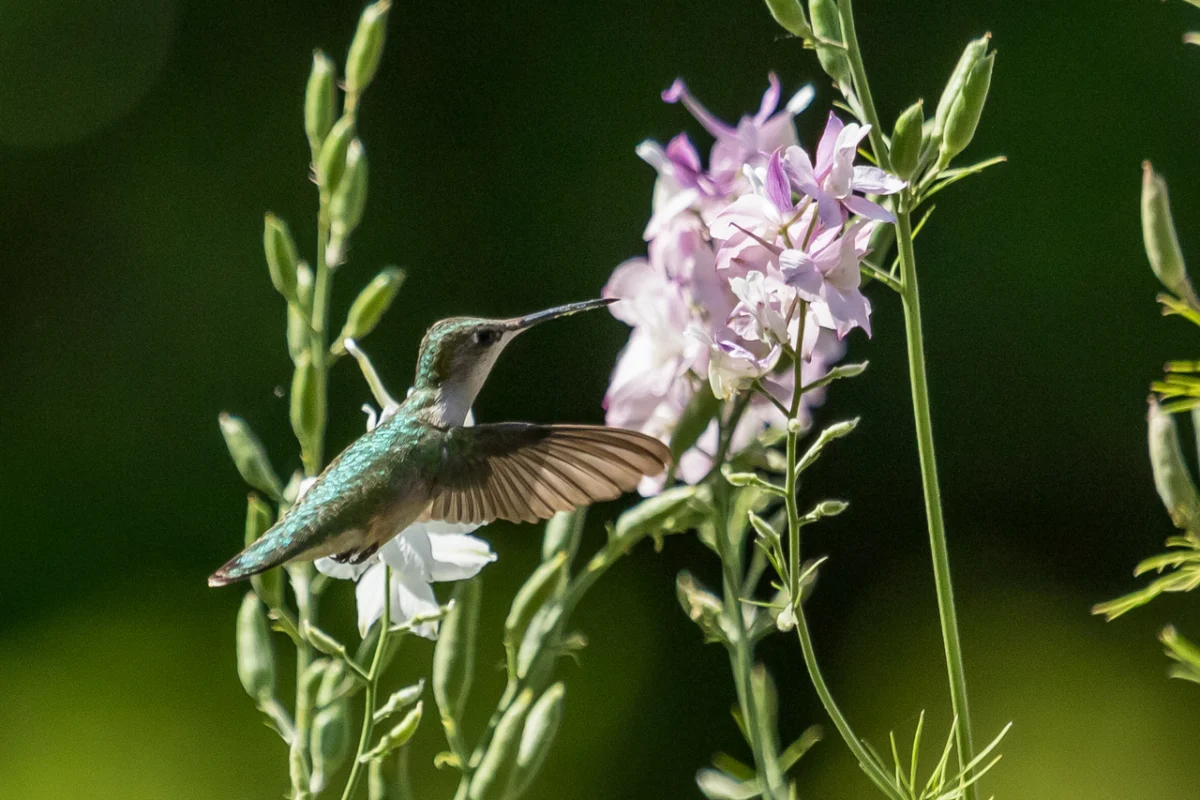
As the autumnal equinox approaches, the skies over the eastern United States undergo a transformation that is often invisible to the casual observer but represents one of the most demanding feats in the animal kingdom. The fall migration of the Ruby-throated Hummingbird (Archilochus colubris) is now in full swing, as millions of these diminutive avian athletes abandon their breeding grounds in Canada and the eastern U.S. to embark on a multi-thousand-mile odyssey toward the tropical forests of Mexico and Central America.
For many, the sight of a hummingbird at a backyard feeder is a common summer occurrence. However, during the months of September and October, these visits take on a heightened sense of urgency. The birds are not merely feeding; they are engaging in a critical refueling process necessary to sustain a journey that pushes the limits of vertebrate physiology.
The Physiology of a Trans-Gulf Crossing
The migration route of the Ruby-throated Hummingbird is defined by a significant strategic choice: whether to navigate the coastline of the Gulf of Mexico or to commit to a direct, non-stop flight across the open water. This decision is one of the most perilous aspects of their migration.
For those choosing the trans-Gulf route, the distance can exceed 500 miles. Because these birds cannot land on the water, the flight requires a continuous expenditure of energy for 18 to 22 hours. To accomplish this, a hummingbird must double its body weight in fat reserves before departure. Scientists note that an increase of 2 to 4 grams of body mass—a massive gain for a bird that typically weighs roughly 3 grams, or the weight of a standard U.S. penny—is the difference between survival and exhaustion.
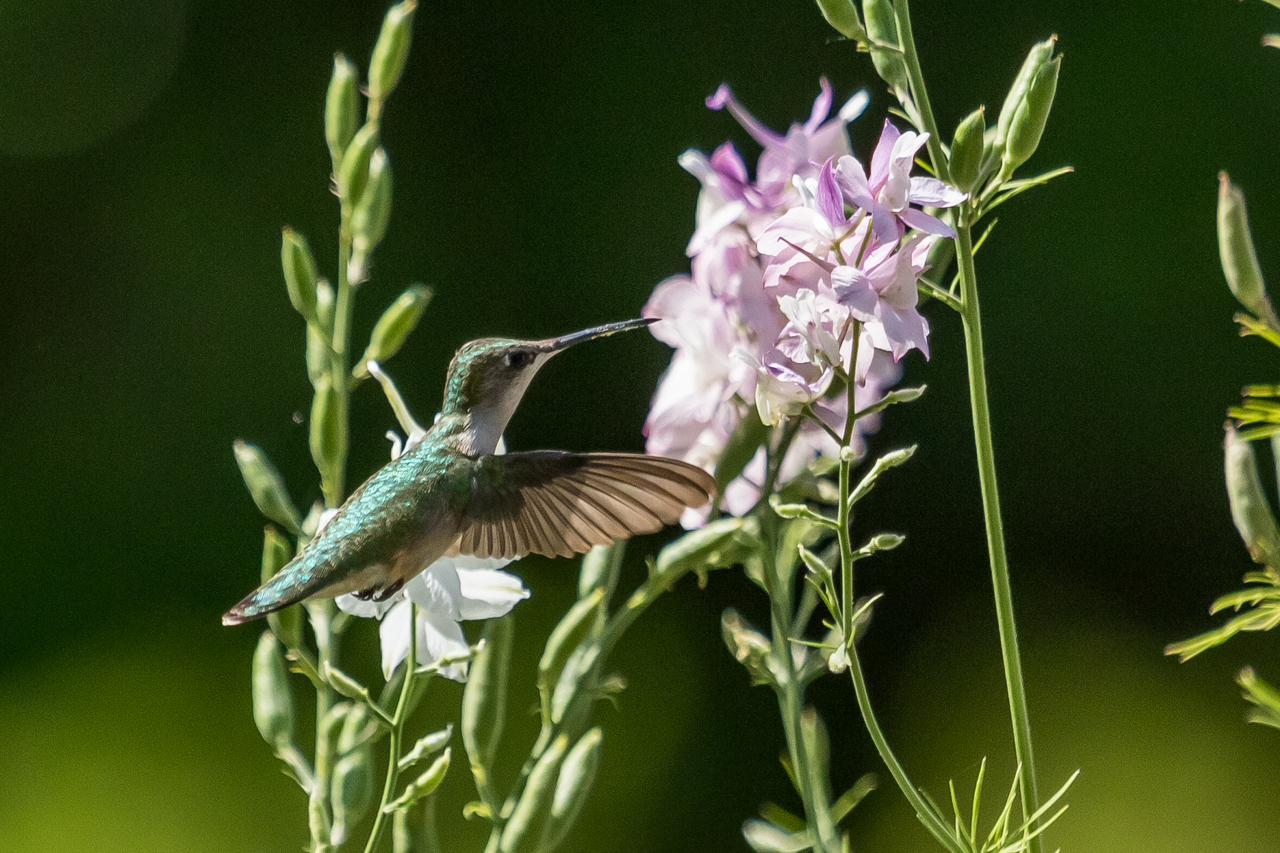
During this period, the birds demonstrate a marked increase in foraging intensity. They are opportunistic feeders, consuming nectar for immediate glucose and focusing on small insects and spiders to acquire the proteins and fats required for sustained muscle performance. This behavior is often observed by homeowners in the southern U.S., who report a sudden surge in feeder activity during mid-to-late September as transient populations stop to "bulk up" before their oceanic crossing.
Chronology of the Migration
The migration of the Ruby-throated Hummingbird is a staggered event that follows a specific chronological progression dictated by photoperiod—the length of daylight—and food availability.
- Late August to Early September: Migration begins in earnest across the northernmost parts of the breeding range, including southern Canada and the Great Lakes region. Adult males are typically the first to depart, as they do not participate in the care of late-season fledglings.
- Mid-September: The "peak" of migration moves into the mid-Atlantic and the southern United States. This is the period when the density of birds in states like Louisiana, Mississippi, Alabama, and Texas reaches its annual maximum.
- Late September to October: The migration focus shifts entirely to the Gulf Coast. As the birds concentrate in coastal stopover habitats, they rely heavily on fall-blooming plants and insect populations to provide the final caloric boost before heading south.
- November: Most Ruby-throated Hummingbirds have arrived at their wintering sites in southern Mexico, the Yucatan Peninsula, and Central America, where they will remain until the spring thaw initiates the return journey in March.
Environmental and Ecological Implications
The reliance on stopover sites along the Gulf Coast highlights the necessity of habitat conservation. Ornithologists and environmental groups, such as the Gulf Coast Bird Observatory (GCBO), emphasize that the survival of the species is inextricably linked to the availability of "refueling stations."
As climate change alters the timing of flower blooms and insect emergence, the synchronization between the hummingbirds’ arrival and the availability of resources becomes increasingly precarious. If a bird arrives at a traditional stopover site only to find that its primary food sources have already peaked or failed due to shifting weather patterns, the caloric deficit can be fatal.
"The migration is a high-stakes race against time," noted a researcher associated with avian migratory patterns. "These birds operate on such a fine margin that any disruption in the habitat, whether through land development or climate-driven phenological shifts, ripples directly through the population."

To educate the public on these patterns, the GCBO holds events such as the annual Xtreme Hummingbird Xtravaganza. Held this year on September 12 and 19, these events provide researchers with the opportunity to band birds and track population health, while offering the public a rare, up-close view of the species that typically avoids human interaction.
How to Observe the Migration
For those living in the eastern or southern United States, the coming weeks represent the final window to observe this phenomenon before the birds disappear for the winter. Observing the migration requires an understanding of what the birds prioritize:
- Feeder Management: Many birders mistakenly believe that leaving feeders out in the fall will prevent hummingbirds from migrating. Ornithologists clarify that migration is triggered by hormonal changes linked to daylight hours, not the presence of food. In fact, providing a clean, high-energy sugar-water source can provide a critical assist to birds that are struggling to find enough natural nectar.
- Native Plantings: While feeders are helpful, they are not a substitute for the complex nutrition provided by native plants. Salvias, honeysuckle, and trumpet vine are essential for supporting migrating populations.
- Habitat Structure: Hummingbirds prefer "edge" habitats—the areas where forests meet fields or gardens. Creating a multi-layered garden with low-lying flowers and taller shrubs provides both food and essential cover from predators.
The Broader Scientific View
The migration of the Ruby-throated Hummingbird is a subject of ongoing study, particularly concerning how these birds navigate. Despite their small brain size, they demonstrate an impressive ability to remember specific locations, including the exact coordinates of a feeder used in previous years. This "site fidelity" suggests a sophisticated internal map, likely guided by a combination of solar cues, magnetic fields, and landmarks.
As the population continues to navigate the challenges of modern landscape fragmentation, the role of the citizen scientist becomes more vital. Platforms such as eBird or the Cornell Lab of Ornithology’s databases allow researchers to track migration waves in real-time, providing data that would be impossible to collect through traditional field studies alone.
The sight of a single hummingbird hovering over a blossom in late September is more than a fleeting moment of beauty; it is a testament to an evolutionary strategy that has enabled this species to bridge the gap between two continents. As they pass through the southern United States, they serve as a reminder of the vast, interconnected systems that govern life in the Western Hemisphere. Whether they are destined for the dense jungles of the Yucatan or the high-altitude forests of Costa Rica, the journey remains one of the most captivating spectacles in the natural world, occurring silently in our own backyards.

