


In a decision that legal experts suggest could redefine the accountability standards of the American agricultural supply chain, a Wisconsin court has delivered a first-of-its-kind verdict regarding the treatment of farmed animals during interstate transit. For the first time in United States history, a commercial driver has been found guilty under state animal cruelty laws for the transport of livestock in conditions that directly resulted in their death and suffering. The ruling, handed down in the Clark County Circuit Court, marks a significant shift in how the legal system interprets the responsibilities of those tasked with moving millions of animals across the country every day.
The defendant, Jerith Dville Kane Ellis, was convicted following a series of events that exposed the vulnerabilities of livestock to extreme weather conditions during long-haul transport. The case centered on a shipment of pigs being moved from a facility in South Dakota to a slaughterhouse in Wisconsin. While the transportation of livestock is a routine aspect of the meat industry, the specific conditions of this journey—and the resulting fatalities—led authorities to pursue criminal charges rather than administrative fines, which have historically been the norm for such incidents.
The Journey and the Investigation
The incident began with a 432-mile haul from Lynch Livestock in South Dakota, destined for a processing facility in Wisconsin. During the transit, the Upper Midwest was experiencing a severe cold snap. According to meteorological data presented during the trial, wind chills along the route plummeted to as low as -27°F. Despite these life-threatening temperatures, the transport proceeded in a standard trailer that lacked sufficient protection against the subzero environment.
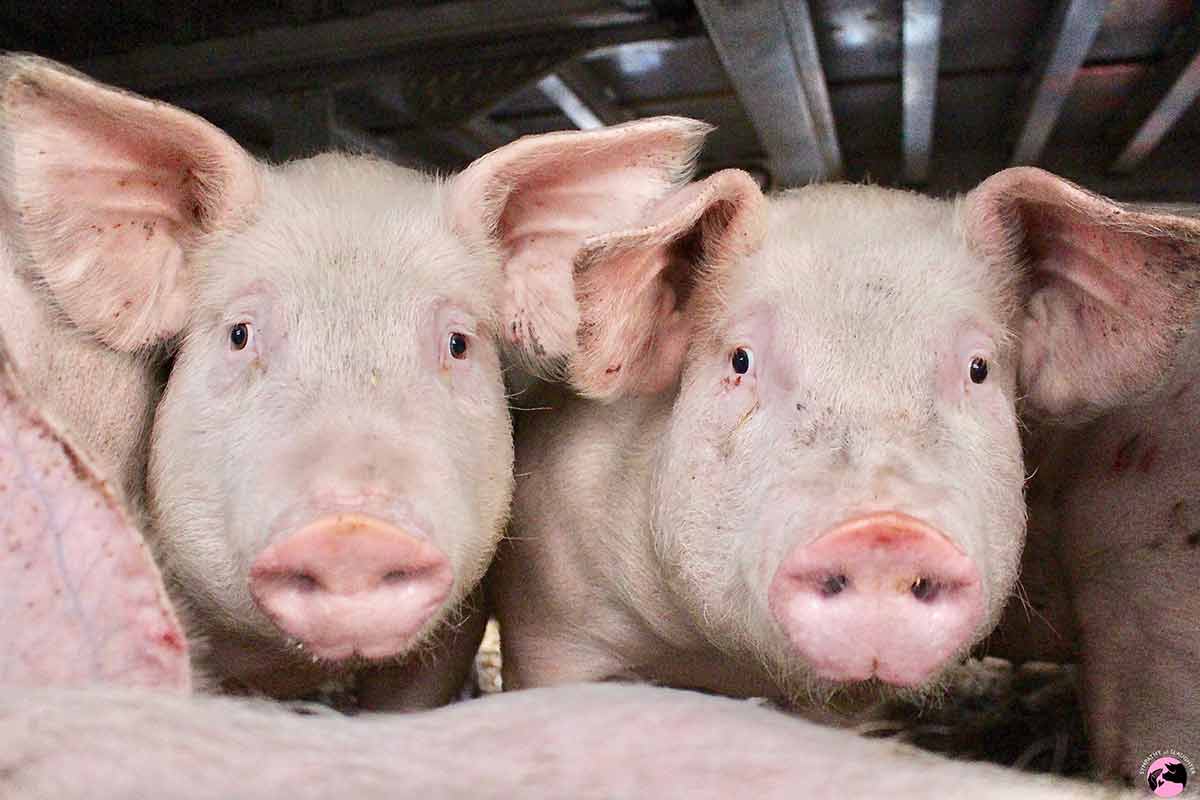
Upon arrival at the Wisconsin slaughterhouse, the truck was met by a United States Department of Agriculture (USDA) inspector. The scene documented in the inspector’s report was harrowing. Out of the total number of animals on the trailer, 15 pigs were found to have died either during the journey or shortly after arrival due to exposure. The inspector’s documentation highlighted that the animals had suffered from extreme frostbite, with many frozen to the floor of the trailer or to one another.
The legal proceedings were initiated following a tip from People for the Ethical Treatment of Animals (PETA), which had been monitoring transport logs and reports of animal welfare violations. While PETA and other advocacy groups frequently report such incidents, this case gained traction in the Clark County District Attorney’s office, leading to the formal charging of the driver under Wisconsin’s state animal cruelty statutes.
Chronology of the Case and Legal Precedent
The timeline of the case illustrates the lengthy process required to bring a transport-related cruelty case to trial. The initial transport occurred during a winter period of extreme weather, but the investigation and subsequent legal filings spanned several months as prosecutors coordinated with USDA officials and veterinary experts.
- Initial Transit: The livestock were loaded in South Dakota under freezing conditions. The 432-mile route took the vehicle through several states where temperatures remained well below zero.
- Arrival and Inspection: Upon arrival in Clark County, Wisconsin, the USDA inspector flagged the shipment due to the high mortality rate and the visible signs of thermal distress and frostbite among the survivors.
- The PETA Intervention: Using the Freedom of Information Act (FOIA), animal welfare advocates obtained the USDA inspection reports and presented the findings to local law enforcement, arguing that the deaths were not "unavoidable losses" but the result of criminal negligence.
- Charging and Trial: In 2026, the Clark County Circuit Court moved forward with the case against Jerith Dville Kane Ellis. The prosecution focused on the fact that the driver continued the journey despite the known weather risks and the lack of adequate environmental controls within the trailer.
- The Verdict: On July 1, 2026, the court found Ellis guilty, setting a precedent that individual drivers, not just the corporations they work for, can be held criminally liable for the welfare of the animals in their care.
Industry Context and Supporting Data
The conviction of a driver for transport conditions is a departure from the historical "status quo" of the American meat industry. According to industry reports and academic studies from institutions such as the University of Guelph and various USDA-funded research projects, transport is one of the most stressful periods in a farmed animal’s life.
Data indicates that more than 1 million pigs die during transport in the United States every year. These deaths are often attributed to "transport stress," a catch-all term that includes heat exhaustion, dehydration, heart failure, and, as seen in the Wisconsin case, extreme cold. Furthermore, tens of thousands of animals arrive at slaughterhouses "downed"—meaning they are too injured or weak to walk—or with significant bruising and frostbite.
The "Twenty-Eight Hour Law," a federal statute enacted in 1873 and updated in 1906, requires that animals transported across state lines be unloaded for food, water, and rest every 28 hours. However, this law is frequently criticized by welfare advocates for being poorly enforced and for failing to address the specific environmental conditions inside the trucks, such as temperature regulation and ventilation. The Wisconsin ruling effectively bypasses the limitations of federal transport law by applying state-level cruelty statutes, which often have broader definitions of neglect and suffering.
Technical Analysis of Swine Vulnerability
Pigs are particularly susceptible to thermal stress due to their physiology. Unlike many other livestock species, pigs do not have a thick coat of fur or wool to insulate them from the cold. They also have a limited ability to regulate their body temperature through sweating. When exposed to wind chills of -27°F in a moving metal trailer, the risk of hypothermia is near-instantaneous.
Veterinary experts who testified during the trial noted that in extreme cold, pigs will huddle together to conserve heat. In the confined space of a transport trailer, this can lead to animals being crushed or becoming stuck to the metal sides of the vehicle as their body moisture freezes. The "wind-chill effect" inside a moving trailer at highway speeds significantly exacerbates the ambient temperature, making a -4°F day feel like a much more lethal environment for an animal with no means of escape or protection.
Official Responses and Implications
The verdict has sent ripples through both the animal rights community and the agricultural logistics industry. In a statement following the ruling, representatives for PETA characterized the decision as a "turning point" in the fight against systemic cruelty in the meat industry. They argued that for too long, the deaths of animals in transit have been treated as a "cost of doing business" rather than a violation of law.
Conversely, some industry stakeholders expressed concern that the ruling could create an impossible standard for drivers. Logistics experts note that many drivers operate under strict delivery schedules and may not have the authority to deviate from routes or delay shipments due to weather without facing professional repercussions from their employers. There are now calls within the industry for clearer guidelines on "no-go" weather thresholds and for the mandatory installation of climate-control technology in livestock trailers.
Legal analysts suggest that this case could lead to a "cascade effect," where prosecutors in other states feel emboldened to pursue similar charges. If drivers and transport companies face criminal records and potential jail time rather than just administrative fines, the industry may be forced to invest in more humane transport infrastructure.
Broader Impact on Agricultural Policy
The Wisconsin case highlights a growing tension between traditional agricultural practices and evolving public expectations regarding animal welfare. As consumers become more aware of the "hidden" parts of the food supply chain—such as transport and pre-slaughter handling—there is increasing pressure on legislators to modernize welfare laws.
This ruling may also influence the upcoming debates surrounding the Farm Bill and other federal agricultural policies. If state courts continue to find that current transport practices constitute criminal cruelty, there will be a stronger argument for federal mandates requiring better insulation, real-time temperature monitoring, and stricter density limits for animals in transit.
Ultimately, the conviction of Jerith Dville Kane Ellis serves as a landmark acknowledgment by the judiciary that farmed animals are sentient beings capable of suffering, and that those responsible for their movement have a legal duty to protect them from preventable harm. While the meat industry continues to operate on a massive scale, this historic ruling in Clark County ensures that the conditions inside the trucks on America’s highways will no longer remain entirely behind a curtain of legal immunity.

