


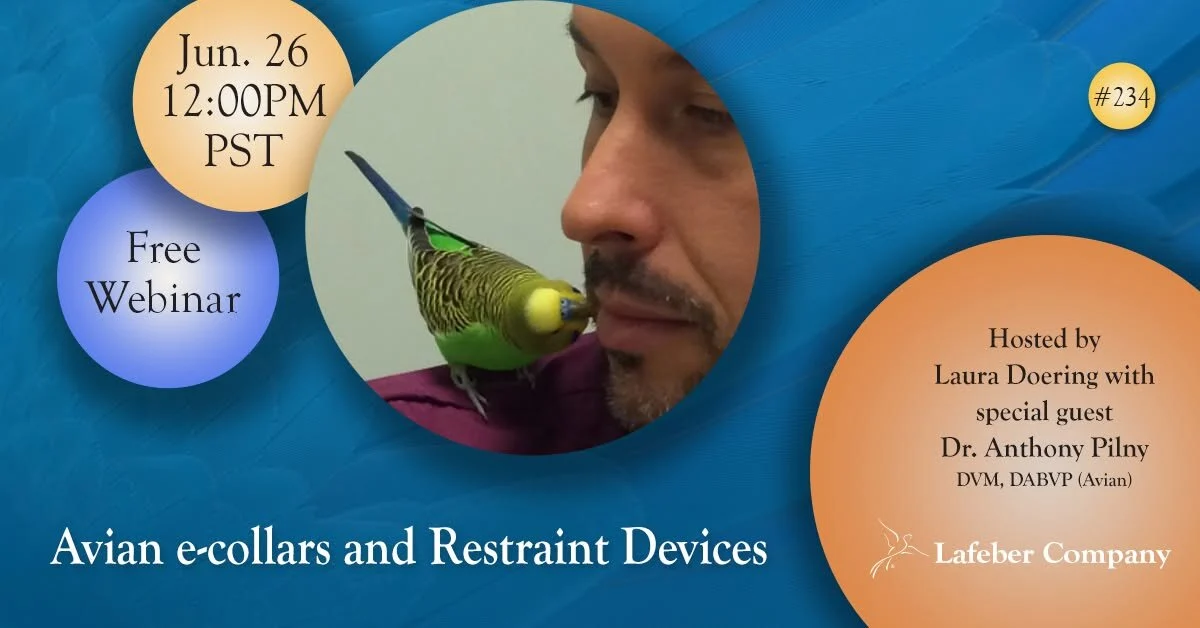
The avian veterinary community and dedicated bird owners are set to convene virtually on Friday, June 26, 2026, for a pivotal webinar titled "Avian e-Collars & Restraint Devices," featuring the distinguished expertise of Dr. Anthony A. Pilny, DVM, DABVP (Avian Practice). Scheduled for 12:00 p.m. Pacific Daylight Time (PDT), with attendees encouraged to utilize a time zone converter to ensure accurate local timing, this session promises to deliver comprehensive insights into critical tools for avian care and recovery. The webinar will delve into the various types of restraint devices available for birds, their appropriate application, and practical strategies to ensure the safety and comfort of avian patients throughout their healing processes. This educational event, hosted by a prominent voice in avian health, aims to empower veterinary professionals and bird enthusiasts alike with advanced knowledge in a specialized area often fraught with challenges.
The Imperative of Avian Restraint: A Foundational Overview
The necessity of restraint devices in avian medicine stems from the unique physiological and behavioral characteristics of birds. Unlike many mammalian pets, birds possess an innate instinct to hide illness and injury, often exacerbating conditions through self-trauma. When a bird sustains an injury, undergoes surgery, or experiences conditions that lead to self-mutilation, protective measures become paramount. Avian e-collars and other restraint devices serve as crucial interventions to prevent the bird from interfering with healing wounds, surgical sites, or areas of irritation, thereby safeguarding their recovery and overall well-being.
Self-mutilation in birds, ranging from feather plucking to severe skin picking, is a complex issue with multifactorial causes, including medical conditions, psychological stress, environmental deficiencies, and behavioral disorders. In such cases, a properly fitted e-collar can be a life-saving tool, providing a physical barrier that allows underlying medical treatments or behavioral modifications to take effect without the bird undoing progress. Similarly, post-surgical care often mandates the use of these devices to prevent dehiscence (wound reopening) or infection of surgical incisions, which can be devastating for avian patients given their high metabolic rates and delicate systems.
Historical Context and Evolution of Avian Care
The field of avian veterinary medicine has witnessed significant advancements over the past few decades. Historically, restraint methods for birds were often rudimentary and potentially stressful, with limited options for long-term protective measures. Early approaches might have involved simple bandaging or manual restraint, which, while useful for examinations, offered little sustained protection against self-inflicted harm. The understanding of avian anatomy, physiology, and psychology has deepened considerably, leading to the development of specialized tools and techniques tailored to the unique needs of these creatures.
The evolution of avian e-collars, for instance, reflects this progress. Initial designs were often adaptations of collars used for mammals, which proved ill-suited for birds dueating to differences in neck length, vision, and feeding habits. Over time, designs have become more sophisticated, incorporating lightweight materials, varied shapes, and adjustable features to maximize comfort while maintaining efficacy. This ongoing innovation underscores a commitment within the veterinary community to minimize stress and optimize outcomes for avian patients. The upcoming webinar with Dr. Pilny is a testament to this continuous pursuit of excellence in avian care, building upon a foundation of evolving knowledge and practical application.
Dr. Anthony A. Pilny: A Leader in Avian Veterinary Medicine
The webinar’s presenter, Dr. Anthony A. Pilny, brings a wealth of knowledge and practical experience to this critical topic. As a Diplomate of the American Board of Veterinary Practitioners (DABVP) specializing in Avian Practice, Dr. Pilny holds one of the most rigorous and respected certifications in veterinary medicine. Achieving DABVP status signifies an advanced level of clinical expertise, experience, and knowledge in a specific practice category, requiring extensive case experience, advanced training, and successful completion of a challenging examination. This distinction assures attendees that the information presented will be evidence-based, clinically relevant, and delivered by a recognized authority in the field.
Dr. Pilny’s background likely includes years of dedicated practice focusing on avian species, treating a wide array of pet birds, zoo birds, and potentially even wild birds in rehabilitation settings. His experience would encompass not only the application of restraint devices but also the comprehensive management of the underlying conditions that necessitate their use, as well as the psychological aspects of avian patient care. His insights are therefore invaluable for both seasoned practitioners seeking to refine their techniques and newer professionals or dedicated bird owners aiming to understand the nuances of avian patient management. Organizers of the webinar, likely Lafeber Company given the source URL, frequently collaborate with such esteemed professionals to deliver high-quality educational content, reflecting their commitment to advancing avian health.
A Deep Dive into Avian Restraint Devices: Types and Applications
The webinar is expected to provide a detailed exploration of the various types of restraint devices, offering practical guidance on their selection, application, and management.
Elizabethan Collars (E-Collars)
These are perhaps the most common type of protective device. Dr. Pilny will likely discuss:
- Materials: From traditional rigid plastic cones to softer, more flexible fabric collars, and even custom-made designs. The choice of material often depends on the bird’s size, the specific injury, and the duration of wear.
- Designs: Beyond the classic cone, there are various shapes, including flat collars, neck rings, and specialized designs that allow for better peripheral vision or easier access to food and water while still preventing access to target areas.
- Fitting: Proper sizing and fit are paramount. An ill-fitting collar can cause chafing, pressure sores, restrict breathing, or allow the bird to maneuver around it. The webinar will likely cover how to measure correctly, secure the collar without causing discomfort, and monitor for adverse reactions.
- Indications: E-collars are frequently used for feather destructive behavior, post-surgical protection (e.g., cloacapexy, crop repair, tumor removal), wound management (e.g., bumblefoot, trauma to the keel or wings), and preventing the removal of catheters or bandages.
Body Wraps and Bandages
While not "collars" in the traditional sense, these are crucial restraint tools:
- Wing Wraps: Used to immobilize an injured wing, prevent further damage, or provide support during healing. Different techniques exist for fractured wings versus luxations or soft tissue injuries.
- Body Bandages: Can be used to support internal organs, protect large body wounds, or provide warmth.
- Material and Application: Emphasis will be placed on appropriate materials (e.g., breathable, non-adhesive to feathers) and techniques to ensure adequate support without restricting circulation or respiration.
Splints and Casts
For fractures or severe soft tissue injuries to limbs:
- Types: External coaptation devices, including tape splints, thermoplastic splints, and even lightweight casting materials.
- Application Principles: Focus on proper alignment, stability, and cushioning to prevent pressure sores, particularly important in birds with their delicate skin and bones.
Physical Restraint Techniques
Though temporary, manual restraint is fundamental for examinations, procedures, and device application:
- Safe Handling: Techniques using towels or specialized gloves to minimize stress and prevent injury to both bird and handler.
- Minimizing Stress: Understanding avian stress signals and implementing strategies to reduce fear and anxiety during handling.
Practical Insights for Comfort and Recovery
Beyond the technical aspects of device application, Dr. Pilny’s webinar will emphasize the practical insights crucial for a bird’s comfort and successful recovery. This includes:
- Monitoring and Adjustment: Regular checks for chafing, skin irritation, changes in appetite, and signs of stress are vital. The webinar will likely provide guidance on what to look for and when adjustments or interventions are needed.
- Feeding and Hydration: Birds wearing e-collars often struggle to eat and drink independently. Strategies for assisted feeding, specialized food dishes, or temporary collar removal for supervised meals will be discussed.
- Environmental Enrichment: Confinement and restriction can be stressful. The webinar will likely offer creative ways to provide mental stimulation and environmental enrichment for birds wearing restraint devices, such as modified toys, supervised out-of-cage time, or changes in cage layout.
- Client Education: A significant portion of successful recovery hinges on diligent home care. Dr. Pilny will undoubtedly touch upon effective communication with bird owners, explaining the necessity of the device, providing clear instructions for home care, and managing expectations regarding the recovery timeline and potential challenges. This includes educating owners on how to monitor their bird, provide medications, and maintain hygiene around the device.
- Weaning and Removal: Guidance on when and how to safely remove restraint devices, ensuring the underlying issue has resolved sufficiently to prevent relapse of self-trauma or re-injury.
Broader Implications for Avian Health and Welfare
The availability and proper application of avian e-collars and restraint devices have profound implications for avian health and welfare across several domains. For pet bird owners, access to this knowledge translates into better outcomes for their beloved companions, reducing the emotional and financial burden associated with prolonged or complicated recoveries. For veterinary professionals, continuous education in specialized areas like avian medicine enhances their diagnostic and therapeutic capabilities, leading to improved patient care and increased confidence in managing challenging cases.
The webinar also highlights the ongoing commitment within the veterinary community to animal welfare. By providing effective means to prevent self-inflicted harm and support healing, these devices directly contribute to minimizing suffering and promoting a higher quality of life for avian patients. Furthermore, the discussion of advanced techniques and materials underscores the broader trend of specialization and technological advancement in veterinary medicine, ensuring that birds receive care on par with other domestic animals. The emphasis on client education also empowers owners to be active participants in their pet’s recovery, fostering a stronger human-animal bond built on informed care.
Event Logistics and Call to Action
The "Avian e-Collars & Restraint Devices With Dr. Pilny" webinar is scheduled for Friday, June 26, 2026, at 12:00 p.m. PDT. Attendees are strongly advised to use the provided time zone converter to ascertain the precise local start time. The event is expected to be hosted on a virtual platform, likely Zoom, facilitating wide accessibility for participants globally.
Organizers emphasize the value of this session for veterinarians, veterinary technicians, and dedicated bird owners who seek to enhance their understanding and practical skills in avian patient management. Early registration is highly recommended to secure a spot and receive timely access details for the virtual event. The registration link is available at https://us02web.zoom.us/webinar/register/WN_NxlQCguSRf69v_AsUrBoCw. This webinar represents a significant opportunity for professional development and an invaluable resource for anyone committed to the highest standards of avian health and welfare.

