


Television’s highest honors are historically synonymous with high-stakes sartorial choices, where Hollywood’s elite walk red carpets draped in rare silks, exotic leathers, and traditional winter garments packed with avian down. However, the 2026 Emmy Awards marked a definitive cultural shift in how the entertainment industry approaches luxury fashion. As nominees, presenters, and winners gathered in Los Angeles to celebrate the pinnacle of television achievement, a prominent coalition between animal rights organizations and sustainable apparel brands took center stage, offering a glimpse into the future of red-carpet styling—one that prioritizes ethical production without sacrificing aesthetic appeal.
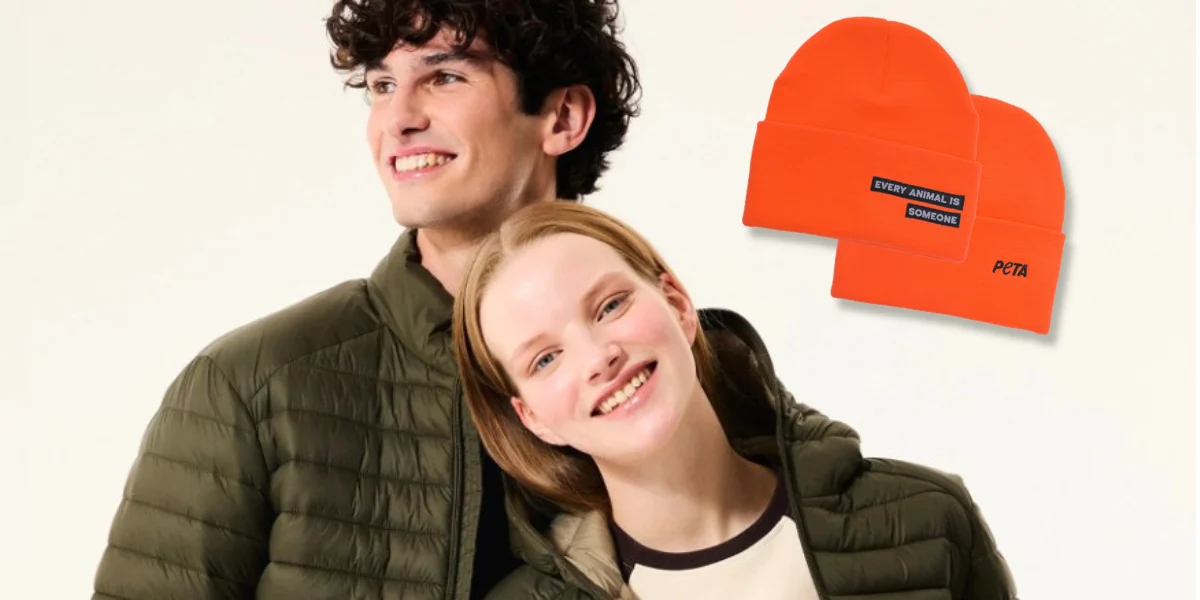
Leading up to and throughout Television’s Biggest Night, People for the Ethical Treatment of Animals (PETA) joined forces with the premium, cruelty-free outerwear brand Save the Duck to curate an exclusive showcase inside the official backstage Emmy Giving Suite. This high-profile activation served as a direct bridge between mainstream celebrity culture and conscious consumerism. A formidable roster of acclaimed talent—including veteran actors Noah Wyle and Angela Bassett, music icon Reba, comedic talents Marcello Hernández and John Mulaney, breakout star Rachel Sennott, alongside Jaclyn Smith, Andrew Rannells, Julianna Margulies, Emmy Rossum, and John Oliver—selected pieces from the brand’s luxury collection. Each celebrity left the suite outfitted with Hollywood-worthy puffers or parkas, complemented by PETA’s signature vibrant beanie bearing the campaign message, Every Animal Is Someone.
This calculated integration of ethical fashion into an A-list event highlights a growing demand within the entertainment sector for wardrobe choices that align with modern ecological and ethical standards. As public scrutiny regarding the environmental and moral costs of traditional textiles intensifies, high-profile endorsements of vegan alternatives carry significant weight in shifting broader consumer trends.
A Chronological Evolution of Conscious Red-Carpet Fashion
The presence of vegan outerwear at a major American television awards ceremony is not an isolated incident, but rather the culmination of a decade-long transformation in red-carpet and backstage gifting culture. Over the past ten years, environmental advocacy and animal welfare have steadily transitioned from niche causes to central pillars of public relations strategies for major entertainment events.
The trajectory accelerated significantly in the late 2010s, as fashion houses began banning fur and exotic skins from their runway collections in response to shifting consumer demographics, particularly among Millennials and Generation Z. By 2019, the movement reached a milestone when Save the Duck was honored with PETA’s Company of the Year award, cementing its status as a viable, high-end competitor in a market traditionally dominated by goose down and animal leather.
The strategy of targeting backstage gifting suites—long recognized by publicists and marketers as powerful incubators for consumer trends—proved to be a tactical turning point. Gifting suites allow brands to place their products directly into the hands of influential cultural figures away from the immediate pressure of the live broadcast. When high-profile artists wear or endorse these items during post-event press obligations or in their personal lives, it normalizes ethical fashion choices for millions of followers.
By September 2026, this incremental cultural shift manifested directly in the Emmy Giving Suite. Rather than treating sustainability as a secondary consideration, organizers and brand partners positioned cruelty-free outerwear as a premier luxury item. The convergence of television’s most celebrated creators with pioneering sustainable manufacturing signals a new era where prestige and ethical responsibility are expected to coexist.
The Engineering of Cruelty-Free Warmth: Innovation Meets Ethics
The luxury outerwear market has historically relied on the assumption that optimal warmth and weather resistance require animal derivatives, specifically goose and duck down feathers, sheep’s wool, and bovine leather. Save the Duck has built its commercial foundation on dismantling this premise through material science and proprietary technological innovation.
At the core of the brand’s product line is PLUMTECH®, a state-of-the-art synthetic insulation technology developed as a direct alternative to animal down. Unlike traditional synthetic fills that can lack breathability or clump over time, PLUMTECH® is engineered to mimic the softness, lightness, and thermal efficiency of natural down. The technology utilizes ultra-fine microfibers that trap warm air within a high-density matrix, producing outerwear that is exceptionally light, highly packable, and fully breathable.
This material innovation addresses the functional demands of performers and travelers who require versatile garments capable of performing in varied climates, from chilly television studios to outdoor press lines. Furthermore, the absence of feathers, leather, fur, and animal skins ensures that the manufacturing process adheres to strict cruelty-free standards. In 2019, these manufacturing practices earned the company official recognition from PETA, validating its business model within the ethical fashion sector.
From an economic and industrial standpoint, the proliferation of advanced synthetics reflects a broader transformation in textile manufacturing. As petroleum-based and plant-based alternatives to animal products become increasingly sophisticated, the justification for using animal-derived materials in mass-market and luxury fashion diminishes. The ability to manufacture durable, weather-resistant garments without harming wildlife represents a convergence of ethical imperatives and engineering excellence.
Behind the Seams: The Sentience and Social Structures of Farmed Wildlife
While the fashion industry frequently abstracts raw materials from their origins, modern animal welfare science emphasizes the complex cognitive and emotional lives of the species historically utilized for apparel. The messaging adopted during the Emmy Giving Suite activation—encapsulated by PETA’s Every Animal Is Someone campaign—draws directly from contemporary ethology and zoological research.
Ducks and geese, the primary birds targeted by the global down industry, are highly social, intelligent animals that form lifelong pair bonds and exhibit complex flock dynamics. Studies in avian behavior demonstrate that waterfowl possess sophisticated communication systems, recognize individual human and animal faces, and experience profound grief and stress when separated from their mates or social groups.
Similarly, species utilized for leather, wool, and fur—including cows, sheep, and various furbearers—display high levels of emotional intelligence. Research in bovine psychology indicates that cows develop close, lifelong friendships, experience measurable physiological stress when separated from their preferred companions, and display distinct problem-solving capabilities. Sheep, often stereotyped as lacking individual recognition skills, have been scientifically proven to recognize dozens of human and ovine facial expressions, retain these memories for years, and forge intricate social hierarchies within their flocks.
By highlighting these biological realities, animal rights organizations seek to bridge the psychological gap between the finished consumer product and the living entity from which it was sourced. The core argument rests on the premise that sentient beings possess intrinsic value independent of their utility to human fashion trends.
Industry Implications and the Future of Sustainable Apparel
The strategic partnership between PETA, Save the Duck, and the prominent figures of the television industry carries significant implications for the broader retail and entertainment landscapes. As sustainability reporting becomes standard practice for publicly traded corporations and consumer awareness regarding supply chain ethics reaches an all-time high, the fashion industry faces mounting pressure to reform its sourcing practices.
The endorsement of vegan outerwear by recognizable cultural icons serves as a powerful catalyst for consumer adoption. When major celebrities publicly choose cruelty-free apparel, it challenges the outdated perception that sustainable fashion requires a compromise in style, quality, or social prestige. This normalization process is vital for driving market demand toward ethical alternatives, thereby encouraging more apparel brands to transition away from animal-derived textiles.
Moreover, the event highlights the evolving role of industry events as platforms for social and environmental advocacy. Giving suites and red carpets are no longer viewed merely as commercial marketing opportunities for luxury houses, but as forums where cultural values are visibly negotiated and expressed.
As the retail sector prepares for subsequent seasons, the success of the 2026 Emmy Giving Suite activation points toward a permanent integration of ethical considerations into mainstream fashion. For consumers seeking to align their wardrobes with their values, the market increasingly offers sophisticated, animal-free alternatives that prove warmth and compassion can seamlessly intersect.

